
Essence of Post-Internet Art
↑ Super Mario Clouds, 2002, Cory Arcangel
In the realm of contemporary art, the term “post-internet” has emerged as a pivotal concept, describing a genre that transcends traditional boundaries and media. This genre reflects an era where the internet is not a novelty but a pervasive part of our daily lives. It’s a response to the digital age, exploring how this omnipresent network influences both the aesthetic and thematic aspects of modern art.
Post-internet art, as defined by artist Marisa Olson, encompasses a variety of artistic practices involving the internet as a medium, subject, or source of inspiration. Olson, in an interview, described her work as “post-internet” to emphasise the point that her art was “conceived of after the internet” (“Lost Not Found: The Circulation of Images in Digital Culture,” Marisa Olson, 2008).
This genre doesn’t limit itself to digital formats; it often spills into the physical world, creating a seamless blend of virtual and tangible experiences. The book “Art After the Internet” by Smith and Dean explores how artists like Cory Arcangel use obsolete video game systems to comment on rapidly changing technology and nostalgia.
Key Artists in Post-Internet Art
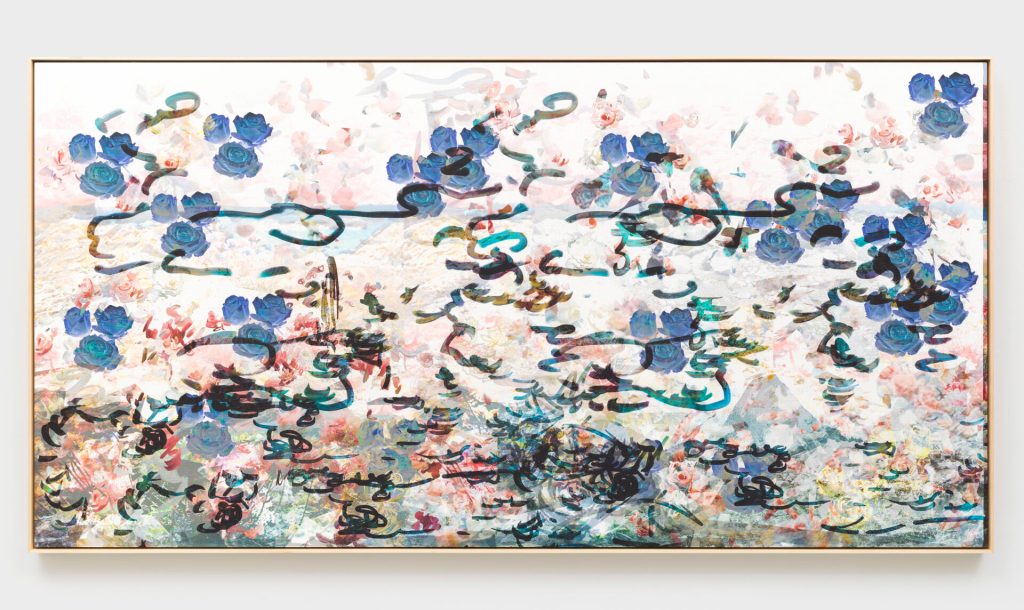
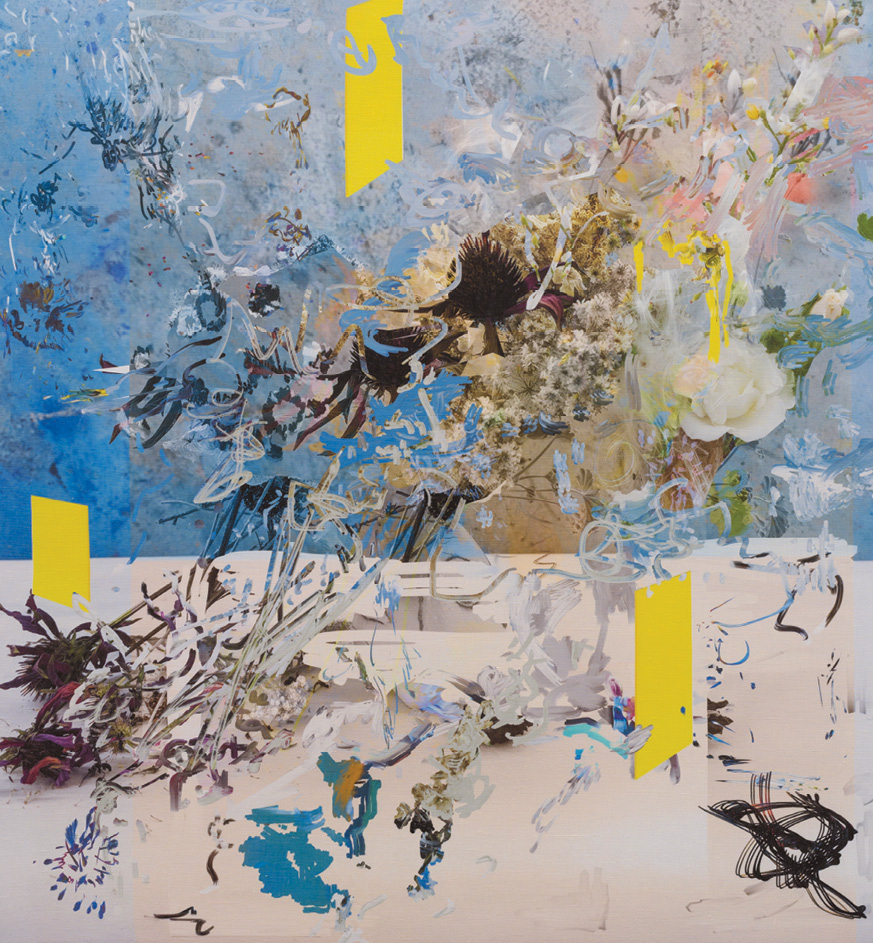
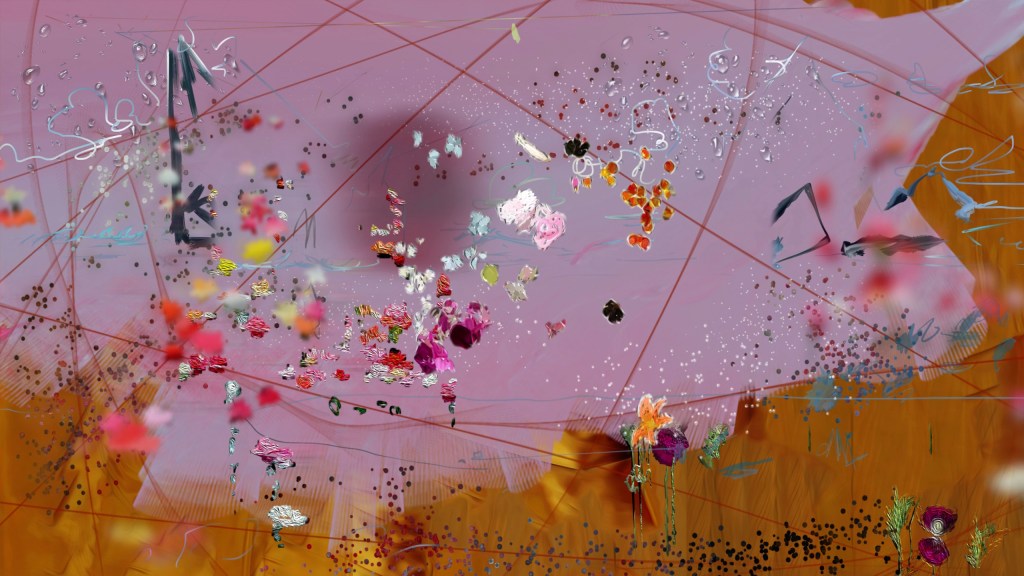
- Petra Cortright: Raised in Santa Barbara and now based in Los Angeles, Cortright’s work is often typified as post-internet art. Her art uses the internet as its medium, source, context, and place of performance, creating a unique blend of digital and physical experiences. In her works, such as “snow2???” (2011), Cortright blends vlog-like entries with digital manipulations, creating art that is both self-conscious and socially sensitive. She also produces digital paintings, like “Night Heat 5” (2010), which showcases a tall palm tree against white satin, and other works that utilise internet imagery to create uncanny experiences as digital realms migrate to the physical world (Source: PBS SoCal).
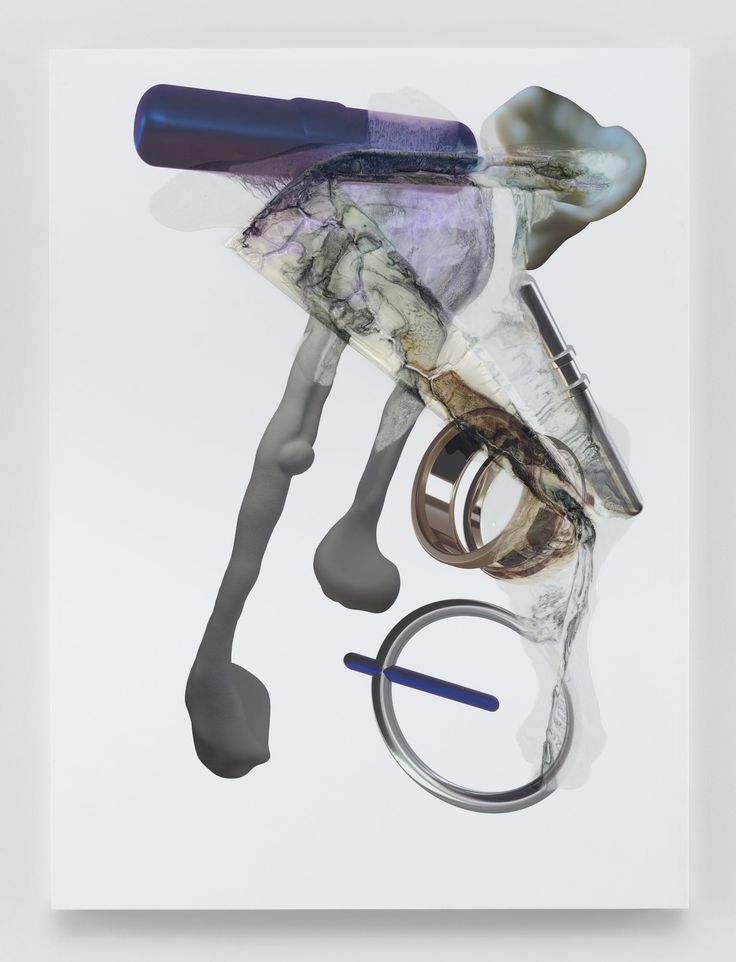
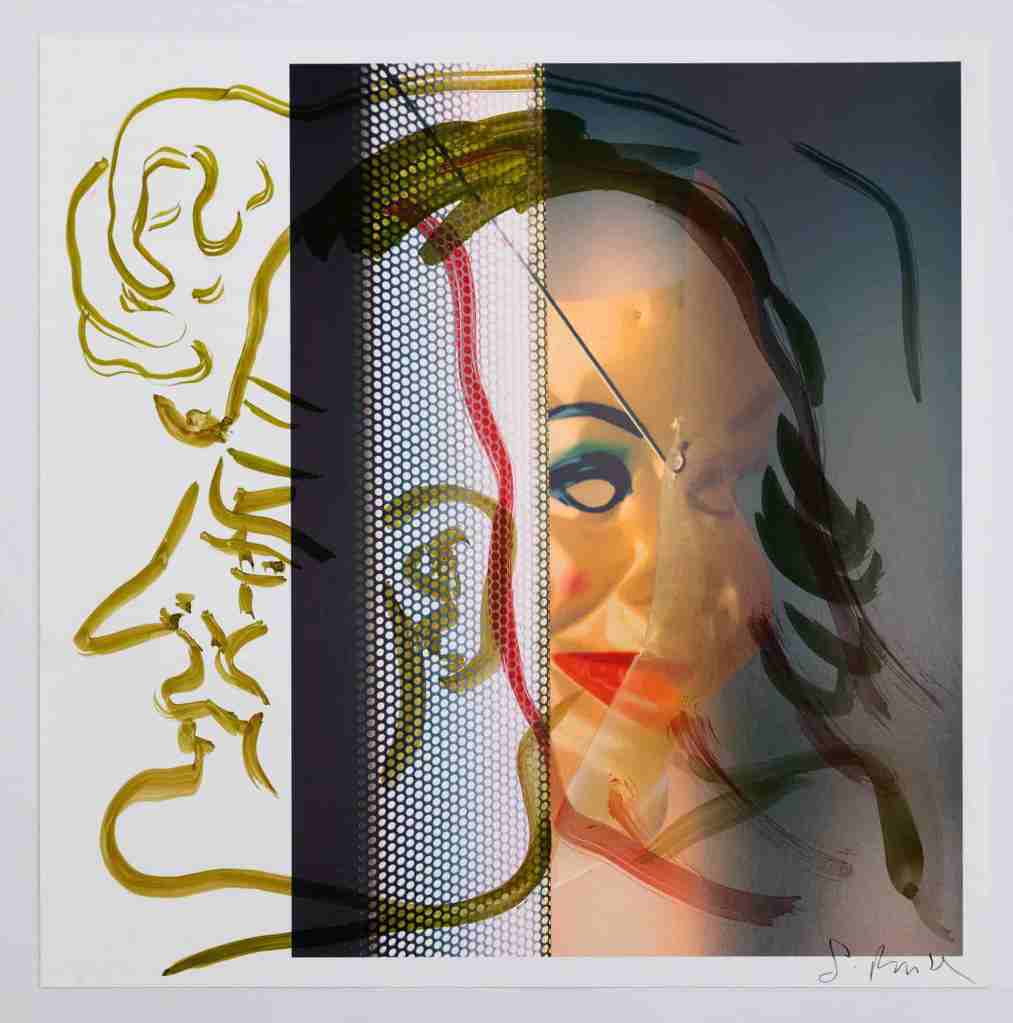
- Seth Price: Price is another artist whose work is closely associated with the post-internet movement. His art includes inkjet prints, vacuum-formed assemblages on high-impact polystyrene, and artworks that question the status of objects within modern media distribution systems. An example of his work is “Double Hunt” (2007), a replica of a cave painting from the Lascaux caves in France, screen printed onto a sheet of PVC. Price has also explored the idea of manifesting the YouTube viewing experience in physical gallery spaces (Source: Artspace).

- Cory Arcangel: Best known for his modifications of popular video games, Arcangel’s work is a significant part of the post-internet art conversation. He uses digital pop culture elements like Photoshop gradient patterns and YouTube videos to create prints, drawings, musical compositions, and videos. His famous work “Super Mario Clouds” (2002) is a notable example, where he reprogrammed the iconic 1980s game to show only the sky and passing clouds. His works comment on digital culture, planned obsolescence, and consumer waste (Source: Artspace, Artsy).
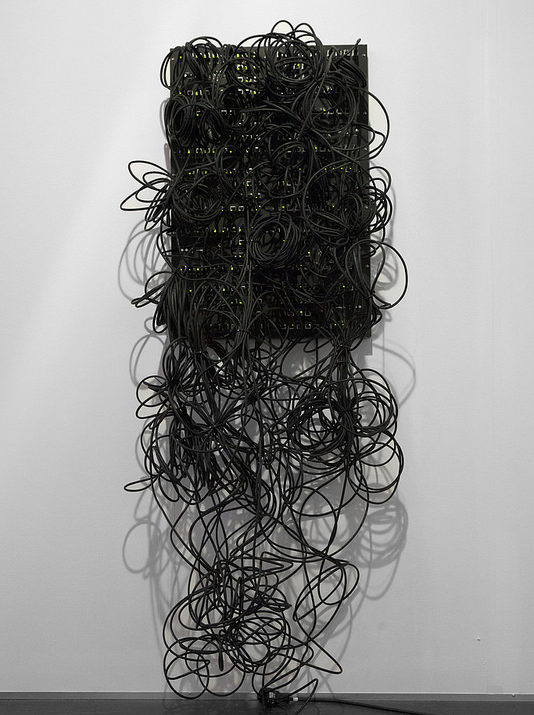
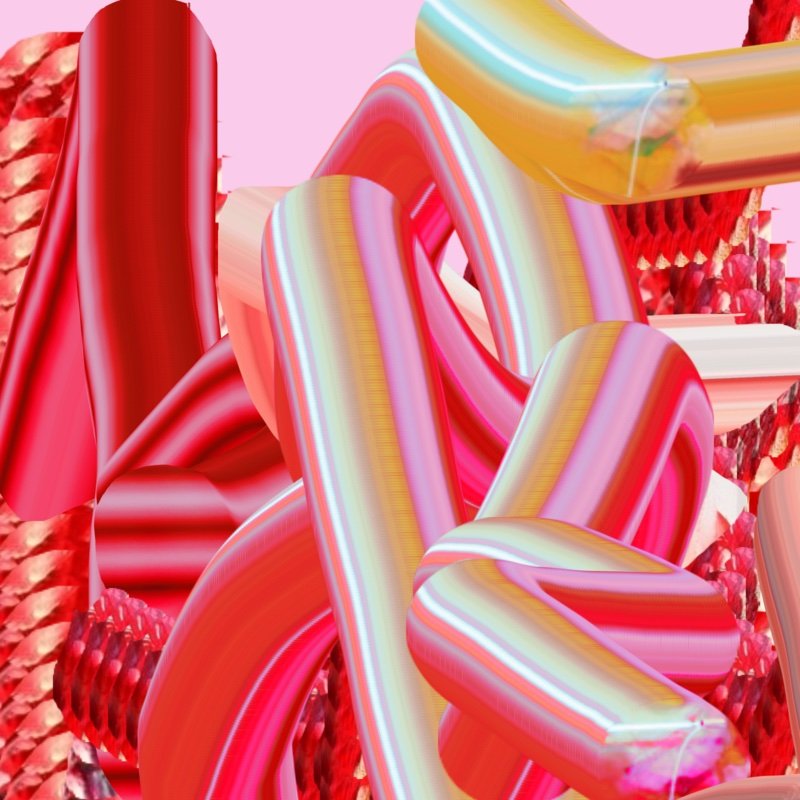
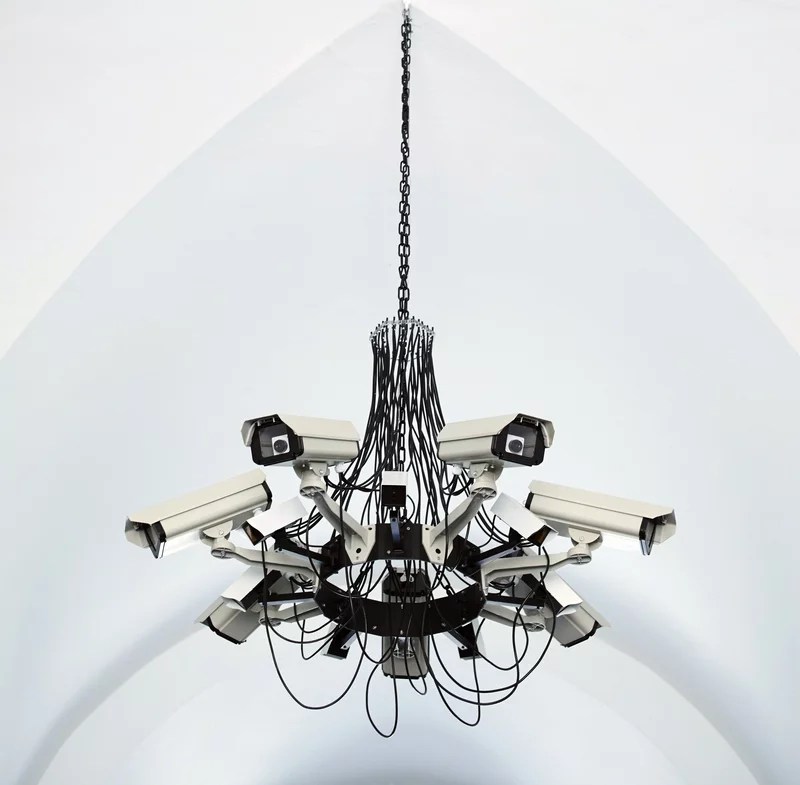
- Addie Wagenknecht: Wagenknecht is an emerging media artist who uses appropriation as a tool in her art. Her work “Celebrity” (2014), from the ongoing series “The Law of Averages,” is a good example. This series uses a custom-coded analysis of pixels from image search results to create algorithmically rendered prints. Her works explore themes of idealised representations of women in mass media (Source: Artsy).
Academic Perspectives
Academic articles provide deeper insights into post-internet art:
- “POSTINTERNET: Art After the Internet” This article critiques the term and explores how post-internet art creates immersive, multisensory experiences. It suggests that post-internet art is not just about using digital technology as a medium, but also about reflecting on how these technologies affect our senses, emotions, and perceptions.
- “Art, Internet, Post-Internet: Between Theory and Practice”: This piece delves into the intersections of post-digital and post-internet art. It highlights the significant changes these forms bring in terms of subject configurations, identities, memory practices, and communication. The article emphasizes the evolving nature of post-internet art, noting how it continuously adapts to the ever-changing digital landscape.
- “Situating Post Internet”: Focusing on the impact of evolving internet technologies, this article discusses how post-internet art reflects the transformations in individual and collective experiences. It examines the ways in which post-internet art engages with the complexities of the digital age, including issues of privacy, virtual identity, and the blurring of online and offline boundaries.
These artists represent just a few examples of how post-internet art is evolving and integrating into the broader context of contemporary art. They demonstrate the varied and innovative ways artists are responding to and incorporating digital culture into their work, offering a glimpse into the future of artistic expression in the digital age.
References
- Olson, M. (2008). Lost Not Found: The Circulation of Images in Digital Culture.
- Smith, L., & Dean, R. (2014). Art After the Internet.
- Basar, S., Coupland, D., & Obrist, H. U. (2015). The Age of Earthquakes: A Guide to the Extreme Present.
- McHugh, G. (2011). Post Internet.
- Lialina, O. (2009). Digital Folklore.
- Lialina, O. (1996). My Boyfriend Came Back From The War.
- Lialina, O. (2013). Summer.
- Academia.edu Articles
 PAI_32 platform