

In the bustling, ever-evolving world of contemporary art, few names resonate as profoundly as the Danish collective Superflex. Founded in 1993 by Bjørnstjerne Christiansen, Jakob Fenger, and Rasmus Nielsen, this trio has steadfastly blurred the lines between art, activism, and community engagement. Through a portfolio of work that spans installations, films, and interdisciplinary projects, Superflex challenges the status quo, pushing the boundaries of what art can be and do in the 21st century.
Operating from Copenhagen, Superflex has gained international acclaim for their unique approach to creating art that extends beyond the gallery space, embodying a practice that is both participatory and provocatively engaging. Their projects often highlight and tackle global issues such as economic inequality, climate change, and corporate hegemony, inviting the viewer to not just observe but to participate and reflect on their role within these systems.
One of Superflex’s most iconic projects, “Free Beer,” exemplifies their innovative approach to participatory art. Launched in 2004, “Free Beer” is not just a beverage but a concept, a product that challenges the very foundations of intellectual property by offering its recipe under a Creative Commons license. This project invites anyone to brew and distribute the beer, thus fostering a dialogue on copyright, sharing culture, and community engagement.
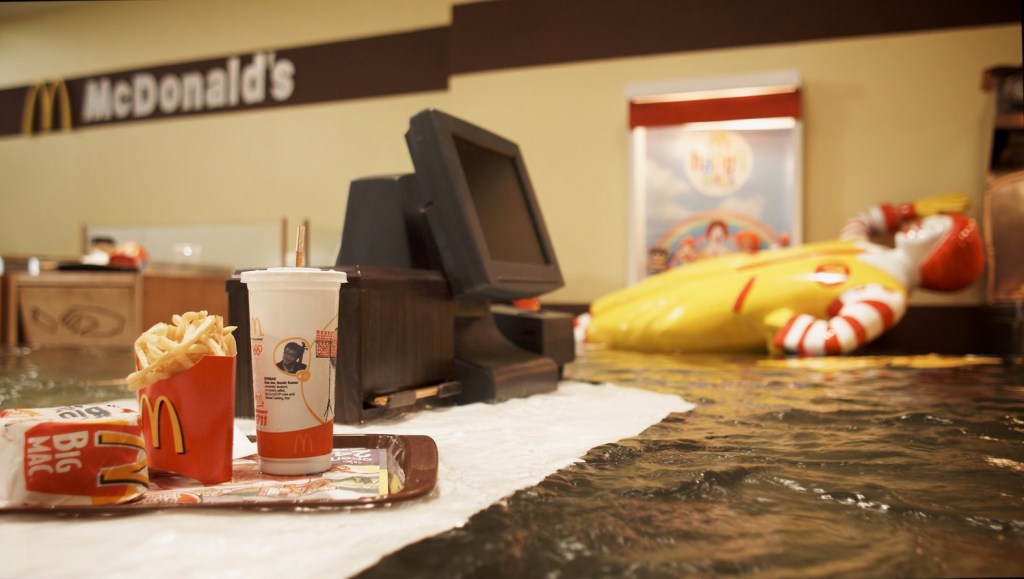
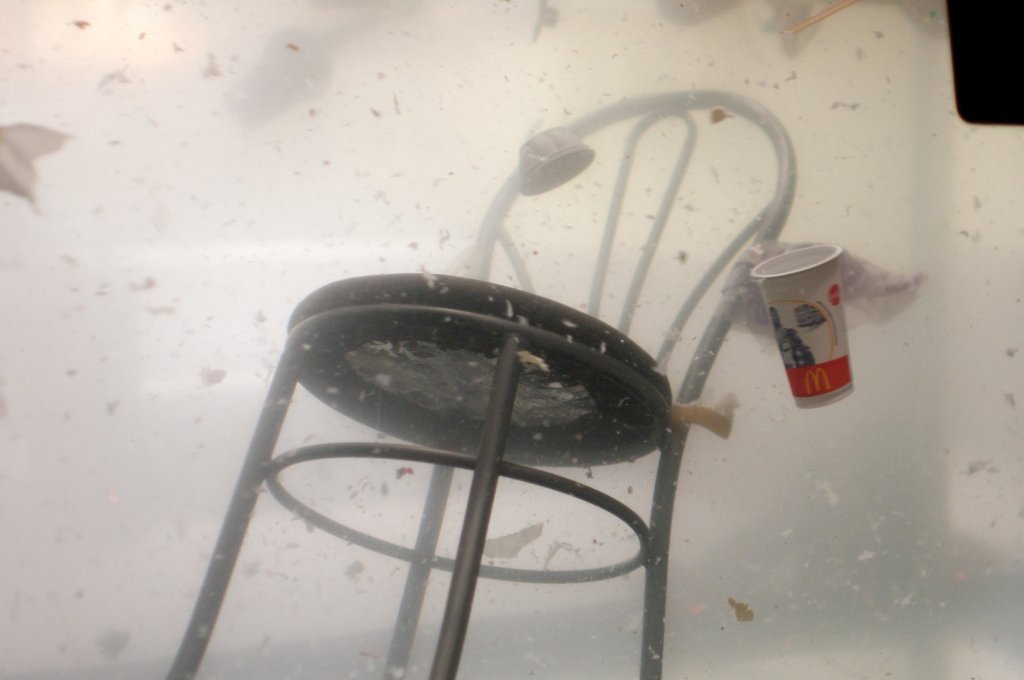
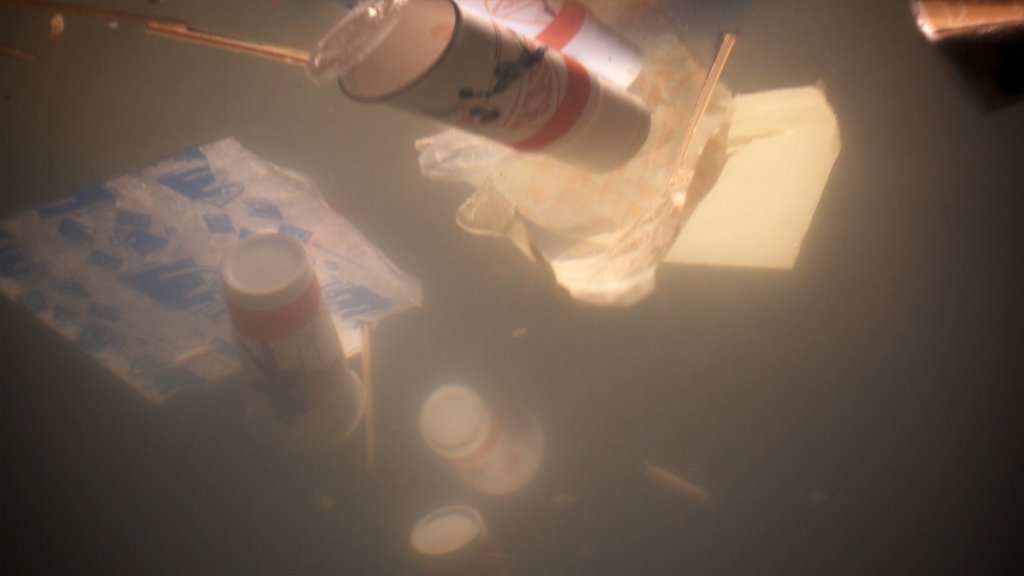
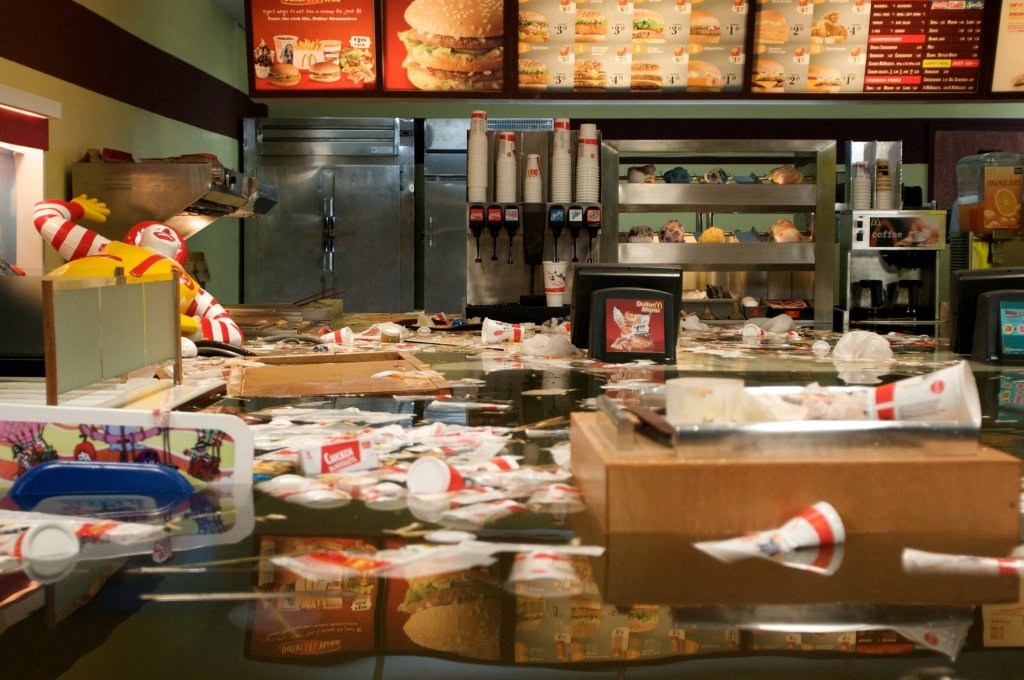
Environmental concerns are at the forefront of Superflex’s agenda, with several projects dedicated to highlighting and combating the climate crisis. “Flooded McDonald’s” (2009), a film project, presents a life-size replica of a McDonald’s fast-food outlet gradually being submerged underwater. This powerful visual metaphor not only critiques consumer culture but also calls attention to the environmental impacts of global capitalism and fast food.
“Supergas,” another pioneering project, demonstrates Superflex’s commitment to sustainability. This biogas initiative provided a practical and eco-friendly energy solution by transforming organic waste into biogas. Initially developed in Tanzania, “Supergas” has been a blueprint for sustainable energy solutions in rural communities, showcasing the potential for art to drive technological and social innovation.
Superflex’s work extends to tackling financial crises and exploring the intricacies of global economic systems. Projects like “Bankrupt Banks” (2012) and “The Financial Crisis” (2009) use humor and direct engagement to demystify and critique the complexities of the financial system, making profound statements on accountability and the impact of economic policies on the everyday person.
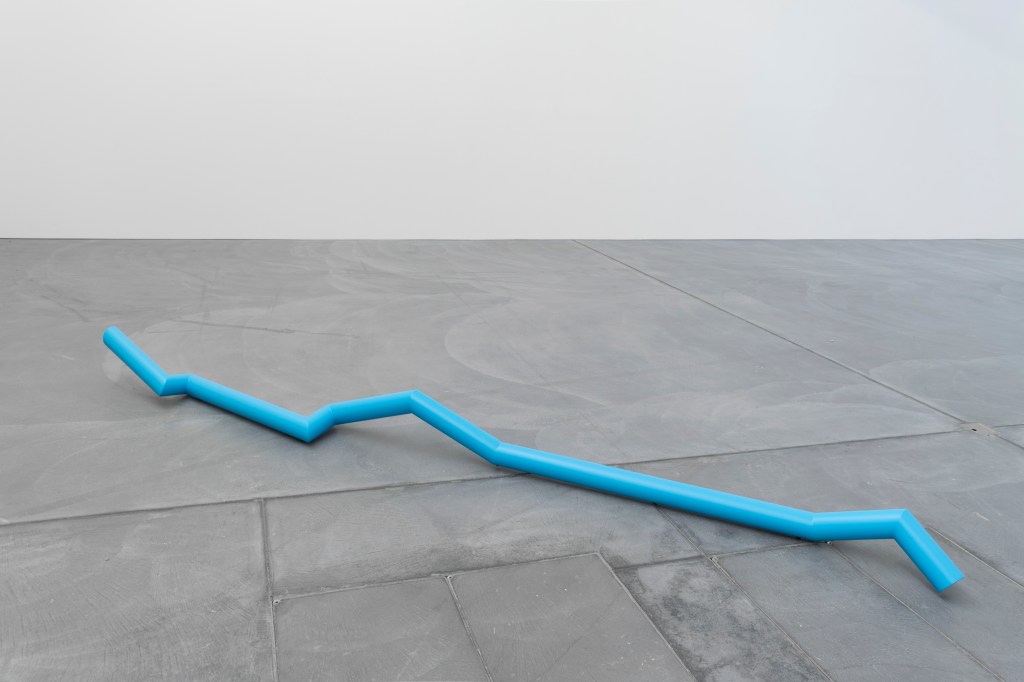
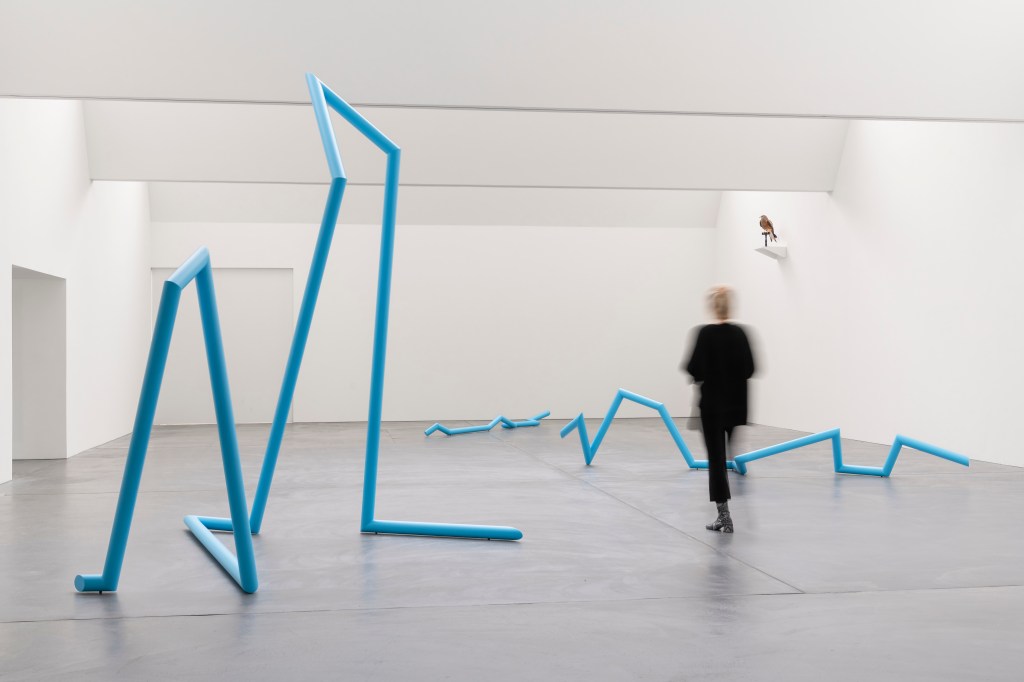
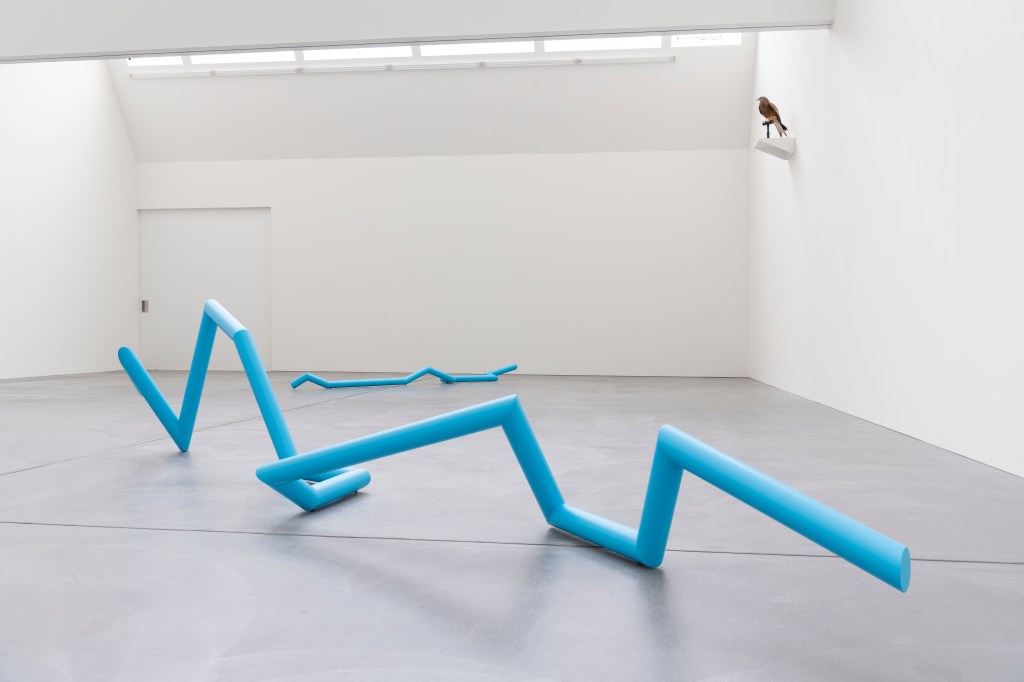
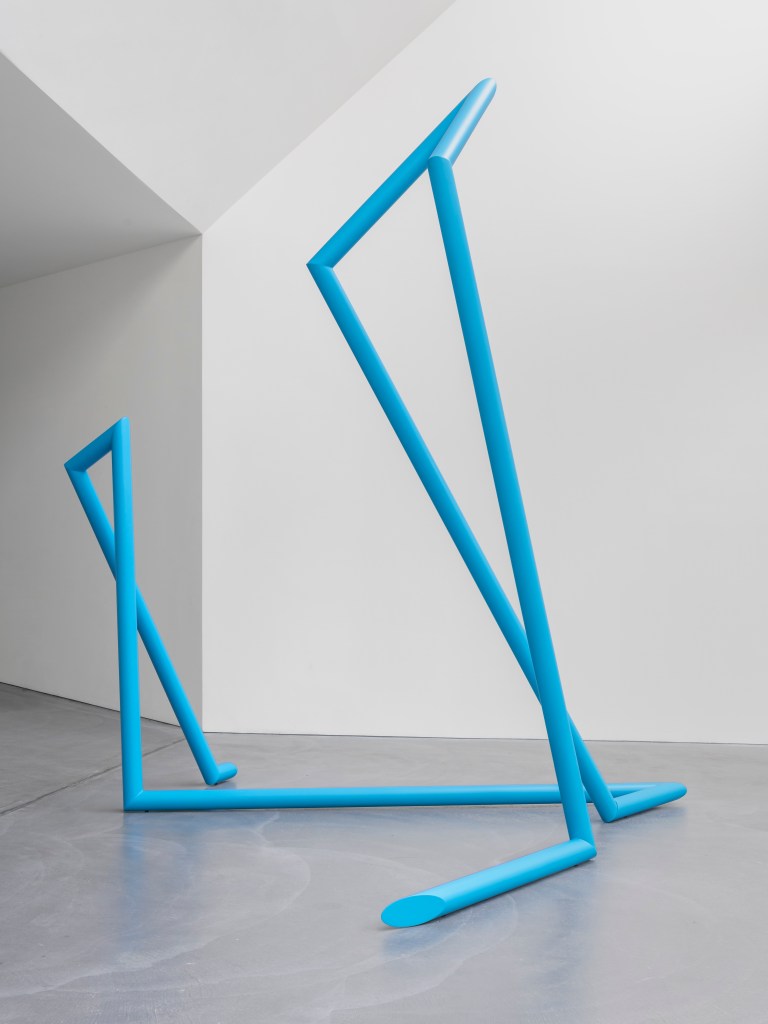
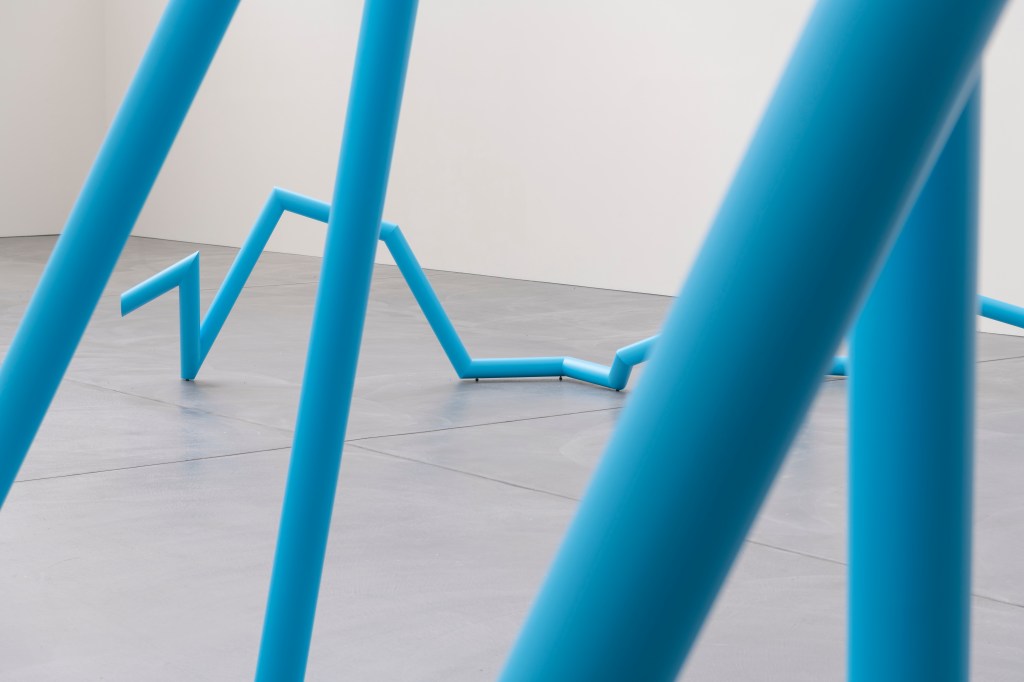
Connect With Me is a series of sculptures that, at first glance, appear to be modernist, minimal art objects. But seen from a particular angle, the shapes reveal themselves to be images familiar from the world of economics: the zig-zagging lines of a market graph. In fact, the blue lines represent segments of the fluctuating value of Bitcoin during an 18-month period, which saw the largest peak of value of Bitcoin so far.
The group’s exhibitions and projects have been showcased in prestigious institutions worldwide, from the Tate Modern in London to the Museum of Modern Art in New York. Despite their global reach, Superflex maintains a deep connection to community and local engagement, ensuring their work remains accessible and relevant to diverse audiences.
As Superflex continues to evolve, their work remains a beacon for the transformative power of art. In a world fraught with challenges, their approach offers a hopeful vision of how creativity can inspire change, dialogue, and a deeper understanding of the complex world we inhabit. Through their innovative projects, Superflex not only questions the role of art in society but also reimagines its potential to effect real, tangible change in the global community.
 PAI_32 platform