

Antoine Plainfossé: Navigating Identity, Freedom, and Urban Canvas Through Skateboarding
Antoine Plainfossé, a Paris-born artist, has been weaving the raw energy and fluidity of skateboarding into the fabric of visual arts, blurring the lines between disciplines with a profound exploration of identity, freedom, movement, and the subcultures that define our times. From the streets of south Paris to the galleries of the city, Plainfossé’s journey is not just about the transition from a skateboarder to an artist but a continuous dialogue between the two worlds.
Plainfossé’s artistry doesn’t confine itself to a single medium. His practice spans film photography, painting, installation, and video, offering a kaleidoscopic view into the themes that resonate with him the most. At the heart of his work are identity and movement, explored through the lens of skateboarding culture and its intersection with the urban landscape.
Your art explores themes of identity, freedom, and skateboarding. How do these themes connect in your work, and what personal experiences inspired you to combine them?
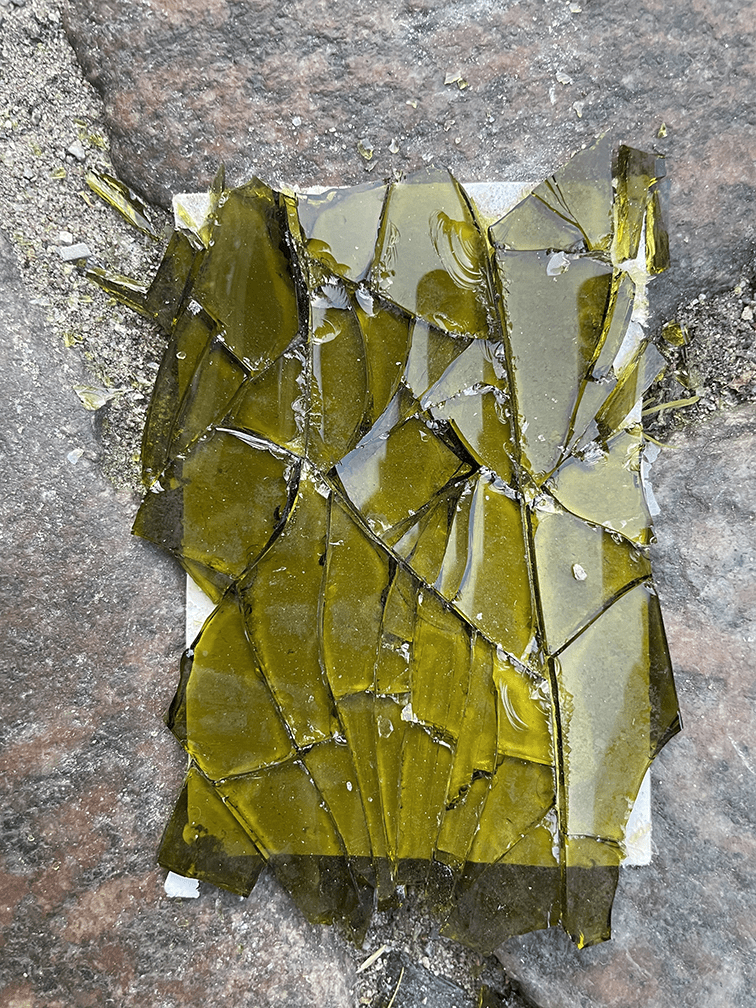
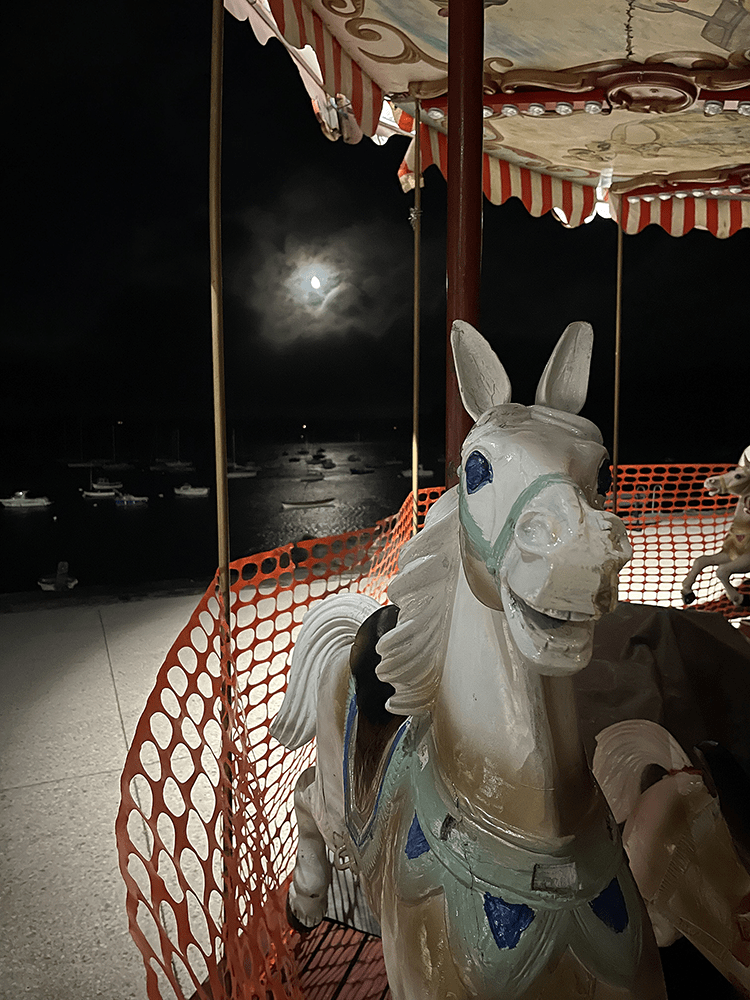
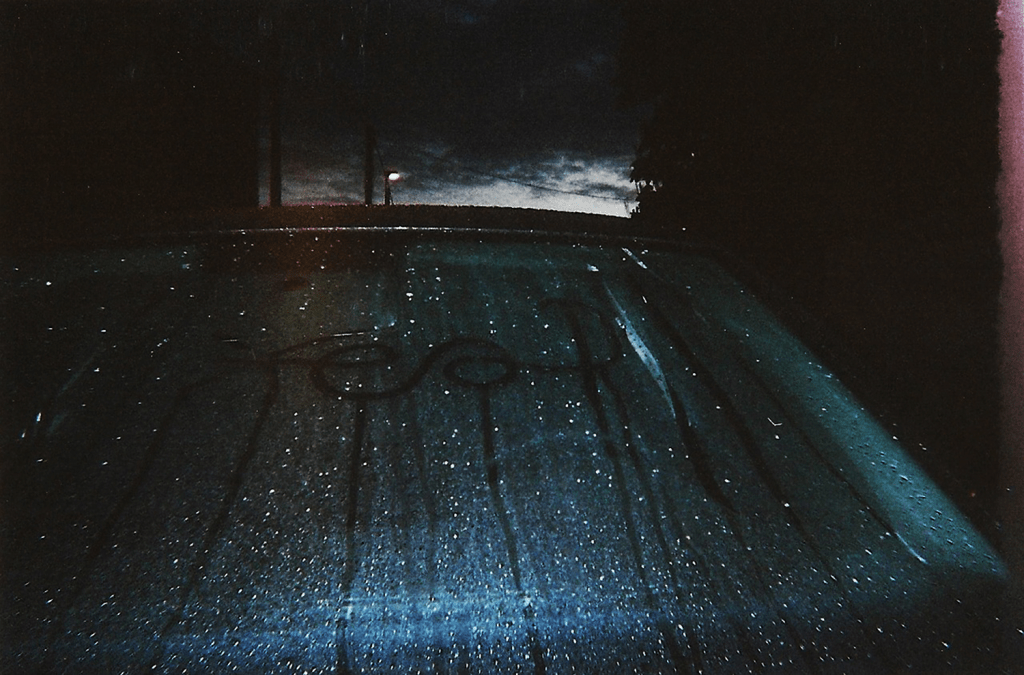
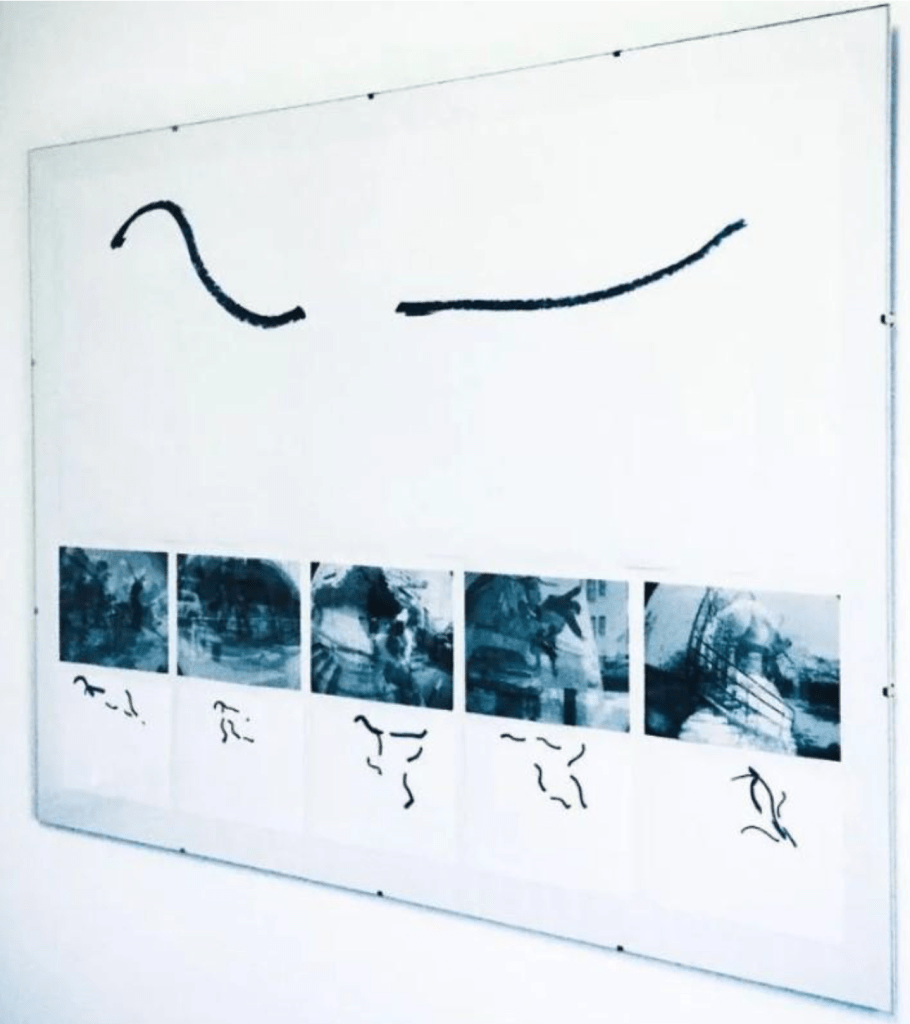
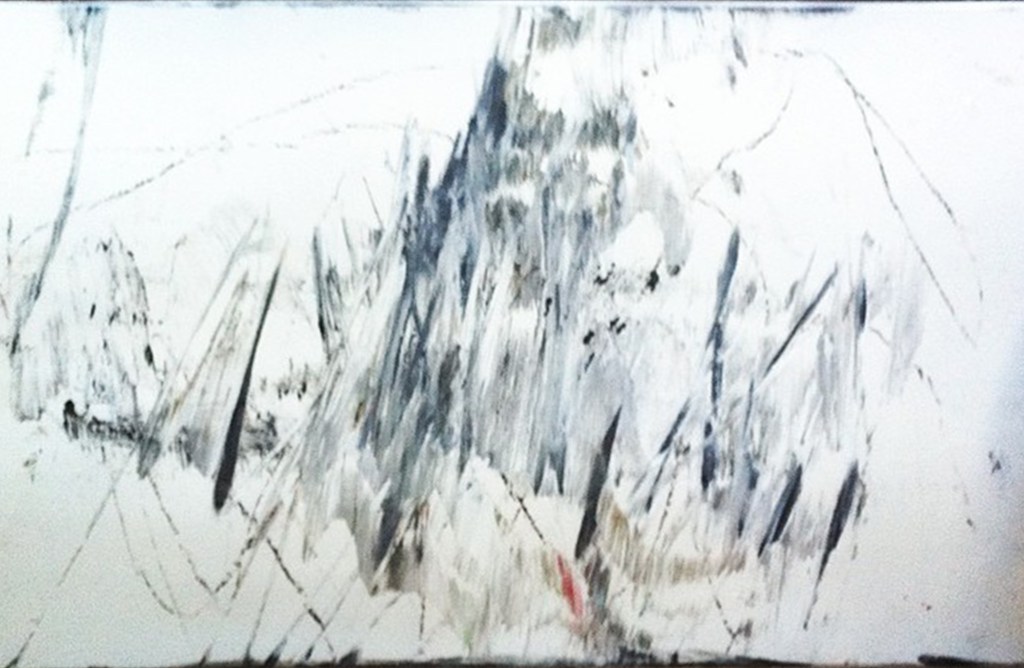
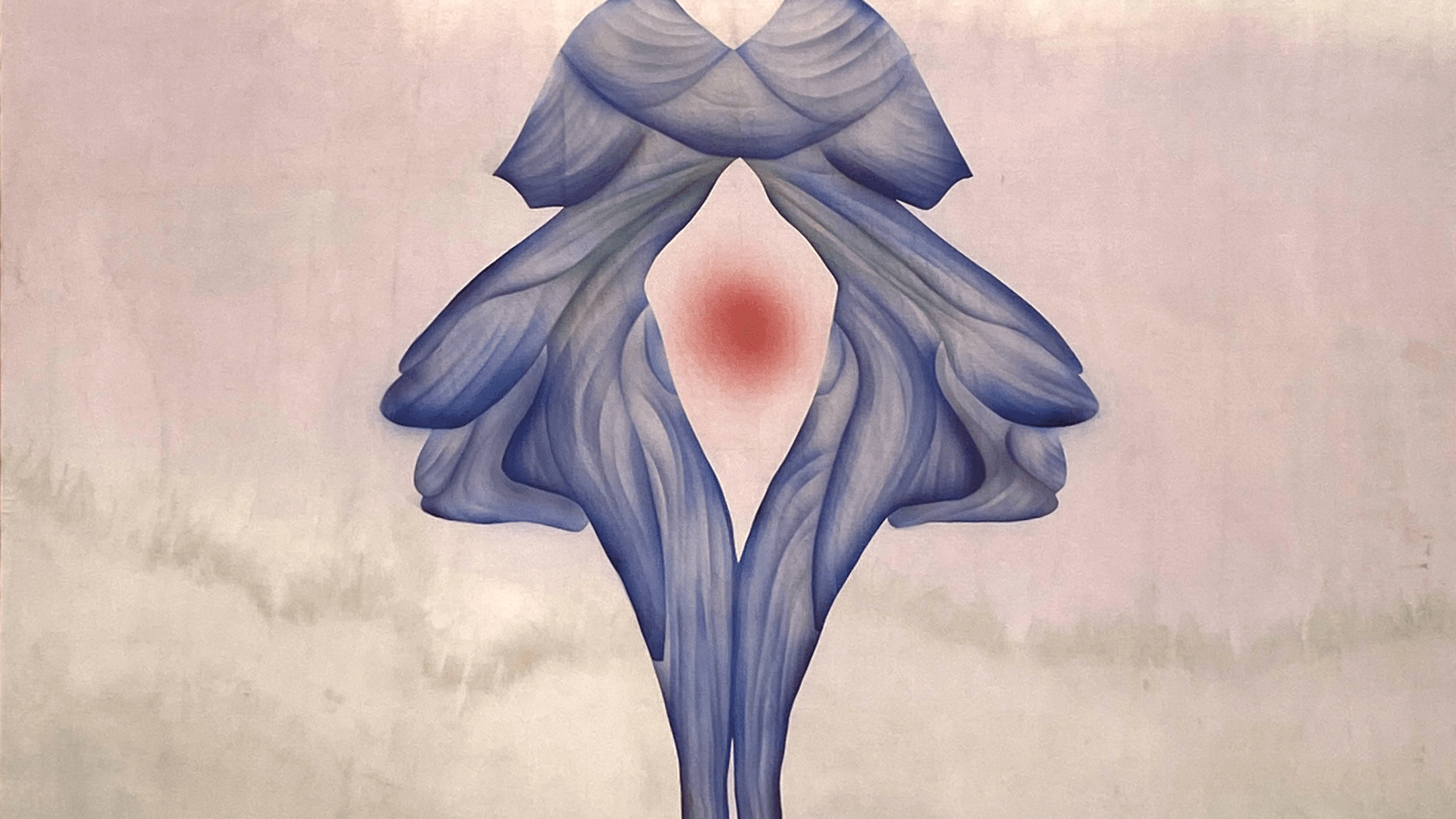
Skateboarding has always represented freedom for me. And it was a way to build an identity while growing up. I chose this activity to open myself to a new culture. I think it was natural to connect these three themes together. One work that connects these themes is « Skate stopping is a crime ». I am always looking for spots in the city. When I see structures that are built against skaters, I feel like it is a direct attack to my passion. The curb that has been skate stopped loses its identity for the skaters, and the freedom of creating with it. Then, In « JKJHNSN », the painting creates an abstract identity for the skater (Jake Johnson), one that comes from the original movement of his body while skating. Jake Johnson is known as one of the most creative and enigmatic skateboarder of his generation, a rare bird you can’t catch, so he was a great personality for this project. The activity of skating itself combined these themes all the time, but as personal experiences, traveling abroad (California, New York etc…) was a way for me to find freedom and new inspiration.
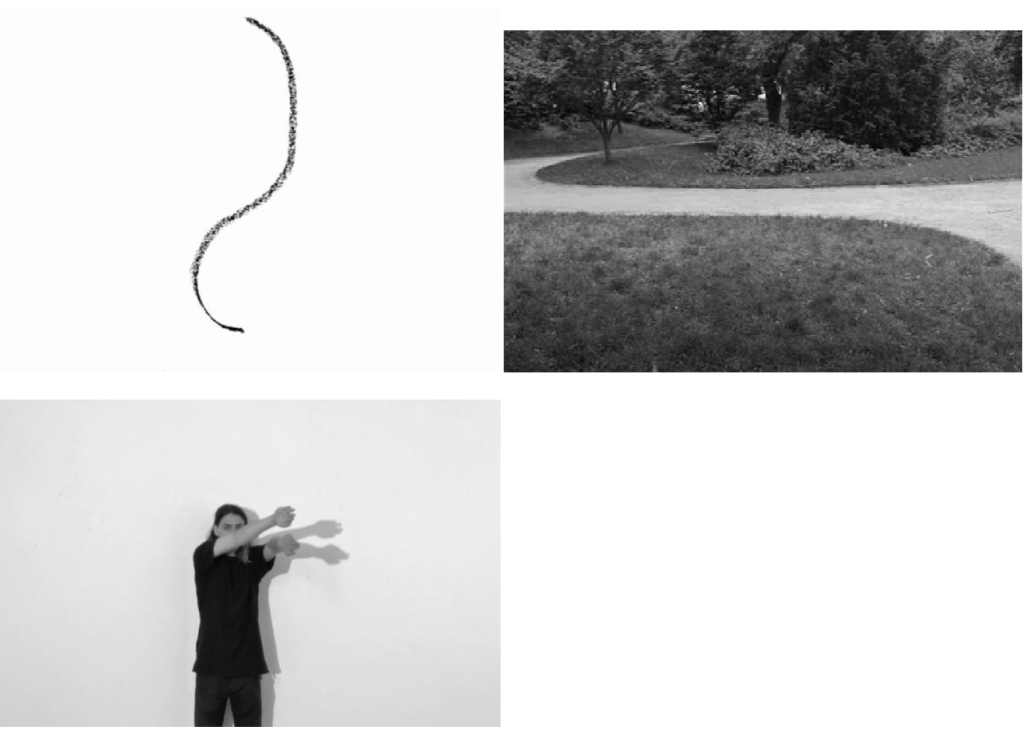
“Signes Urbains” and “Terrain Chamboulé” focus on movement, especially from skateboarding. Can you discuss the process of capturing such dynamic movement in your films?
By developing my eye as a skateboarder during my teens, I was able to imagine ideas of movement on the static architecture of the city (as all skaters do), and this eye will stay open for my whole life. So, for these two videos, I wanted to recreate this idea of movement from static environments. For « Terrain Chamboulé » the idea was to bring the « no rules » mindset in Tennis, a sport that I used to play as a teen and still play today. I was inspired by the Roland Garros tournament and its famous posters. By moving the lines in the video, it creates an abstract image that goes far from the original tennis field, and makes me think of a painting by Kandinsky.
In « Signes Urbains », I wanted to play with the shape of the modern skateboard, a long oval resembling the number 0. The oval made me think of the symbol of the infinite/the number 8. This is why there is a form of an S in the video, the half of an 8, as a reference to the infinite. I also wanted to present my interest in mathematical curves. So I captured all these forms, highlighted them in the video, and confronted them with the same forms that are presented in the architecture of the city. To discuss the process, I first drew the forms on paper, then I went on to take pictures in the city. Finally, I finished with the performance.
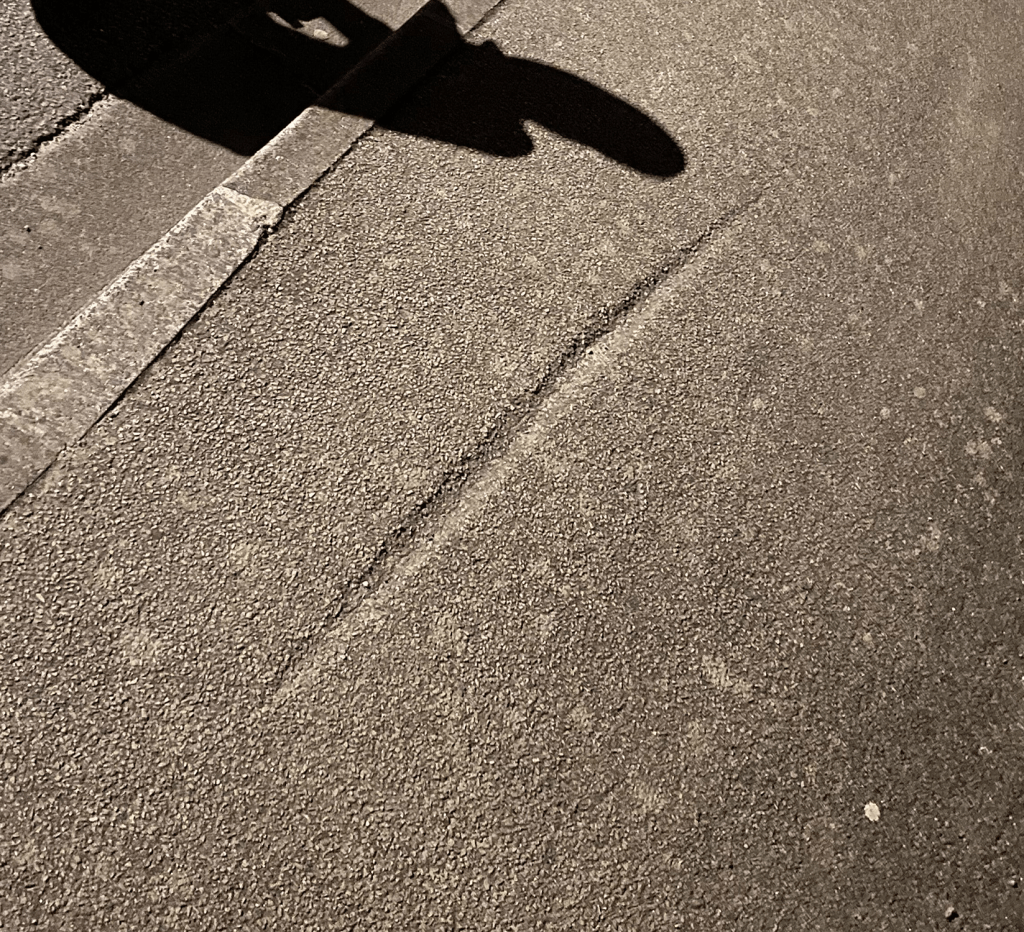
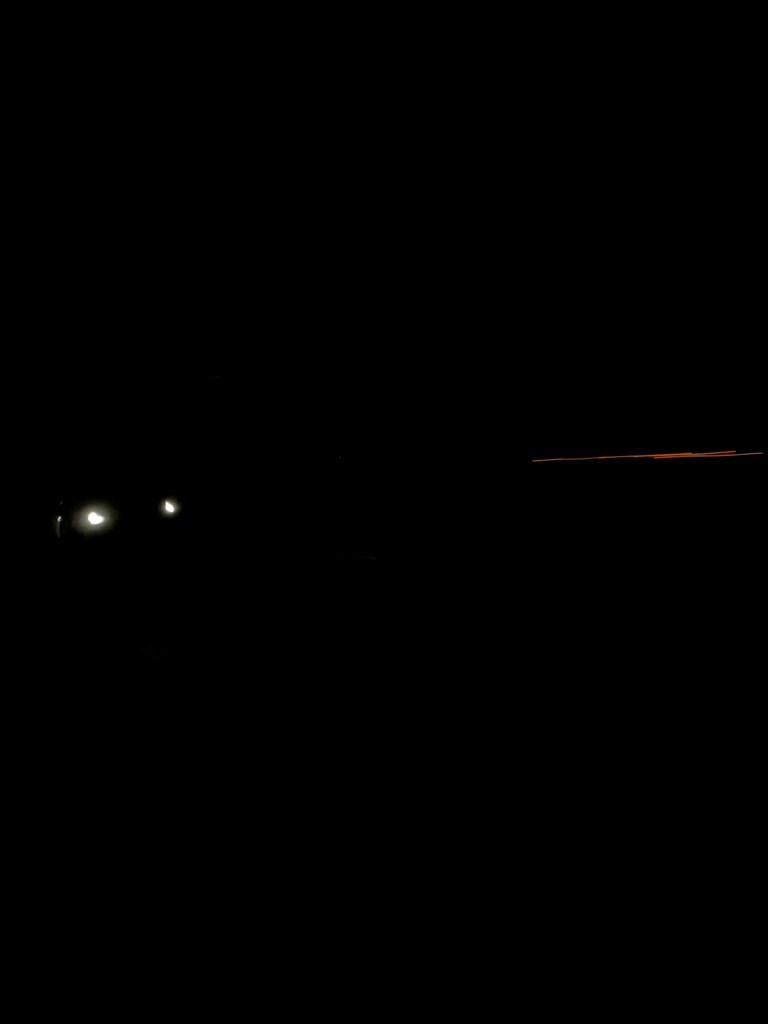

In exploring themes of duality and the shadow self, your work offers a form of psychoanalysis. How do you handle the vulnerability this exploration entails, and what do you hope viewers gain from it?
Honestly, I don’t know how to answer this question, I just handle it as I can. I think my art would not be meaningful if there was no vulnerability in it. For the viewers who are not familiar with these topics (introspection, duality, and shadow self), I hope to make them want to search about it. Because it’s not something that is talked about in every family or even in school. Today, a lot of people prefer to look at others and get distracted by the world instead of understanding themselves. By understanding one’s self, one can understand what to work on in order to grow. Eventually, I hope to show the viewer that art can be a way to get through anything in a positive way. To turn what you carry inside into something beautiful. This is the concept of sublimation, as Freud calls it.
What do you think is the primary idea or goal of art in general? If there is a specific goal, what would it be?
I believe the primary goal of art is to create emotions. Secondly, art could be a way to communicate with the unconscious. By using mediums such as painting and photography, you can create works that speak to a part of yourself that you wouldn’t be able to express with traditional language. Finally, another goal of art could be to present what is happening in the world, to question it, share messages, and propose a new vision, unique to each artist.
ARTIST OF THE MONTH
INTERVIEW’24
 PAI_32 platform