
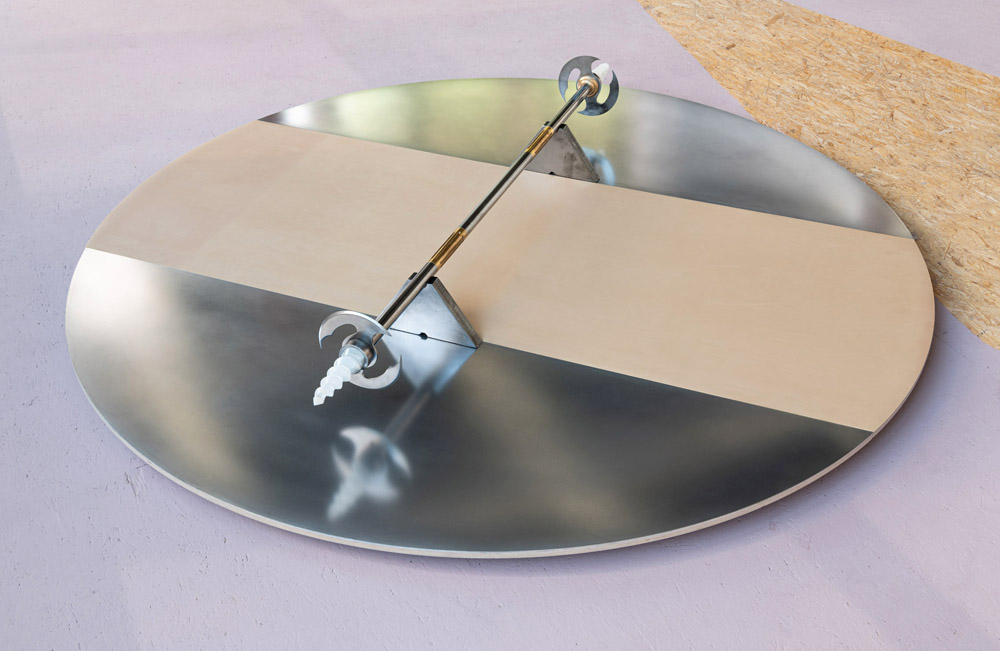
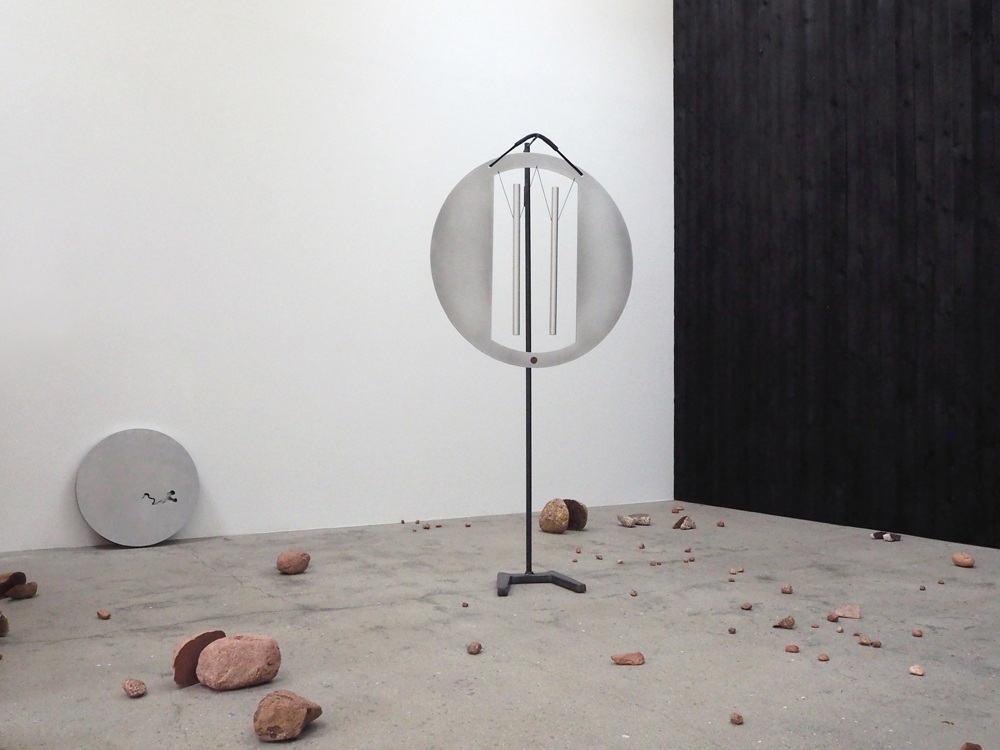
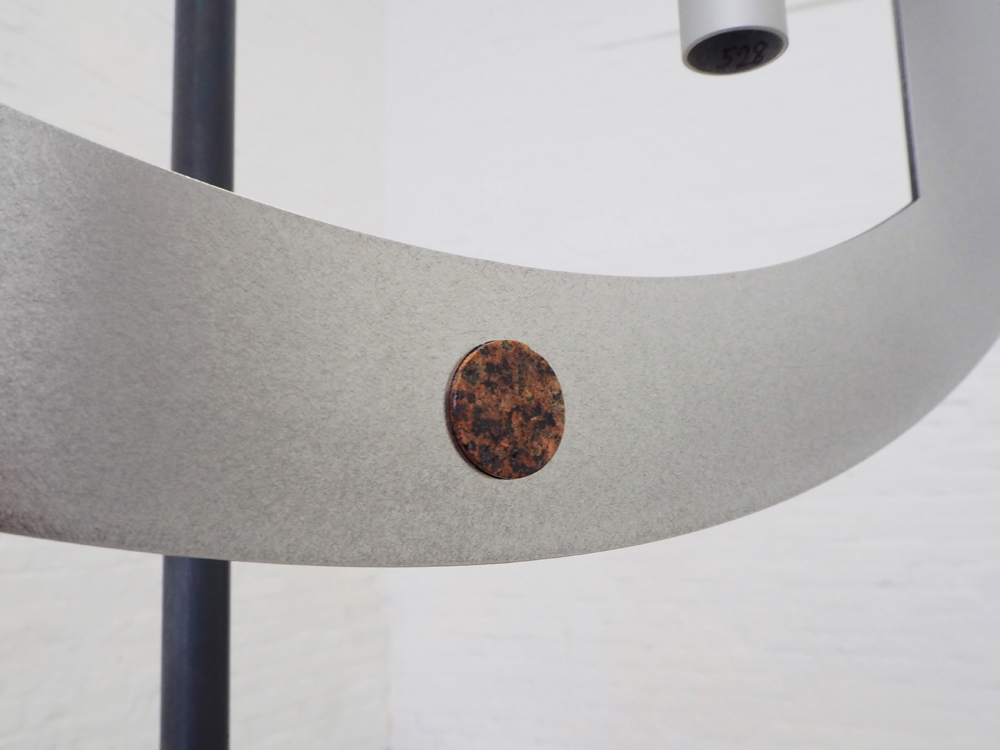
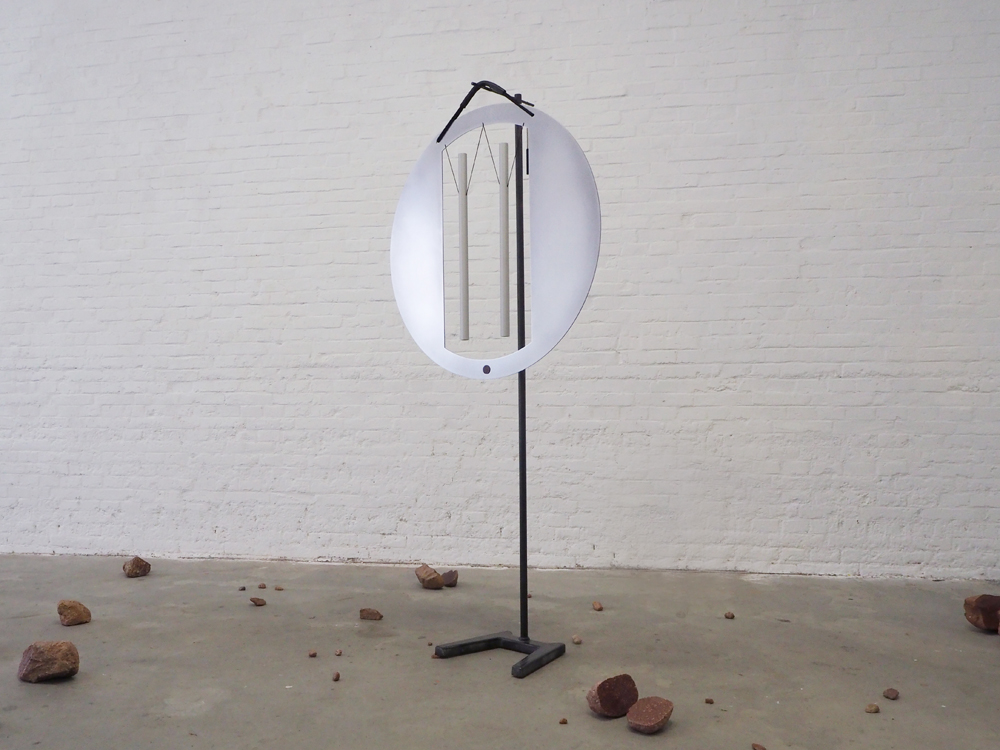
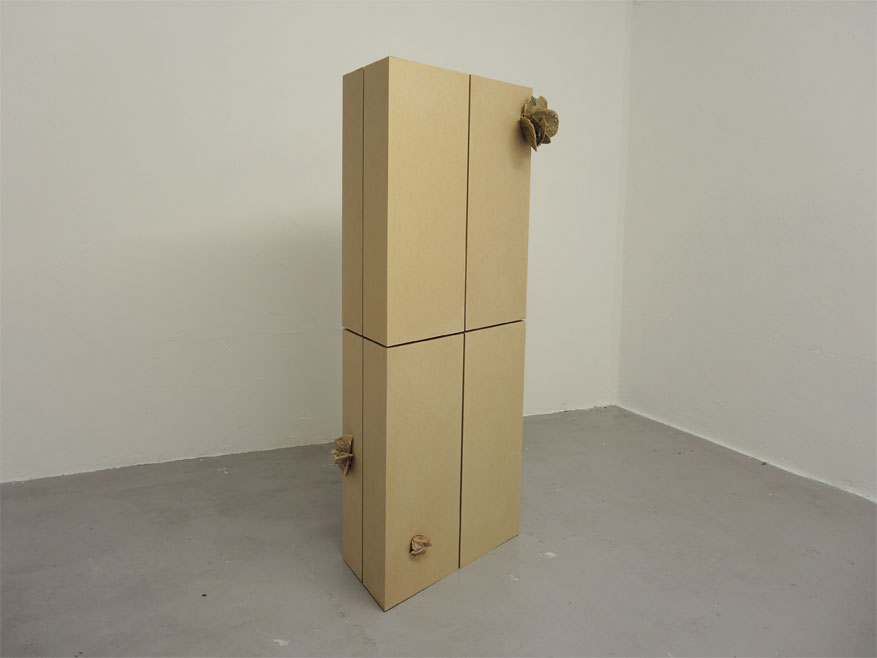
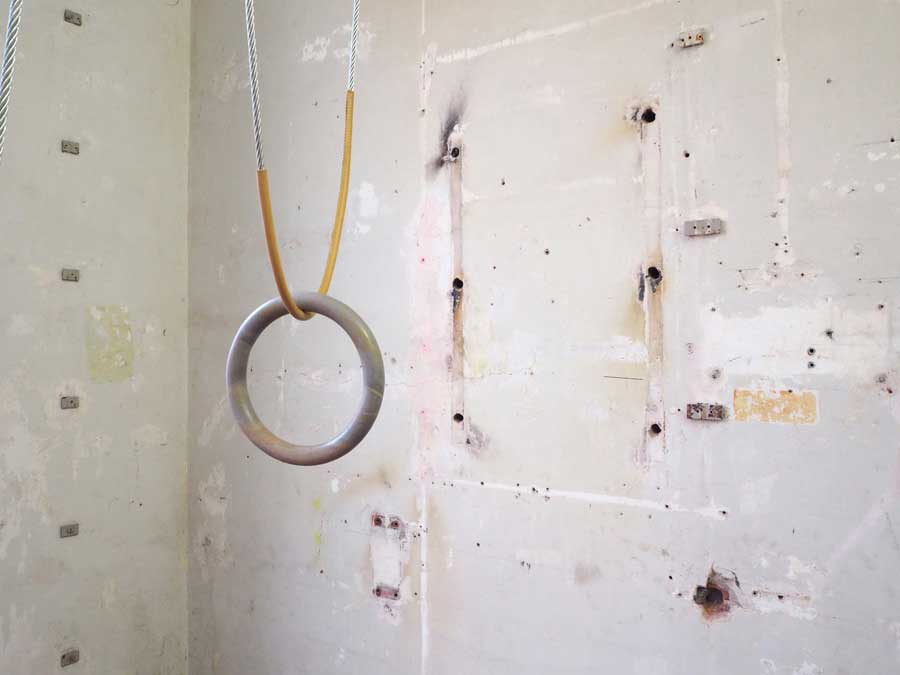
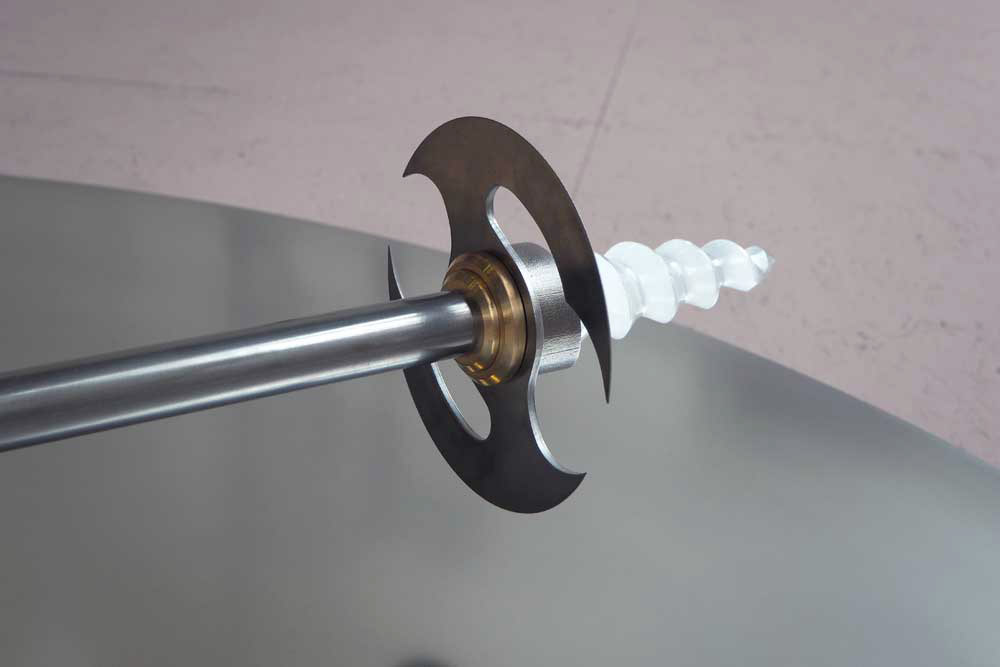
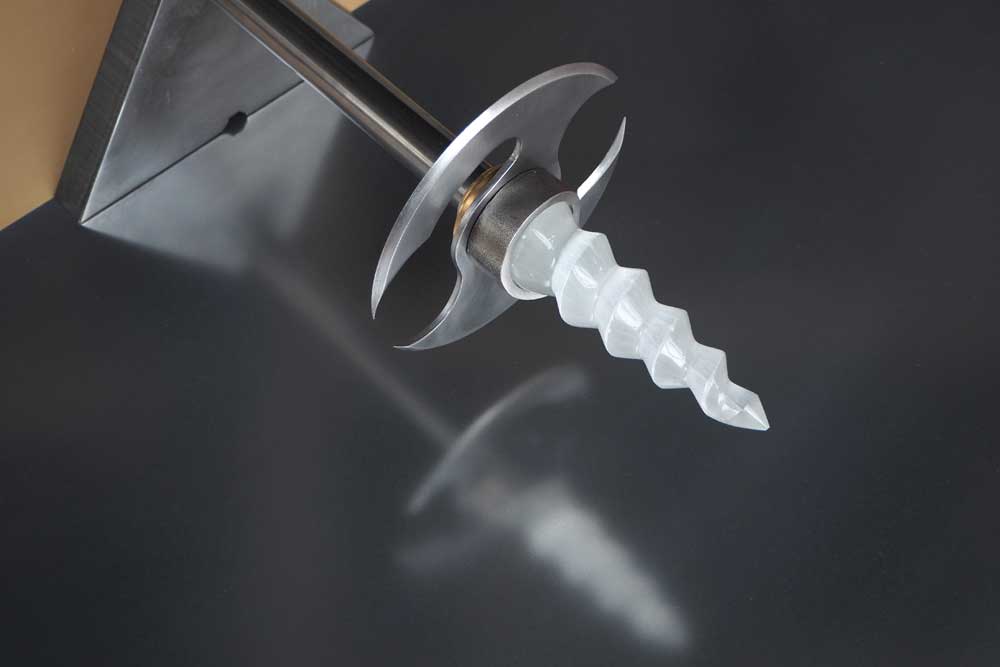
↑ Poses (On Earth, gravity gives weight to physical objects), sculptures, installation, performances, 2018 – ongoing.
Sibylle Eimermacher is an artist whose works are deeply embedded in the exploration of human perception in relation to the natural environment. Her portfolio encompasses a variety of media including installations, sculptures, and photography. Through these mediums, she interrogates the subtle and often overlooked facets of natural landscapes, employing a rigorous process of collection and observation.
Sibylle Eimermacher website and instagram.
Eimermacher’s installations are particularly immersive, crafted to engage the senses and challenge the viewer’s perceptions of natural phenomena. She utilizes natural and processed materials to create pieces that are both aesthetically striking and conceptually profound. The viewer is invited to reflect on the complexity of natural elements and consider the intricate relationships between human actions and environmental consequences.
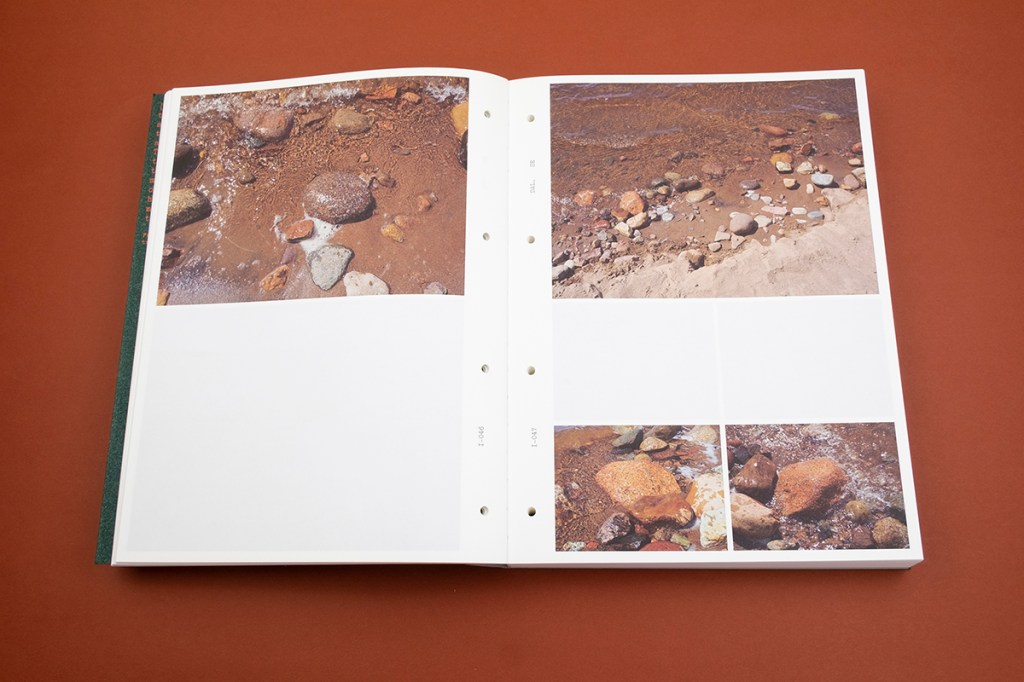
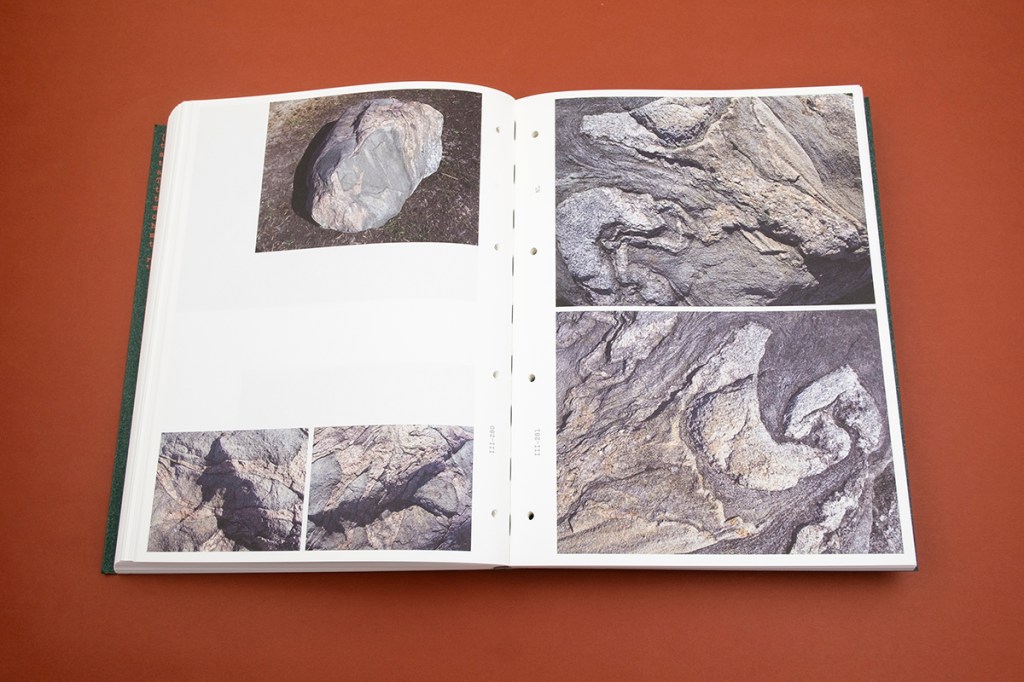
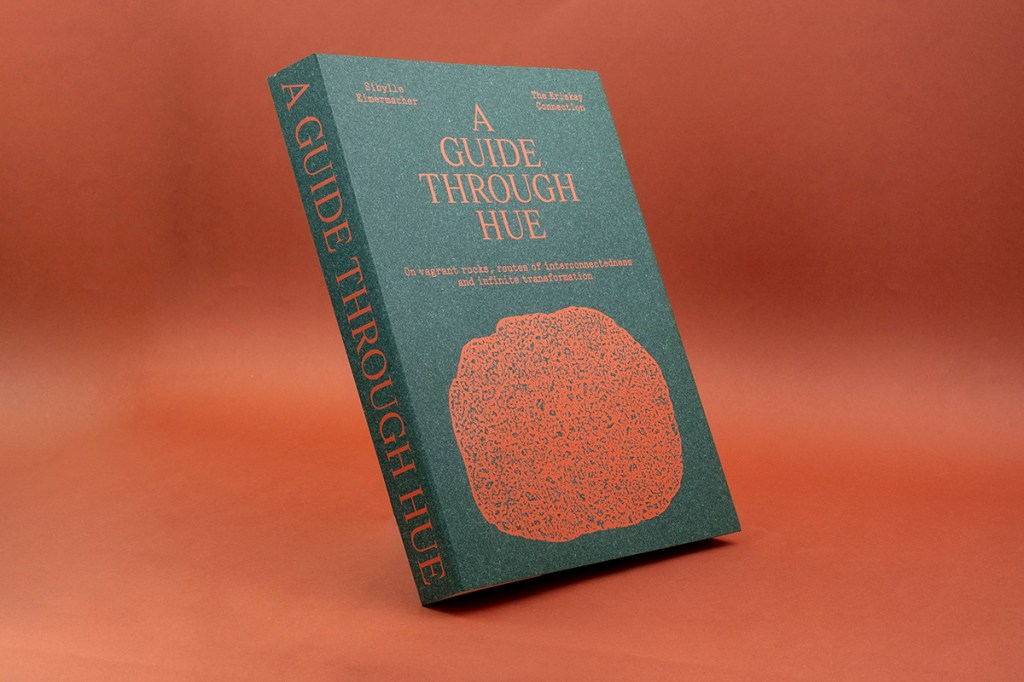
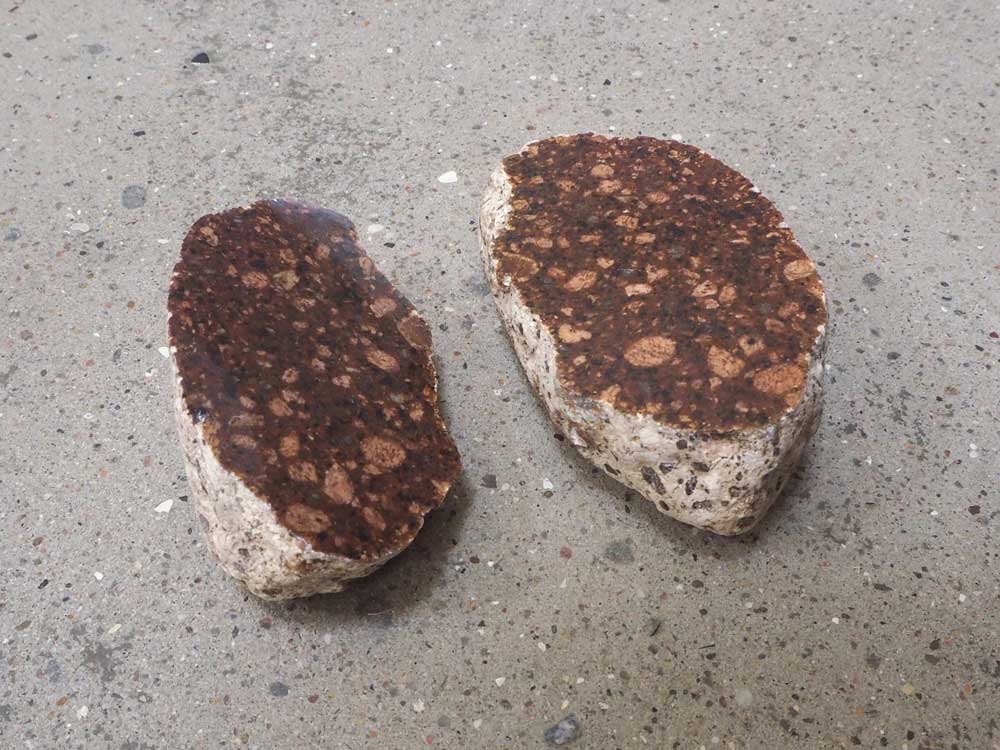

– Your artistic projects have a deep connection with nature and a contemplative approach to the materials you use. How your environment influences your creative process and the choice of materials for your artwork?
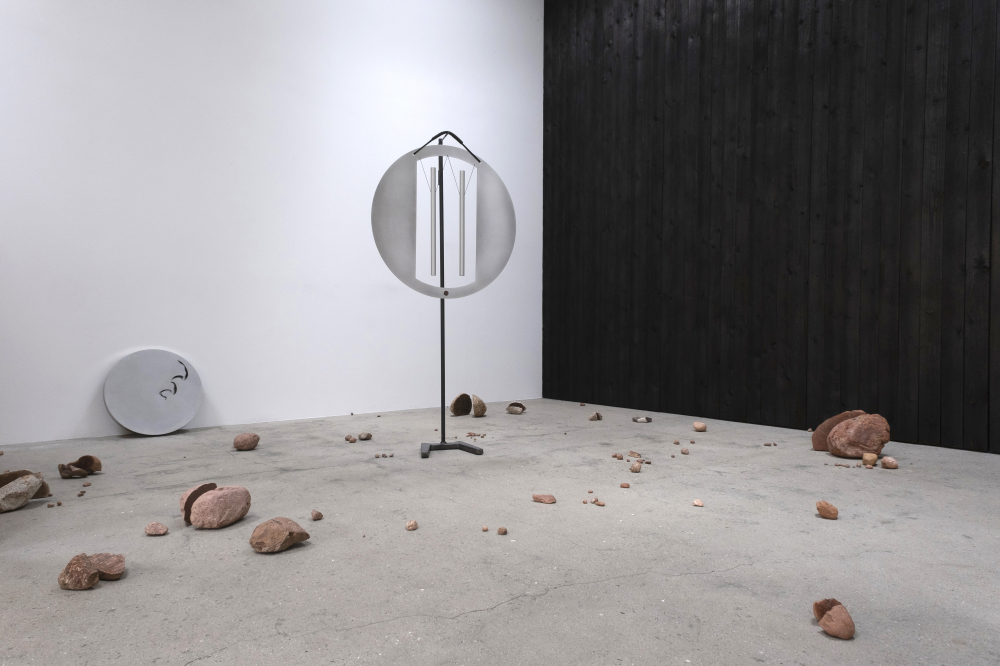
Since my childhood landscapes have left a deep impression on me. As if certain landscapes, in particular the barren rocky scandinavian landscapes, somehow resonate with my soul, make me feel at home. Indeed bare bedrock is probably the closest connection to the earth body. So when it comes to my project Turnstone, the awareness, that all the reddish granites and porphyries that I stumbled upon in the Netherlands, where I live, originate from Scandinavia before the glaciers took them with them, made my heart jump. They were like messengers from these distant places, towards which I feel drawn to. So the choice to work with erratic rocks evidently was a very personal one. With this project I tell my own biography of moving, longing and beloning through the story of erratic rocks.
Recently I worked at the old coppermine of Outokumpu in Finland on the project Undercurrent, together with my brother Johannes Eimermacher, a musician. From old metal bowls, pipes, sawblades etc. we made an interactive sound installation, placed around the machinery in the hoist room of the old mine. We wanted to give a voice to the material that has been mined there and exported around the world. High pitch ringing, singing, beating and howling resonances replaced the once deafening noise of the heavy machines. I often use metals for the creation of my art works and my brother plays altosaxophone, a brass instrument, so to work on and with this location made a lot of sense to us.
– You have a diverse range of projects, including installations, video, sound, and photography. How do you decide which medium best suits a particular concept or idea you are working on?
I intuitively choose the medium so it matches my experience with a certain theme or perception of the object in front of me. It can also happen that I use different mediums for the same subject in order to focus on a specific aspect.
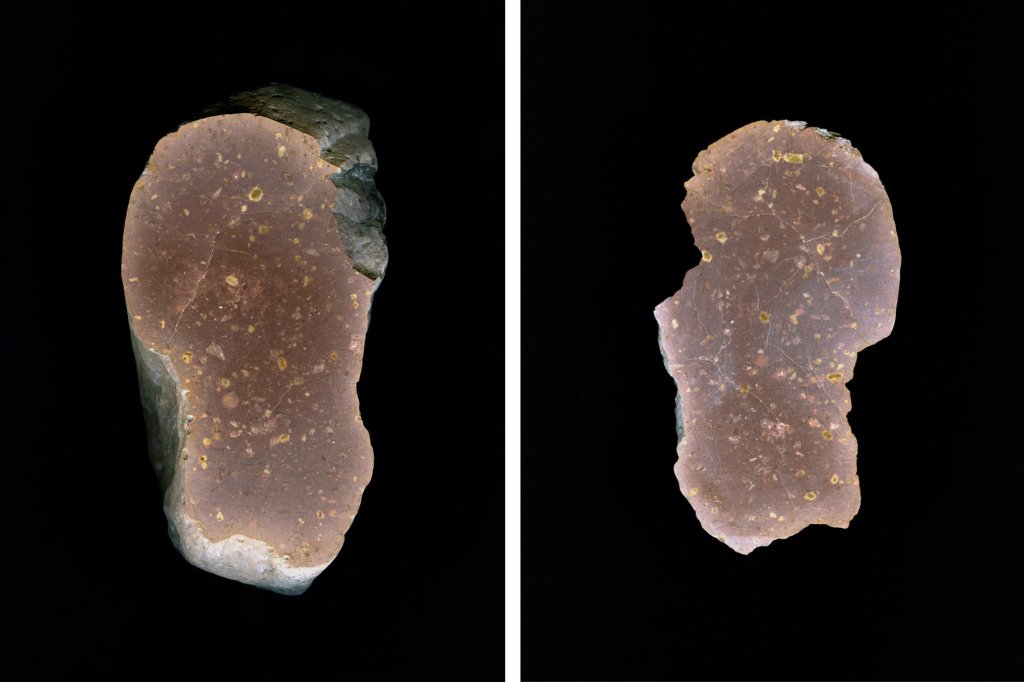
A stone object, for example a stone cut in half and polished, that you can hold in your hand, for me is about the tangibility and monumentality of the matter on one hand. On the other it is about its changeable and ungraspable appearence, as it changes according to the space and light situation.
For the same stone captured on a photograph, I choose the exact appearance that I want to communicate, fixated, alocated from the surrounding on a black background and therefore lacking any sense of scale. The photograph speaks about the universal, cosmical, maybe offers less space for personal interpretation. On the contrary a video for me is much more about the feeling of not having controle, of flow and fleetingness and hovering. All mediums express a facet of a theme, how I experience and navigate through the world. Looking for grip versus letting go, moving versus stopping and holding on to.

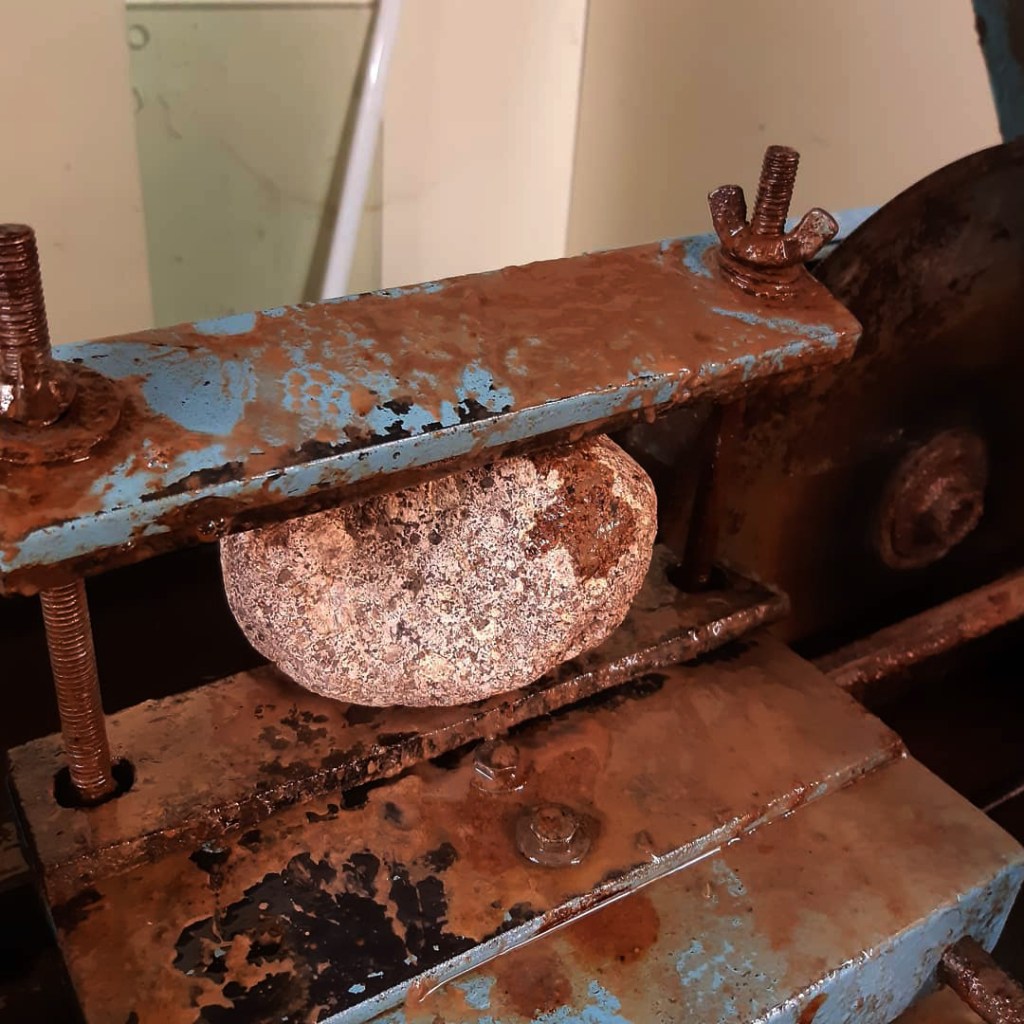
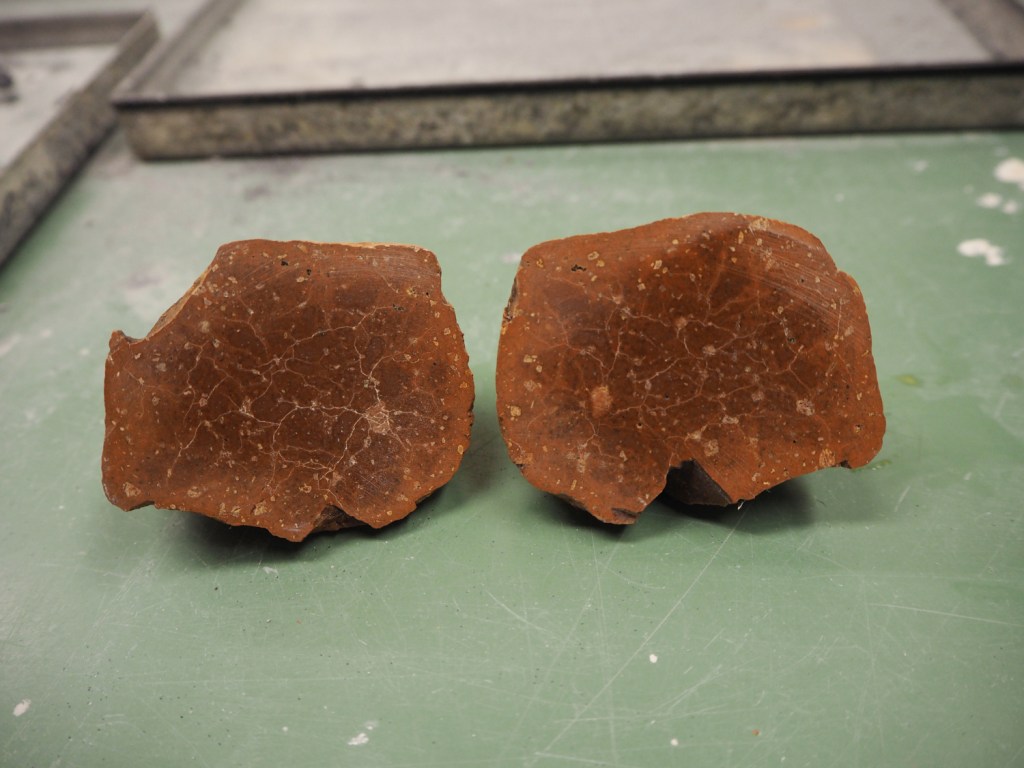
– In your project descriptions, there is a recurring theme of exploring and reinterpreting spaces and landscapes. What draws you to this theme, and how do you approach the transformation of ordinary spaces into art?
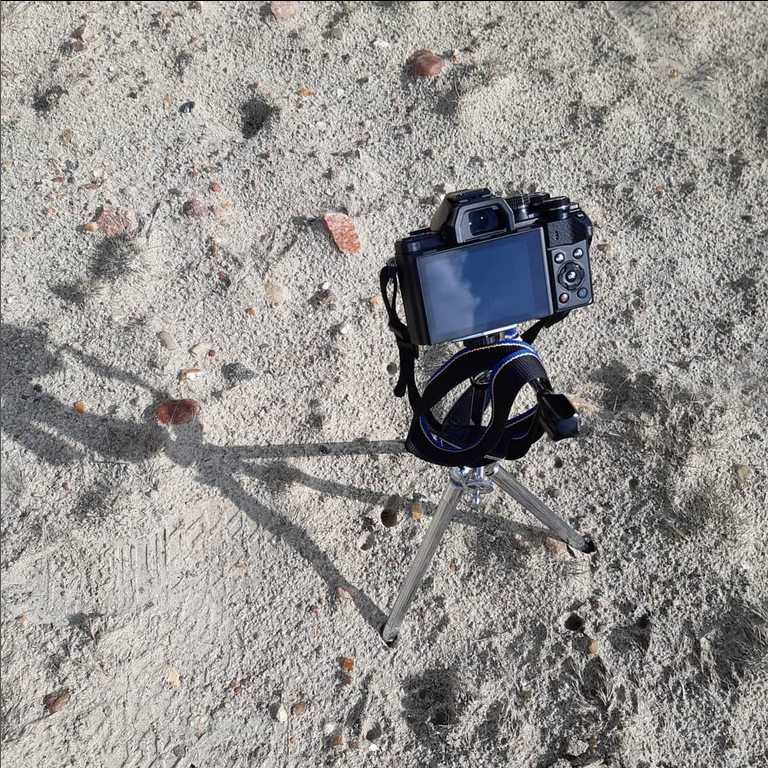
In the art scene, for a big part there is an assignment of art to certain spaces, which is very understandable, if you really want to focus on the visibility of the art object. But it also means positioning art into isolation. I think the threshold to enter a space assigned to art is linked to a mental threshold of people thinking ‘As soon as I enter, I am asked to understand this or that’, what the artist wants to say. I more and more feel the need to transcend this threshold in different ways. One is by challenging the border that we draw between nature and culture. Does it really exist or did we invent it as a concept? I feel the need that we as humans start to feel part of nature again, instead of something seperate, in order to feel responsible and care for it.
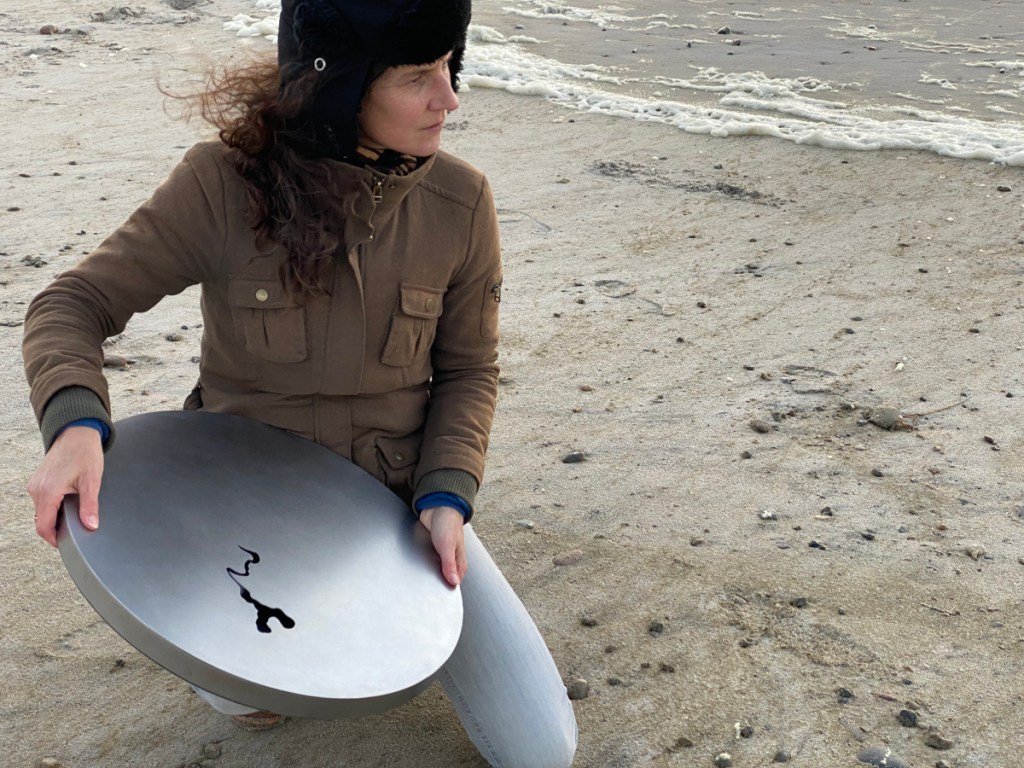
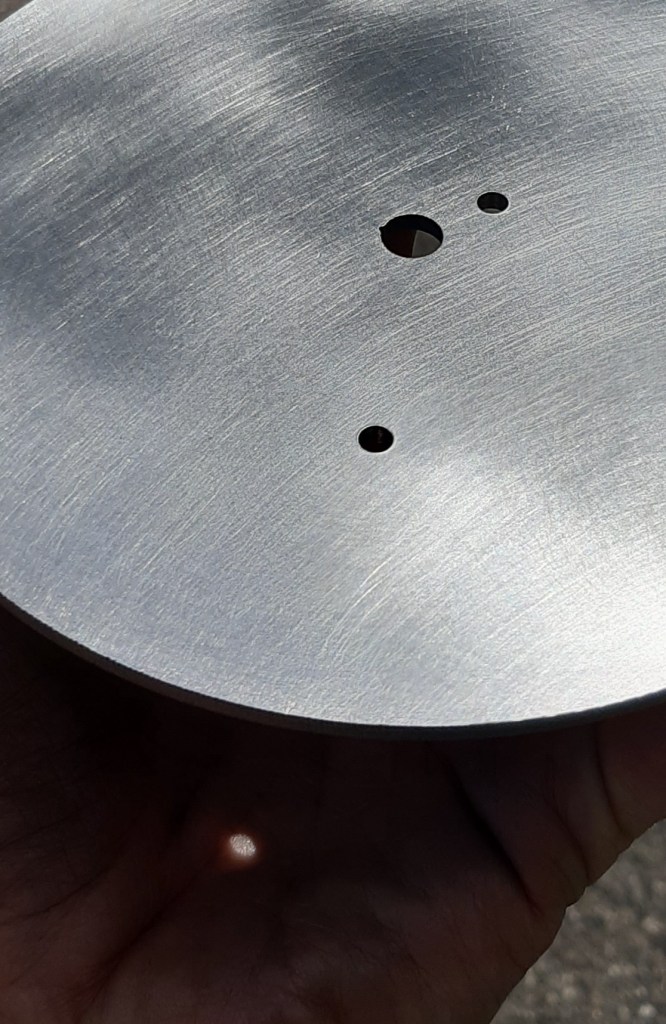
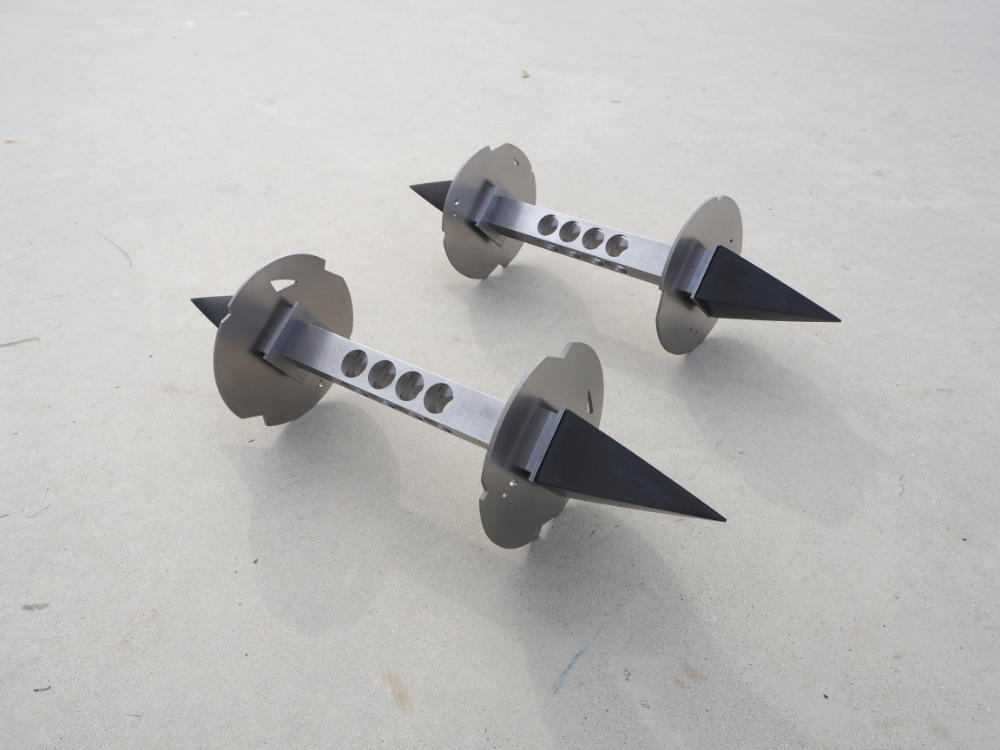
Speaking about exhibiting my project Turnstone, I tried to interweave the landscape with the artspaces, by bringing rocks, the wild, into the exhibition space. There were visitors, who came because they were attracted by the stones, people who gave or showed me their own stones. So together with the rocks they ‘rolled’ into the ‘art world’. On the other hand I also brought art objects into the landscape. I played the erratic drums on the beach, where the sound of the instruments, that were filled with tiny pebbles from the beach, merged with the sound of the breakers. The sky mirrored in the metallic surface of the drums. It was an all-encompassing experience of connection.
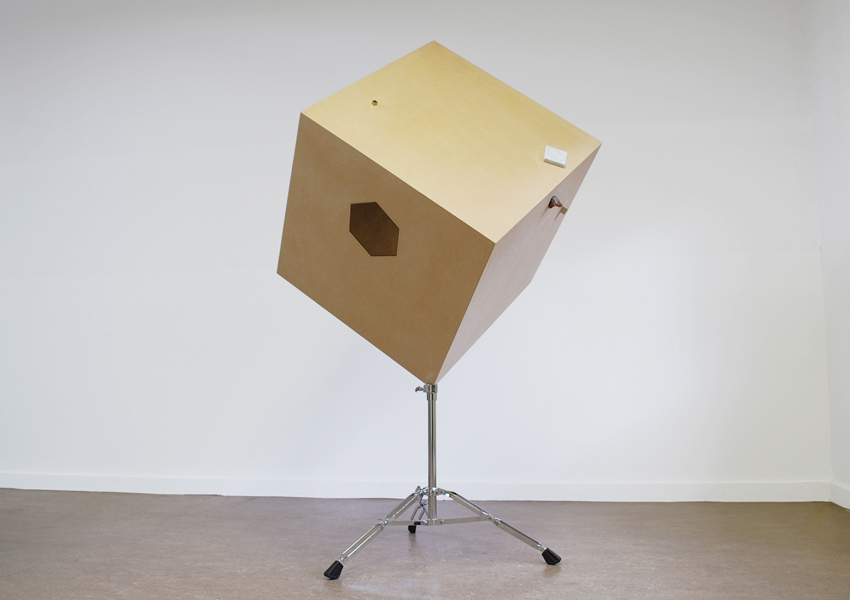

– Collaboration appears to be an integral part of your practice, as shown in several multidisciplinary projects. Could you share how these collaborations come about and what you believe they bring to your artistic vision?
Less and less I believe in an artist as an individual inventor or maker. Is not every act of creativity an expression of something universal, of the same source or whole, or whatever you may call it? And we are all shaped by our environment, experiences and people around us, which means, that the ‘Zeitgeist’ is running through our veins and brains. This all makes that we do what we do, create what we create, think what we think. We tend to say that ideas and inspiration ‘come’ to us. And this is how I experience it. I do not actively invent or develop a piece of art, all I have to do is wait and see that it comes to me, that something speaks through me. So in a certain way I prefer to see every artwork as a collective piece. And the more I realize that, the more I enjoy to actively search for collaborations. With craftsmen or thinkers who have highly developed skills or knowledge, or people who give their face to my work as performers, all of which leaves me in a state of wonder and surprise.


– What do you think is the primary idea or goal of art in general? If there is a specific goal, what would it be?
It’s a huge question, and one answer might be, that art opens doors. It can open our perception, imagination, a broader thinking and understanding, compassion….
The making of art for me is a way of exploring and discovering the world, certain aspects that strike me but maybe even more the interconnectedness of everything.
Art for me also is about sharing. I hope that by pointing towards the magic that we easily get accustomed to, I am able to unveil facets of the known, trigger the imagination, open possible worlds, question the border between reality and fiction, ‘speak’ of things there are no words for yet. By sharing this I hope to show the value of the earth, of life and living, thus giving back something in reciprocity for taking and using resources.
I try to address different senses with my work. For example touch and sound become more and more important, as they reach us very directly and emotionally. In a way I want to mute the logical mind, that easily overrules in our daily life, and offer space for intuitive perception, unbiased awareness and pure sensation. I think that via opening up, art can also be a way to connect, with each other and with the world around us.
ARTIST OF THE MONTH
PAI32 EDITION’24
 PAI_32 platform