
↑ Green Skin / Crevice, Installation View, Solo Show at Boderline Art Space, Curated by Cristina Moraru, Photos Robert Bouariu. Single channel video, stereo sound / Metal structures / Digital print on textile / Gravel.
Lera Kelemen’s installation practice masterfully integrates post-humanism, femininity, hybridity, and technology, challenging traditional narratives of inhabitation. Her choice of diverse materials and her emphasis on dynamic surfaces and textures serve as mediums for embodiment, enhancing the multisensory experience she crafts through her art. This added dimension supports Kelemen’s work in traditional and digital media, where her themes often revolve around the human experience and the natural world, creating immersive environments that delve into memory, identity, and interaction with both urban and natural landscapes. Her unique blend showcases not only her technical prowess but also her ability to convey complex emotional and conceptual narratives through art.
Lera Kelemen website and instagram.
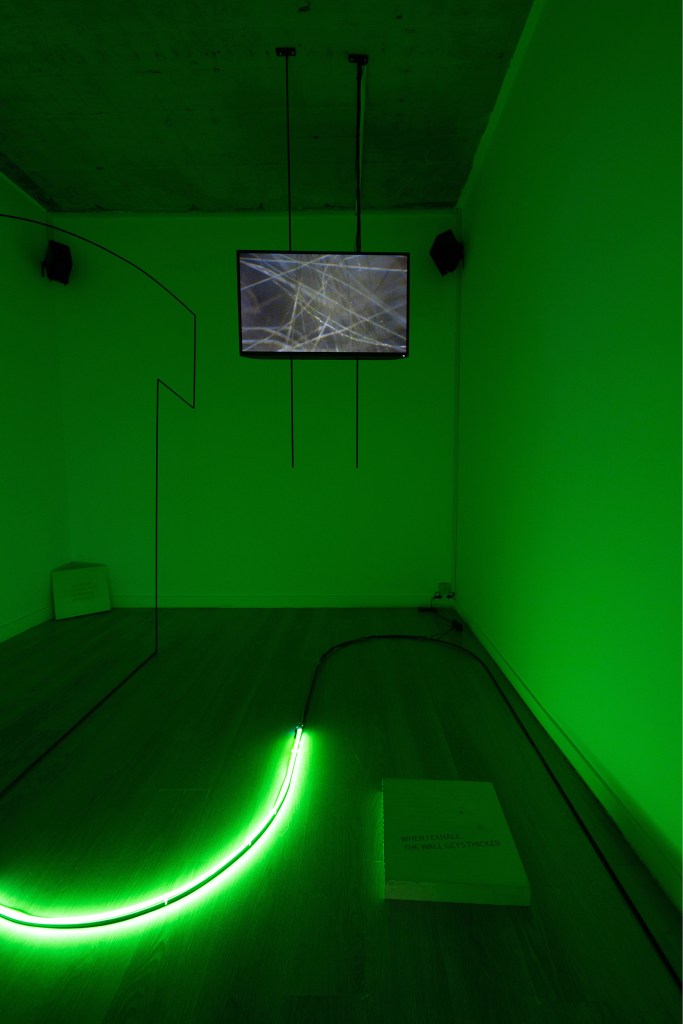
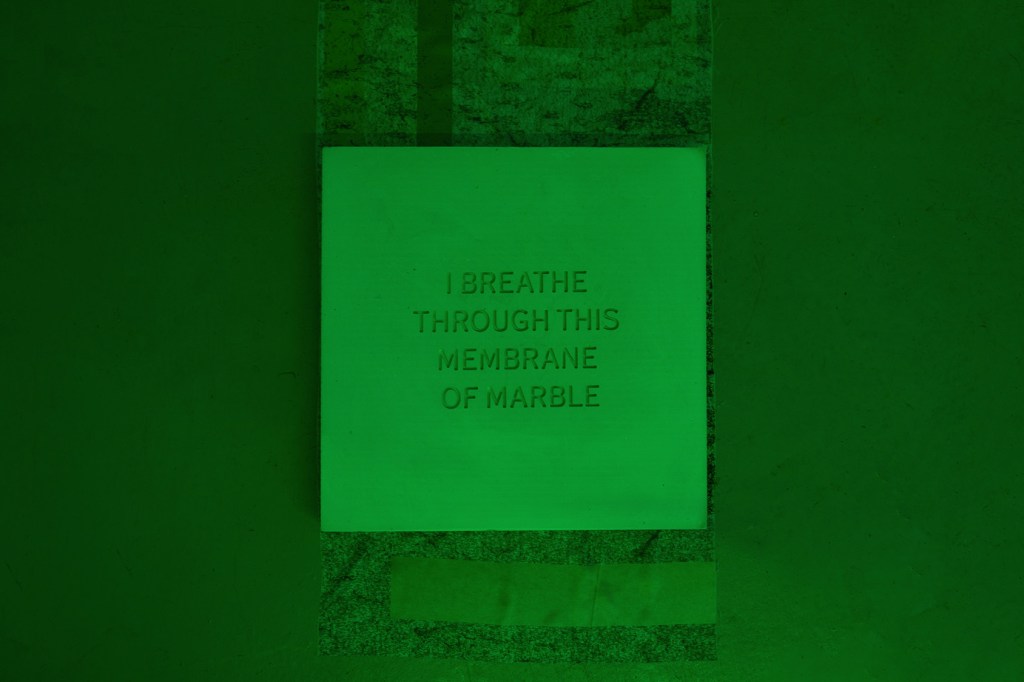

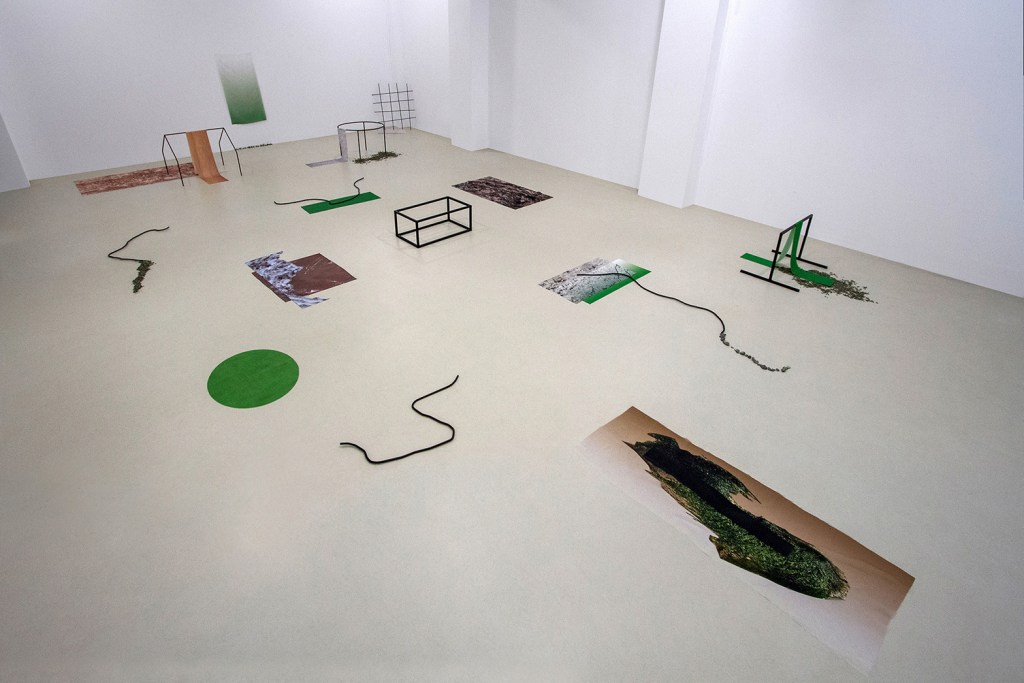
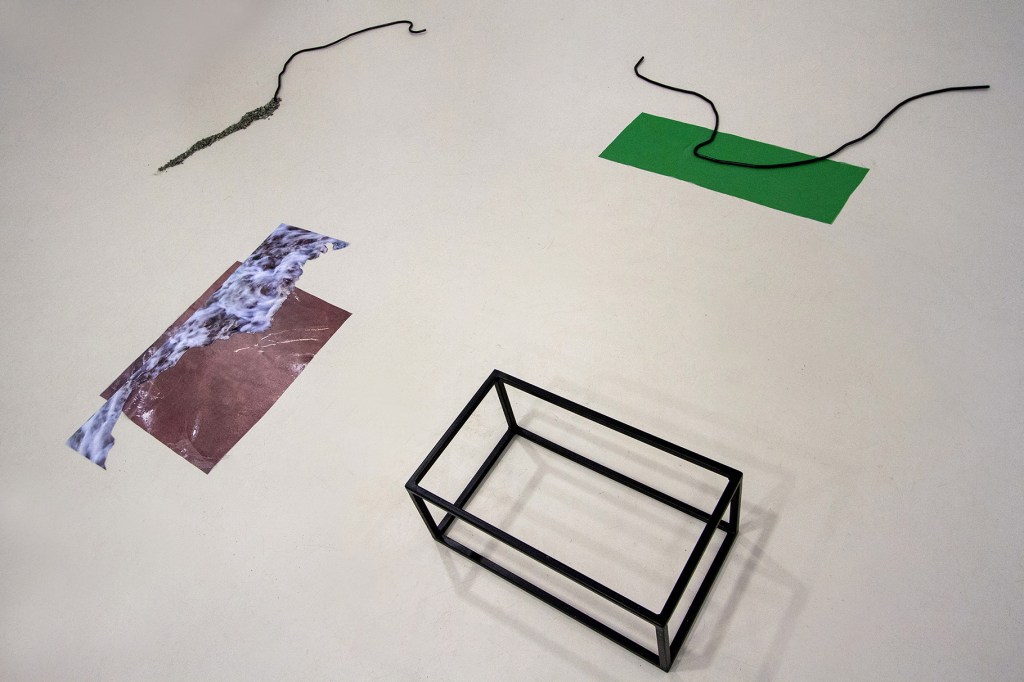
↑ Green Skin / Crevice, Installation View, Solo Show at Boderline Art Space, Curated by Cristina Moraru, Photos Robert Bouariu. Single channel video, stereo sound / Metal structures / Digital print on textile / Gravel
– Your projects often explore complex themes. Could you explain the main themes in your art practice and the message you convey through it?
Although I have always worked conceptually, I don’t like to set rigid frames, so most of the environments I create are open-source. They’re conceptual frames or spatial proposals that can be inhabited, looked at and traversed in many ways. In terms of themes, there are some keywords that have floated around in my head for many years now. boundaries, confinements, spaces in-between, surface tension, soft marks, passage, engraving & embedding, affect, scars & trauma. Mostly in relation to body & space.
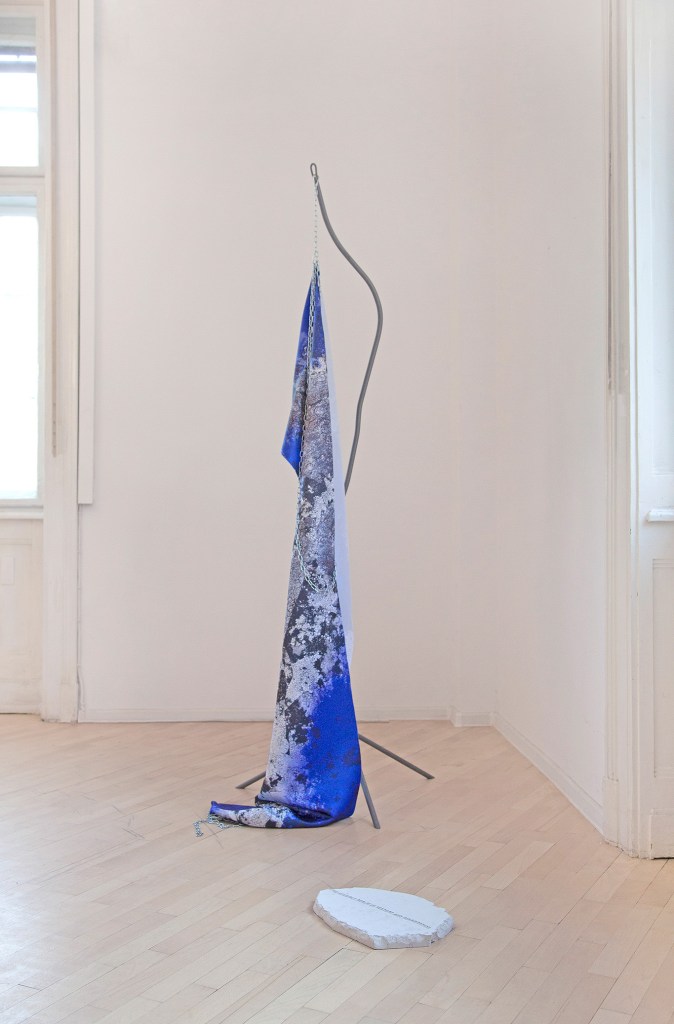
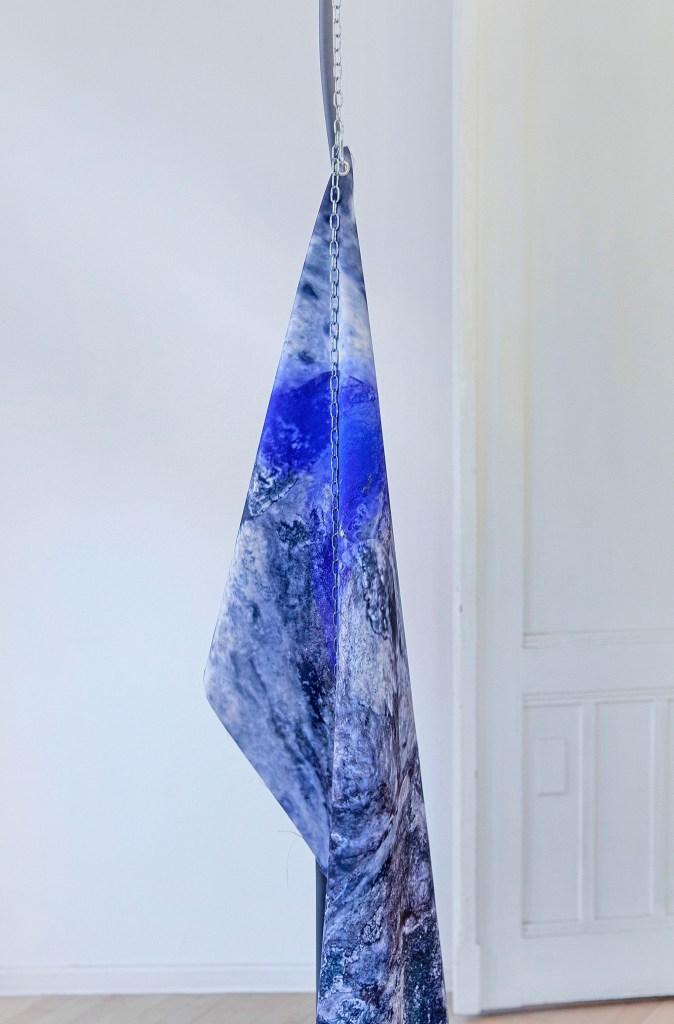
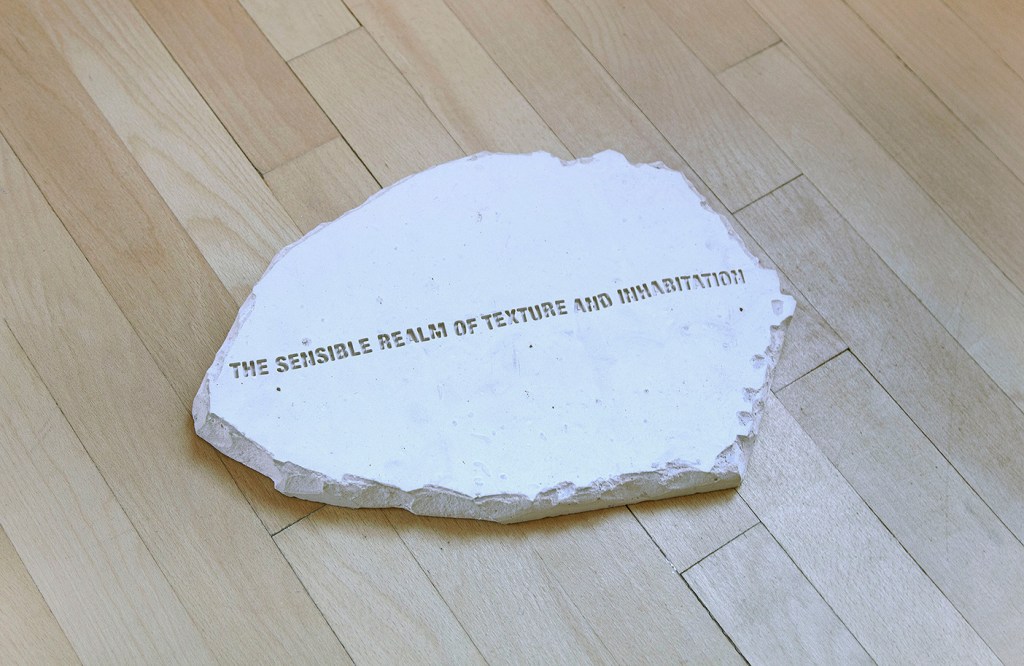
↑ Sensible Realm of Inhabitation, Installation View at Aici Acolo Pop-up Gallery, Photos by Aici Acolo
Sandblasted steel / Engraved plaster slabs / Digital print on textile / Chain
– What inspires your choice of themes for your works?
I don’t consciously choose a particular subject at the start of a project. As I mentioned earlier, I’m more interested in suggesting than explaining. For that reason, many themes collide in my installations generating hybrid meanings. There are certain subjects that have stuck with me for a long time, certain observations about the world around me. I like the idea that we touch our surroundings simply by walking, inhabiting, existing, and I’m interested in this junction, in the mark we leave on the surface of our surrounding physical and metaphorical reality. I like to walk a lot, and I also like spending time in my room. In solitude, lots of things occur. Confinement produces this effect of zooming in on apparently insignificant setups. I also try to understand what happens to bodies when confined, to explore the thin line between feeling safe and feeling trapped. Extended to larger structures, this can be symbolic of oppressions suffered by women throughout history, or of the tangible limitations of living within a physical body.
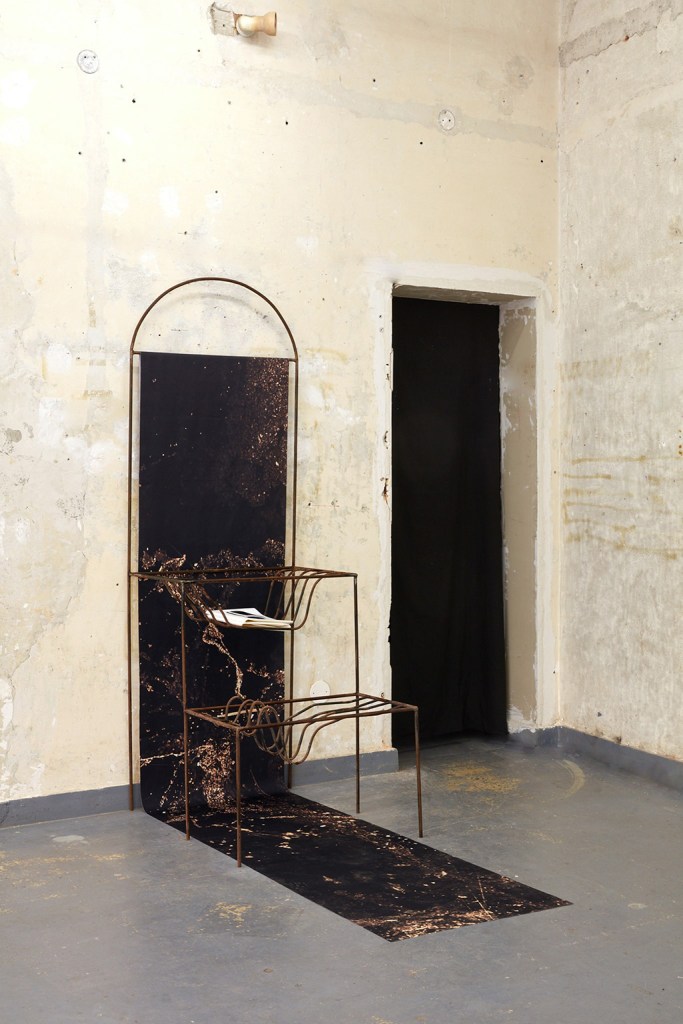
Uncanny Reading Station
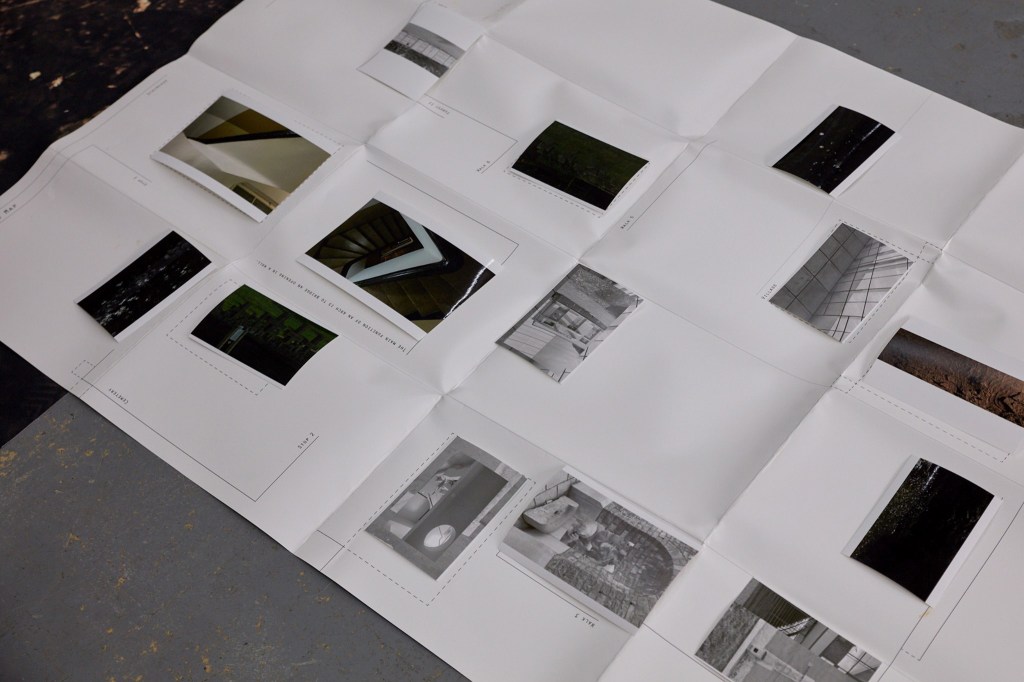
↑ Uncanny Reading Station, Installation View at Atelier 35, Photos Club Electroputere
Metal / Textile / Digital print / Photographs
– You often use a mix of media in your projects. How do you decide which materials and techniques to use for each piece?
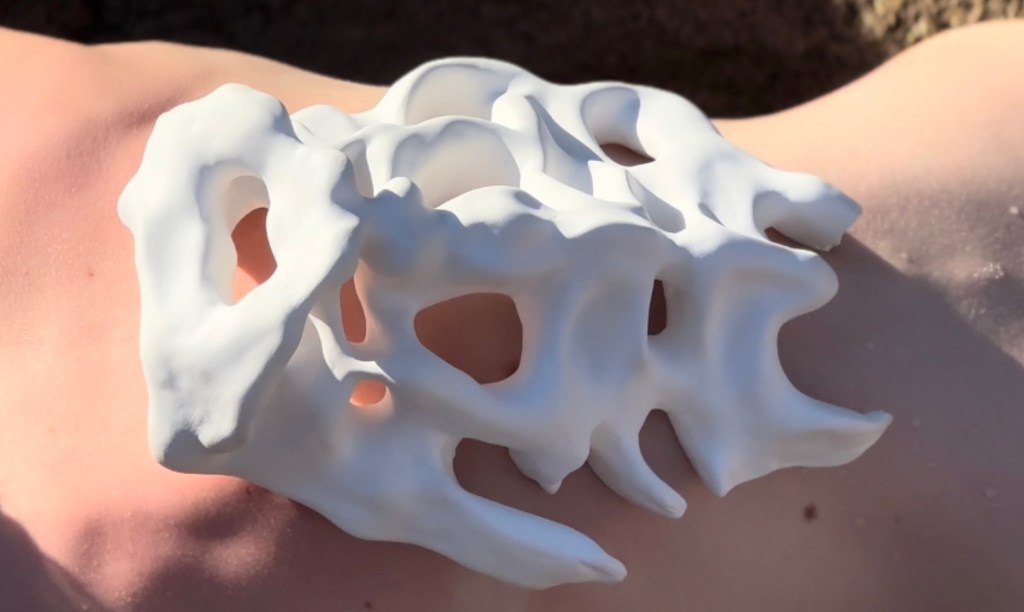
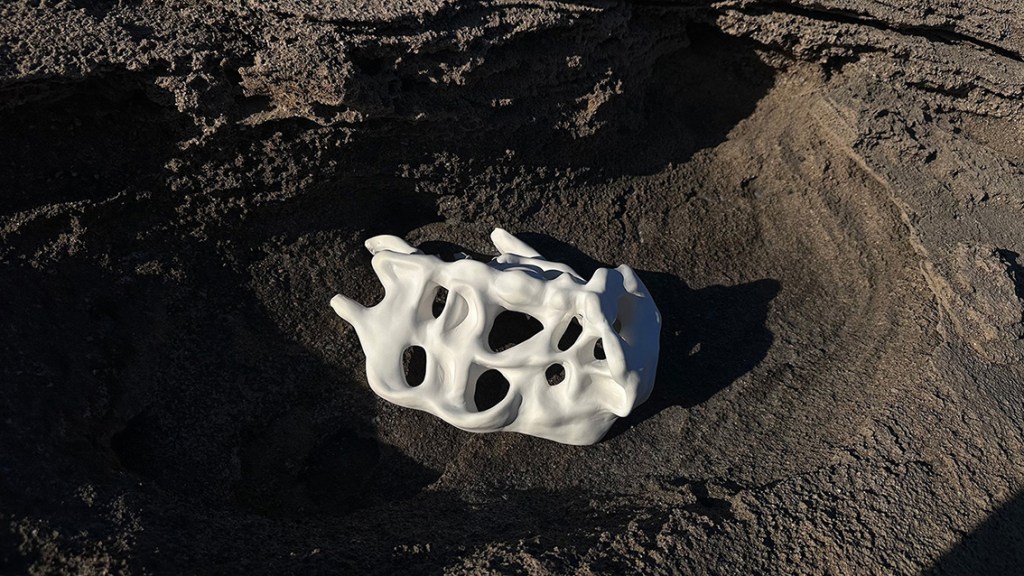
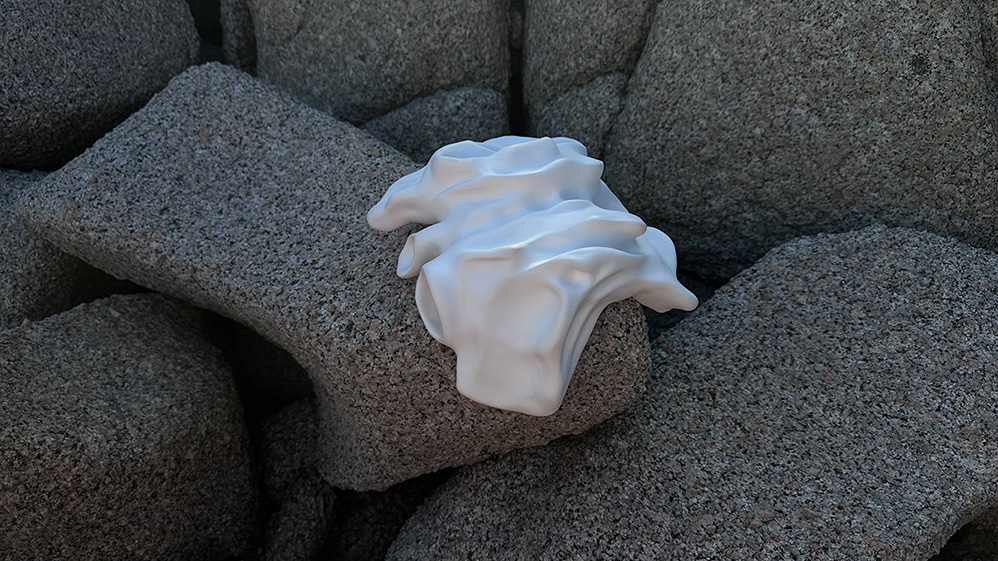
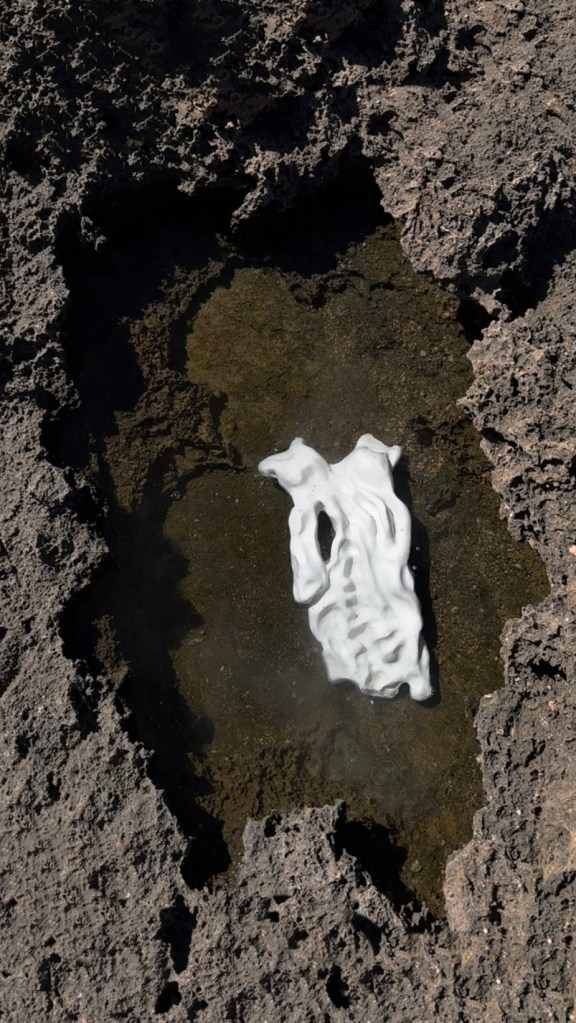
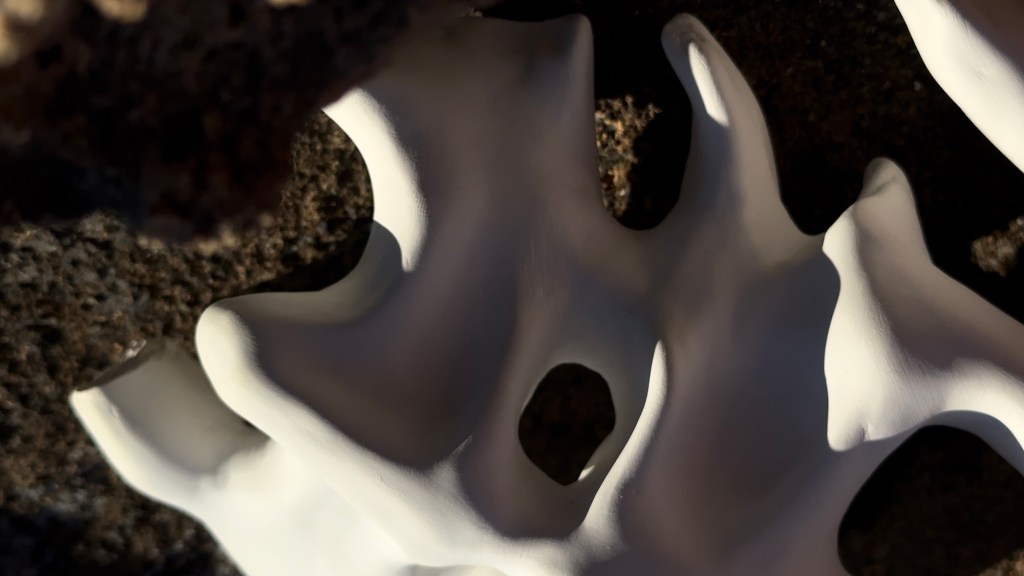
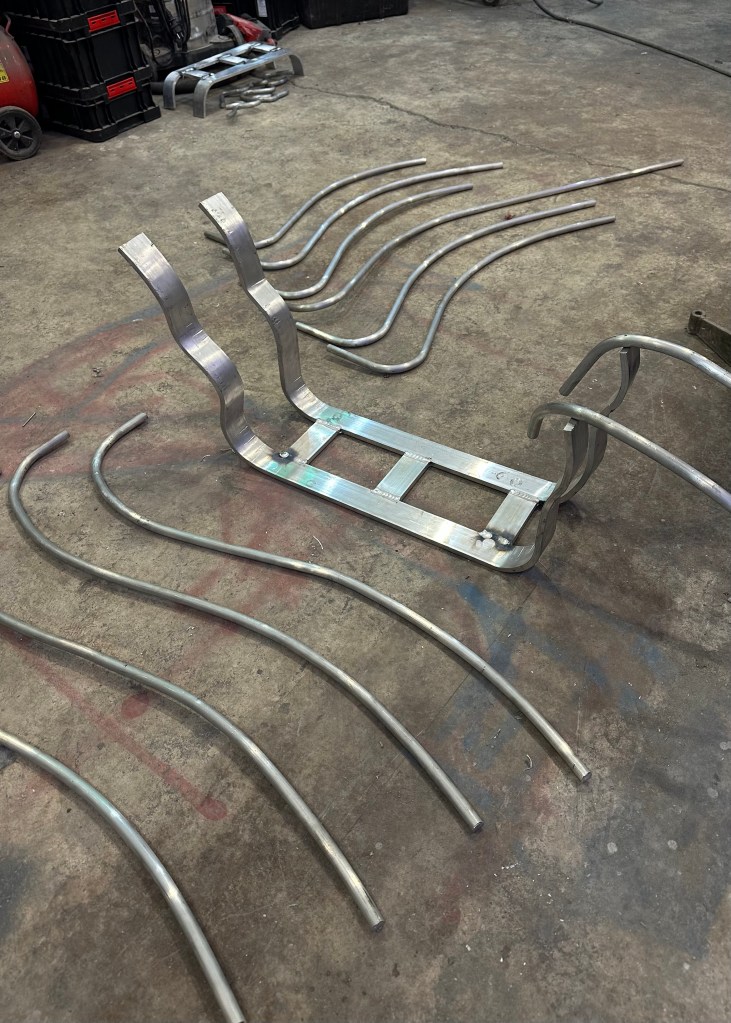
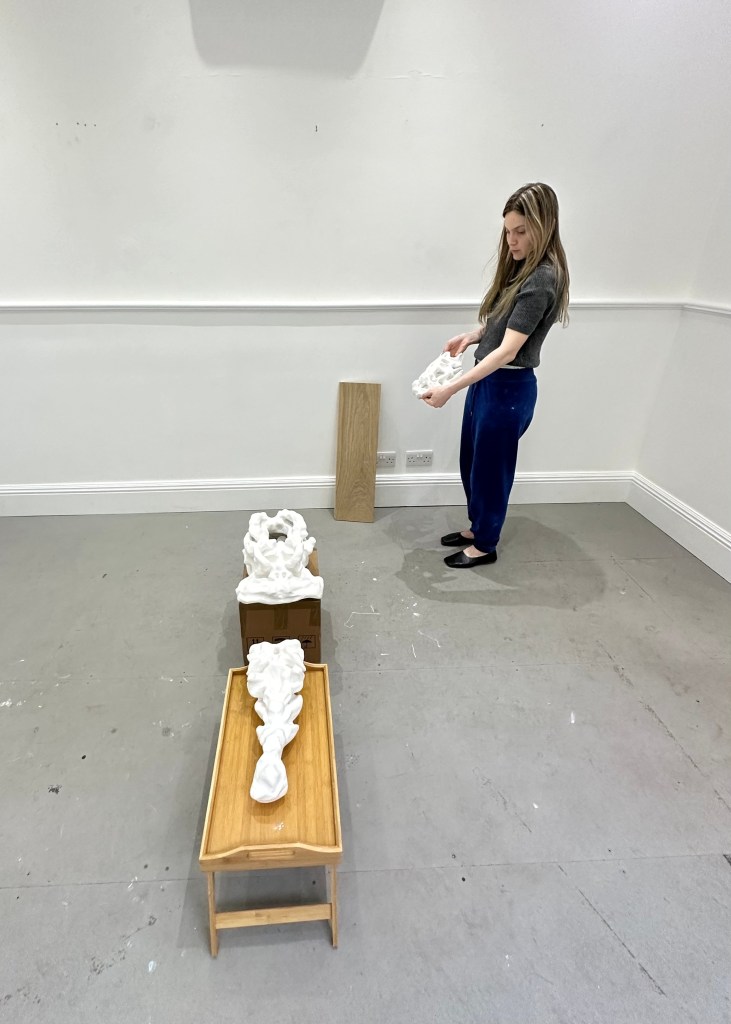
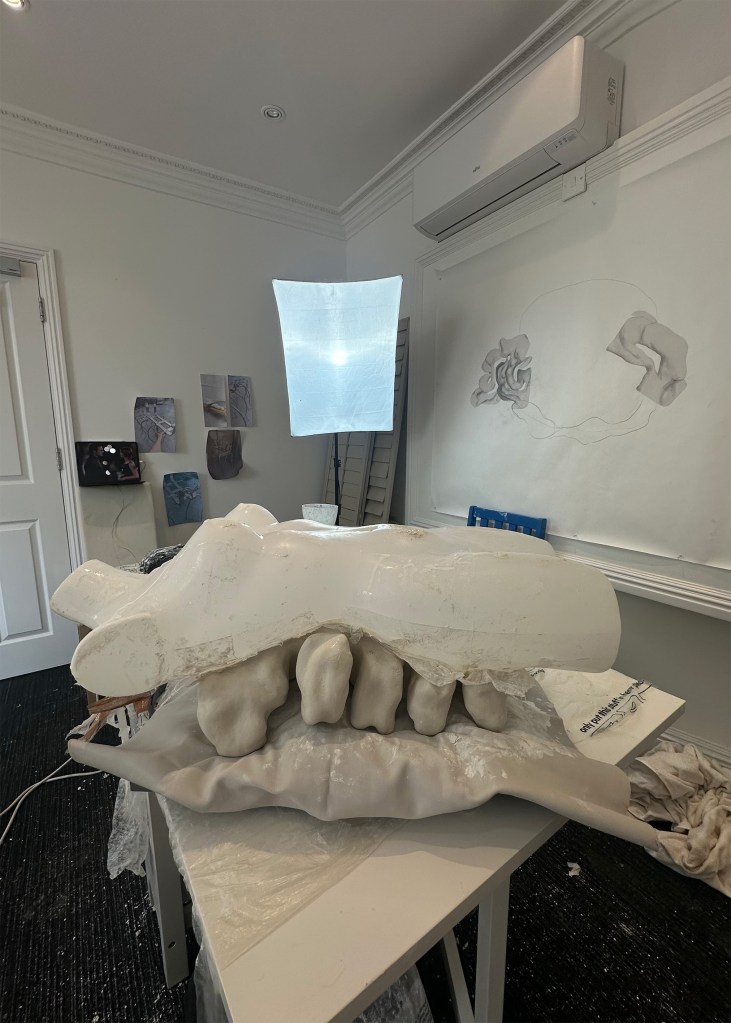
I do, and more so in the past 2 years. I used to work in a more “programmed” way, in the sense that I made most of the decisions about my installations before actually starting to implement them physically. This was an interesting process at the time as it translated into the idea of spatial alienation. My self, as a physical body, was more detached in these works. Upon completion, I often felt like a visitor in a hypothetical, dream chamber of my own making. There is also a very strong digital component to my work, many of these spaces started as digital sketches which later materialised. I now use a lot more of my body in my works. My new sculptures, corporeus thirsty, are worked primarily by applying body pressure to a soft material — clay. Although it becomes solid, I see clay as a soft material, the same as silicone, resin, fabric, and even time-based media. In my process, these media host the poetic dimension — the matter where I manifest sensitivity. Metal plays a big part in my “material” world. I love metal because it’s trustworthy — it’s hard, it’s the support that these soft players need: the confined structure, the carrier, the cage, the restriction, the safety net. Metal holds softness in a suspended state. The combination of materials and textures in this sense enhances the interplay between movement, release, free falling, and restriction. I also like the idea that most buildings have metal wiring in their structure, mostly invisible, so metal becomes a sort of quintessential matter for inhabitation.
– What are some of the most significant challenges you face when bringing a project from concept to reality, especially when working with unconventional materials?
Not necessarily difficult, but an interesting part of the process is understanding the voice of the material. When I work in clay, there’s a sort of listening on my behalf, seeing where the material takes me. Rather than having a fixed model in mind, I carry out gestures that slowly bring out and fix into existence this new body. I lately enjoy incorporating and reinterpreting found objects that carry their own stories. I am currently working on a triptych piece made of found window shutters, altering their surfaces through pyrography. During this process I inhale a lot of smoke looking closely at this surface that gets permanently altered, and I like the fact that my body gets to suffer a little bit in return, almost like the surface protests. We tease each other.
Another piece that I’m working on incorporates pieces of my hair from childhood, which requires a lot of care and attention.
Scale is sometimes challenging for me.
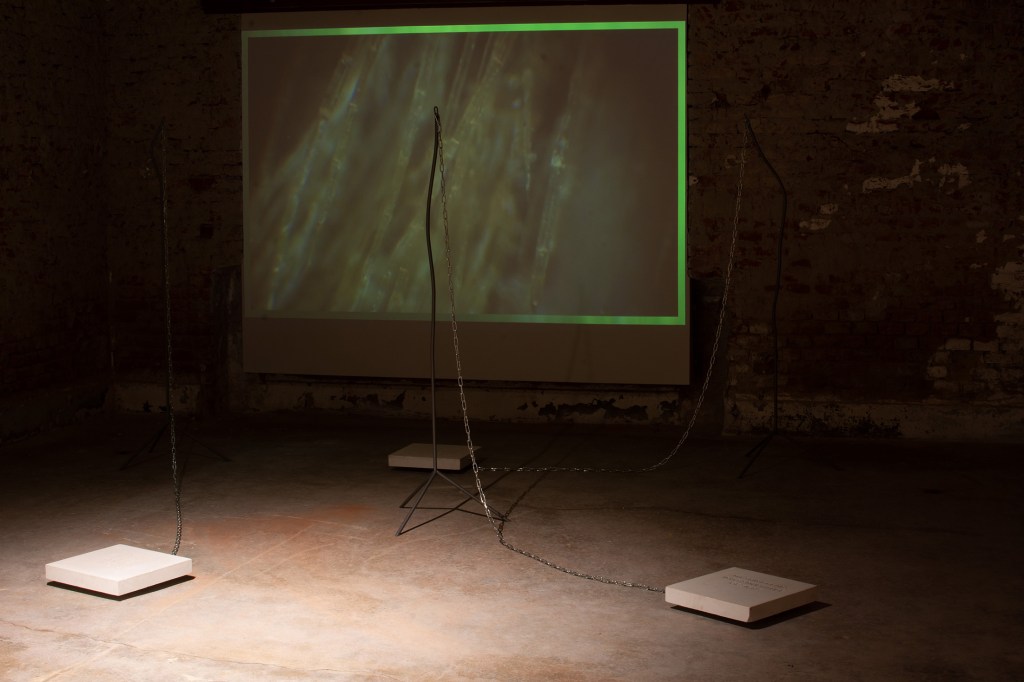
↑ Absent Without Official Leave, Group Show curated by Horatiu Lipot, Cazarma U Sculpture Sculpture, Photos by Andrei Arion
Metal / Plaster / Chain / Video / Sound
– Looking ahead, are there new themes or technologies you are excited to explore in your future projects?
Definitely, there are still many tools and devices that I want to add to my studio environment. And I want to delve deeper into transforming the ephemeral into physical and vice versa.
– What do you think is the primary idea or goal of art in general? If there is a specific goal, what would it be?
Big question (:
I prefer not to think about it like that. It’s difficult in the capitalist landscape to find a cosy space, let alone a “purpose”, for objects of affect, or for speculative storytelling. Maybe art’s role is to add texture to the world.

ARTIST OF THE MONTH
PAI32 EDITION’24
 PAI_32 platform