
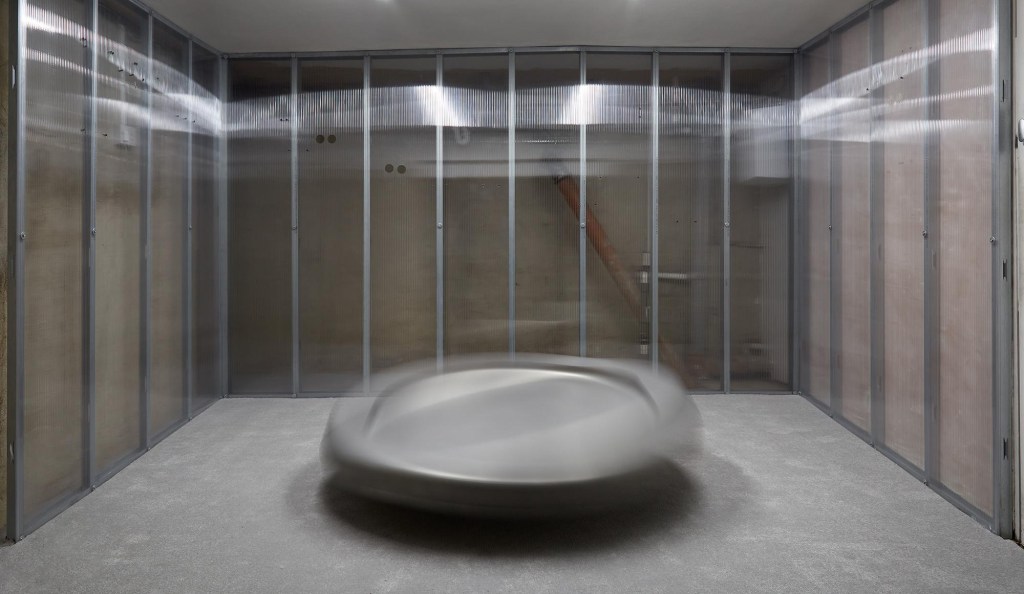
Hidden in the basement of Sydenham’s wine bar ‘161 Kirkdale’, Piccalilli has quickly established itself as a vibrant hub for supporting emerging and underrepresented artists. Founded in 2022 by Steven Gee and Corey Bartle-Sanderson and currently run by Steven Gee, this South London gallery is reimagining how art is conceived, created, and shared.

Branching from the IKO collective, established in 2017, Piccalilli operates as a true laboratory for fresh voices and experimental ideas. Here, artists are encouraged to research, explore, and bring ambitious projects to life, transforming the gallery into a space of continual evolution and creative energy.
Piccalilli website


Piccalilli’s curatorial process is refreshingly open and flexible, embracing a range of approaches for discovering new talent. “The way we find artists to work with is quite fluid,” says Gee. “Some are artists I know personally or whose work I’ve known for years, while others I might discover through an exhibition or on Instagram.” A recent exhibition by Charlie Osborne exemplifies this openness; Osborne contacted Piccalilli directly, proposing an idea that later became her project “Finding Melody: Part 1.” This exhibition reimagines folk symbols to create an interactive “apparatus of invitational play,” drawing viewers into a playful engagement with her work. This openness to diverse entry points ensures that Piccalilli’s programme is always dynamic and inclusive, shaped by both enduring relationships and new discoveries.
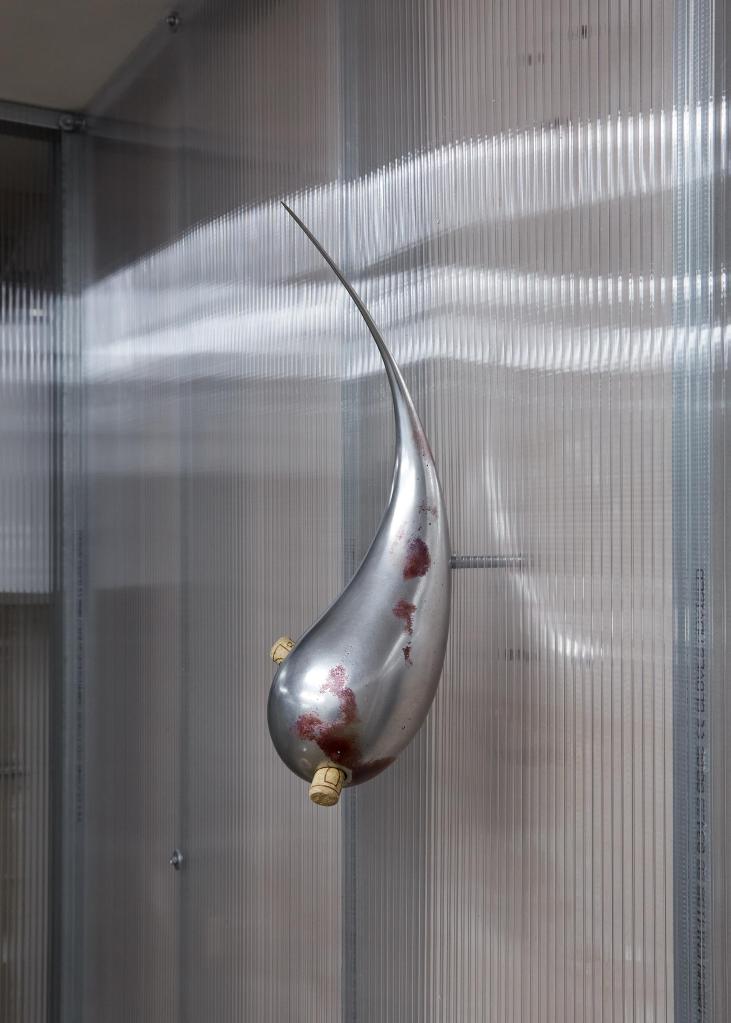

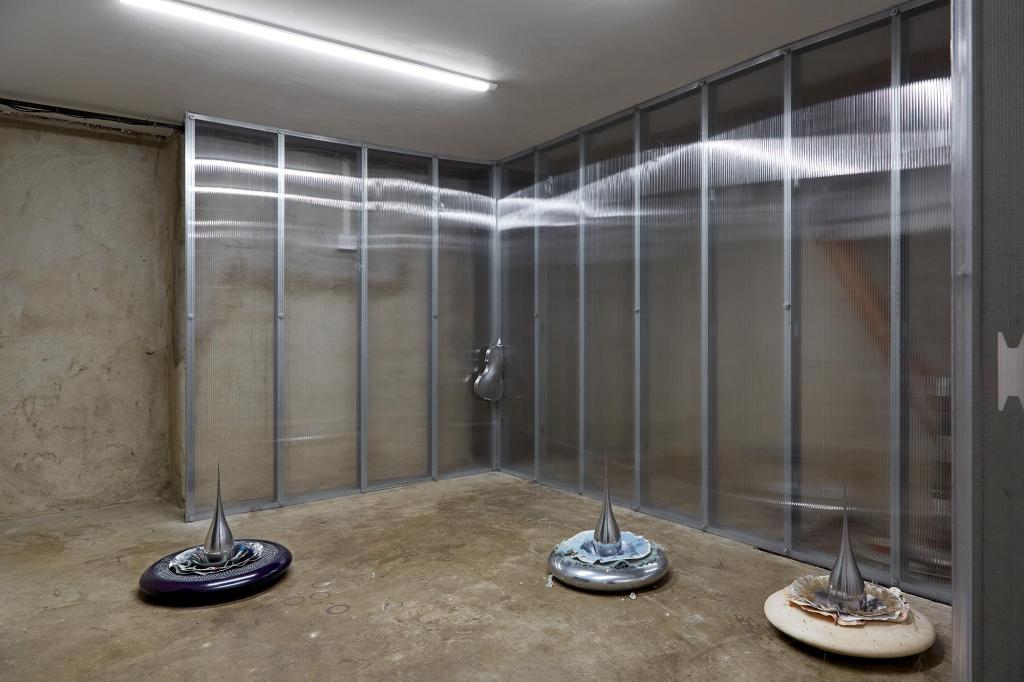

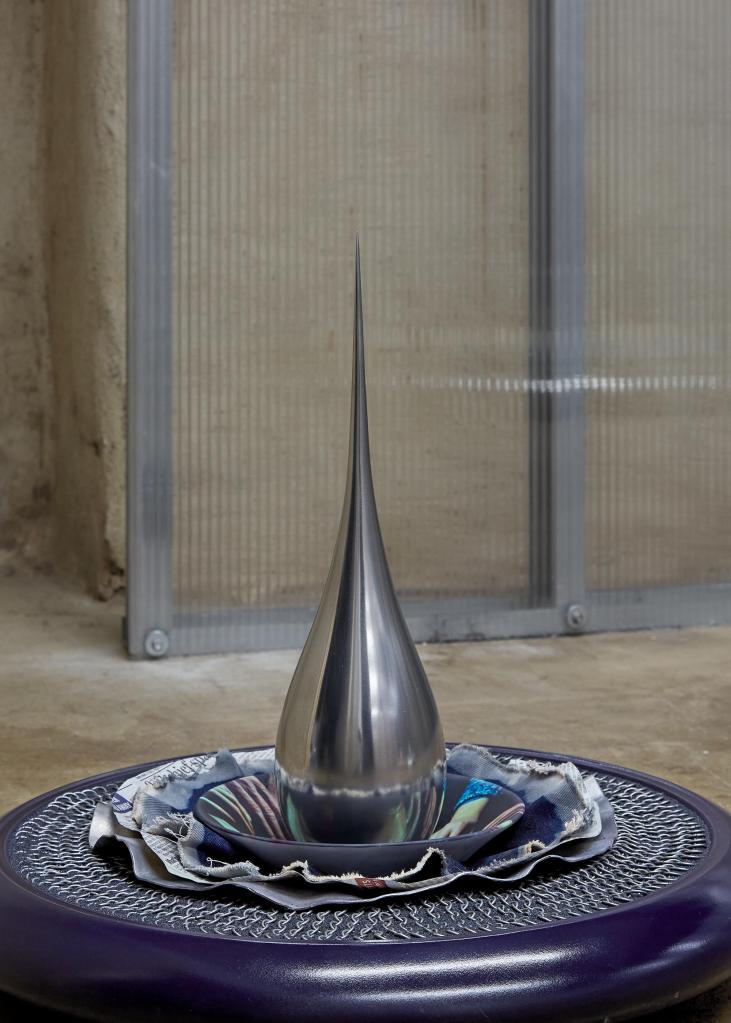
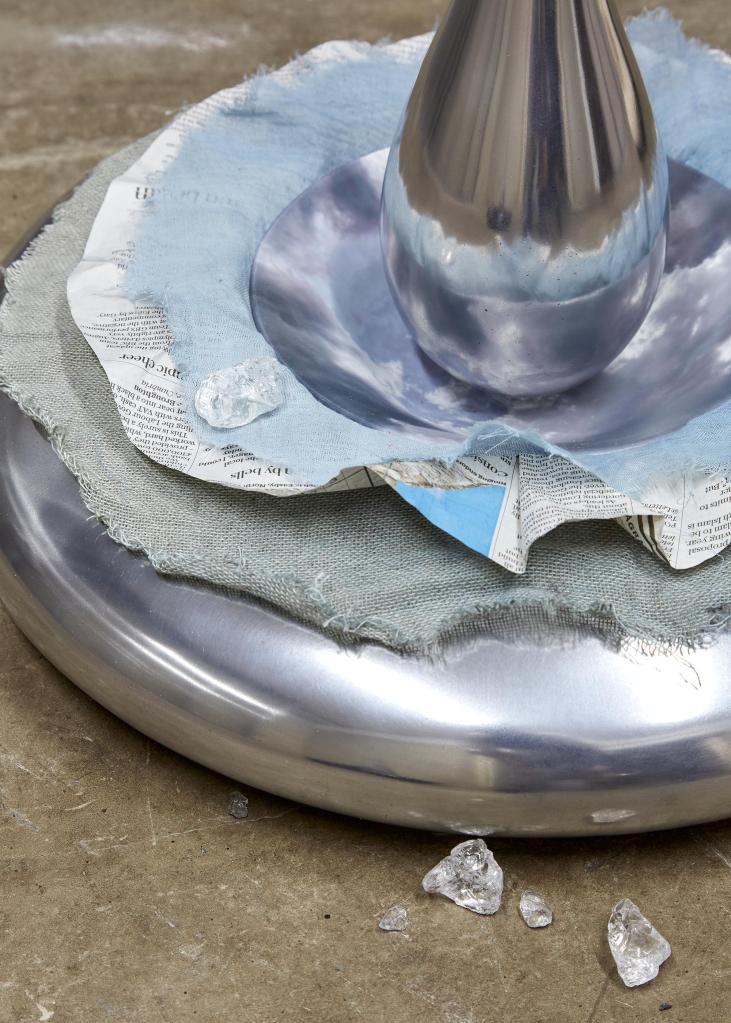

↑ Richard Dean Hughes’ “Spherical Sadness” (2024): Richard presents a new body of sculptures and wall based works, using a broad array of material and processes, each combined and collided to conjure specific ideas of place and time. Hughes is interested in the allure of the past and the idea of regression, through repeated motifs which are central to his practice he allows us to witness some kind of time travel; a frustrated relationship between then and now. In Spherical sadness, Hughes draws on the language of material to continue his pursuit of duality. Encouraging a heightened sense of awareness; he uses texture and temperature to allude to both earthly and spiritual places, both familiar and distant. Presenting the profound in a reductive and macro state. Within the show both physical and meta physical components are placed together, by doing this Hughes is trying to comment on the symbiotic and parallel nature of the physical and spiritual world. For Hughes, nothing is singular and nothing is without history or consequence. Drops of solid metal, drawn from the earth, cause and react with layers of material, each assemblage a kin to a different place and time. Personal to the artist or universal to us all, the images within the exhibition are used as a kind of portal; the material being drawn into the centre of each sculpture, thus narrating the image or the image giving context to the material, both falling out and in of the work. The idea of inbetween-ness is important to Hughes’s practice and is evident within the exhibition. The reflective surface blurring and morphing with the very particular architecture of the gallery space, with a sense of morphing states whereby the work is being made or to be demonstrating some kind of plausible functionality. Drawing on his own interest in History, Hughes manipulates objects conjured from a romantic sense of the past. A violin, strings cut, body severed and placed isolated in the corner of the space reflect on the demise of the human state, an anxious age with regular devastation and crisis. The title of the exhibition itself suggestive of a globe, a race, unhappy and spinning repeatedly into crisis. Time is used as material, the work seems to theoretically and conceptually slice up the time-based elements of the objects and symbols present within the space, there arrangements and assemblages working to stitch them back together; extract meaning and tell a new story.

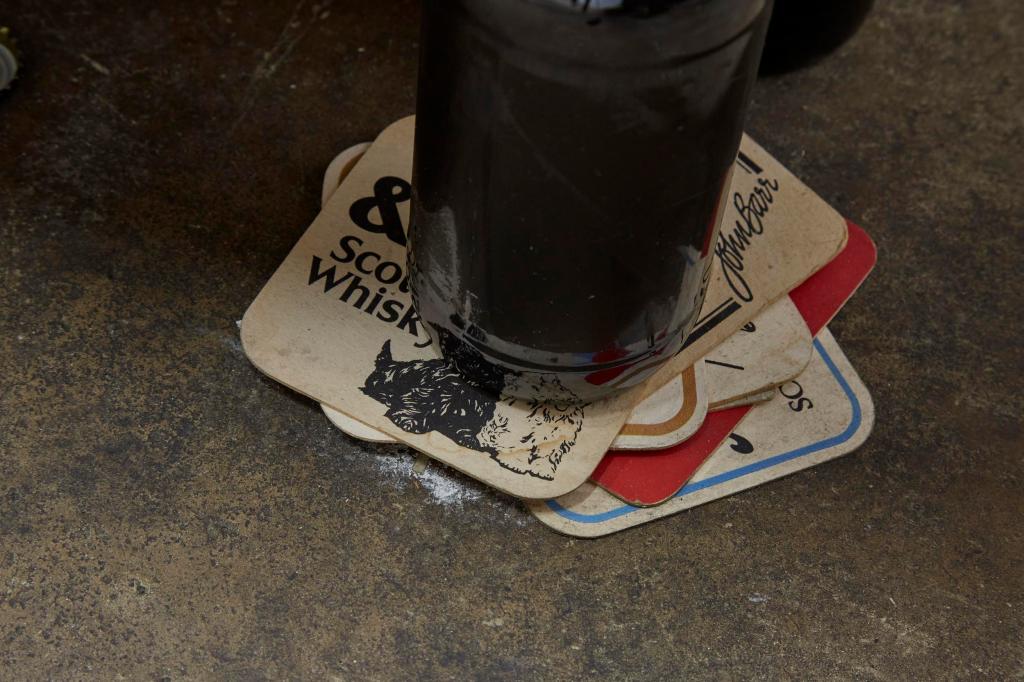
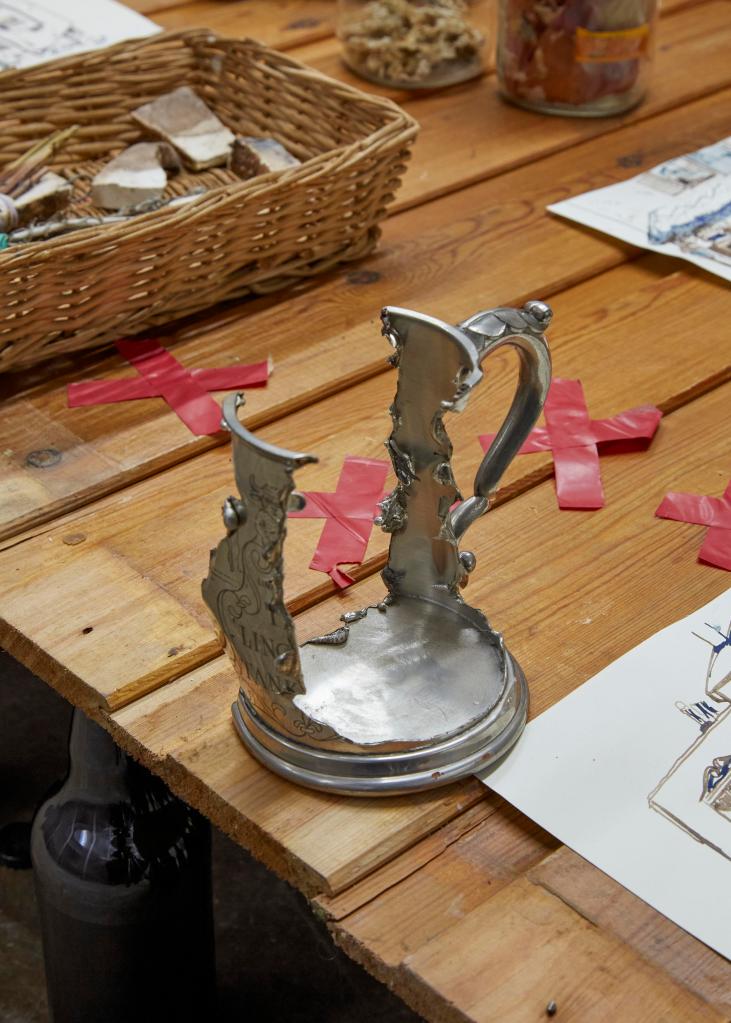

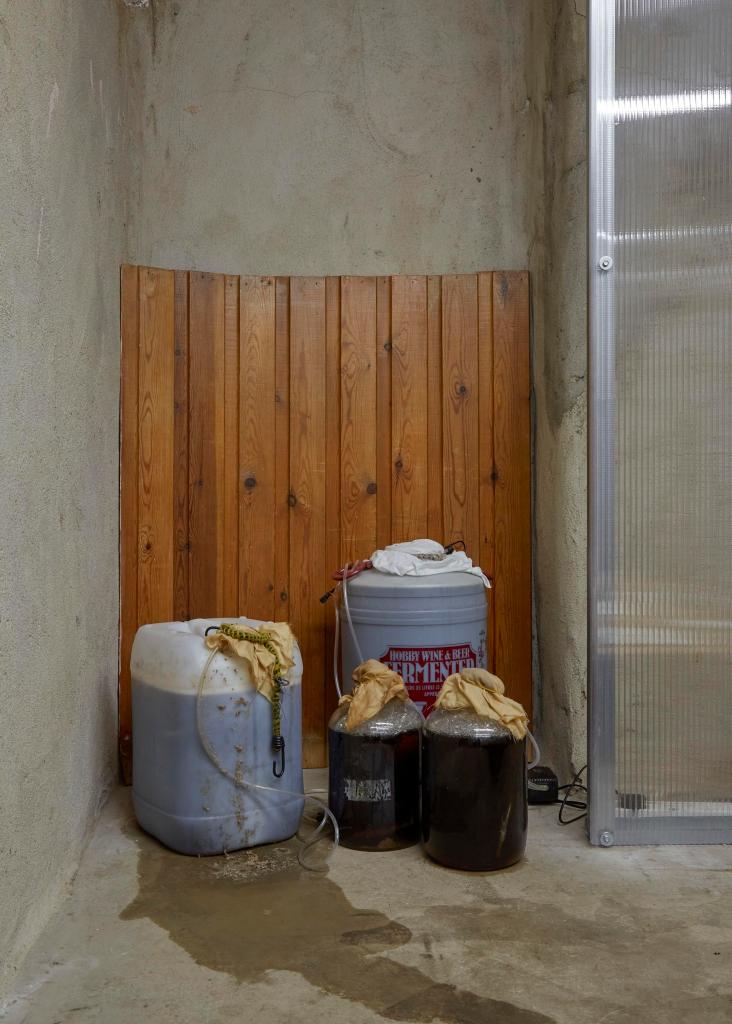


↑ Sean Roy Parker’s “Man of Kent”: The artist presents an installation of his first ever ink drawings, depicting found images and half-remembered tableaux of pubs he lived in and frequented as a child of a publican in the Medway town of Tonbridge. On the corex walls, three large drawings -in beetroot, coffee and walnut- are pinned in with foraged blackthorn. The homemade plant inks and makeshift felt-tips carved from birch polypore used to make them sit atop a low platform with items ranging from darts to jars of dried onion skins and pewter mugs that have been partially melted into casts of bottlecaps, lighters and car keys. The twelve small drawings in oak gall and leftover cyanotype inks, weighted down by the curios, are impressions of archival photographs found while scouring the Tonbridge section of http://www.doverkent.com. A collection of tongue-and-groove panels salvaged from an old school that make the platform are propped up by over one hundred brown glass beer bottles, with stacked vintage beermats compensating for the uneven concrete floor. The contents of the bottles, sixty litres of expired brown ale donated by a gallery in Nottingham, have been emptied into demijohns and brewing vessels sat in a recess. Each is equipped with a vinegar mother and an aquatic bubbler pumping constant oxygen in. Over the course of the exhibition, the beer will go through aerobic fermentation and develop a productive environment for acetobacteria to create a unique malt vinegar. This non-human collaboration renders a product unusable and illicit by consumer standards into a living probiotic seasoning for the home cook. The old pub cellar that Piccalilli now occupies is a fitting and familiar site of fermentation for both material lifecycle performances and emotional hardship derived from complex family dynamics. Parental divorce, bigoted socialisation and normalised alcoholism provided a backdrop for a strange and inconsistent upbringing created psychological blockages that through this installation the artist is trying to metabolise. Man of Kent Vinegar can be pre-ordered for collection from Piccalilli in May, with all proceeds going to World Central Kitchen, currently feeding Palestinians fleeing starvation.


↑ Manon van den Eeden’s “How It Spins”: An immersive, kinetic experience, this show challenged viewer perceptions, allowing audiences to lose themselves in a space that felt removed from traditional gallery confines. “Each exhibition is a carefully crafted environment, not just a display of pre-existing work.” Beyond this, Piccalilli supports artists in creating entirely new bodies of work, providing the resources and encouragement they need to bring ideas to life. Piccalilli stands out by prioritising collaboration and rejecting the sterile showroom model in favour of an artist-centred approach.
Each exhibition is a unique, curated environment designed to support experimental projects. This approach is made possible by the gallery’s “Artists Supporting Artists” philosophy.
Through an annual community-driven fundraiser, Piccalilli provides grants to cover essential costs such as logistics, production, and artist fees for each exhibition. Over 60 artists contribute work each year, with 100% of the proceeds going directly towards supporting the gallery’s six programmed exhibitions. This collective effort fosters an environment of creative freedom and risk-taking, empowering Piccalilli’s artists to push boundaries and explore new ideas.
For those tracking the pulse of contemporary art, Piccalilli Gallery represents an essential space where accessibility meets innovation and emerging voices find an engaged audience. To follow their latest exhibitions, join their mailing list or follow them on social media—Piccalilli is one art space not to be missed.
Piccalilli website
Image credits: Photographs are courtesy of the artists and Piccalilli, London. Photos are taken by Corey Bartle-Sanderson.
 PAI_32 platform