
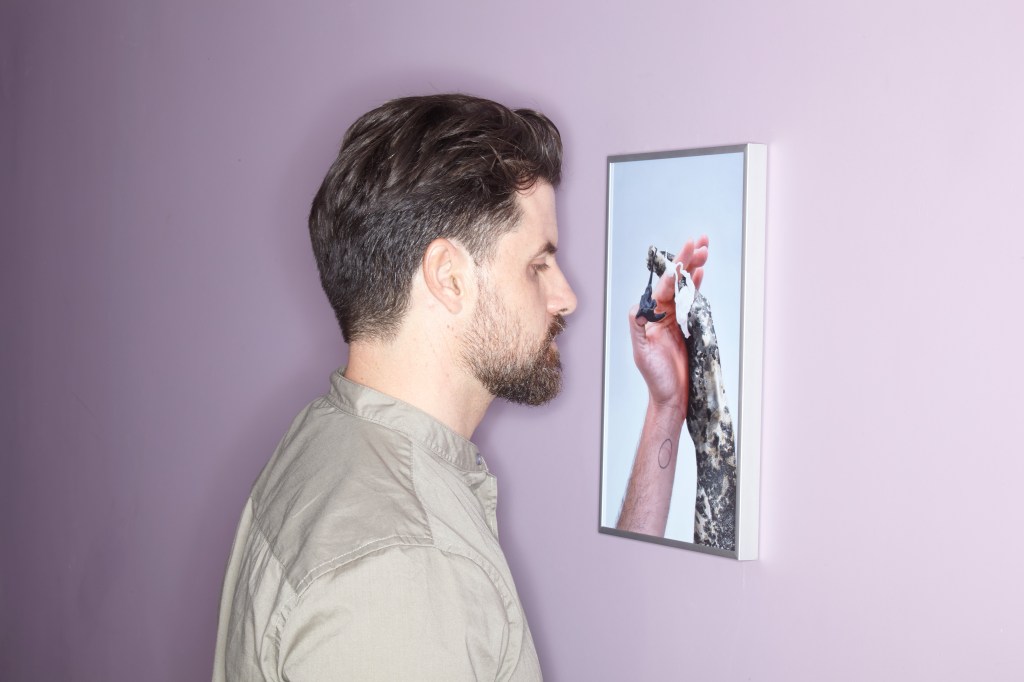
Michalis Charalambous, a visionary Cypriot artist, masterfully weaves together the threads of tradition and innovation, creating provocative artistic narratives that challenge our perception of time and cultural identity. By seamlessly blending ancient Cypriot archaeological elements with cutting-edge technologies like virtual and augmented reality, Charalambous crafts immersive experiences that interrogate fundamental questions of human existence and transformation.
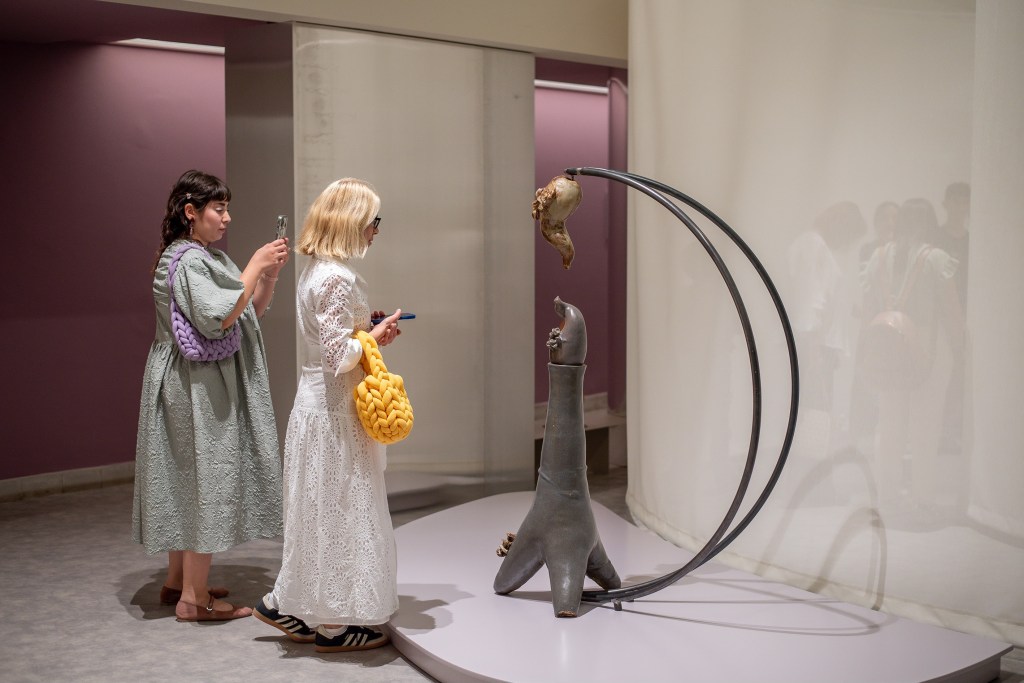
His groundbreaking installation, We Met – Love, Death and Meta, showcased at the Cyprus Museum, exemplifies his distinctive approach. Through this work, he transforms historical artefacts into dynamic, interactive narratives that transcend traditional museum experiences, inviting audiences to engage with cultural heritage in radically new ways.
Charalambous has garnered international recognition, with his thought-provoking works featured at prestigious platforms like the Venice Biennale of Architecture and the Thessaloniki Biennale of Contemporary Art. Each of his projects represents a bold exploration of how technological innovation can decontextualise and reimagine cultural memory, positioning him at the forefront of contemporary artistic discourse.
His ongoing artistic journey continues to challenge conventional boundaries, offering profound insights into the complex interplay between past and present, tradition and technological advancement.
Website: @michalis_charalambous_
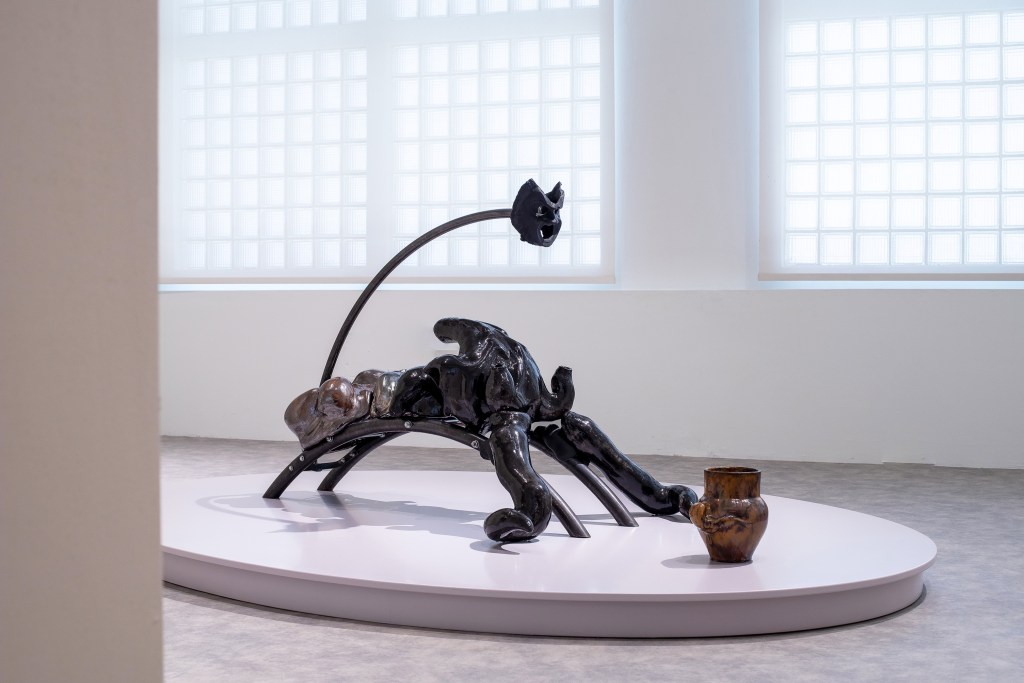

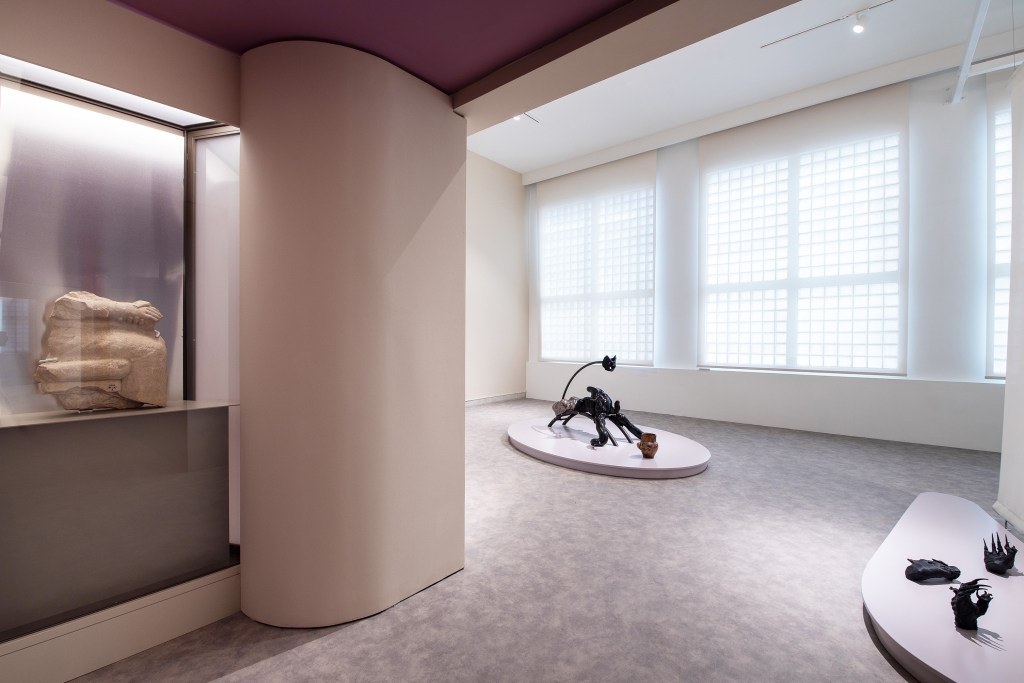
Your recent exhibition, “We Met – Love, Death and Meta,” at the Cyprus Museum delves into fundamental existential themes. Could you elaborate on how you integrated antiquities with contemporary art to explore these concepts?
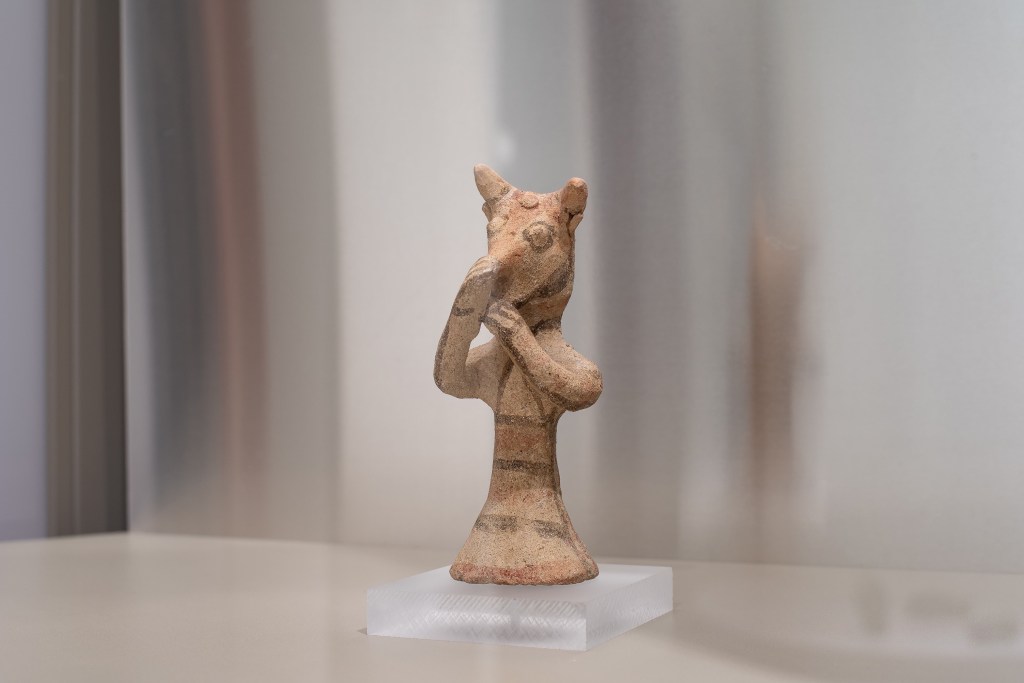
We Met – Love, Death and Meta” was a profound exploration of human existence through the lenses of love, death, and our evolving relationship with the metaphysical or metaverse experience. The exhibition’s unique approach lay in its dialogue between antiquities and contemporary art, creating a bridge across time to examine these universal themes. Antiquities hold a unique power—they’re physical remnants of human experience that transcend time, yet their meanings are constantly evolving.
The Meta as a conceptual layer adds depth, encouraging self- awareness in the viewers themselves. This framing transforms the exhibition into a space of introspection, where ancient and modern narratives converge, allowing the audience to reconsider how these artifacts are not merely historical objects but active participants in our ongoing quest for meaning. It’s a compelling way to bridge eras and foster a deeper understanding of how the past informs the present.
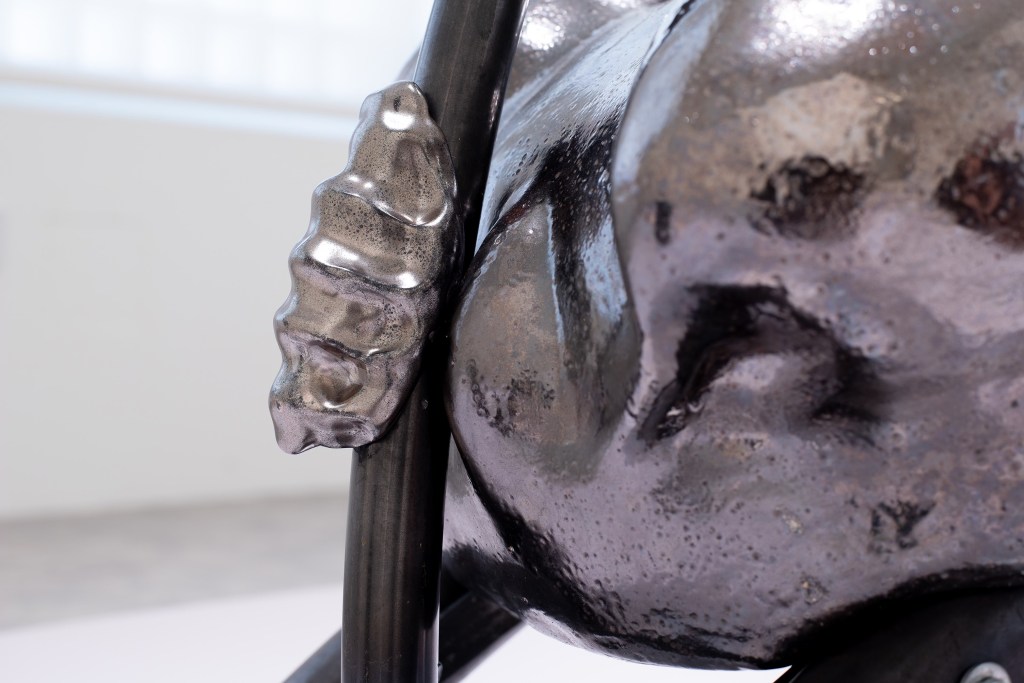
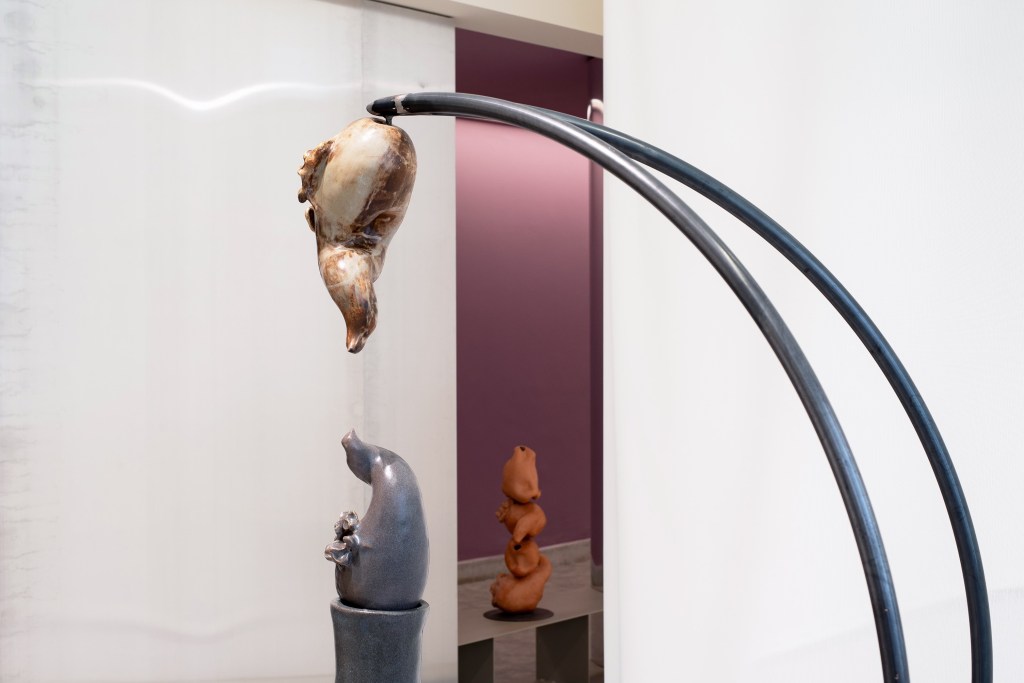
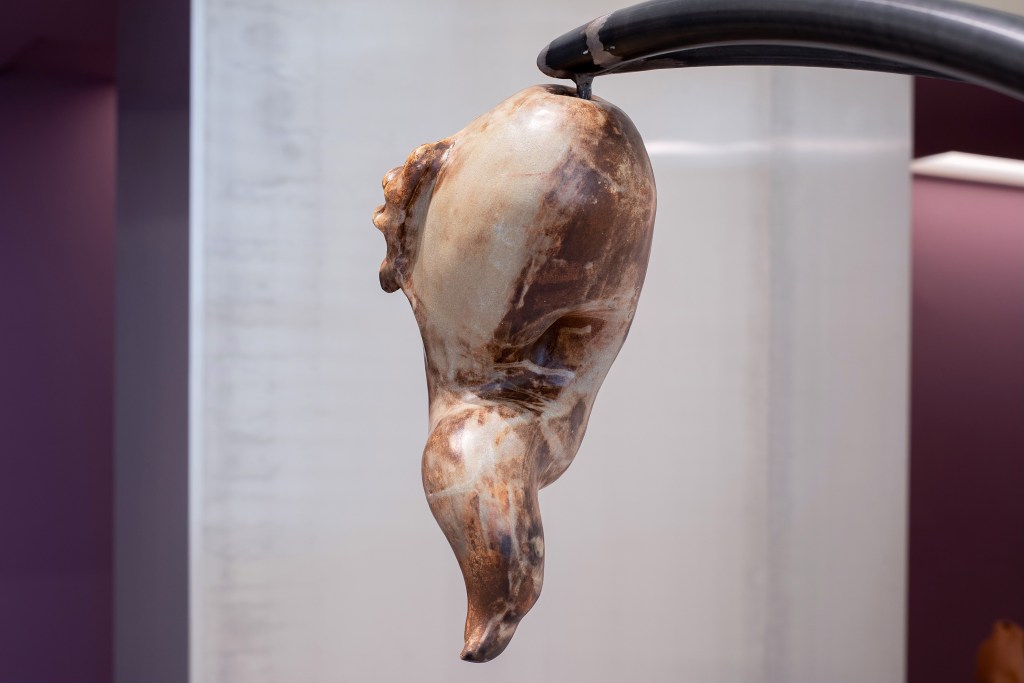
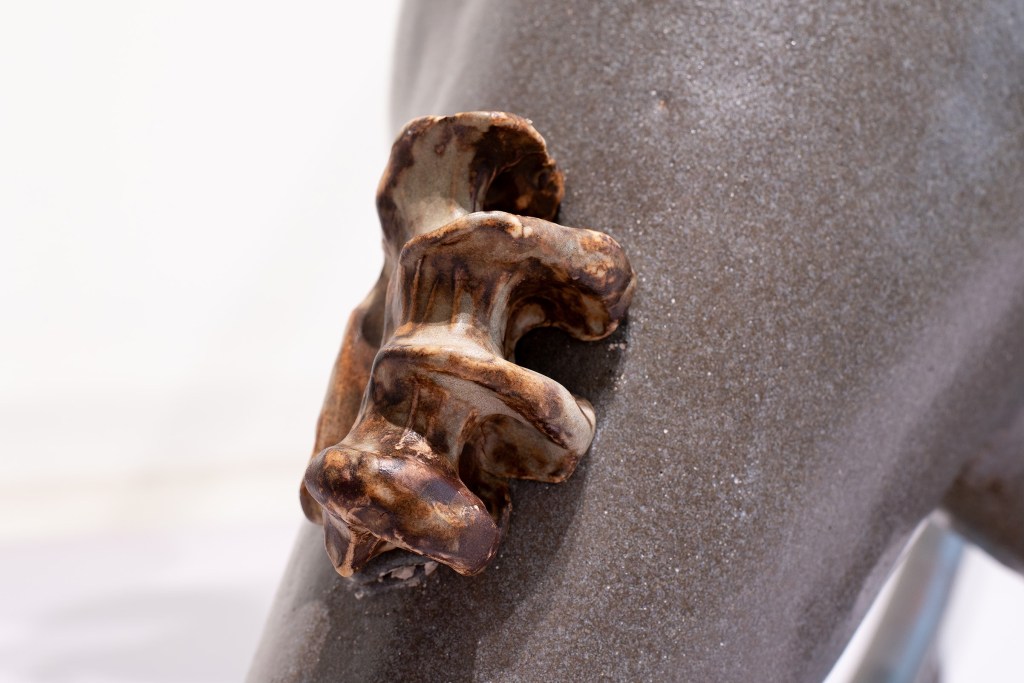
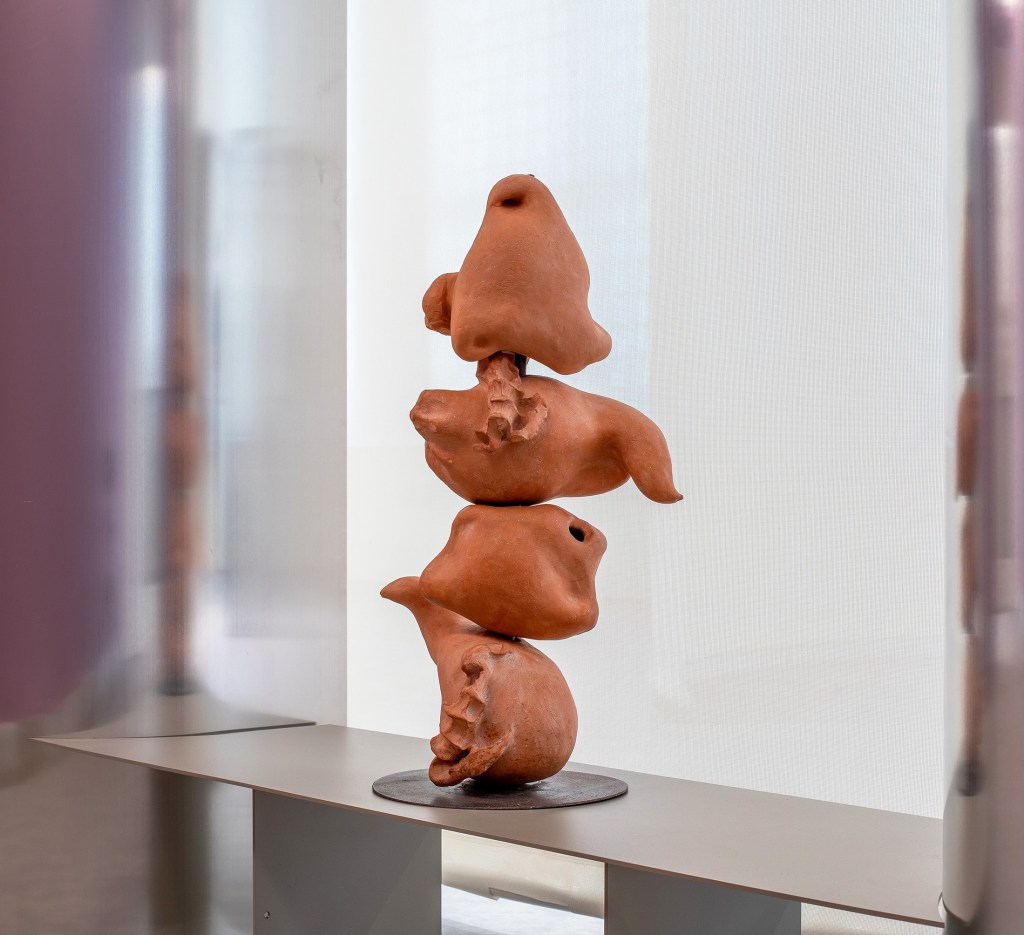
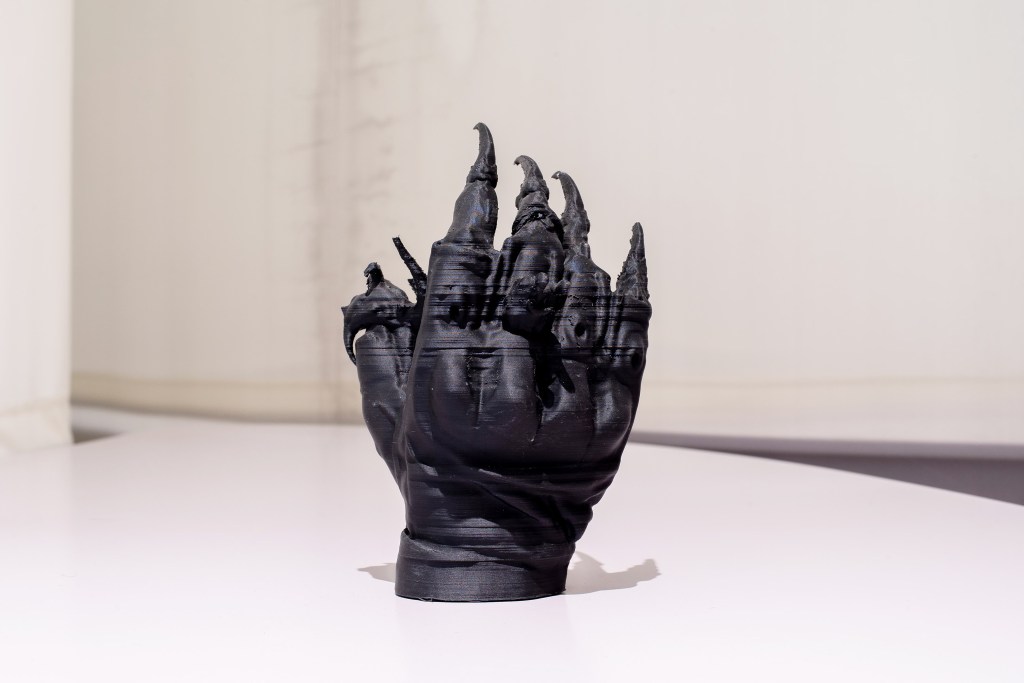
Αccording to the curatorial text Ancient artefacts from the Department of Antiquities’ collections and contemporary artworks coexist within a timeless, intricate environment. Materials such as clay, metal, stone, glazes, prints, 3D printing materials, and algorithmic entities—whose semiotics resonate with younger generations—are blended together in this hybrid space. The themes of love and death mark pivotal transitions in an immersive journey of the (META)human as they move toward virtual realms, transcending physical reality.
This virtual META-universe serves as a space for reassessment and deep reflection. It prompts questions about how our relationships with others, our surroundings, and all the elements that define our existence evolve in this virtual space. Does a sense of familiarity arise in such a realm? Can avatars experience love and death in a context that negates decay and mortality? In this space, we are invited to wander and reconsider the core experiences that shape our identity.
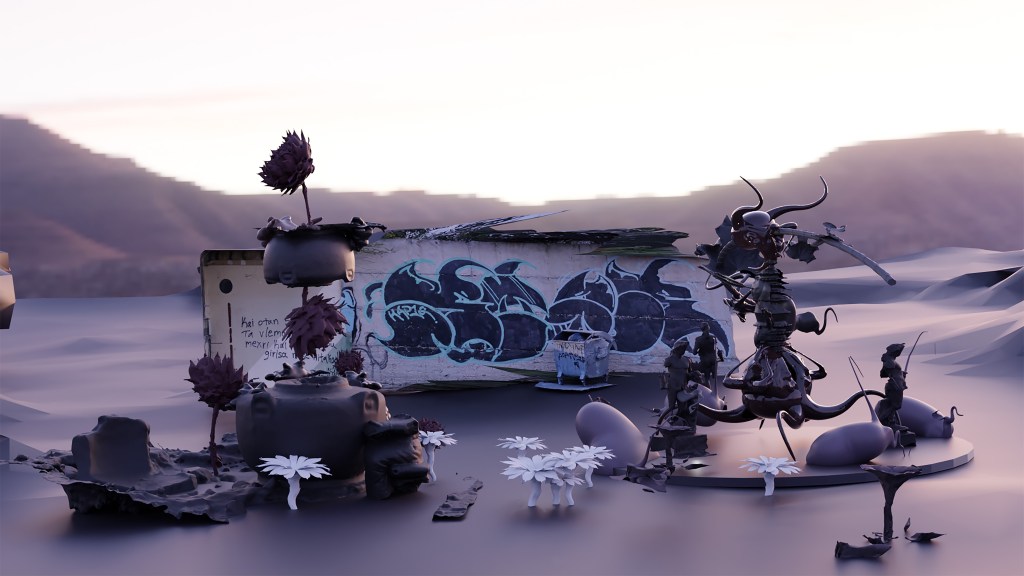


In your work, you often blend traditional art forms with advanced technologies like VR and AR. How do you perceive the role of these technologies in reshaping the art landscape, and what unique opportunities do they offer to artists today?
Blending technology and physical traditional materials allow me to explore tactile and spatial elements, delving into themes like identity, space and somatisation . VR and AR technology gives me the opportunities for artistic expression, redefining the boundaries of art. The interaction and immersion, allow audiences to step into and interact with art, offering multi-perspective experiences. In the same time traditional media like ceramic sculpture and clay they are give me the opportunity to explore more layers about things that i can touch, rebuild and recreate. This fusion allow me to explore how culturaland political memory can be reconstructed, distorted, or reclaimed through technology.
VR provides fully immersive environments for real-time narratives, while AR overlays digital elements onto the physical world, adding dynamism and fluidity. These tools make storytelling and concept exploration more engaging, especially for multilayers narratives. These technological practices also democratise art by removing geographical barriers, offering personalised experiences, and enabling experimental and interactive creative processes. By integrating technology, art evolves beyond enhancement, becoming a medium for innovation and limitless possibilities.

Your Cypriot heritage appears to significantly influence your artistic expression. How does the rich history and culture of Cyprus inform your creative process and the narratives you choose to explore in your art?
Cypriot heritage profoundly influences my creative process and the narratives I explore. The island’s rich history, culture, and mythology serve as an enduring source of inspiration. With its complex past—spanning ancient Greek, Roman, Byzantine, Ottoman, and modern European influences—Cyprus offers a captivating for storytelling. I’m particularly drawn to the contrasts and intersections within these historical layers, as well as the ways in which the past continues to echo in the present.
Cyprus embodies themes of love, loss, and resilience, which are central to my work. Its history of conflict and cultural transformation raises questions about identity, belonging, and the search for meaning in a fragmented world. These concepts often emerge in my practice, whether through the use of ancient symbols, the incorporation of local materials, or the redefinition of historical narratives.


Looking ahead, what themes or projects are you eager to explore in your future work? Are there any upcoming exhibitions or collaborations that you’re particularly excited about?
My future plans involve delving deeply into research on the interplay between physical and digital methods across historical, modern, and ancient narratives through the colonial prospective. I aim to explore how this fusion enables a deeper investigation into memory. Am focusing on the symbolic elements found in Cypriot architecture, particularly in buildings and churches influenced by the colonial period. My exploration centres on how these elements can be transformed into hybrid forms by integrating technology with ceramic artistry.
I am in discussions with institutions and curators to explore potential collaborations beyond Cyprus. Additionally, I am engaging with many local artists discussing prospective initiative projects for the future in Cyprus.



What do you think is the primary idea or goal of art in general? If there is a specific goal, what would it be?
It’s a challenging question to answer because I’ve recently deconstruct my thoughts on this. Art, in its most profound essence, is the language of the soul—a bridge between the ineffable and the tangible. Its primary goal transcends mere creation. it seeks to evoke, to connect, and to immortalize the fleeting whispers of the human experience. Art is the intimate confession of existence, where emotions too vast for words find a sanctuary, and thoughts too abstract for reality take form.
For me a unique goal, would be a reminder of our shared humanity, while celebrating the infinite depths of our individuality. It calls us to pause amidst life’s relentless rhythm, to feel deeply, to dream wildly, and to see the extraordinary woven into the mundane. Through art, we wrestle with our fears, cherish our joys, and ultimately find meaning in the intricate mosaic of life. Αrt is both a mirror and a window—a reflection of who we are and a glimpse into who we can become.

The exhibition will be open until January 30 at the Cyprus Museum in Nicosia.
For more information, please contact the museum here.
The project involved various professional contributors like: General Supervision: EftychiaZachariou @efzacha99 Exhibition Curators: Efthymia Alphas@ ealphas and Demetra Ignatiou @demetra.ign, Exhibition Design and Supervision Elston Alphas Ltd-@elston_alphas, Graphic Design Studio Nicos Stephou-@studionikosstephou, Conversation of Antiquities Eleni Loizides,
VR Development : Panayiotis Kyriakou, @pan.kyriakou,(ITICA,CYENS)
Documentation : Mirka Koutsouri, @Mirka_koutsouri
Portrait: Nikolas Louka, @Nikolaslouka
ARTIST OF THE MONTH
Interview, Online Exhibition,
your Art in AOM’25 Premier Book

ARTIST OF THE MONTH
PAI32 EDITION’24
 PAI_32 platform