
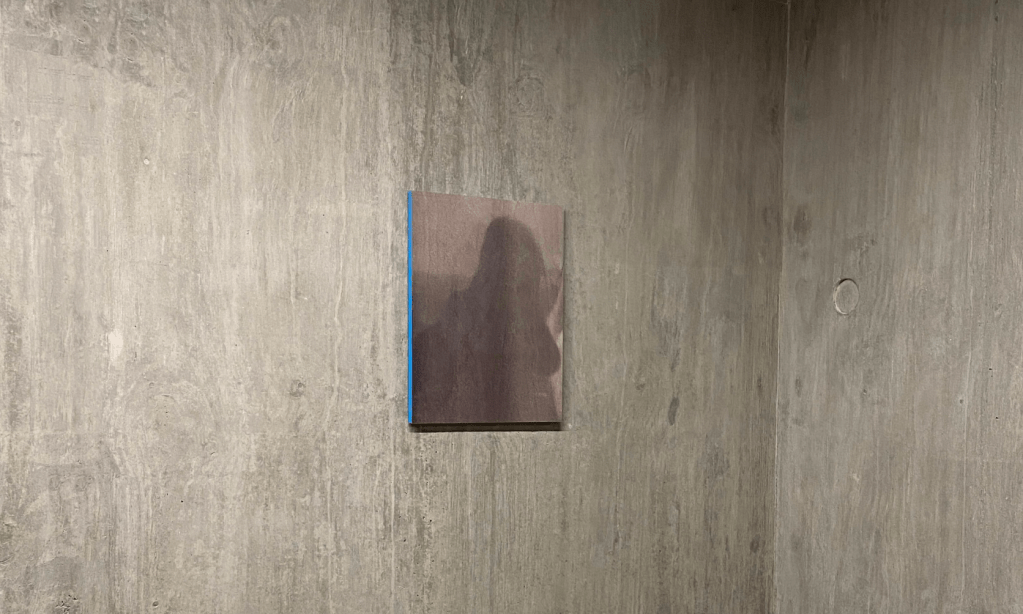
↑ Rita Osipova, Poor Connection 2.0., 2023, UV Printed Photograph on a wooden board, oil paint, 27 x 35 x 1 cm. Group Exhibition “Rise and Shine” The Tagli Gallery, London, UK, 2024 Feb
Rita Osipova’s work focuses on information and its influence on social transformations driven by digitalisation. From transforming city posters into modern artefacts to navigating the shift from physical to digital spaces, she explores these changes through a multidisciplinary practice that blends sculpture, photography, painting, and poetry. In this interview, we delve into her creative process, inspirations, and the evolving dialogue between past, present, and future.

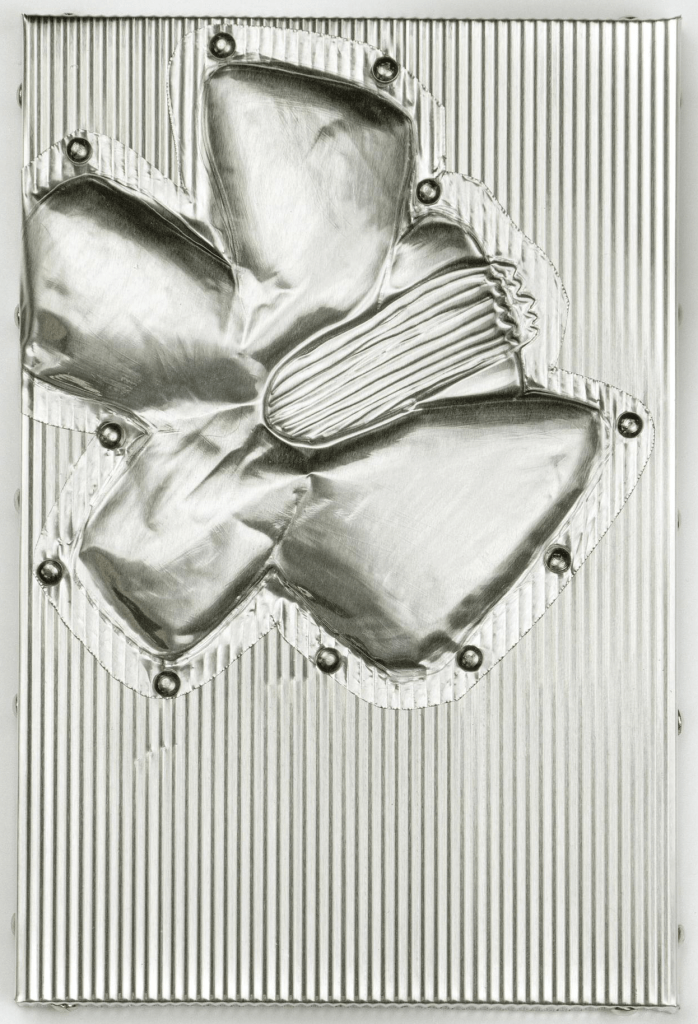
Your project Shifting Perspective transforms collected street posters from cities like Berlin, London, and Paris into modern artefacts using the formal language of ancient Greek art. What inspired you to bring these elements together, and what kind of dialogue do you hope to create between past and present?
I have always been inspired by various fields of science. Growing up in a small, decaying town with little access to culture—no museums, no cinemas, nothing of the sort—my mother subscribed to Vokrug Sveta, the oldest pop-science magazine, which became my window to the world. I was captivated by images of archaeological discoveries, the adventures of researchers, and the identification of new species.

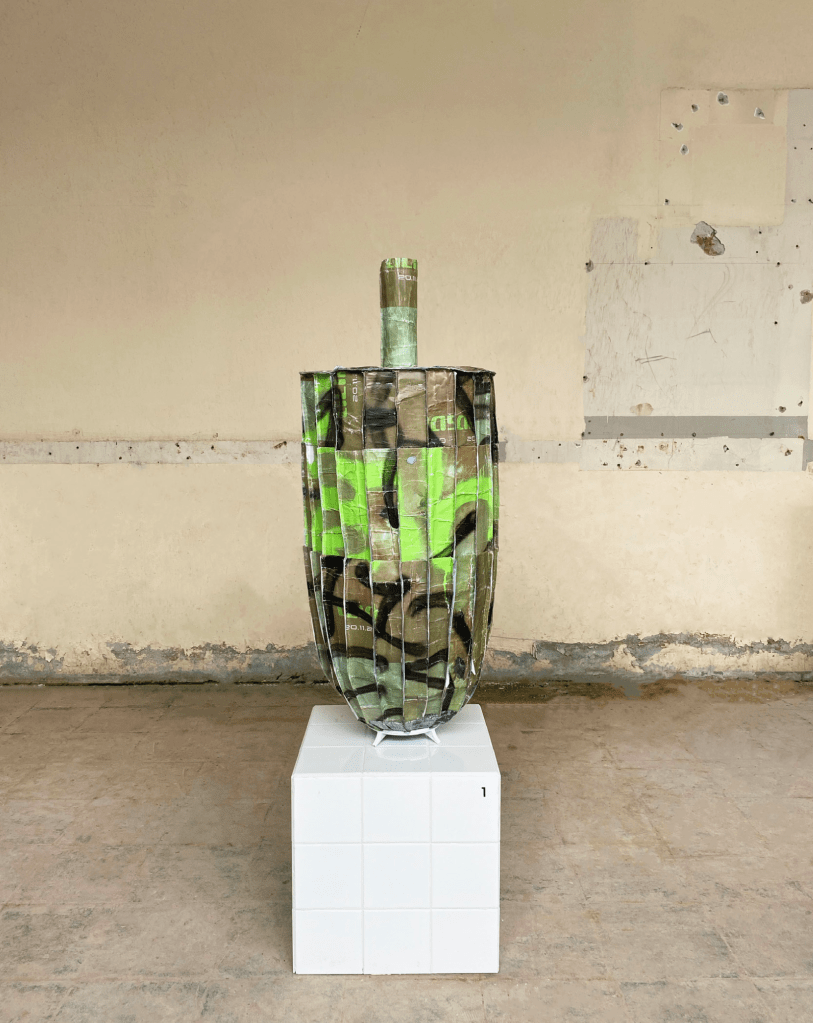
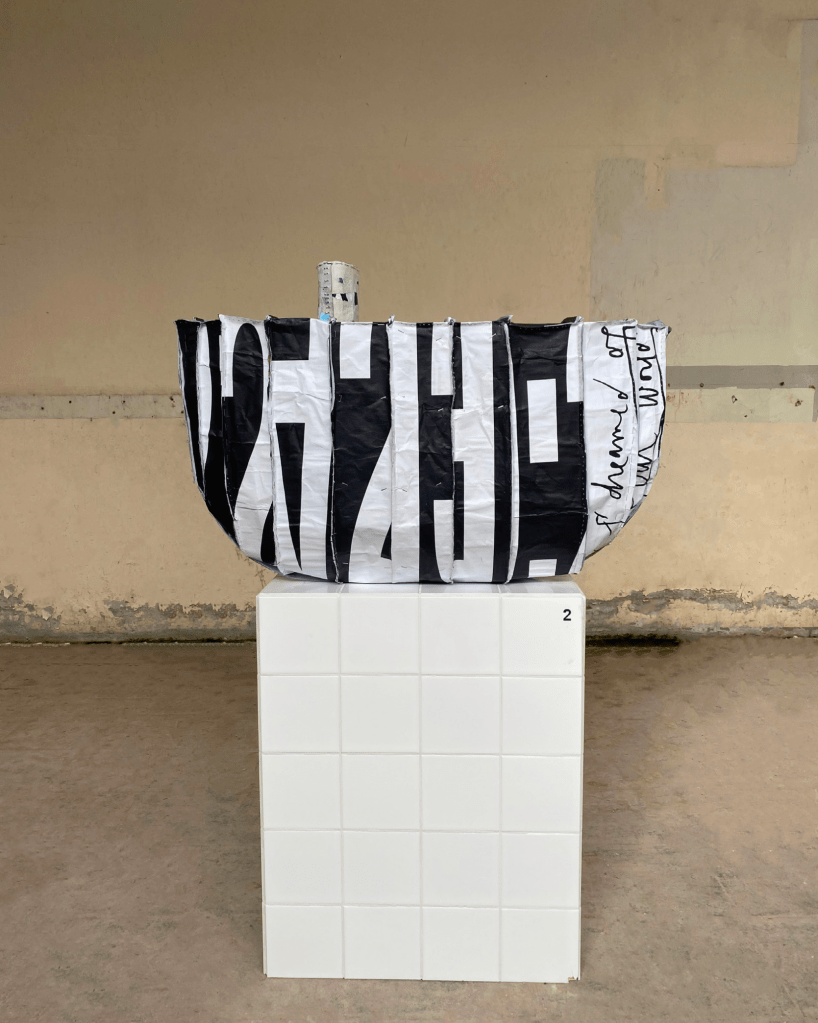
Today, in densely packed cities filled with inexpensive construction and mass-produced goods, I find myself wondering: What will we, as modern humans, leave behind? Though our cities are encased in concrete, archaeology has become more horizontal than vertical. Posters, for instance, reveal who we are, what we eat, where we go, and even who we vote for—just as Greek vases once connected ancient stories to the present. These everyday remnants preserve anthropological insights for future generations.
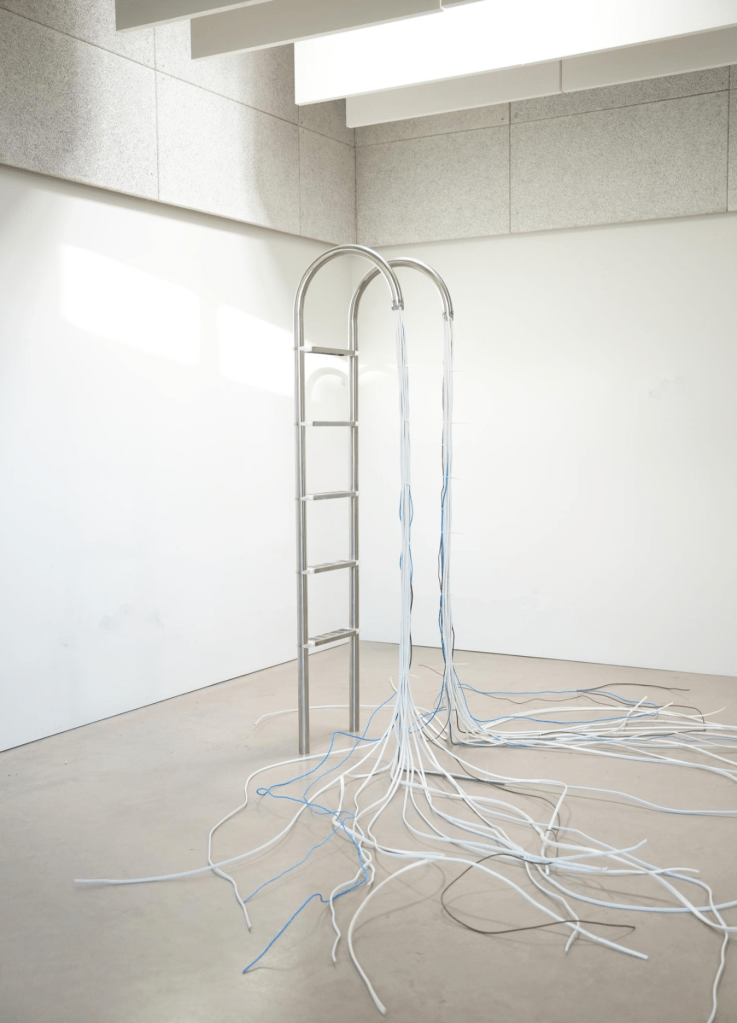

Yet, as public spaces become increasingly digital, the era of posters is slowly coming to an end. The idea of encapsulating our time through layered posters feels inevitable—an unintentional archive of our existence before it fades into the digital realm. In Digital Baroque, you explore how we navigate the overwhelming flow of information in both physical and digital spaces. How do you translate this chaotic, layered experience into your art, and what do you hope viewers take away from it?
I enjoy using metaphors in daily life to express my feelings, describe situations, and explore phenomena. Sometimes they work perfectly; other times, their meaning gets lost in translation—but they always help shape the experiences I want to share with others. I never aim to teach or preach what is right or wrong (I have no idea whether AI and technological progress will ultimately destroy us or save us from ourselves); I simply hope I’m not the only one navigating that peculiar liminal space between the physical and digital worlds, where we are together yet often alone.


Your practice spans multiple mediums—sculpture, photography, painting, and even poetry. How do you decide which medium best suits a particular idea, and how do these different forms influence each other in your creative process?
I don’t like to stick to one medium—I tend to get bored quickly, and I believe that the idea itself is paramount. I immerse myself in the subject, researching through books, images, and interviews, which sparks a variety of ideas and forms in my mind. For example, if I create a sculpture and feel it doesn’t fully convey the emotion I want to evoke, I’ll layer it with elements like sound or text. This flexible, research-driven approach allows me to choose and combine mediums in a way that best expresses the underlying idea. Magically, it all coexist peacefully.


You’ve exhibited in various international shows, from London to Dutch Design Week in Eindhoven. How have these diverse cultural experiences shaped your work, and are there any new directions or themes you’re excited to explore next?
My practice is shaped more by my educational background than by the countries or venues where I have exhibited. I earned my BA at Design Academy Eindhoven, where I often felt like a black sheep among designers. Though I sometimes questioned whether attending design school was the right choice—especially since I seem to make my life “easier” by taking the longest and weirdest routes—it ultimately allowed me to master a wide range of materials and techniques. This foundation proved invaluable when I pursued my Master’s in Sculpture at the Royal College of Art, enabling me to apply these skills to my practice and think more freely.

Over the years, I’ve come to realise that my main focus is information in all its forms. In late 2024, I began developing my new research project, 0’s and 1’s, supported by the Amarth Fonds Development Grant. This project explores digital anarchy, algorithms, and how our brains adapt to the overwhelming cacophony of opinions. And I can’t wait to share this new body of work soon!


What do you think is the primary idea or goal of art in general? If there is a specific goal, what would it be?
It’s hard to answer this question without sounding like a pompous art critic. I guess it helps one express their experiences, while those who can’t find the words may see themselves reflected in the work of others. It’s a kind of collective therapy session that has been healing us for centuries.

ARTIST OF THE MONTH
Interview, Online Exhibition,
your Art in AOM’25 Book

ARTIST OF THE MONTH
PAI32 EDITION’25
 PAI_32 platform