
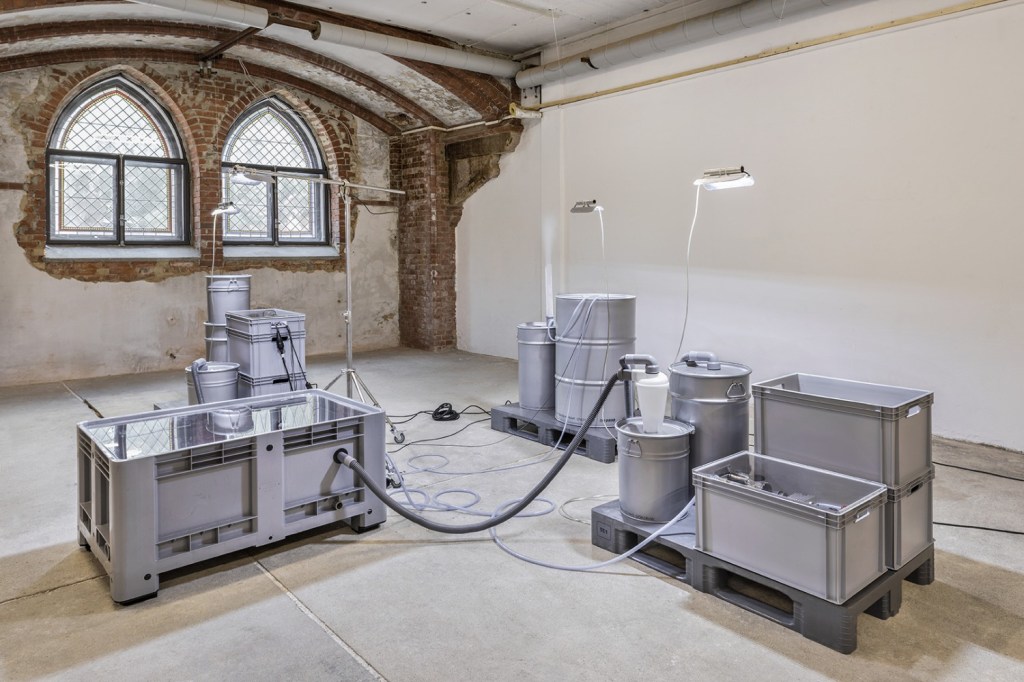
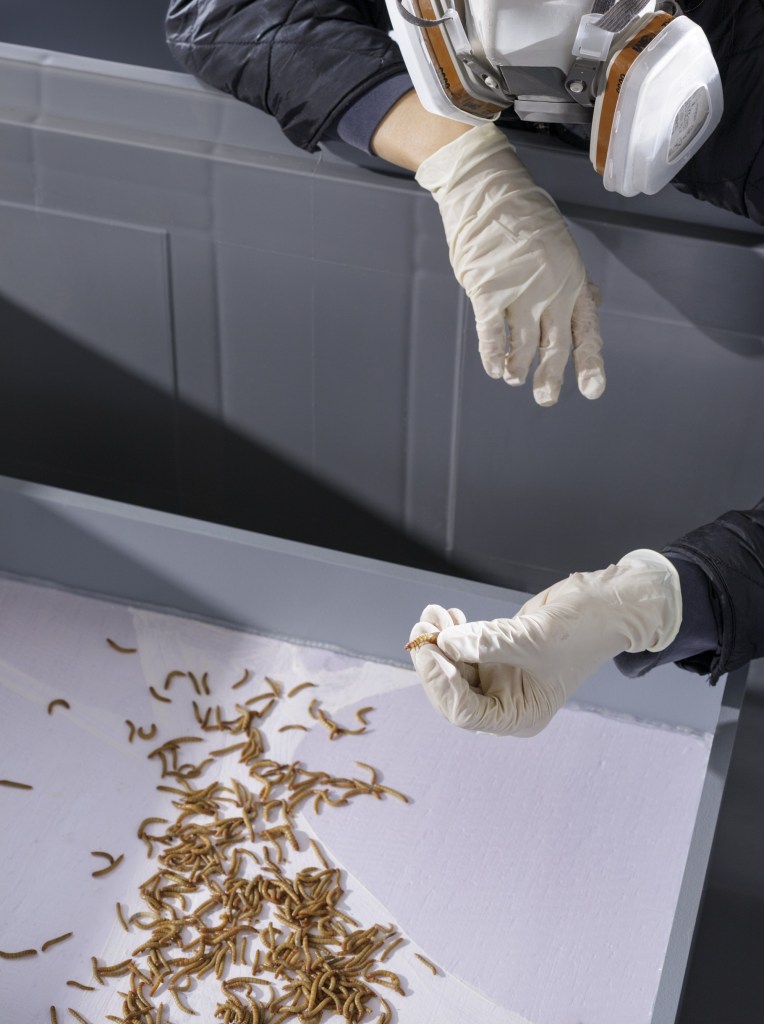
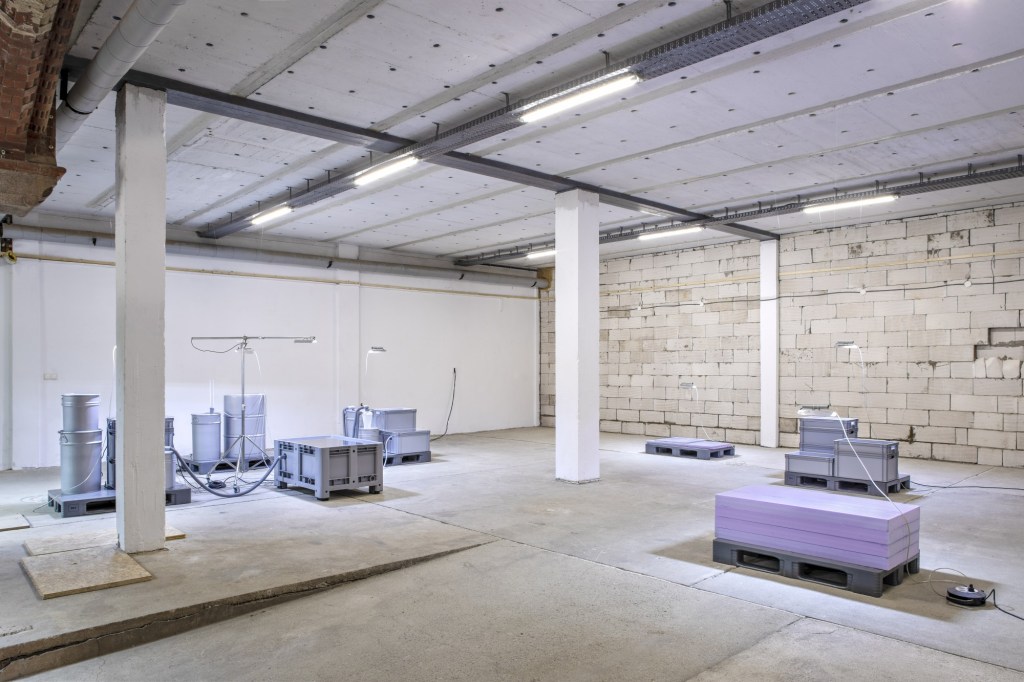
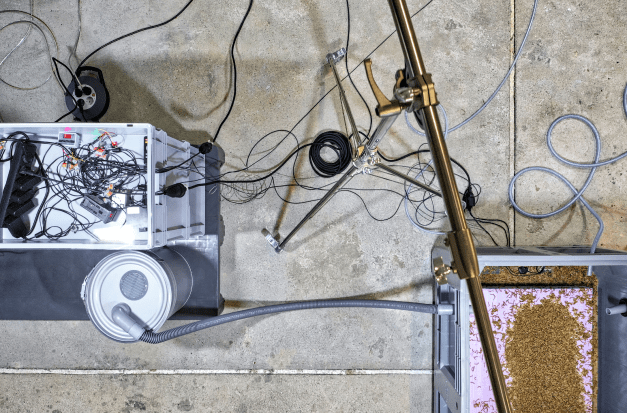
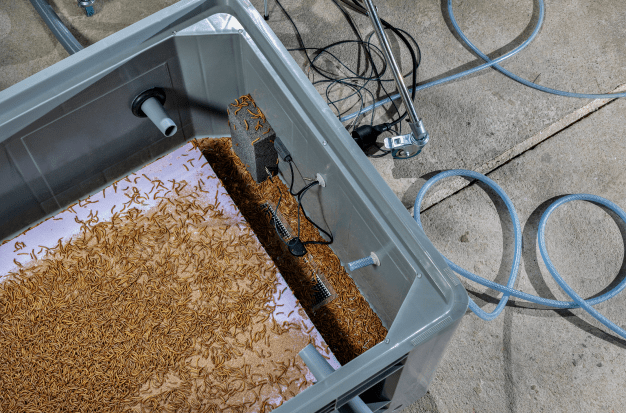
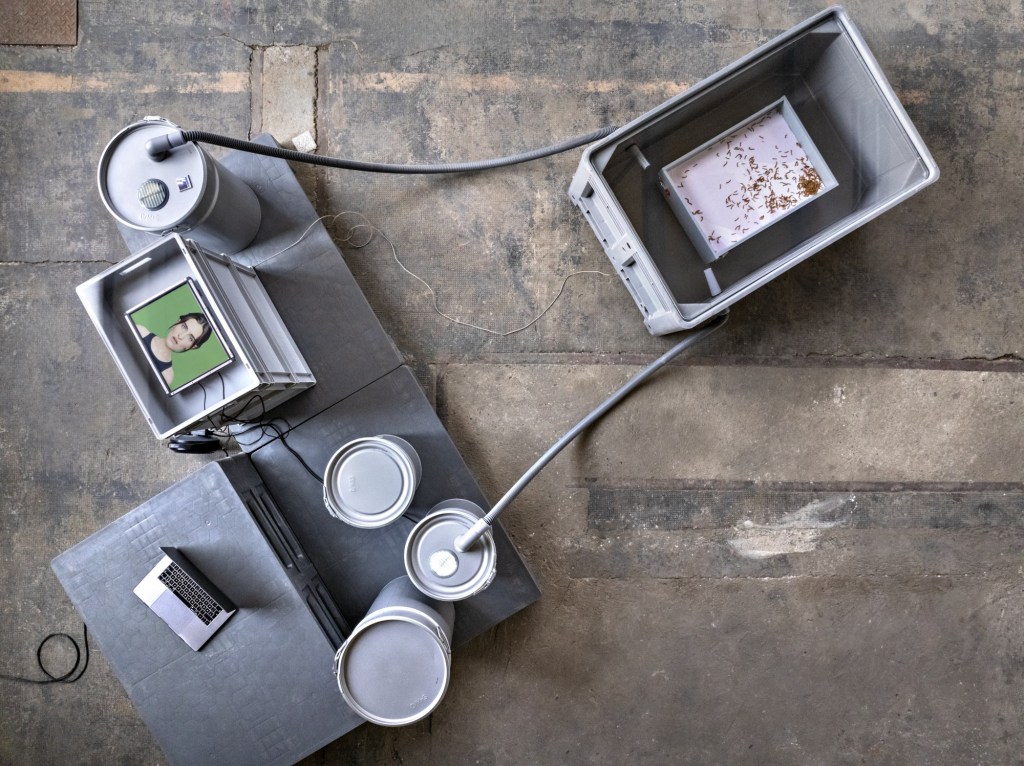
HYBRIS, the visionary project by German artist Yana Zschiedrich, is a pioneering art-based research initiative that reimagines how we perceive waste, architecture, and ecological resilience. Since 2019, Zschiedrich has been exploring how swarms of mealworms can decompose polystyrene insulation panels—consumed wholeheartedly by these insects—turning them into biodegradable matter.
Why does the sun go on shining?
Why do birds go on singing?
Because they know it isn’t
the end of the world.
In HYBRIS, mealworms inhabit a controlled incubator-like environment, where their only task is to eat and excrete plastic. Their droppings—a “biodegradable product of mealworm metabolic activity”—are collected and analysed scientifically. Remarkably, these castings are free from the toxic residues initially present in the polystyrene, transforming hazardous waste into a cleaner, organic substance.
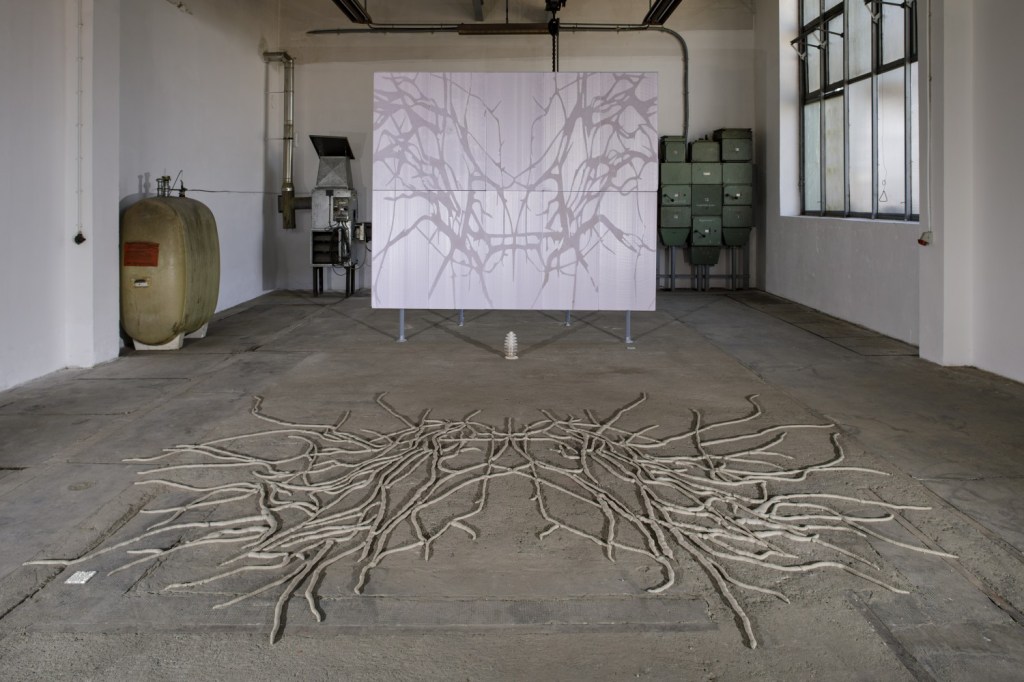
This cast worm biosolid is then treated in collaboration with the Fraunhofer Institute for Building Physics to develop Geobris, a geopolymer composite as durable as concrete yet environmentally friendly. Zschiedrich has even adapted it for 3D printing, producing architectural forms that demonstrate how art and ecology can coexist in innovative material practice.
HYBRIS isn’t just technical—it’s deeply philosophical. Zschiedrich highlights the fragility of her ecosystem: if conditions shift—temperature drops or humidity changes—the worms stop processing the polystyrene, and the artistic outcome varies significantly. “The artist is challenged to do justice to each individual mealworm, as well as to the swarm as a whole,” reads the project documentation—revealing nature’s unpredictability and the shifting power dynamics within collective systems.
Conceptually, the piece engages with themes such as anthropocentrism, ecofeminism, and technological hybridity—drawing inspiration from thinkers like Donna Haraway. HYBRIS positions itself not as an ecological solution alone, but as a space of shared creation, reflecting on humanity’s embeddedness in natural cycles.

Recognition and Influence
- Nominated for the prestigious S+T+ARTS Prize 2025, a European Commission-backed award celebrating projects at the intersection of science, technology, and art.
- Zschiedrich’s work has garnered significant institutional attention, including a Culture4Climate Prize and a residency at Schloss Balmoral, affirming the project’s relevance in ecological and artistic discourse.
HYBRIS offers more than spectacle—it invites us to reconsider the value of waste and the potential of generative collaboration between humans, technology, and non-human actors. It challenges the traditional boundaries of art, architecture, and science by embedding ethical inquiry, material research, and ecological responsibility into its core.
For anyone curious about the future of sustainable innovation and the role of art in addressing climate crisis, HYBRIS is an essential case study. Zschiedrich reminds us that creating a sustainable future may begin with humble worms—and a vision bold enough to let them lead.
All rights to the images are belong to the artist.
 PAI_32 platform