
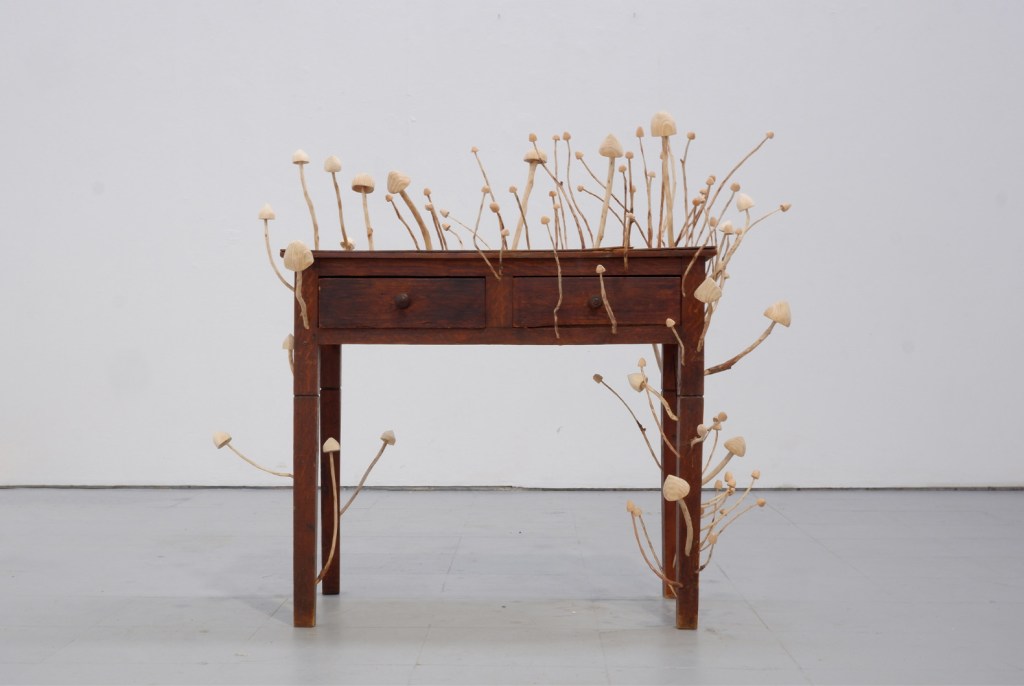
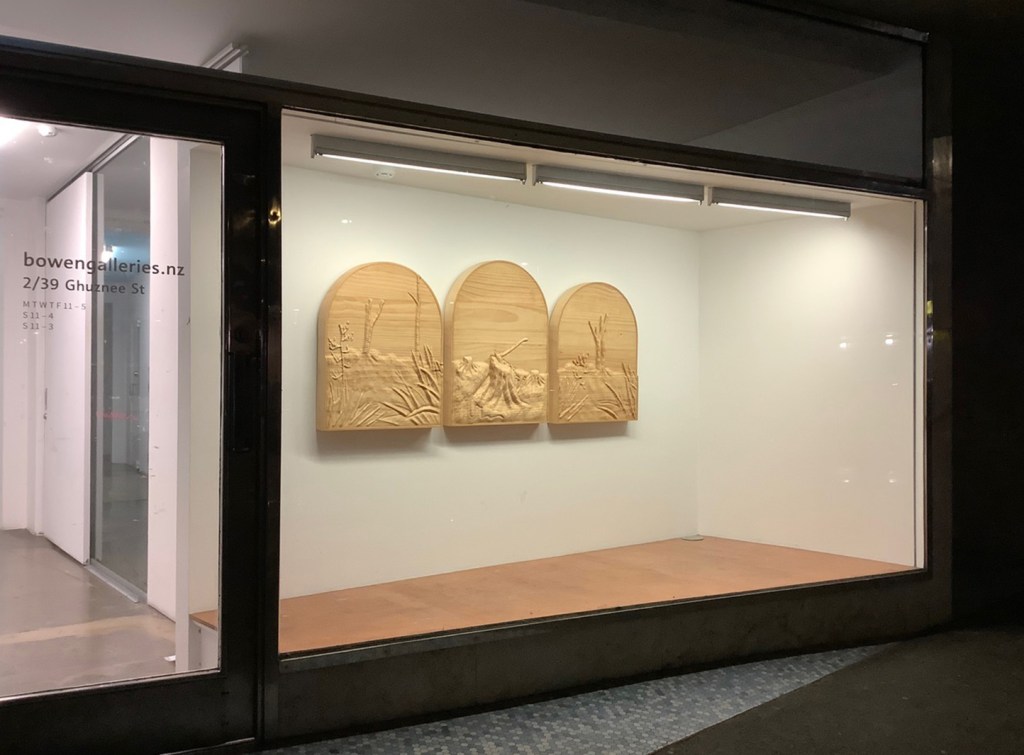
↑ A Space to Watch the World Rot, 2025, Eucalyptus, Pine, Found desk, 1200 × 1100 × 900mm
George Turner: Queer Ecology, Place, and the Ethics of Attention
In this conversation, George Turner speaks with rare clarity about what it means to make work with a place, rather than simply about it. Moving across VR, projection, sound and sculptural installation, Turner’s practice becomes a method of attention—towards land, memory, and the contested histories that shape how we see (and who gets to belong). At the centre is a questioning of ecology through a queer lens, and an insistence on staying accountable to the colonial realities that continue to structure Aotearoa. What emerges is an interview about technology as both instrument and problem: a field to be resisted, rerouted, and re-imagined—so that artistic tools can hold care, complexity, and lived responsibility.
Across the interview, Turner reflects on how making can operate as a form of research—patient, embodied, and sometimes uncomfortable—where uncertainty isn’t a weakness but a productive condition. They also unpack the politics of representation: what it means to translate lived experience into form, and how to avoid turning land, culture, or identity into aesthetic “content”. What emerges is an artist committed to complexity, resisting tidy narratives in favour of works that hold contradiction, tenderness, and friction in the same frame. Ultimately, this is a conversation about technology as both instrument and problem: a field to be resisted, rerouted, and re-imagined—so that artistic tools can hold care, complexity, and lived responsibility.
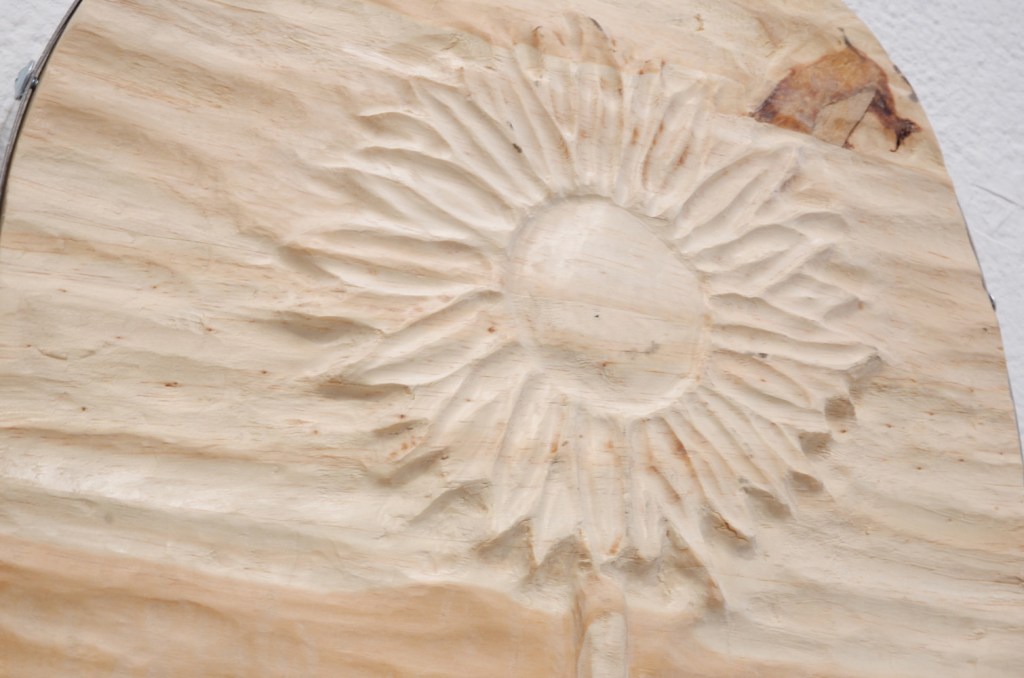
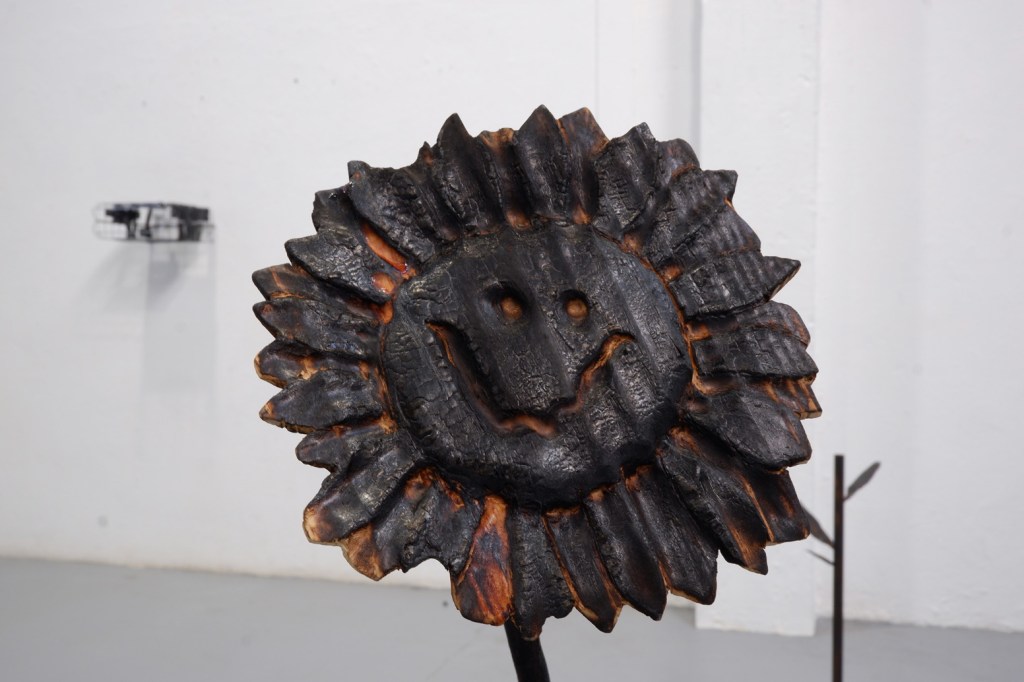
Your work spans digital and physical mediums—from large‑scale projections and VR to experimental sound and sculpture. How do you decide which medium best expresses a concept, and how does that choice shape the way audiences experience your ideas?
Within the studio, I constantly experiment with mediums. My themes and concerns sit within a clear trajectory, but I like testing how different approaches hold those concerns and which path creates the right kind of tension or clarity. Over time I’ve noticed that the research itself begins to suggest its own form; photogrammetry scans wanting to be hand sculpted, field recordings leaning toward images, mapped data wanting to be projected at architectural scale rather than contained within a headset. Watching these relationships form feels less like choosing a medium and more like noticing where the work wants to live.
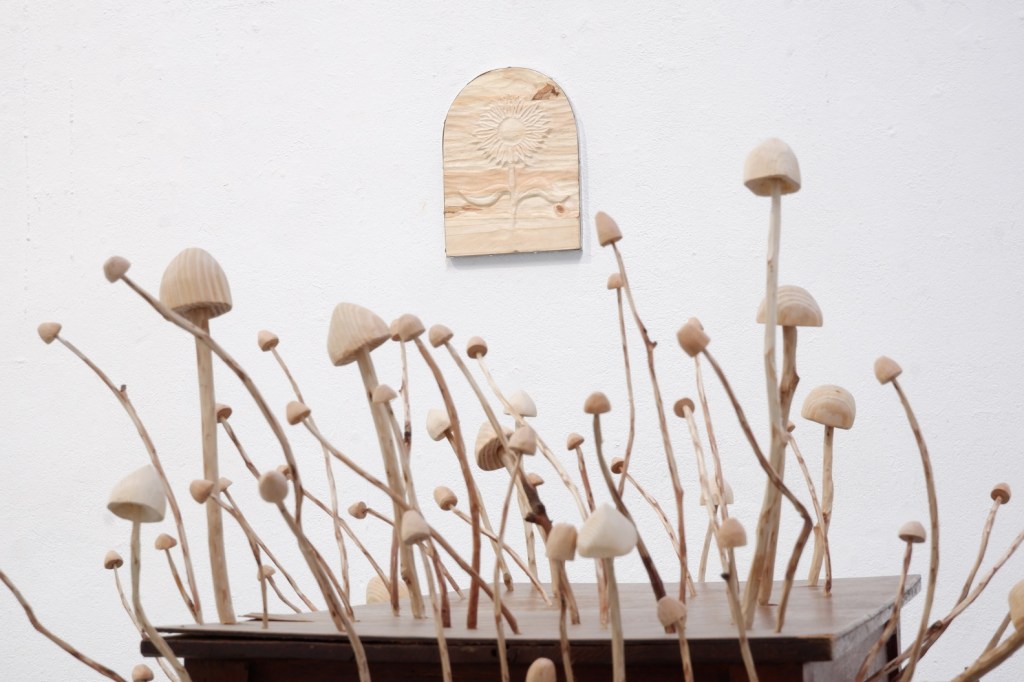
Because my practice is research-driven, the medium is often one of the last decisions I make. It develops in response to what I’ve learned, but also in response to who will encounter the work and where. A VR work produces a very private, enclosed experience; a large-scale projection creates a collective one. Sound can’t be looked away from in the same way an image can. Sculpture asks the body to move differently through space than a screen does. These differences aren’t just aesthetic, they aresocial and political. The medium becomes a contract between the work, the audience, and the institution hosting it.
This flexibility is what keeps my practice from becoming fixed within a theme. Choosing the medium is often as expressive as making the work itself, because it determines how people are allowed to access, share, and sit with the ideas I’m working through.
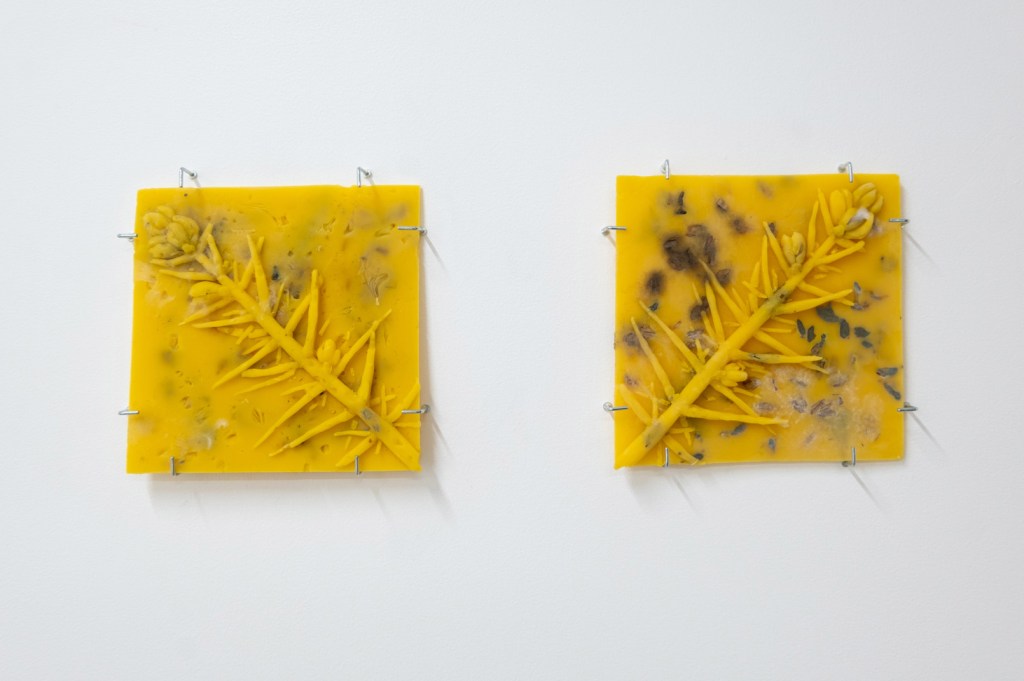
Your practice often engages with queer‑ecological narratives and the lingering trauma embedded within Aotearoa’s landscapes. How do these intersecting themes inform your research and the stories you choose to tell through your art?
Aotearoa New Zealand shaped by ongoing colonial realities. As a Pākehā artist working here, it’s impossible to exist outside the relationship that Te Tiriti o Waitangi sets out. Whether intentional or not, any work made here sits in that relationship. My practice has become a way to navigate that responsibly; not to resolve it, but to remain in conversation with it and to encourage that learning amongst other Pākehā.
For me, this begins with understanding who and what has shaped me. My ancestry comes from elsewhere, yet my life has been spent in forests, rivers, lakes, and oceans that were never part of my ancestral story. That tension (being deeply entangled with environments that are historically foreign to me) is central to my work. It asks me to approach the environment differently, to move away from Western ideas of nature as backdrop, resource, real-estate, or scenery, and toward a relational understanding of ecosystems as kin.
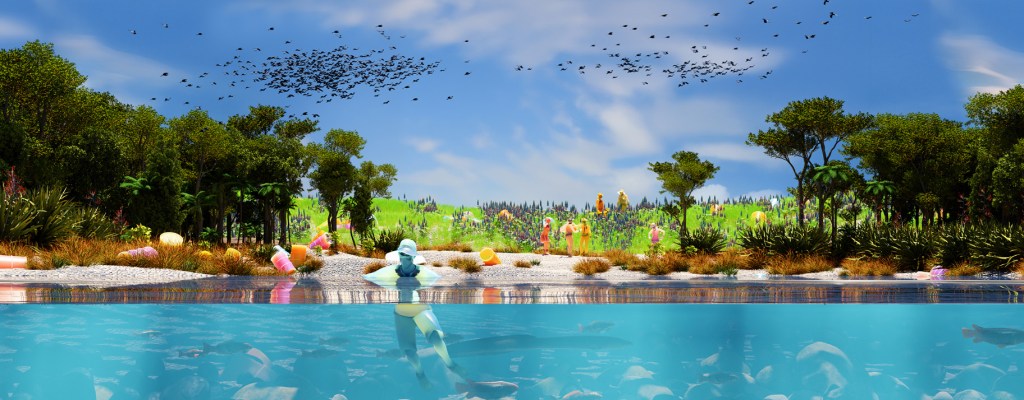
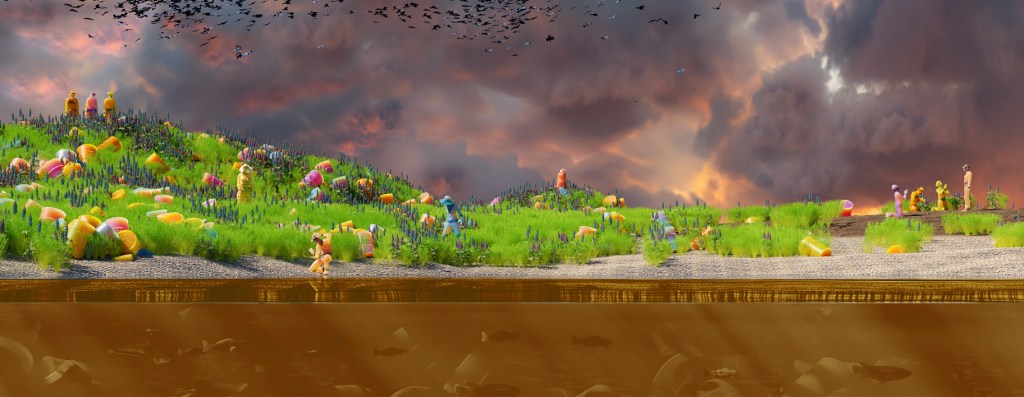
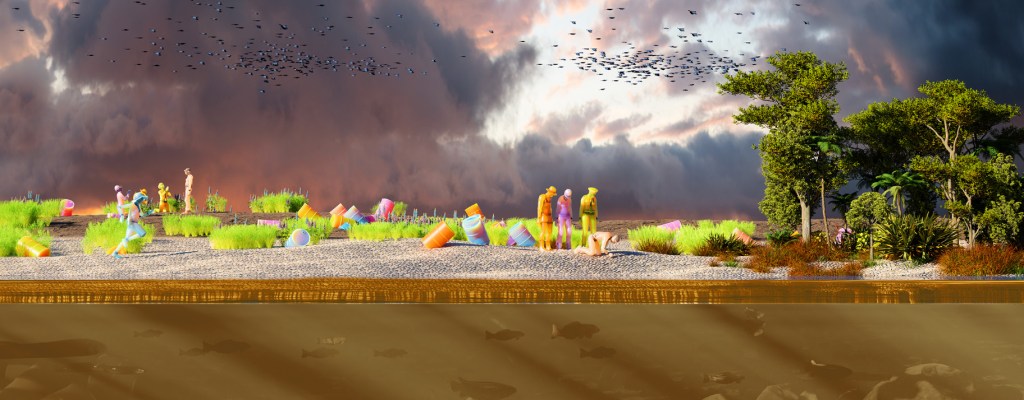
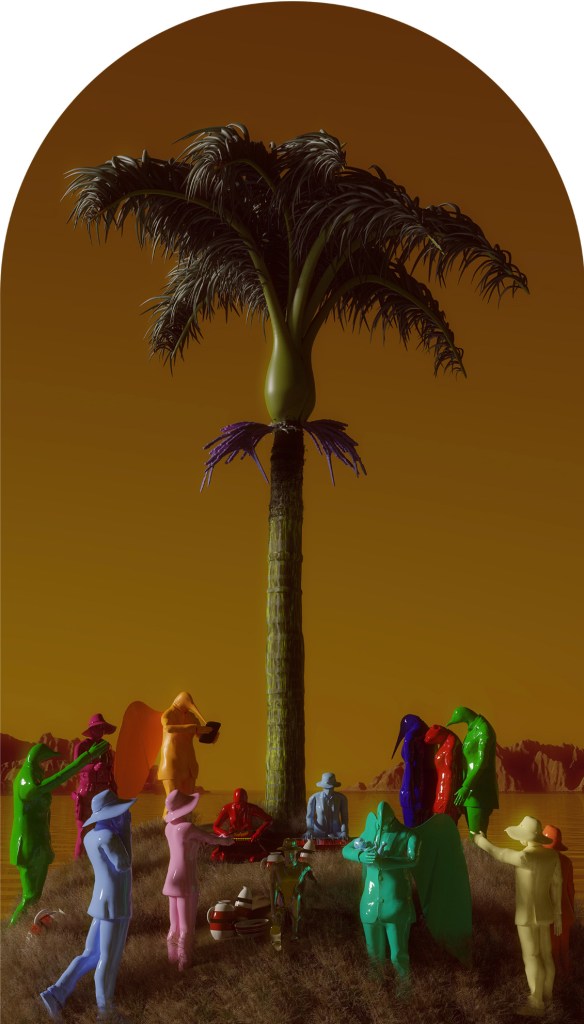
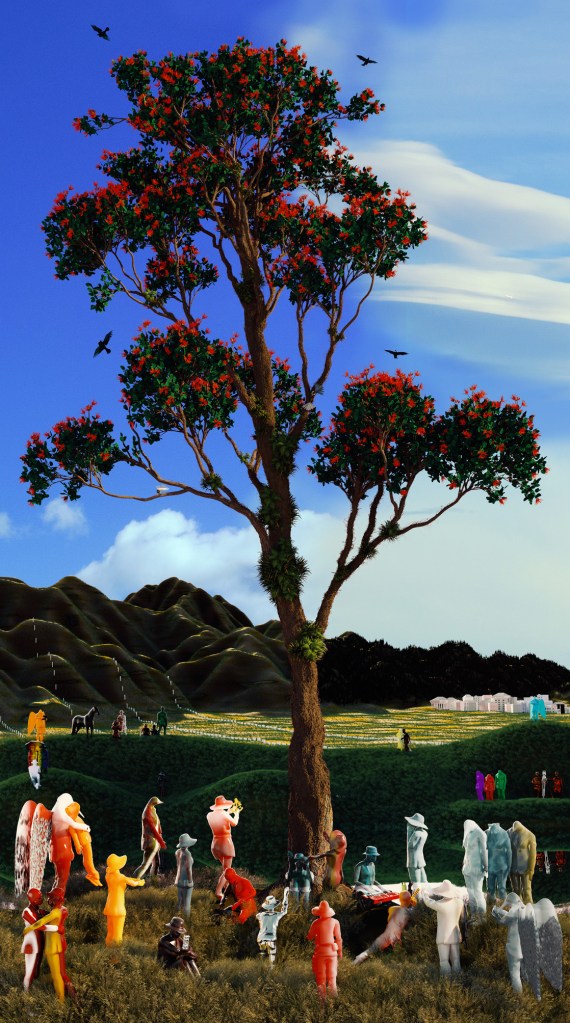
Queer ecology becomes a way of unsettling the binaries that are often imposed on the environment. In projects where I recreate entire forest sites through scanning, animation, and installation, I’m trying to let these spaces be encountered as living, relational systems rather than images of landscape. This thinking is grounded in Aotearoa but extends outward. When I exhibit internationally, the work broadens into a critique of colonisation, neo-colonialism, whiteness, and environmental extraction more generally. These themes aren’t separate from who I am. The research I undertake to engage with them shapes my understanding of myself as much as it shapes the work. I am constantly learning how to be in this place, and the work becomes a record of that
process.
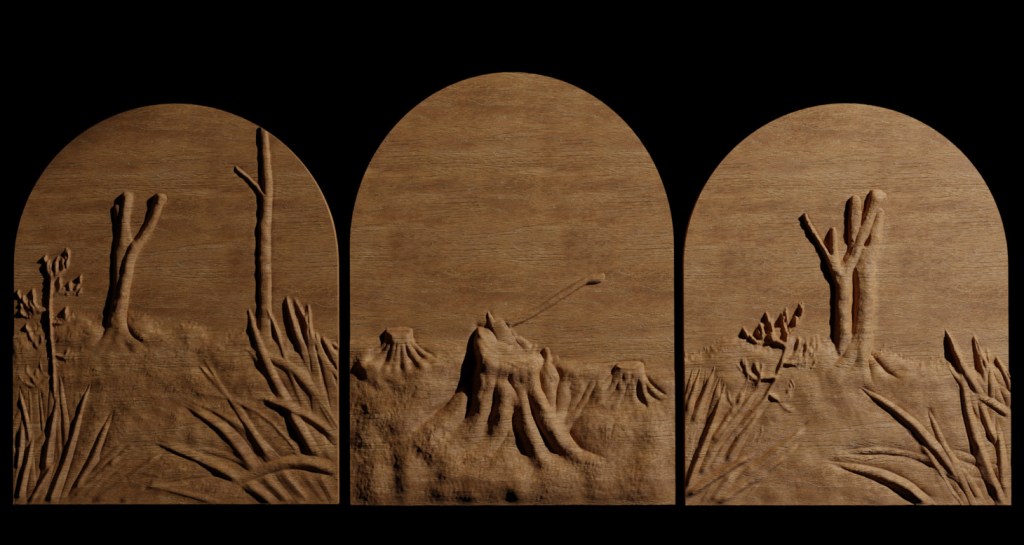
You’ve worked on projects that involve AI, code simulation, and interactive visuals, in addition to music and performance. How does technology expand—or challenge—your understanding of identity and belonging?
I work with technology constantly in my practice and in my daily life, and my feelings about it shift all the time. Some days it feels like a pathway toward deeper understandings of identity and connection; other days it feels like a system designed to flatten us into data.
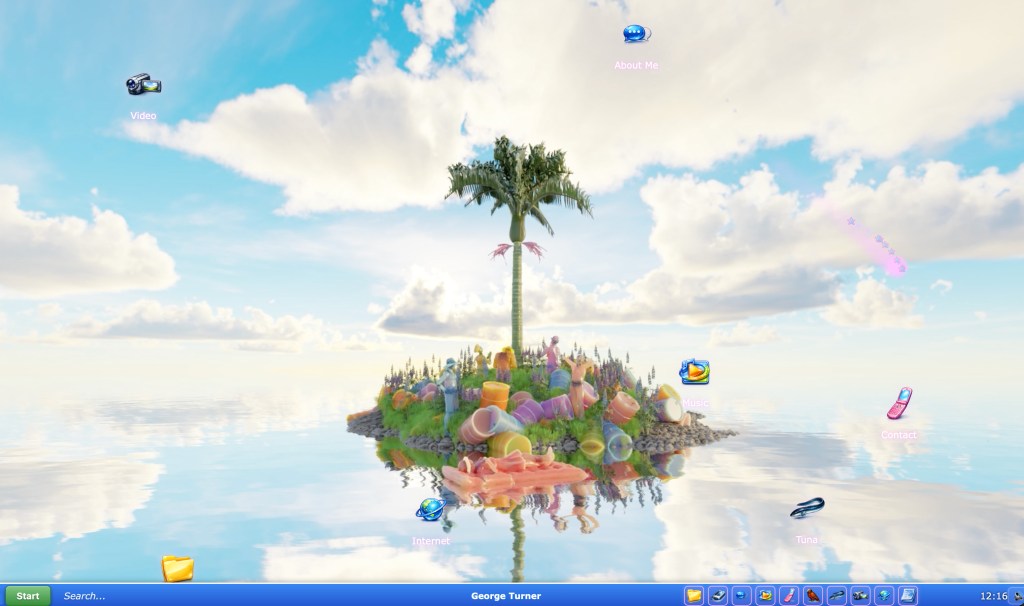
I grew up online, drawing in MS Paint, playing Age of Empires, watching time pass through a glowing digital clock. Those early digital spaces still feel formative to me, like ghost rooms that exist somewhere on distant servers. Because of this, technology doesn’t feel external to my identity; it feels embedded in it. At the same time, I’m aware that the tools I use (game engines, AI systems, rendering software) are built on infrastructures of extraction, surveillance, and invisible labour. This is another tension at the centre of my work. When I build explorable digital forests or animated ecosystems from photogrammetry scans, I’m using the same tools that are often used for data capture, but trying to redirect them toward care, attention, and ecological witnessing. Technology challenges my understanding of identity by showing how easily it can be shaped, tracked, and commodified, but within that challenge there’s also the possibility to push identity somewhere else — to bend it, stretch it, and question what it’s being shaped into. Working with technology is not an endorsement of it; it’s an attempt to understand and misuse it in ways that feel more relational and less extractive.
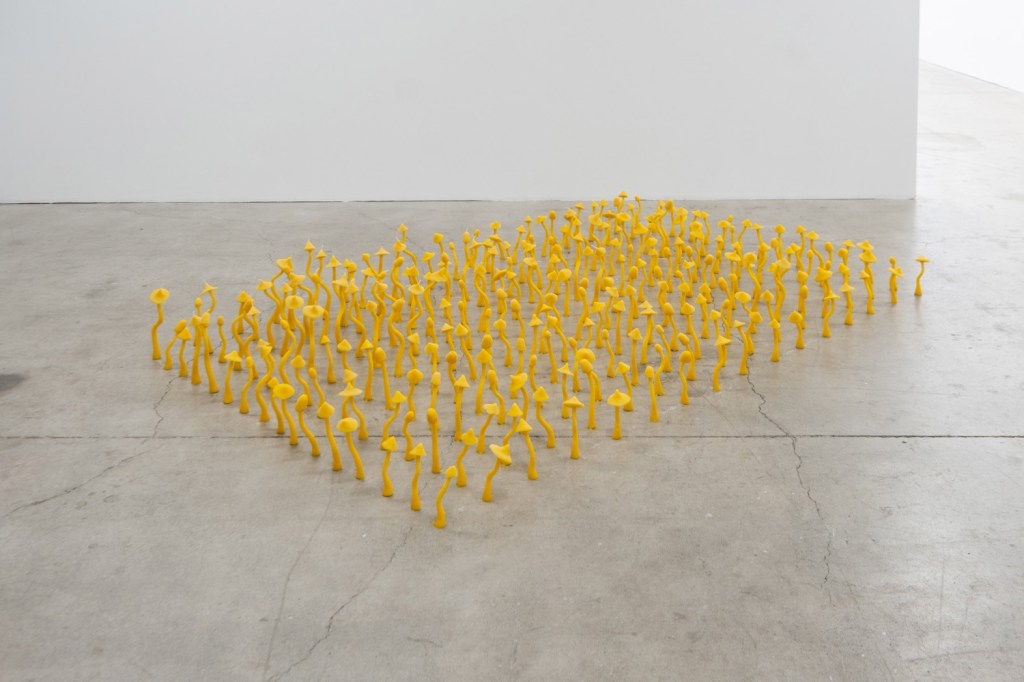
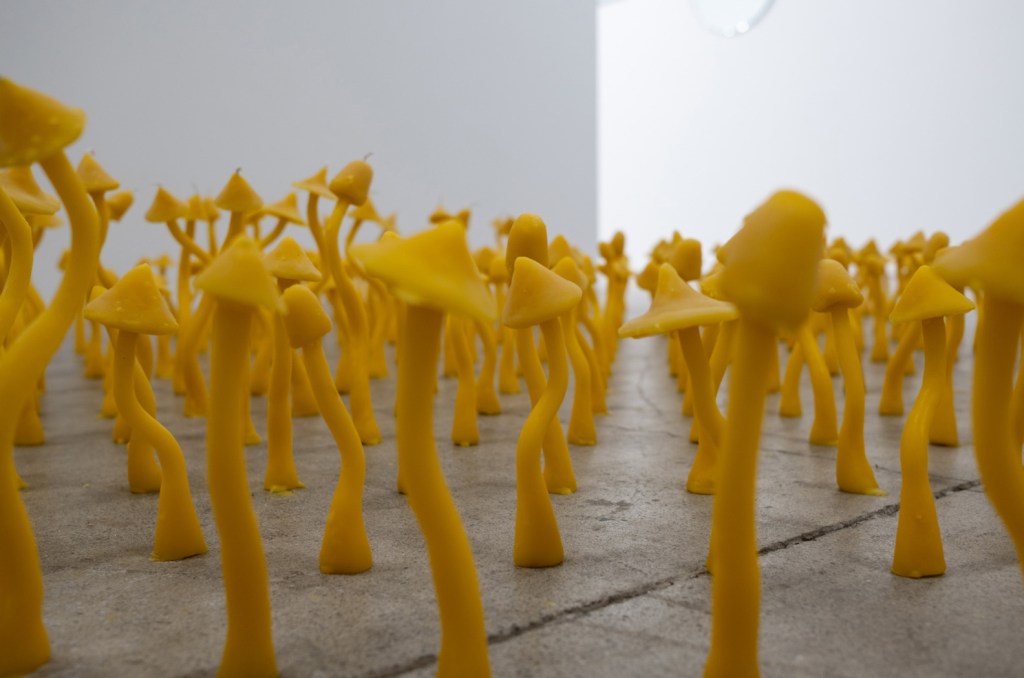
Your recent exhibitions and collaborations, including work with Lisa Reihana and participation in international fellowships, reflect a broad engagement with community and context. What have these experiences taught you about the role of art in shaping cultural conversations about climate, history, and connection?
Community has become incredibly important to me, though it’s taken me a long time to realise this. Most of the meaningful relationships in my life have formed through art. Art acts like a gravitational force, bringing together people who might otherwise never meet, and creating spaces where difficult conversations about climate, history, and identity can happen in ways that feel embodied rather than abstract. Working alongside artists, participating in residencies and fellowships has taught me that art is not just the work that appears on the wall or screen — it’s also the networks of care, labour, discussion, and support that make that work possible. There is a lot of invisible infrastructure behind cultural conversation.
I’ve learned that while art can shape conversations, it’s the communities around art that amplify them and allow them to have impact. Community can hold, challenge, disrupt, and sustain ideas in ways that institutions often can’t. The relationships I’ve formed through art have helped strengthen my voice, and I try to contribute back to that ecosystem wherever I can.
What do you think is the primary idea or goal of art in general? If there is a specific goal, what would it be?
Art seems to constantly contort in definition depending on who is making it and who is encountering it. For me, art is a diary, a chore, an addiction, and a pleasure all at once. It’s the way I process the world at a larger scale, the way I keep learning, and the way I respond to life without becoming idle. If there is a broader goal for art, I think it might be to help us notice what we’ve been trained not to see. To make visible the relationships, tensions, absentees, and histories that sit just outside everyday perception. Art gives us a way to sit with complexity and feel our way through it, rather than reducing it to something simple or easily resolved.

ARTIST OF THE MONTH
Interview, Online Exhibition
#artist of the month
PAI32 EDITION’26
 PAI_32 platform