
EVENT DETAILS:
OPENING NIGHT: Thursday, March 20, 6 — 9 pm.
ARTIST TALK: Sunday, March 23rd at 3 pm.
LOCATION: Feelium Gallery, 7 Kensington Mall W8 4EB, London, United Kingdom
EXHIBITION DATES: March 20 – 23, 2025.
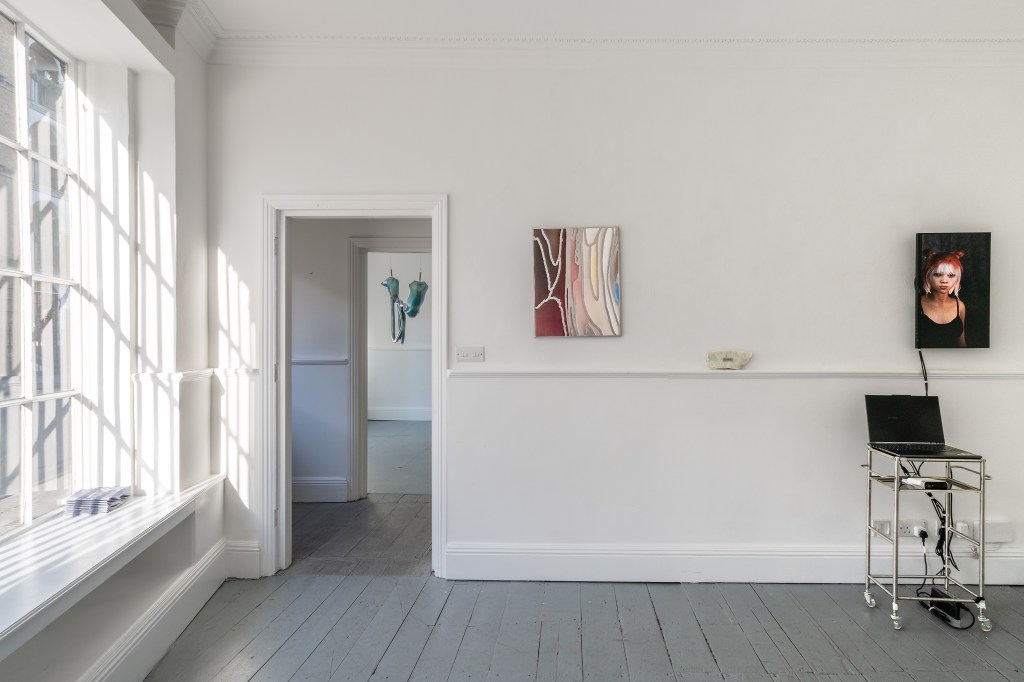
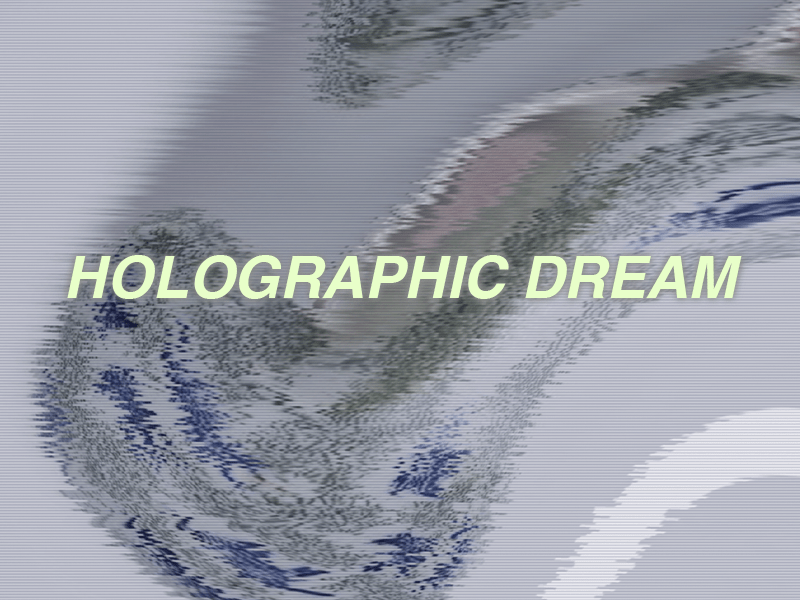
HOLOGRAPHIC DREAM is an exhibition that invites you to step into a space where the boundaries between self and universe dissolve, and the hidden layers of the mind unfurl like waves. This exhibition explores the holographic nature of identity, memory, and dreams, presenting them as both deeply personal and universally interconnected.
The concept of a hologram—that every fragment contains the whole—serves as the foundation for this exploration. Dreams, much like holograms, act as gateways, blending fragments of the subconscious with echoes of the collective. A single dream can reflect a lifetime of experiences, just as one memory holds the essence of an individual’s story. Here, dreams are not isolated narratives but threads in the vast tapestry of the human condition.
ARTIST TALK
March 23, 3PM, FEELIUM Gallery
ARTIST TALK
HOLOGRAPHIC DREAM
The exhibition Holographic Dream closely aligns with the ideas of Jean Baudrillard, particularly his concepts of simulacra, simulation, and hyperreality. Baudrillard argued that in the modern world, the boundary between reality and its representation becomes increasingly blurred — and this is precisely what happens in Holographic Dream, where dreams, memories, and perception become indistinguishable from “real” experience.
“Simulation is the substitution of the signs of the real for the real.” – Jean Baudrillard, Simulacra and Simulation
Many works in the exhibition create the illusion of reality based on internal (subjective) perception, rather than external truth. For example:
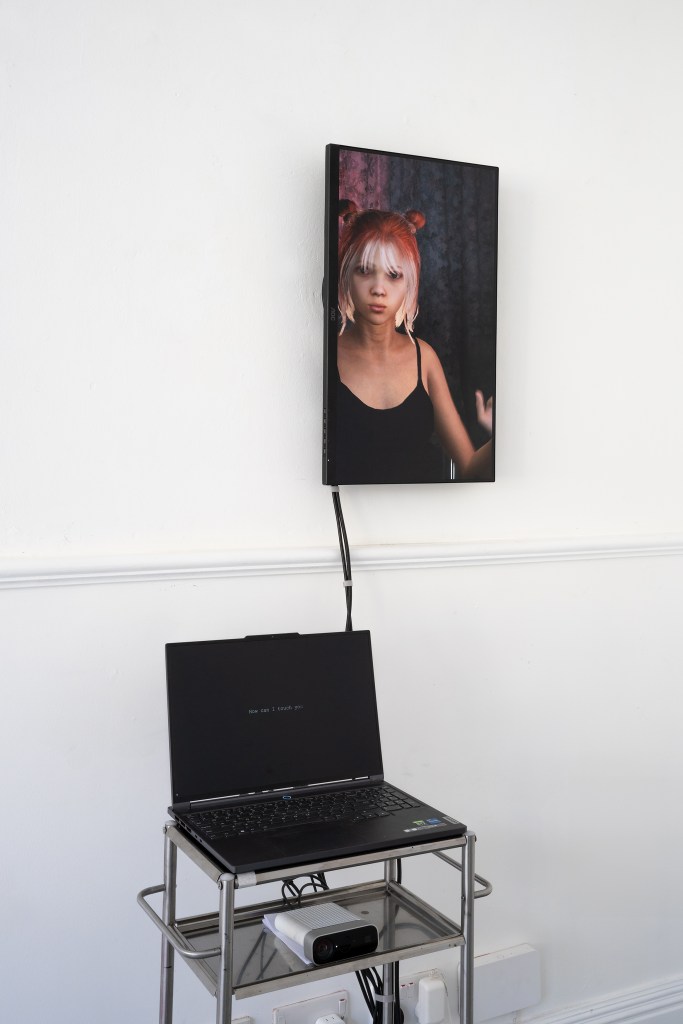
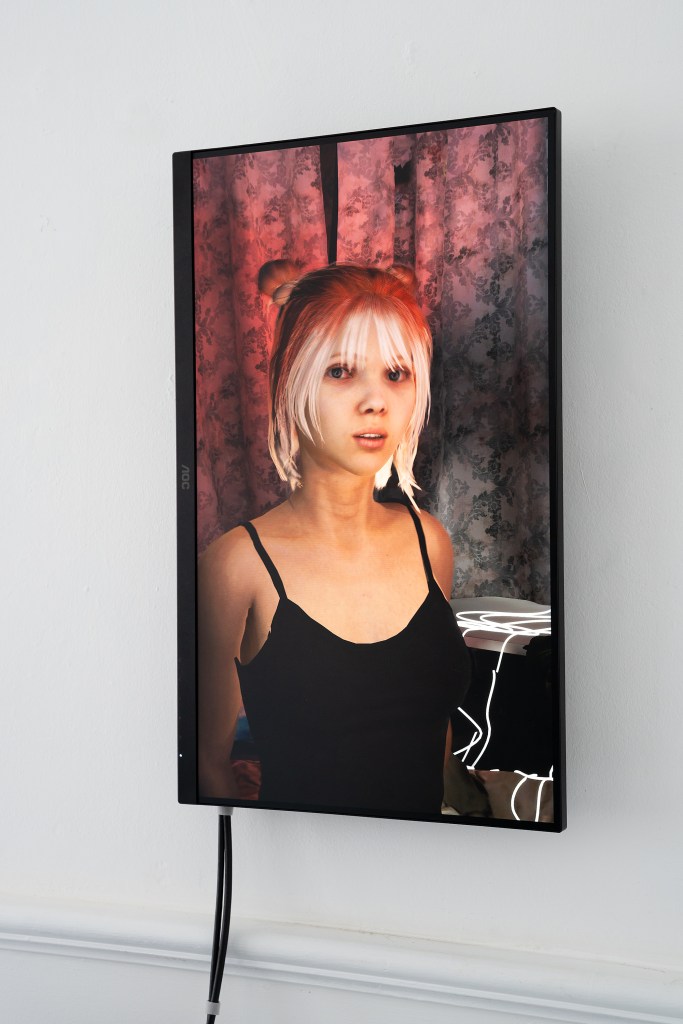
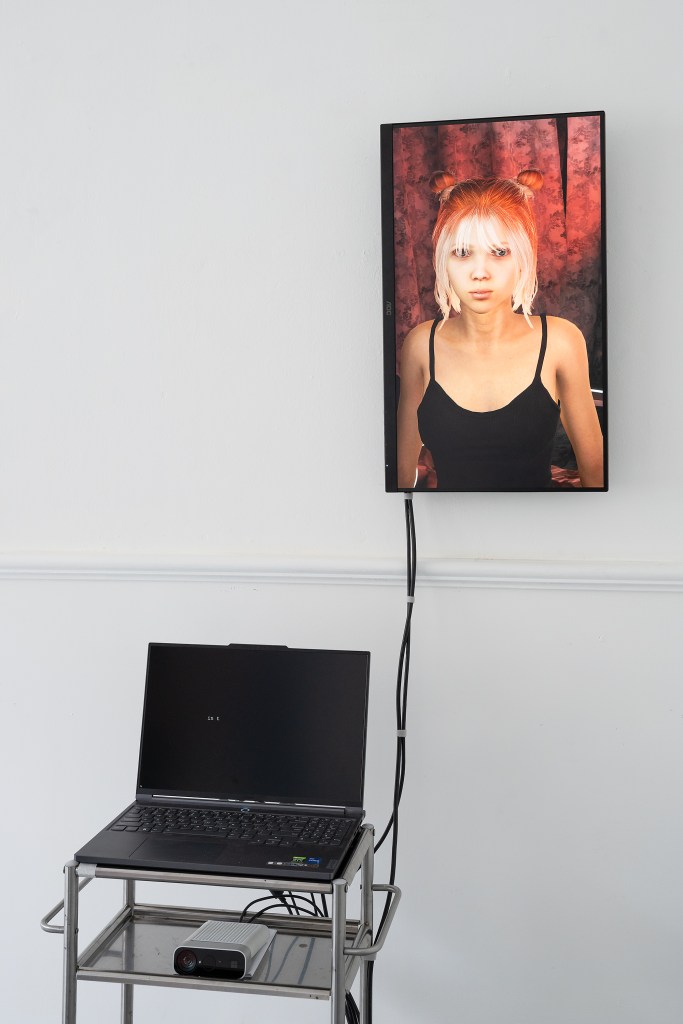
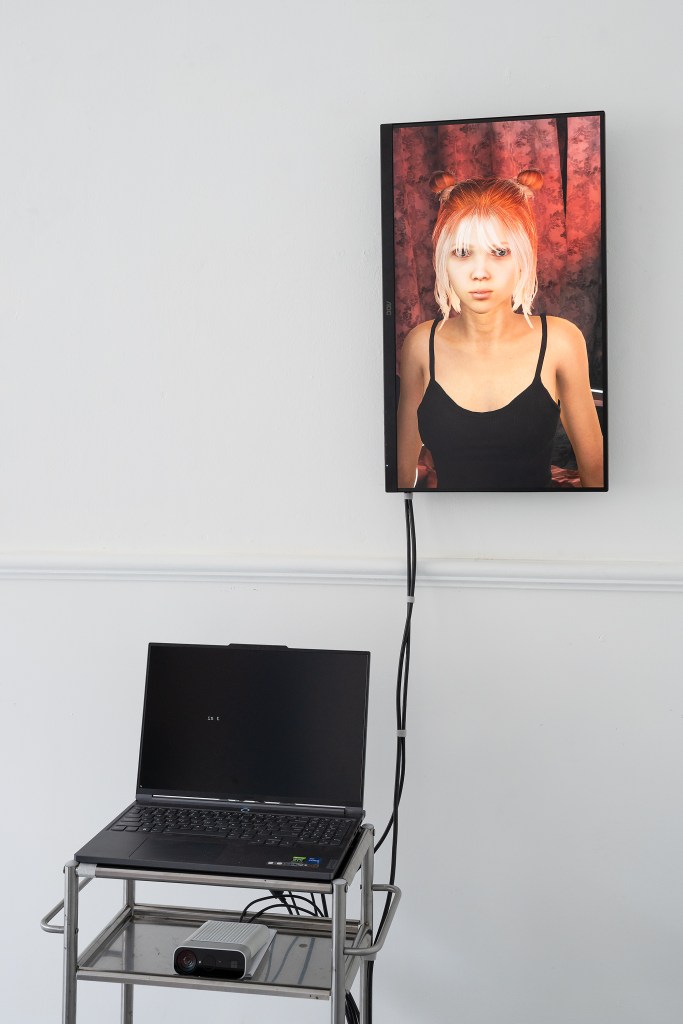
Hanbing Fang, Illusive Lover — This piece literally demonstrates the merging of digital and physical identity. The digital projection becomes the “lover,” a mirror of the self, blurring the boundary between original and copy. This is a direct illustration of simulacra as Baudrillard describes it: when the copy replaces the real — and eventually, we lose track of which was which.
“We live in a world where there is more and more information, and less and less meaning.” – Jean Baudrillard
The exhibition materialises dreams — typically abstract and private — into tangible, visual, and sensory forms that visitors can physically experience. This isn’t merely a representation of dreams, but a new reality born from the simulation of inner experience.
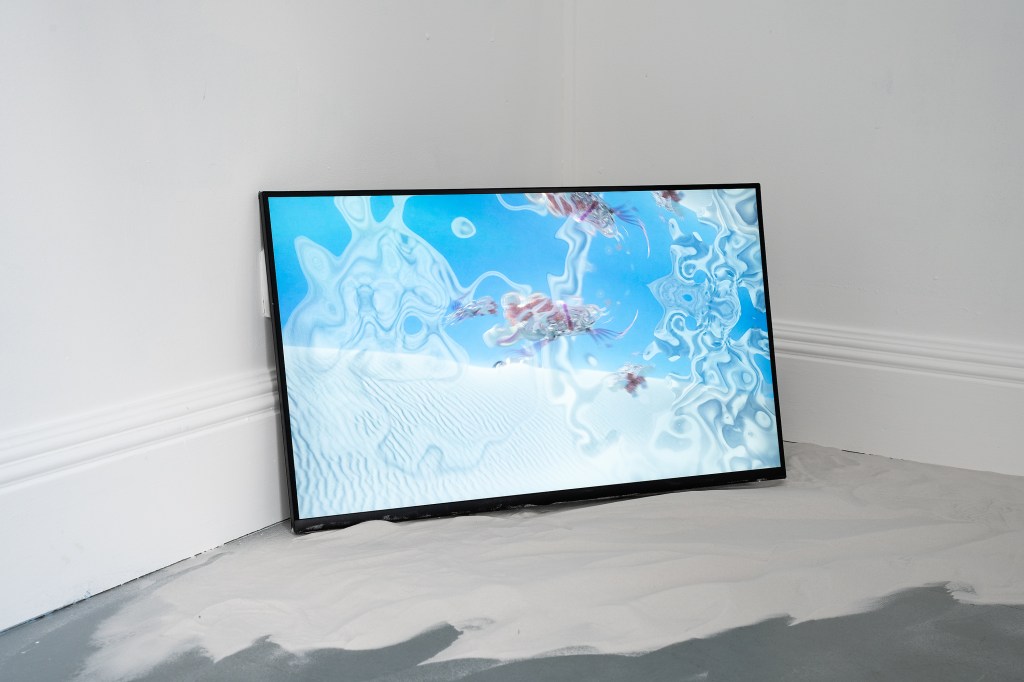
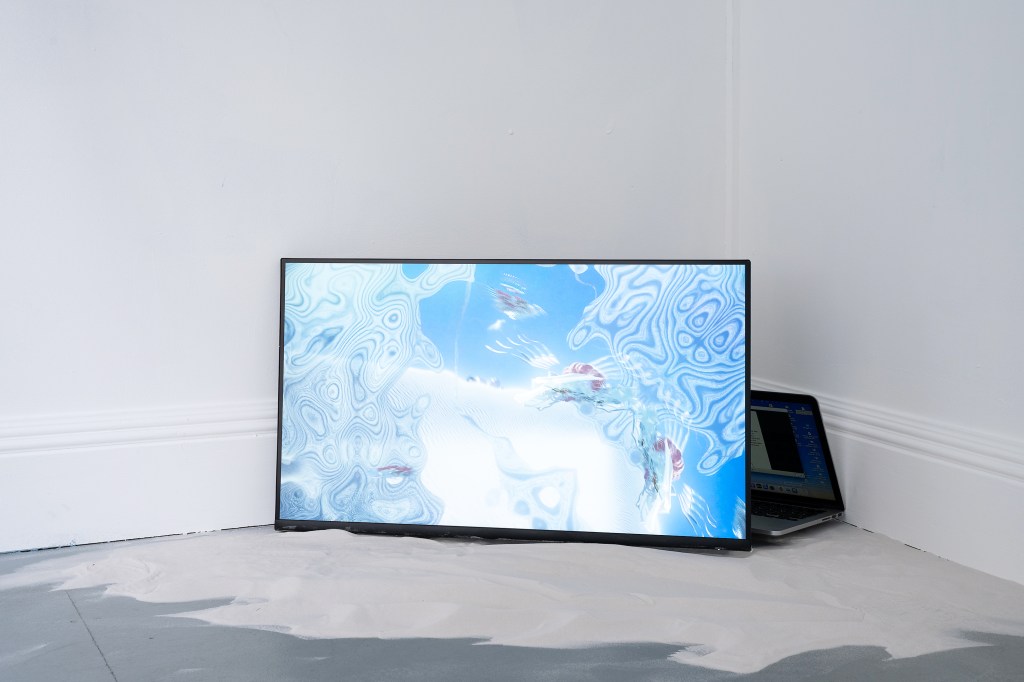
Yukang Tao, CyberSilhouette — A performance in which the artist “sacrifices” his physical identity and transforms into a fragmented digital form, creating a hyperreal version of the self. The viewer interacts not with the “real” person, but with his simulated reflection — one that feels even more vivid and intense than the original.
“The critical difference between the real and the imaginary no longer works… the real has disappeared.” – Jean Baudrillard
The theme of the exhibition revolves around the blurring of the line between dream and reality, the personal and the collective. The artworks don’t just illustrate dreams; they create a new, immersive reality based on the logic of dreaming. This echoes Baudrillard’s postmodern notion that the world no longer relies on stable meanings, only on their simulations.
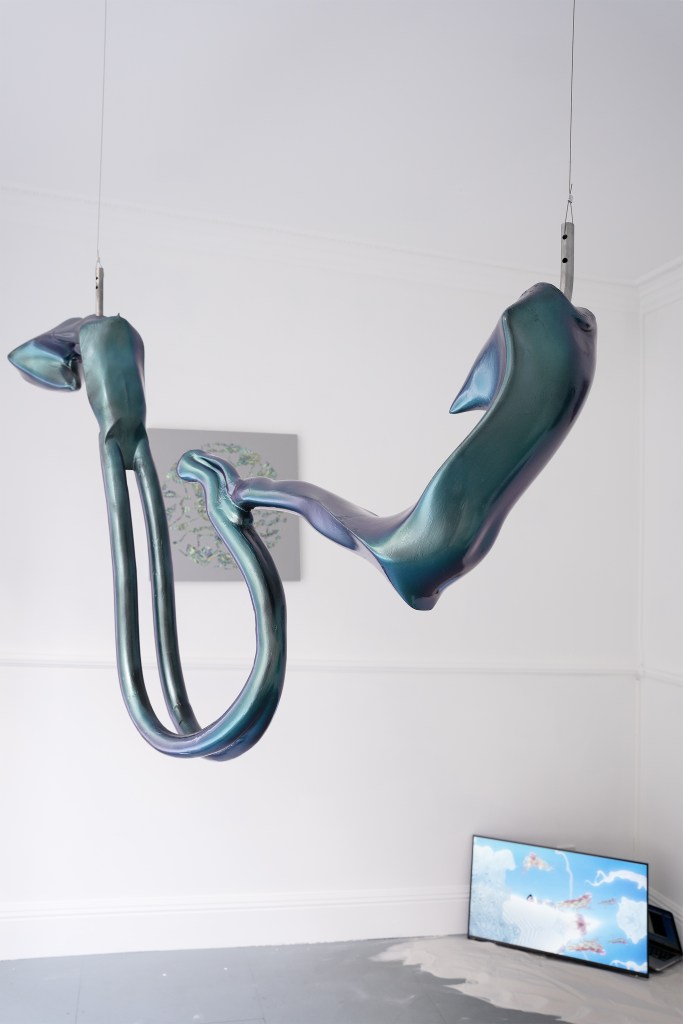
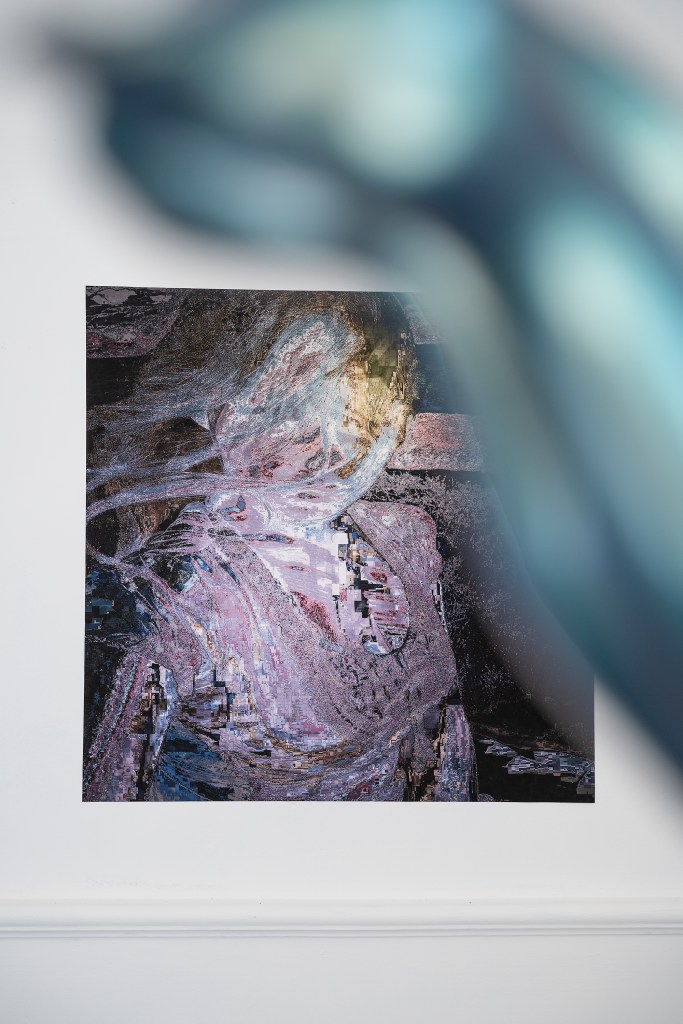
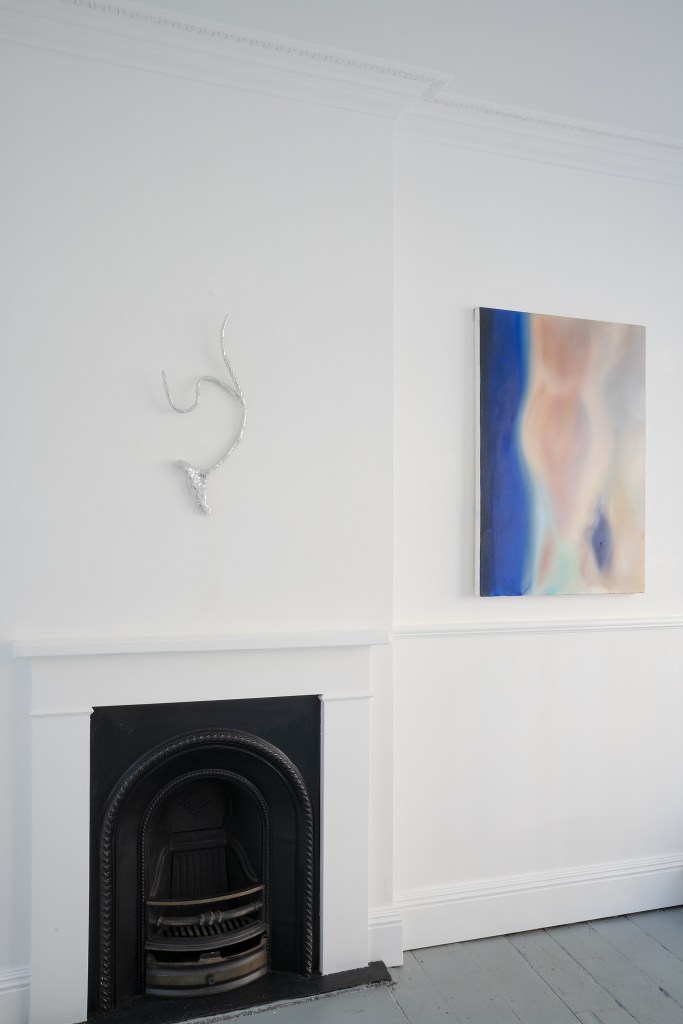
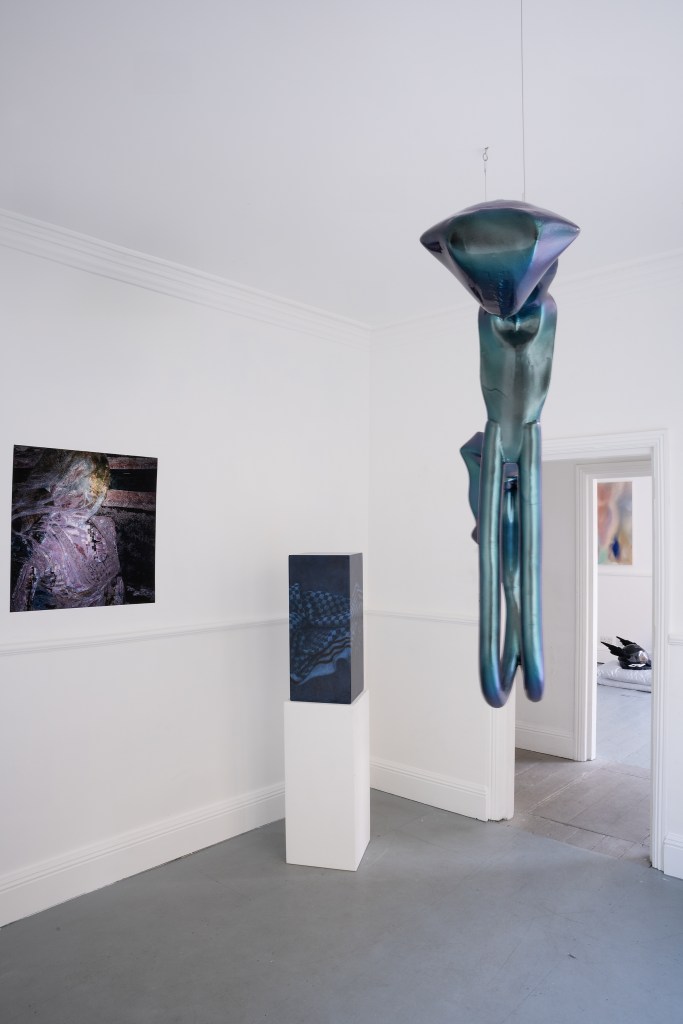
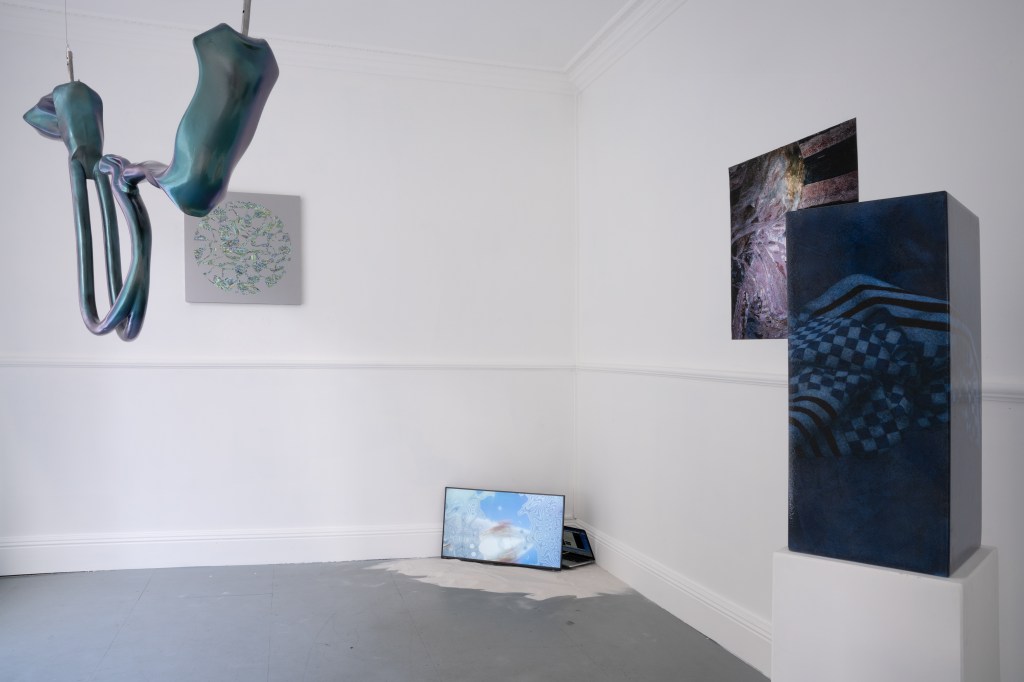
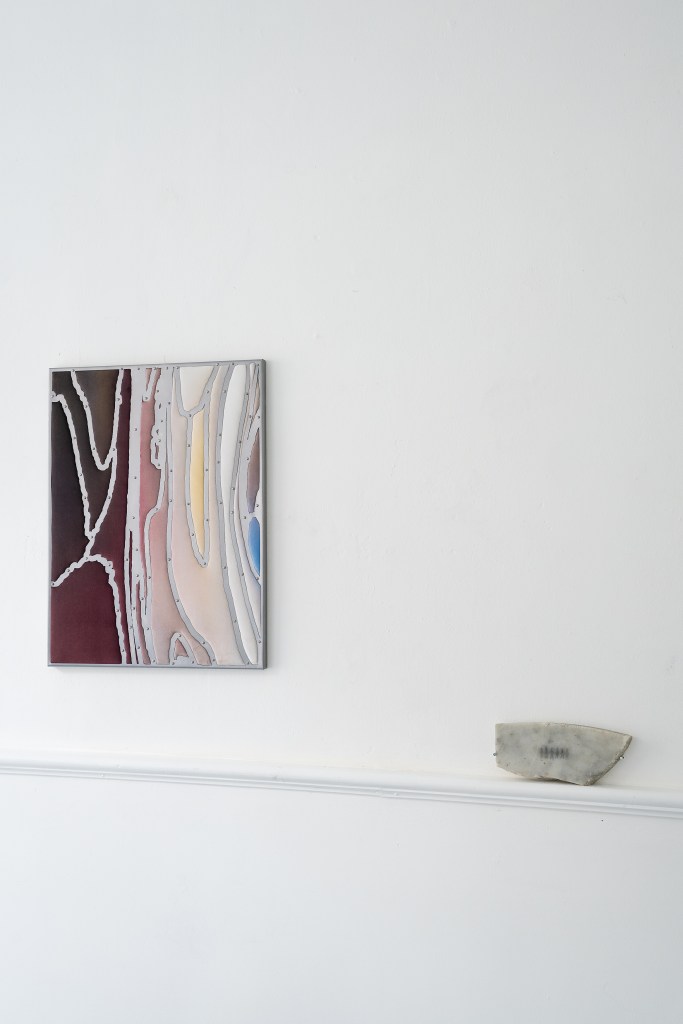
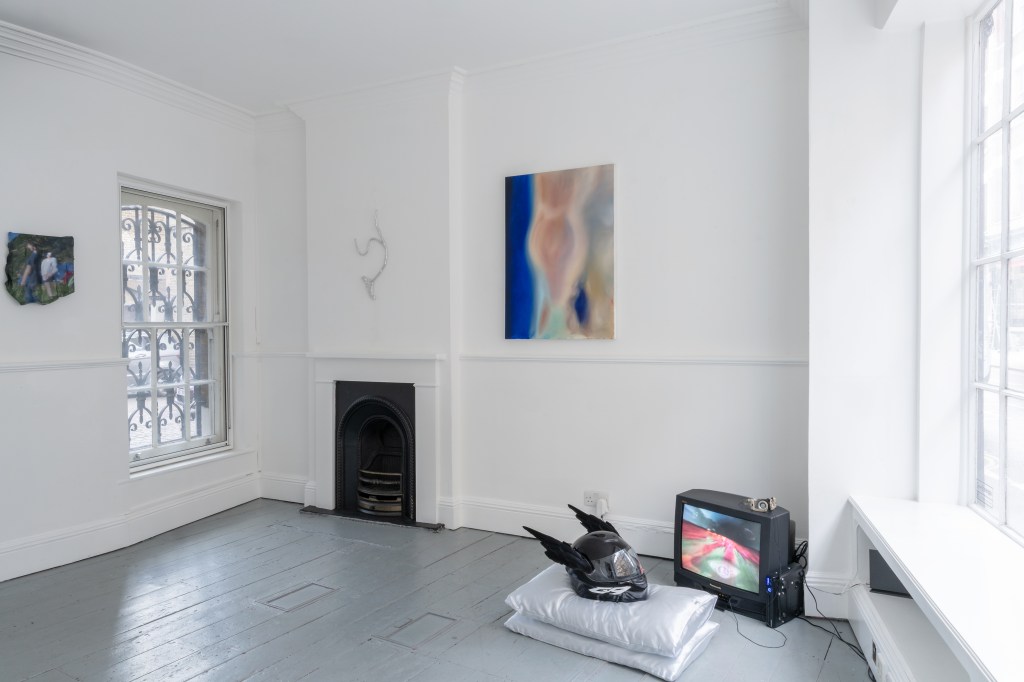
Photo by Sergey Novikov @velvia25
FEATURED ARTISTS:
Alex Sebiakin; Ivy Vo; Emilie Houldsworth; Nyla Stuckrad; Eveleigh-Evans; Yukang Tao; Yujin Jung; Iris Su; Hanbing Fang; Evangelia Dimitrakopoulou; Elizaveta Berkutova; Mashai; Ilsa Brittain
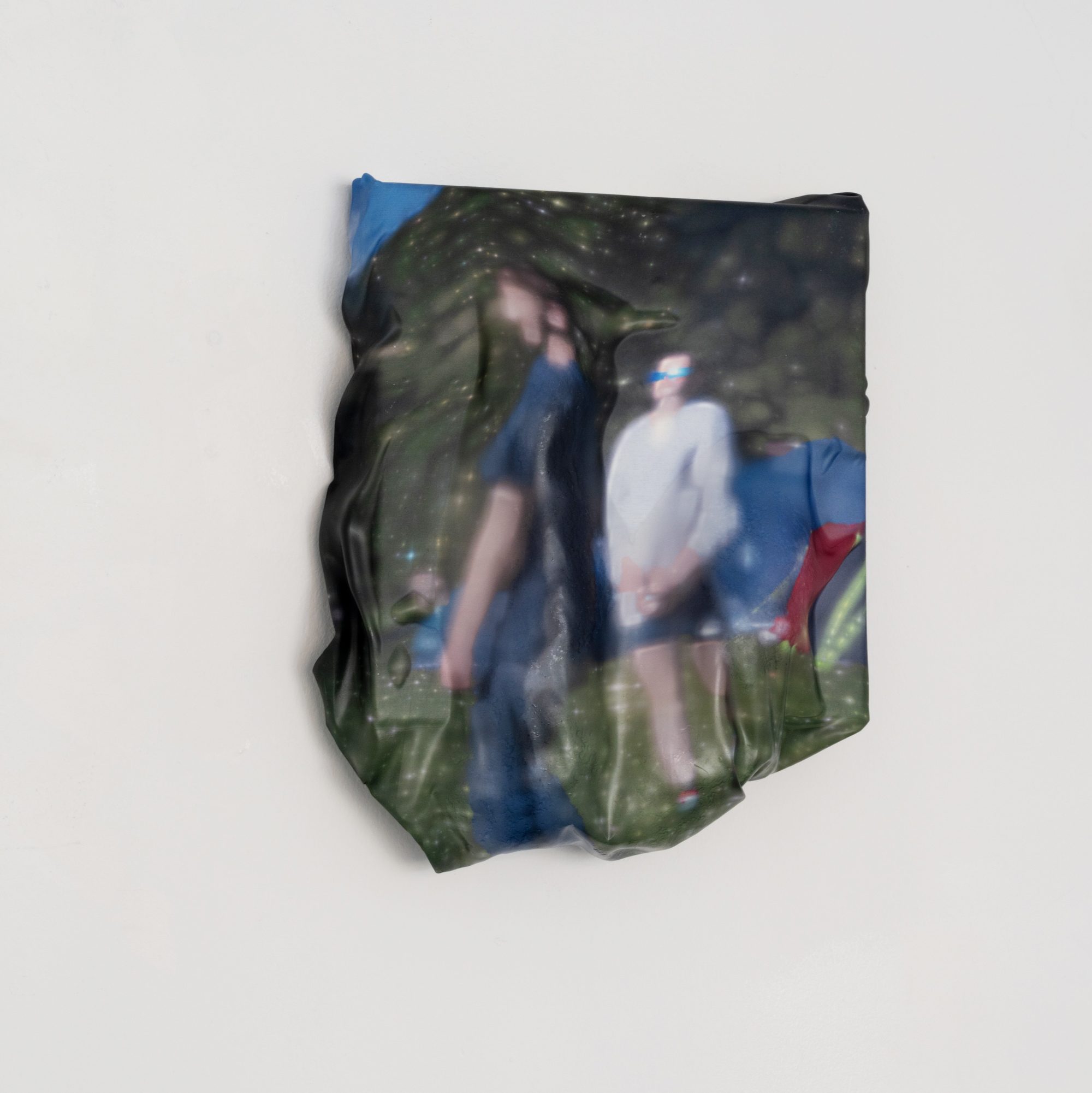
Alex Sebiakin
After Image—selves 08 / 2024 / 38x35cm / digital print on eco silk, cotton, resin, wooden frame
The _After Image_ series examines the cycle of material-virtual transformations through the speculative gaze of a ‘meta machine’ that captures, fragments, and reconstructs. Through pixel-sorting algorithms, images are disassembled into fragmented structures, allowing errors and distortions to emerge while stripping them of their inherent quail. They are then re-materialised using fabric, resin, and cotton, gaining physical form and manifesting as hybrid objects with sculptural qualities.
The process reflects how memory and perception function—constantly rewriting themselves, losing details while simultaneously forming new layers of meaning. These works exist at the threshold between presence and disappearance, materializing an ephemeral and unstable relationship between image, time, and the act of seeing.
Ivy Vo
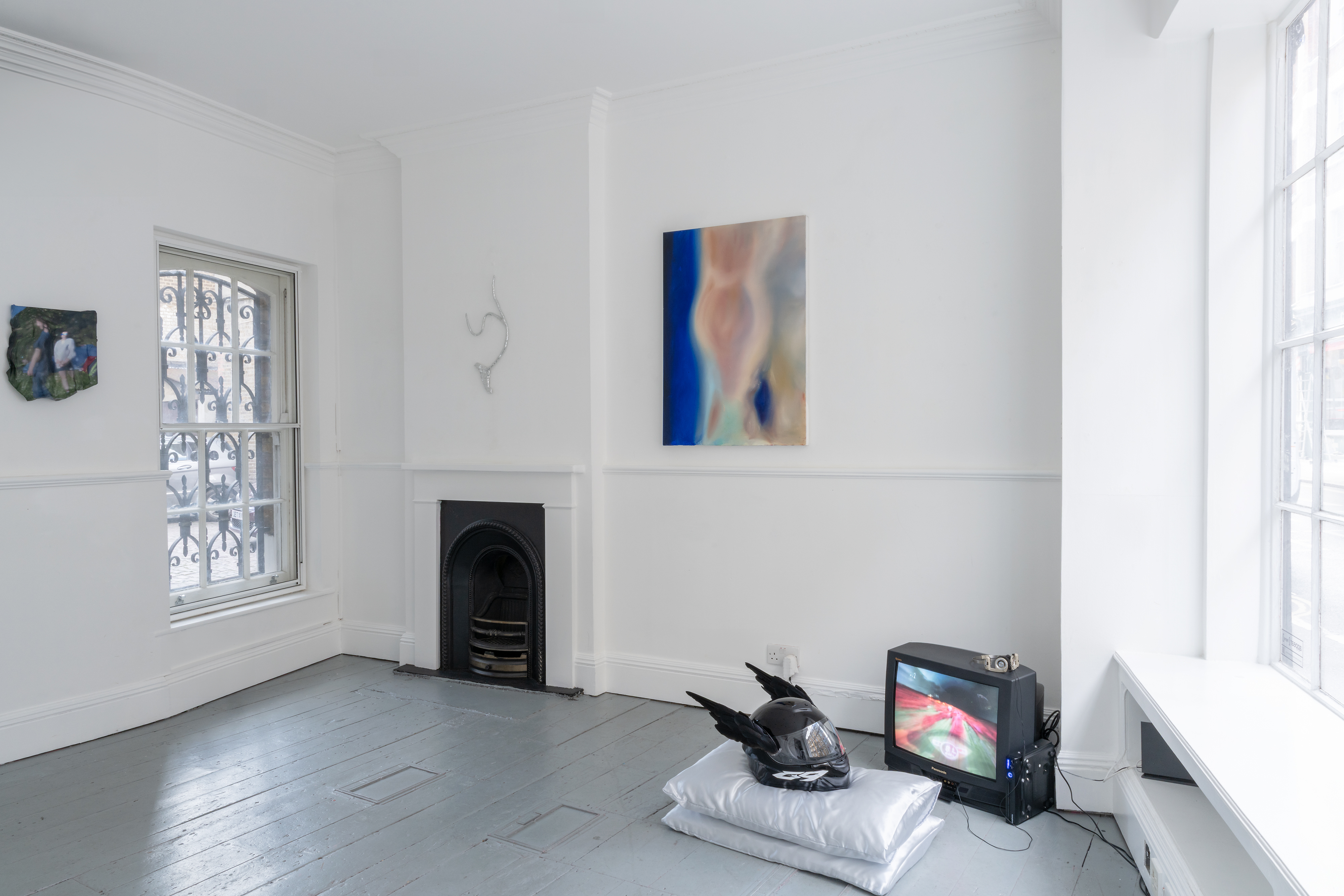
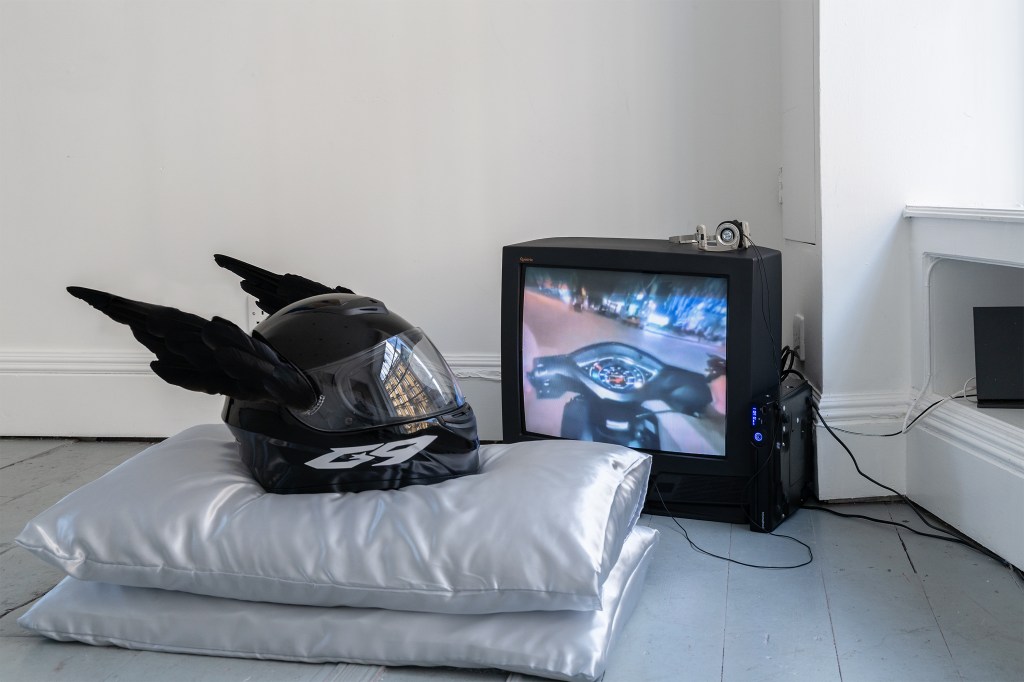
G9 (Viet slang for “good night”) is an experimental short film exploring the dream of freedom and the shadow of self-judgment. It follows a Vietnamese roadman on a neon-lit, nocturnal journey into his subconscious. Here, fantasies collide with the shame of desires. Glitchy visuals blur reality and dream, revealing how deeply ingrained norms shape our sense of self, even in our most private moments. G9 captures the paradox of freedom: the harder the roadman chases liberation, the tighter the grip of self-surveillance becomes. It mirrors the holography of selfhood—where each desire acts as a reflection of the whole.
Emilie Houldsworth
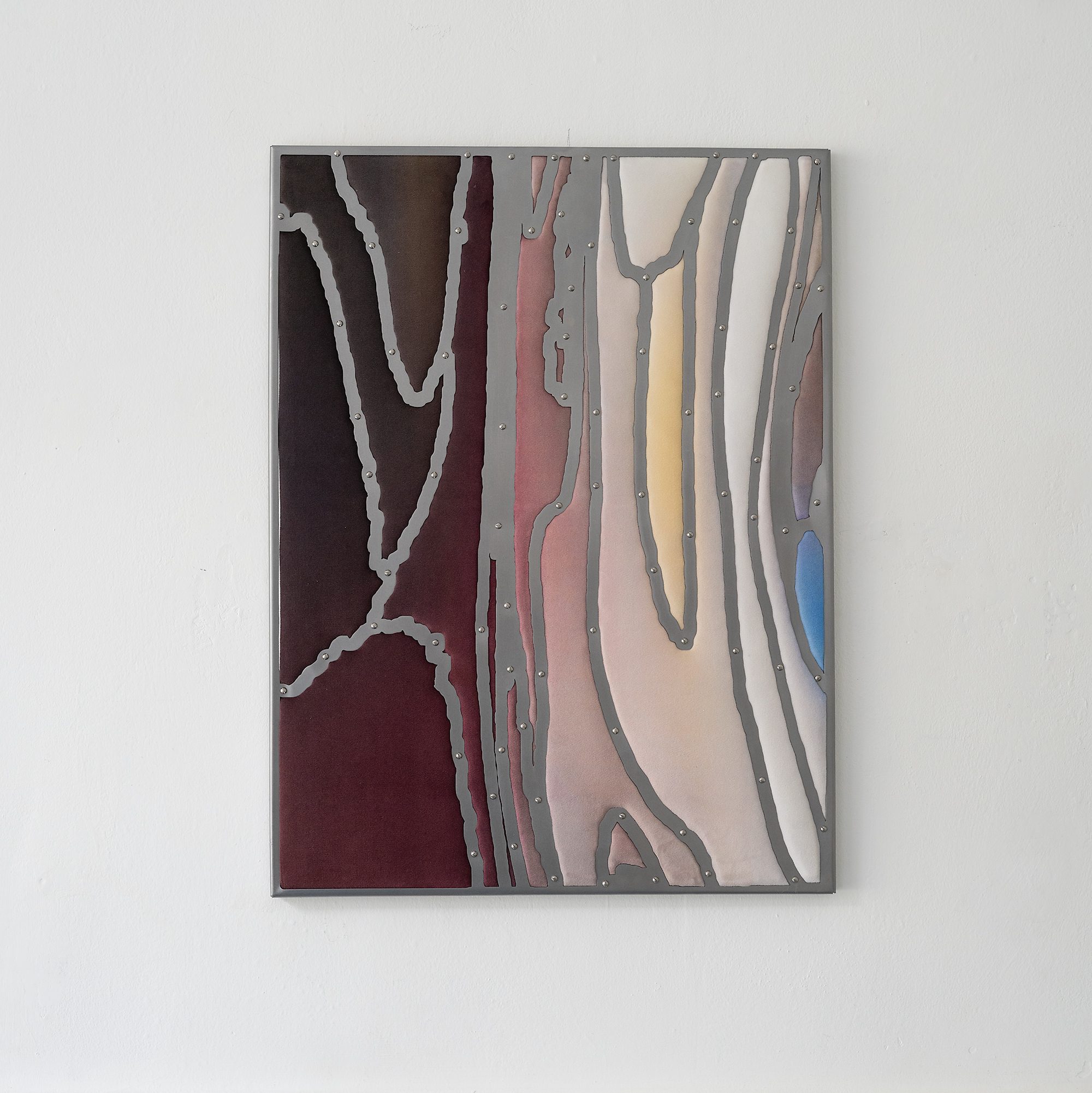
Intimate Immensity, 2023, Velvet, Wadding, Plywood, steel, screws, 59 x 45 x 2 cm
For me a hologram is a transition of realities, of space, an illusion, a liminal space potentially also embodied by that of a window.
The pandemic, isolation, memory, paranoia, loneliness, fear, valid and very real emotion. The window became the focal point of our daily existence. The framing of this exterior and untouchable reality, felt more like a fragment of Imagination, or a distant memory, split like a painting or a portal to another realm. These once familiar landscapes slowly but surely blurred into dark territories of the unknown.
Some days the compounds of that portal became distorted by elements such as rain, fog or condensation. The view beyond that liminal space, askew, blurred, unclear, evoking qualities of a broken memory, an altered state, perception of our immediate material and immaterial realities gone.
Objects placed in from of the window morphing into the scenes beyond the window, urban contexts beyond the compounds of the windows becoming the window. Isolation and sensory deprivation becoming one. Faces emerging from the wallpaper and wooden floors; vases turning into clusters of gems. Cranes from a building sit across the block extruding into the room, clocks melting like the persistence of memory, is this psychosis? Is this a dream? Or have I accidentally taken a tab or acid from last weekend?
Nyla Stückrad
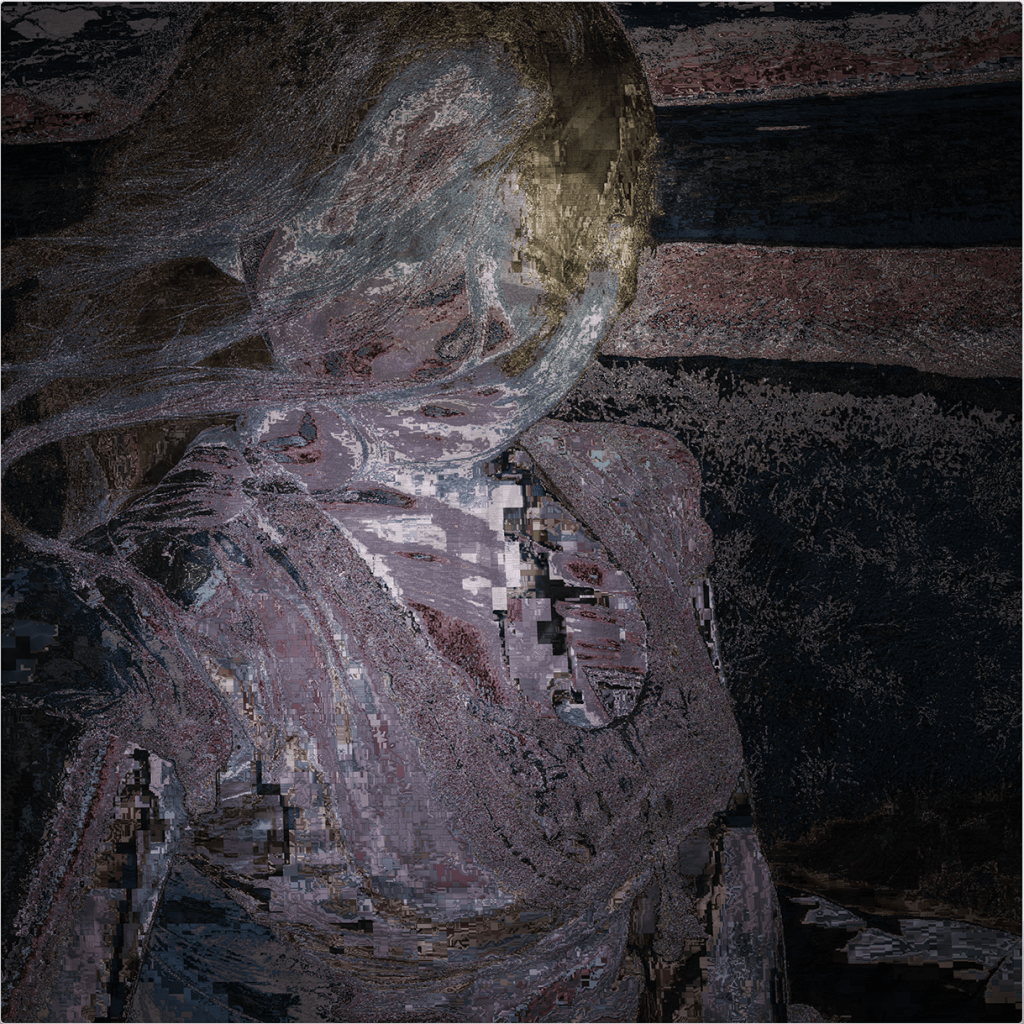
young girl in Breiddalsvik, 70×70 cm.
Girl in Breiddalsvik shows a girl on closer inspection, even if you can’t recognize her directly.
The girl’s eyes are covered by her hair, the wind is blowing strongly, so she can’t see. This blindness is bliss.

Eveleigh-Evans
LITHIKA – (Shell), Mother of Pearl, Aluminium, 60 × 60 x 5cm
Lithika – A Holographic surface of shell collage on Aluminium. Oldowan is an abstraction of flint knapping, the earliest stone tool industry. It holds the edge between nature and the hand, a map of transformative technology.
Yukang Tao
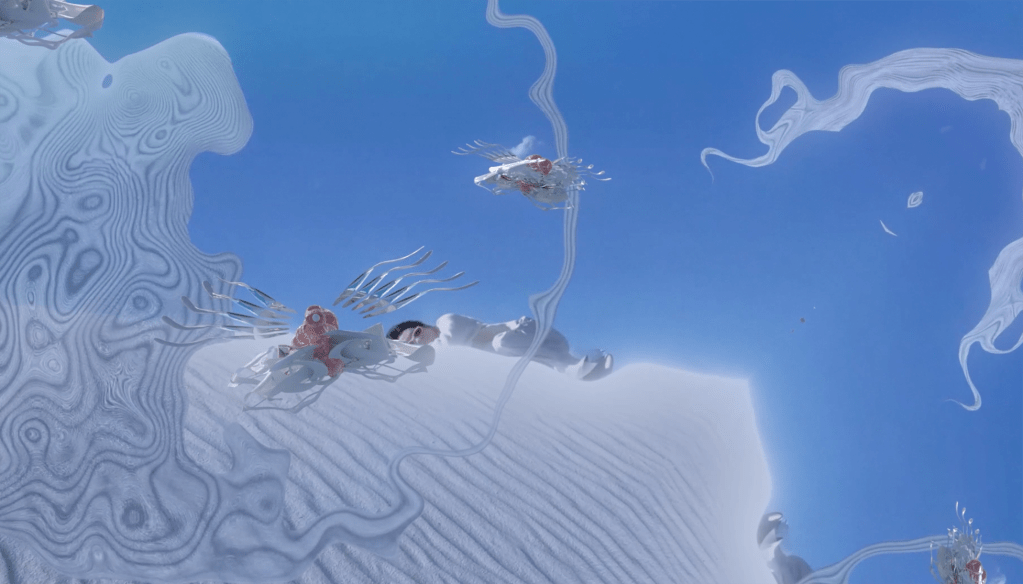
ArtiPerception, Medium: Blender, Cinema 4D, Performance. Finished in 2024, 3 : 52 mins
There is an identification with the greater forces of life and death in not just a suspension of the self or the self as a singularity of interpersonal forces meeting with the absolute. When I deconstruct my body, obscure my personage, and simultaneously sacrifice myself, I multiply into a fragmented composite. This process is not rooted in spiritualist escapism. Rather, “I” undergo a symbolic detachment or displacement from the realms of nature, allowing me to decontextualize myself and attain a renewed sense of being.
Yujin Jung
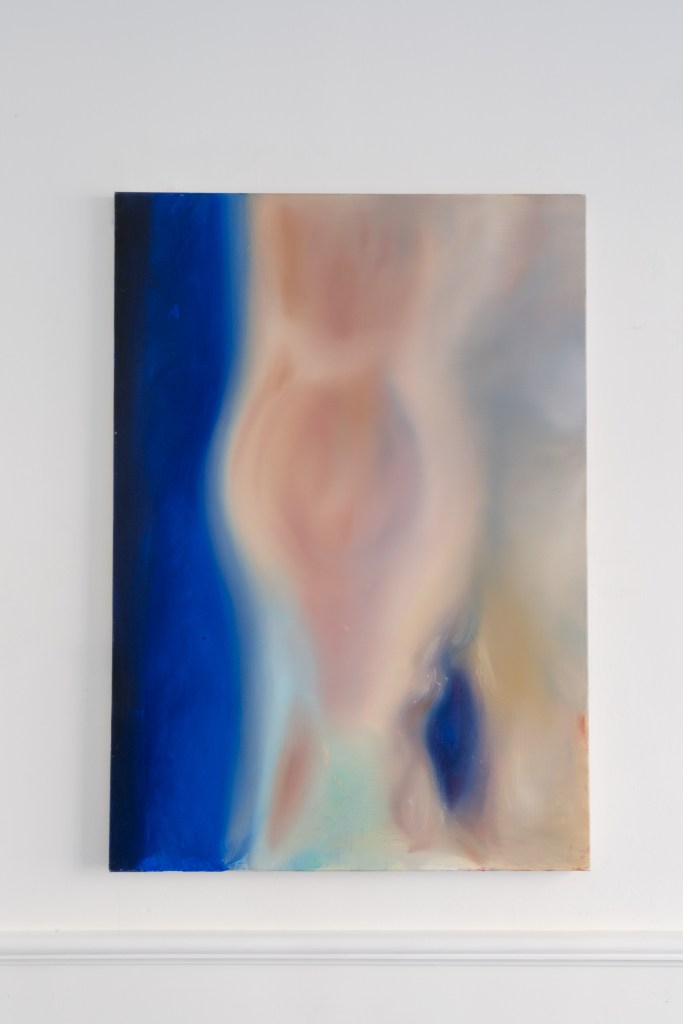
Closer, 2025, Oil on canvas, 116.8×80.3cm
‘I paint the intangible, abstract, and ambiguous nature of perception in today’s digital era. It addresses the space between what is apparent and what is hidden, and it comes from a desire to capture the elusive aspects of our visual experience. Inspired by philosopher Han Byung Chul, I incorporate circular structures in my work, linking them to mystery circles. (As he describes contemporary visual communication as increasingly panoptic, operating within a circular framework.)
Mystery circles appear fragmented and incomplete from the human’s point of view. But their overlapping, multifaceted patterns reveal a larger, interconnected whole—much like the circular formations of the panopticon.’
Iris Su
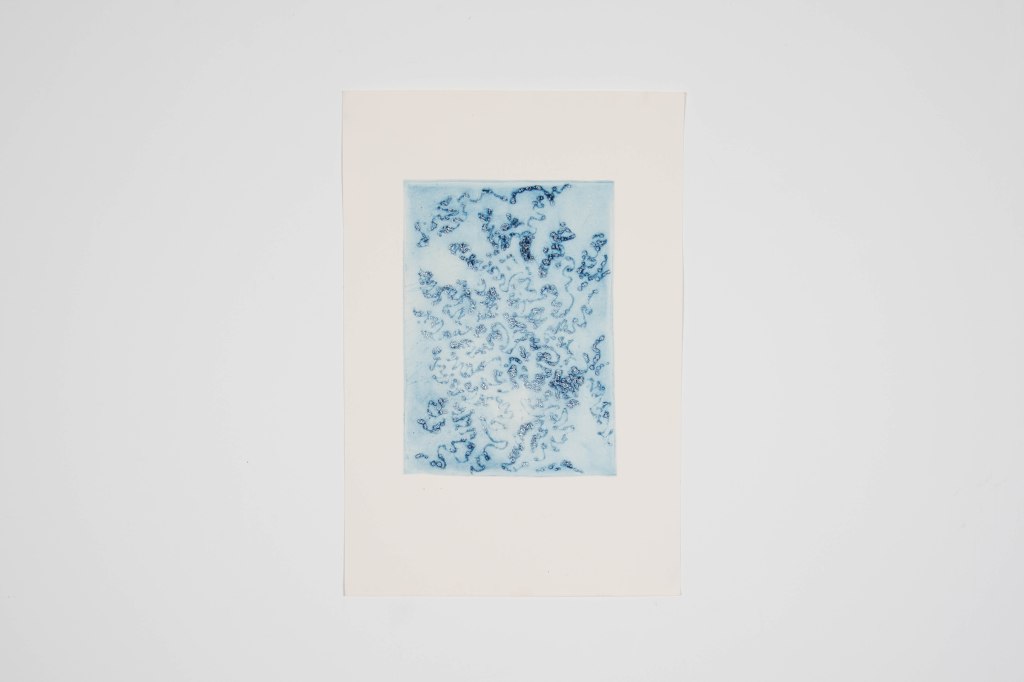
Decode #1, Etching, 35 x 40cm
‘My work explores darkroom printing and etching, transforming subconscious mark-making into new visual languages. In Root, a hand-drawn study of an aquatic plant is digitally processed into a mechanical aesthetic, laser-cut onto acrylic, and projected through a darkroom enlarger. Trash is My Drug translates my drawings onto mirrored acrylic, embedding layers of reflection.’
Hanbing Fang
Illusive Lover, 2023, Interactive Video Installation & Photography, Dimensions variable
Illusive Lover, is a collection of mixed reality illusions that tell a surreal story through the fusion of real and digital imagery. The visual effect of this work creates the illusion of a three-dimensional digital space invading reality, blurring the boundaries between the virtual and the real, and demonstrating the ambiguous relationship of identity and self-recognition between me and my Illusory Lover – the digital version of me. This work embodies my notion of challenging traditional identities and self-body perceptions in a posthuman discourse, inviting the viewer to reflect on the evolving notions of “self”, “virtuality” and “reality”.
Evangelia Dimitrakopoulou
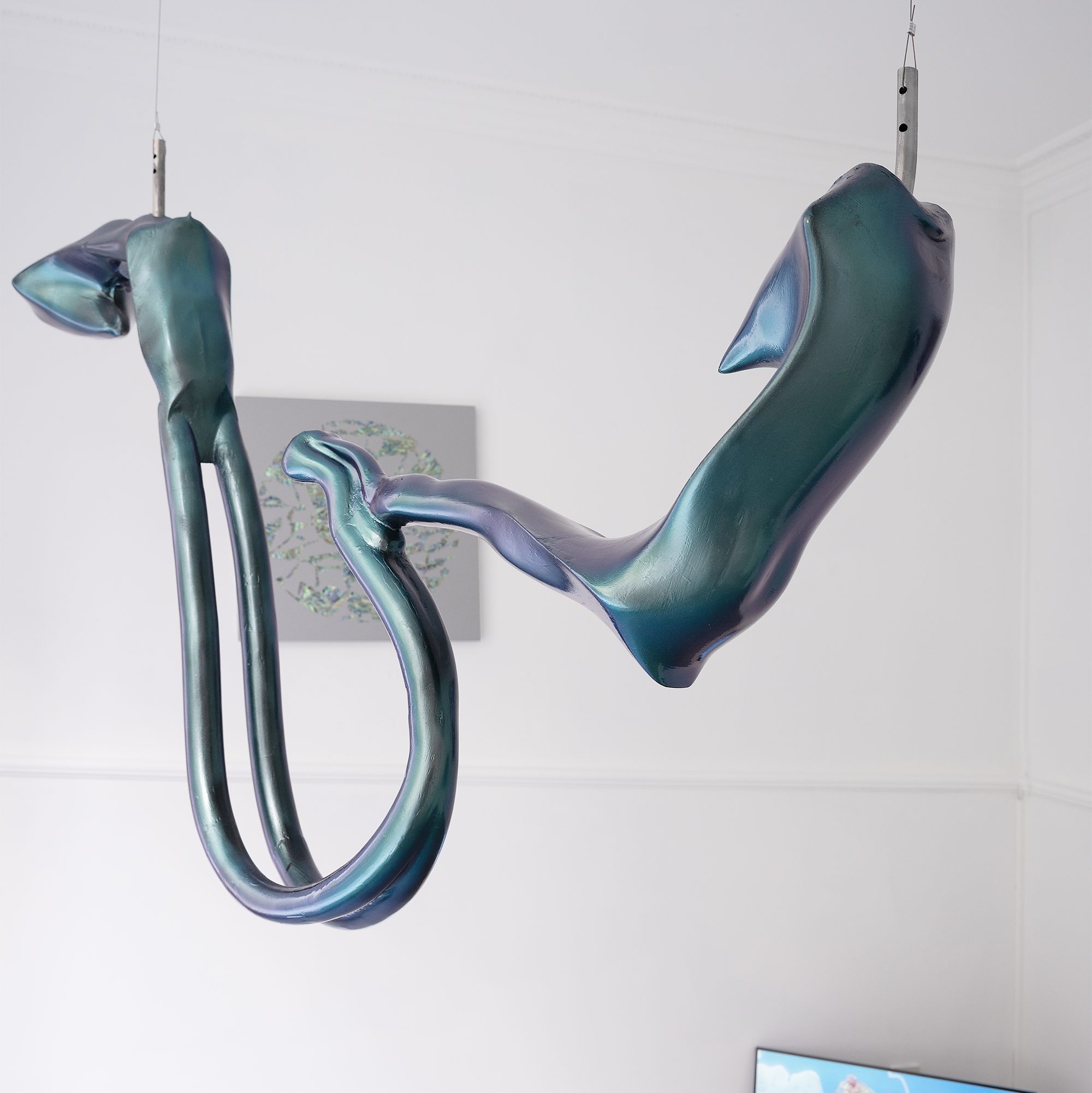
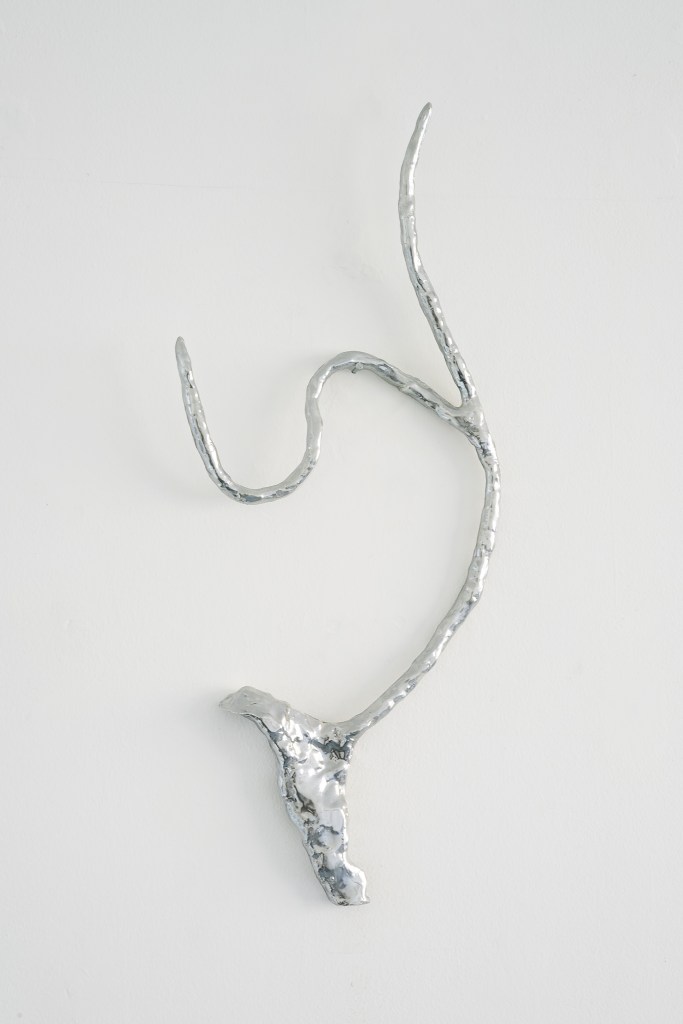
Cochlea 1.2: PLA, automotive paint, steel 140 x 38 x 80 cm, 2024
Cochlea 1.2: A 2018 study in Scientific Reports, identified a new component in our biological structure, the Interstitium, a new organ-long hidden system of fluid cavities found everywhere in our bodies. These hidden tunnels transport nutrients and juices, playing an important communication in our immune regulation. Amongst this, there have been more reports of new pairs of salivary glands. Are we summoning new tissues to translate the constant changes that are reflected from our environments on our bodies?
Elizaveta Berkutova
Serendipity: Flap of a wing’, 2025, object, 60x26x4cm
‘Serendipity: Flap of a wing’
The project explores the delicate interplay between vulnerability and protection, chaos and unexpected salvation. Drawing from childhood perceptions of safety, it reflects on the idea that by adopting another form, one could escape pain and destruction. The belief that a toy, unlike a human, neither suffers nor perishes becomes a metaphor for the illusion of security that lingers into adulthood.
The artist’s work constructs a space of serendipity, where unease and protection coexist. Soft, tactile forms evoke protective barriers—shells shielding against an unstable world—yet they simultaneously reveal their own fragility. By blurring the boundaries between reality and imagination, the project illustrates how chance, far from being random, can serve as a transformative force, where destruction gives way to renewal and fear becomes a catalyst for adaptation and reimagining.
Mashai
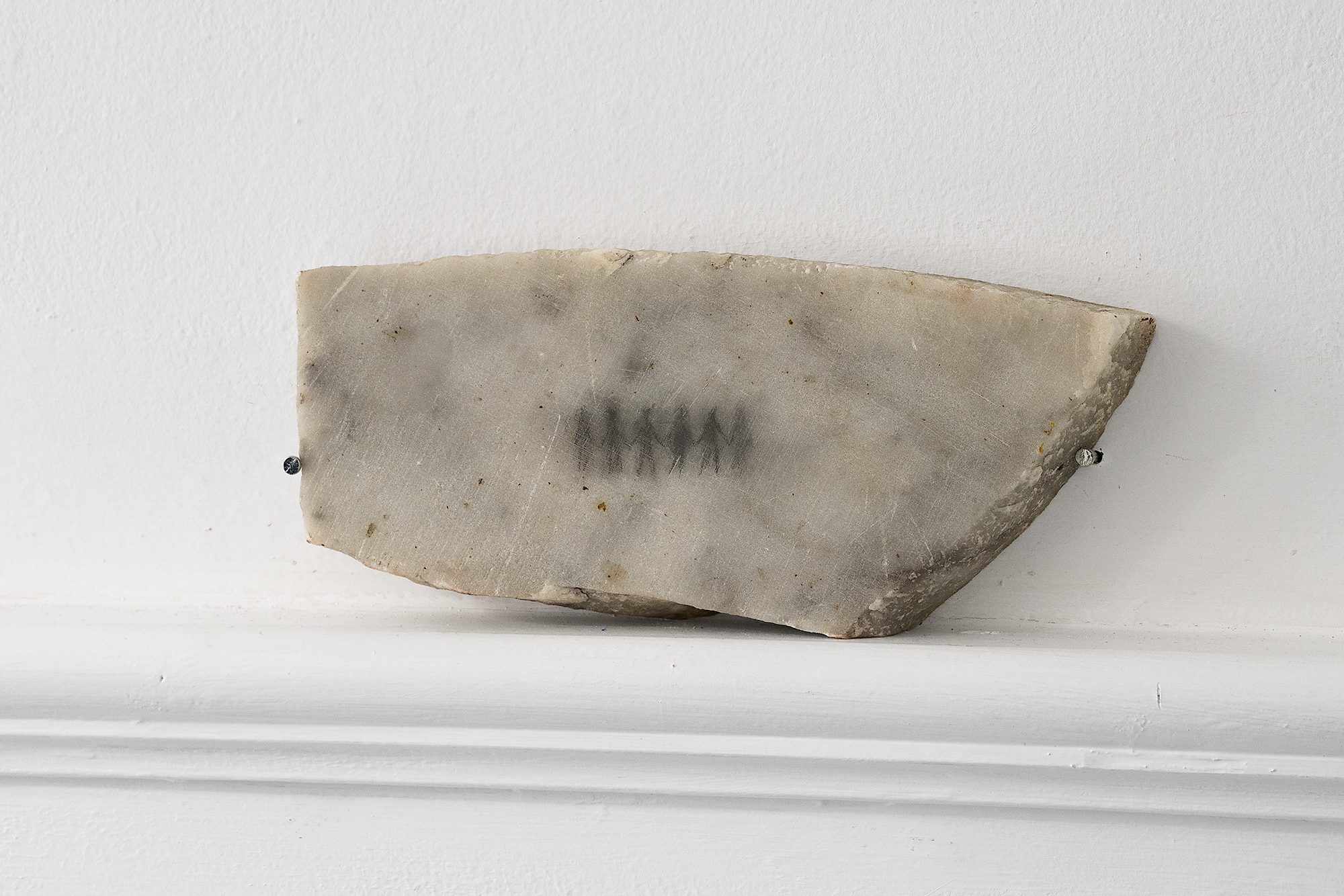
Fragmentation, marble, graphite, 45x20x5 cm, 2024
Fragmentation explores the imperfect and fragmented nature of recollection. Memories shape our identity, yet they appear in incomplete pieces rather than as a whole. The more significant a memory, the more vivid and detailed it becomes, but analysis often causes elements to fade or distort. This work reflects the tension between perception and reality, highlighting the inherent incompleteness of memory.
Ilsa Brittain
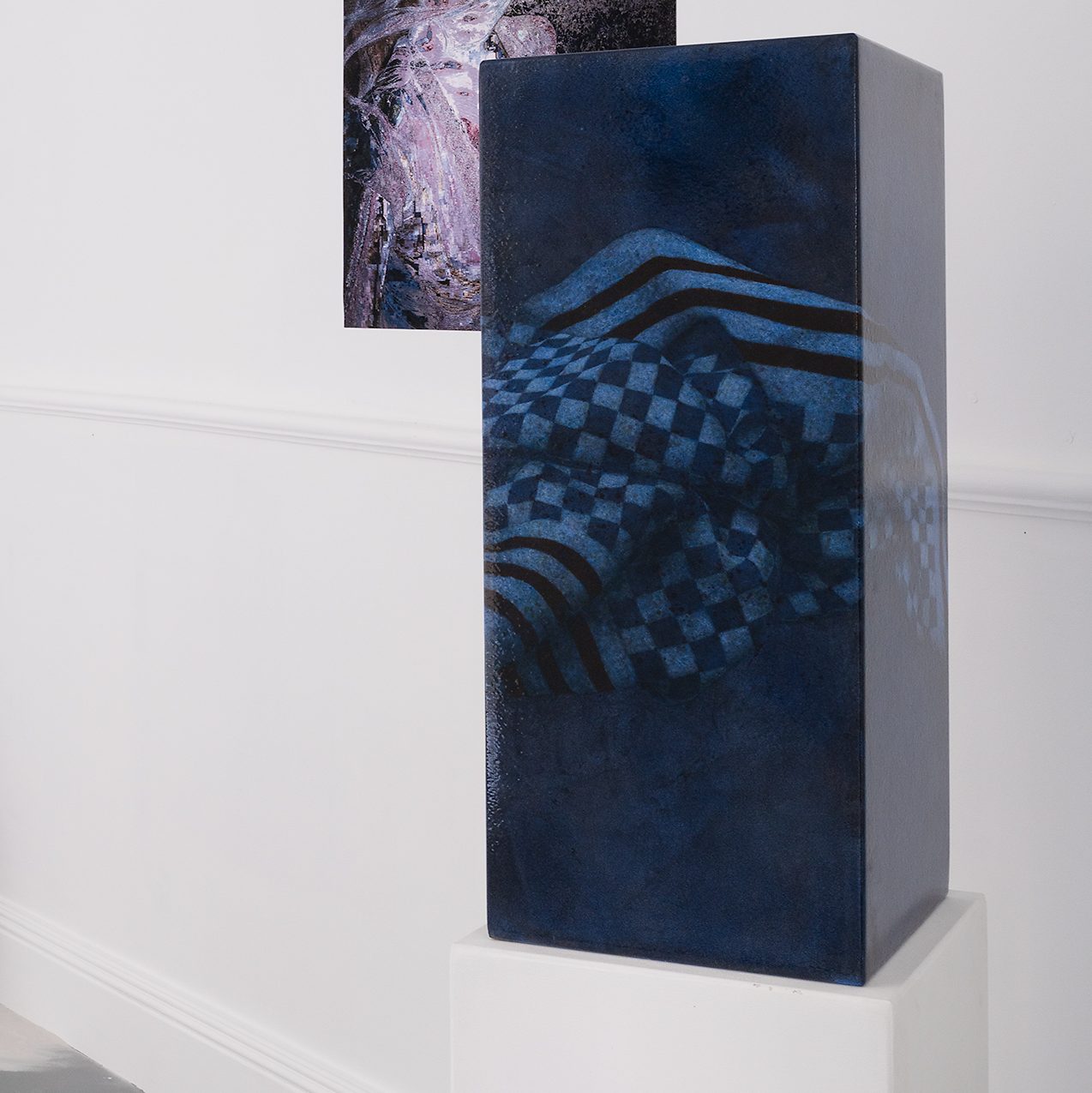
Circular Stories in situ 30x30x70cm acrylic on plinth
‘Circular Stories’ acrylic on a plinth (30 x 30 x70cm) on plinth (36 x 36 x 80cm).
Dark and shiny the painted plinth has the feel of boxed liquid. The imagery of a cloth with a chequered pattern is painted as if it sits, floating, beneath the surface, circumventing the plinth in continuous motion.
I am interested in theories that might explain the physical reality of our world, about consciousness, and about our endless curiosity to understand. For me this object deals with these themes, whilst also being simply a compelling object to look at and to loose oneself in.
I feel this would fit very well with the exhibition’s theme ‘Holographic Dream’ – which seems to be a reference to the theory of the Holographic Universe, where 3-dimensions are really projections from a 2-dimensional plane. And ‘Dream’ which seems to be a reference to the unconscious mind.
LOCATION: 7 Kensington Mall W8 4EB, London, United Kingdom
IMAGE CREDITS
All rights to the images belong to the artist.
No part of this publication may be reproduced, stored in a retrieval system, or transmitted in any form, electronic, mechanical, photocopying, recording or otherwise, without the prior permission of PAL_32 Platform or the artist.
This webpage was published in conjunction with the exhibition HOLOGRAPHIC DREAM by PAL_32 platform at the Feelium Gallery, 7 Kensington Mall W8 4EB, London, United Kingdom
 PAI_32 platform