
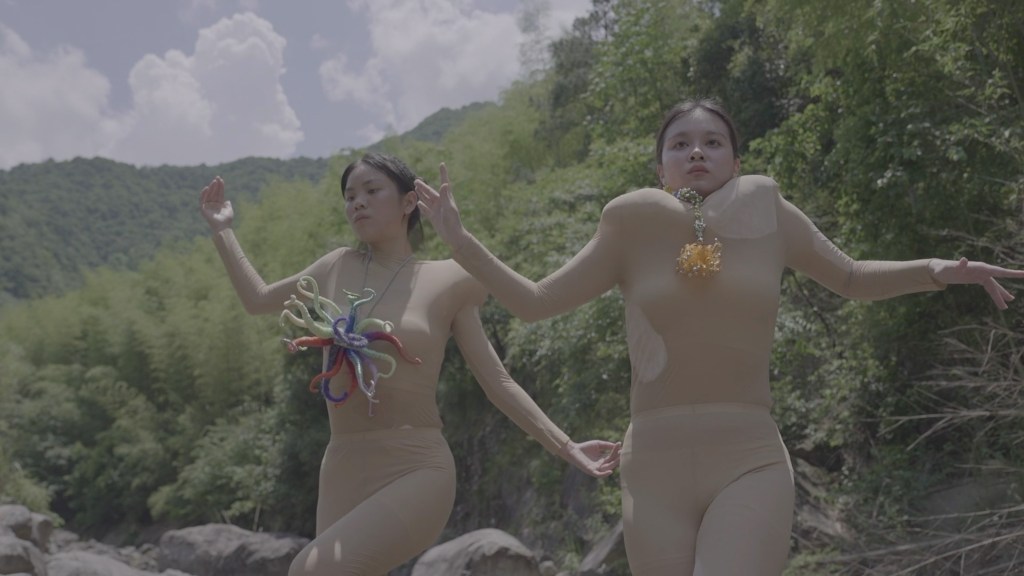
↑ The Darkness of Water, 2023. Media: Moving image, Performance, Material: Mixed media (Water soluble fabric, Fishing line, Cotton)
Shuchen Zhai: Glitch, Identity, and Politics
Shuchen Zhai is an interdisciplinary artist whose practice moves fluidly between performance, moving image, computational art, and installation — always circling back to a central question: what happens when a system tries to define you, and fails?
Born in China and based in London, Zhai came to art through an unexpected route. After years working as a creative stylist across San Francisco, New York, and Shanghai — collaborating with major international brands and editorial clients — they found themselves unable to reconcile the pace and logic of the fashion industry with the growing questions it raised in them. That friction became the engine of their practice.
Their work draws on glitch feminism theory, queer computing, and posthuman performance to challenge the gender binaries embedded in technology, culture, and systems of recognition. In their ongoing Dear Faces series, they deploy AR face filters and facial recognition software as tools of disruption, creating identities that refuse to be cleanly read or classified. In Sonotext, a live voice-driven text performance, the human voice becomes both carrier and saboteur — activating text that simultaneously appears and dissolves. And in Shamate, a moving image and 3D animation work, they turn to a marginalised Chinese youth subculture erased by mainstream society, exploring how certain images — and certain people — get labelled vulgar and quietly disappeared.
Zhai holds an MA in Computational Arts from Goldsmiths, University of London, and is a graduate of the Academy of Art University in San Francisco, where they studied fashion styling. Their work has been published in Fucking Young! and Hypebeast, and their creative collaborations span Converse, Champion, Skechers, and VF Corporation.
In this interview, Zhai speaks about leaving the fashion industry to critique it from the outside, the glitch as a political act rather than an aesthetic choice, the ethics of representing a community that isn’t their own, and what it means to code a body that refuses to be computed.
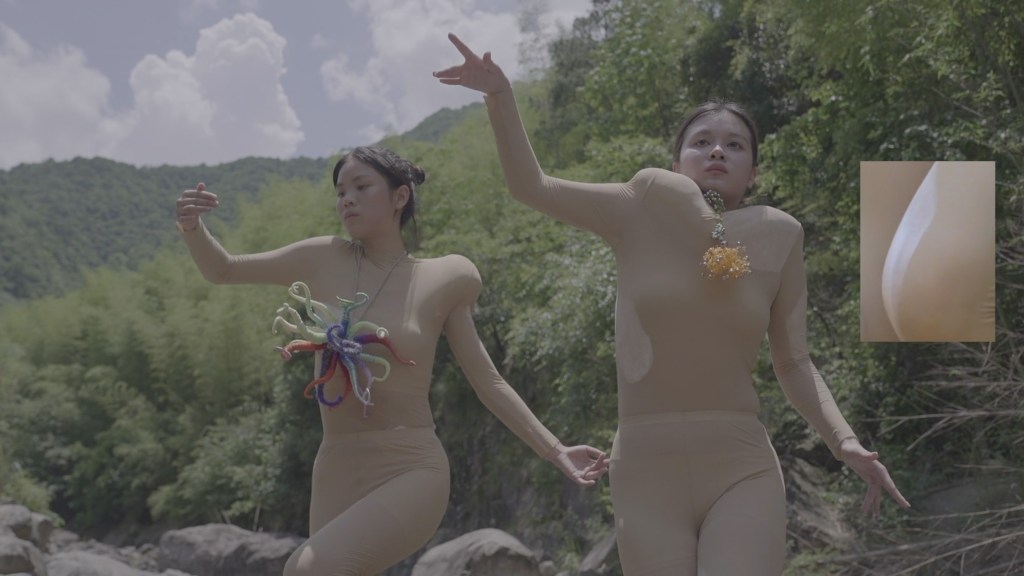
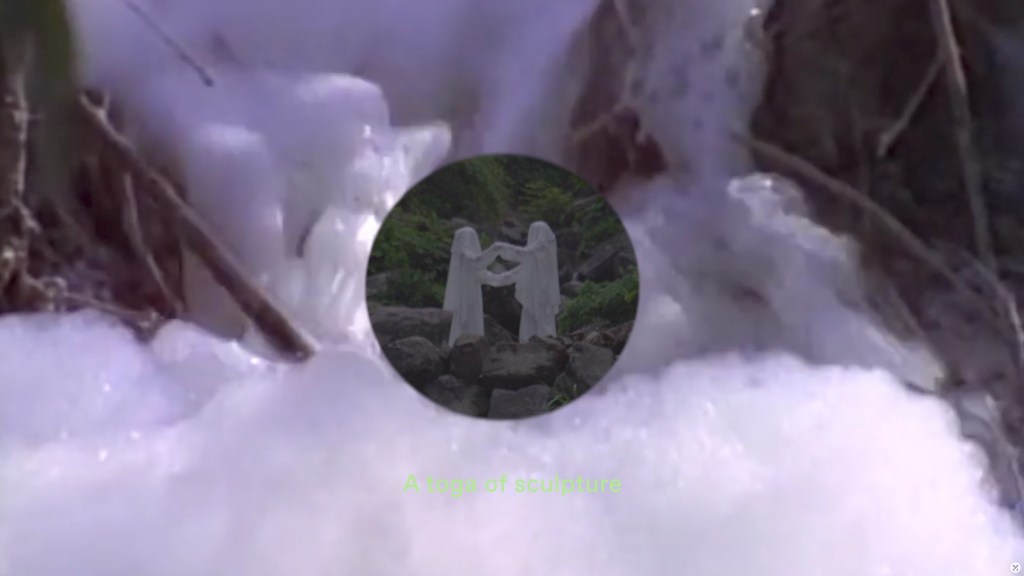
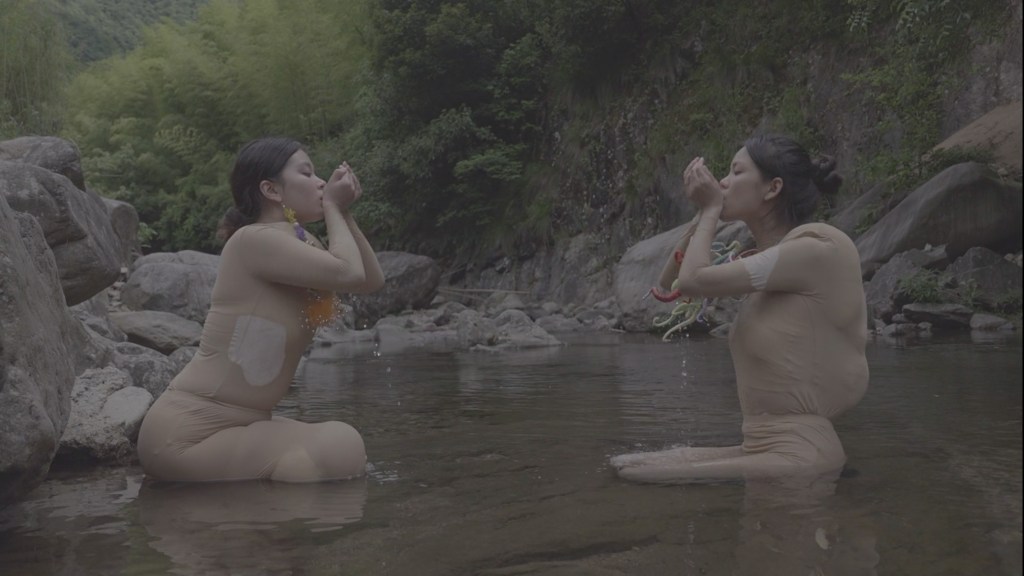
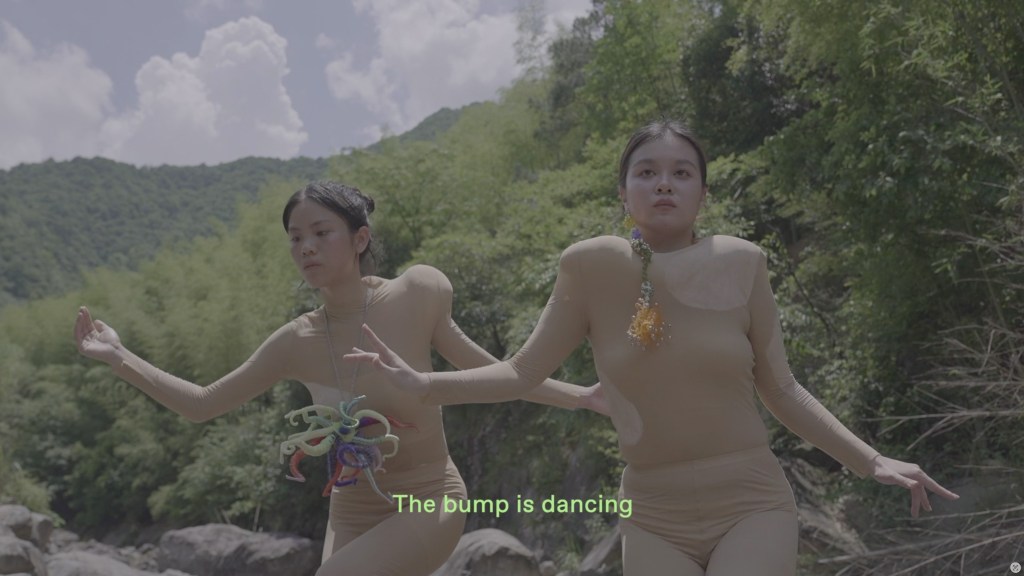
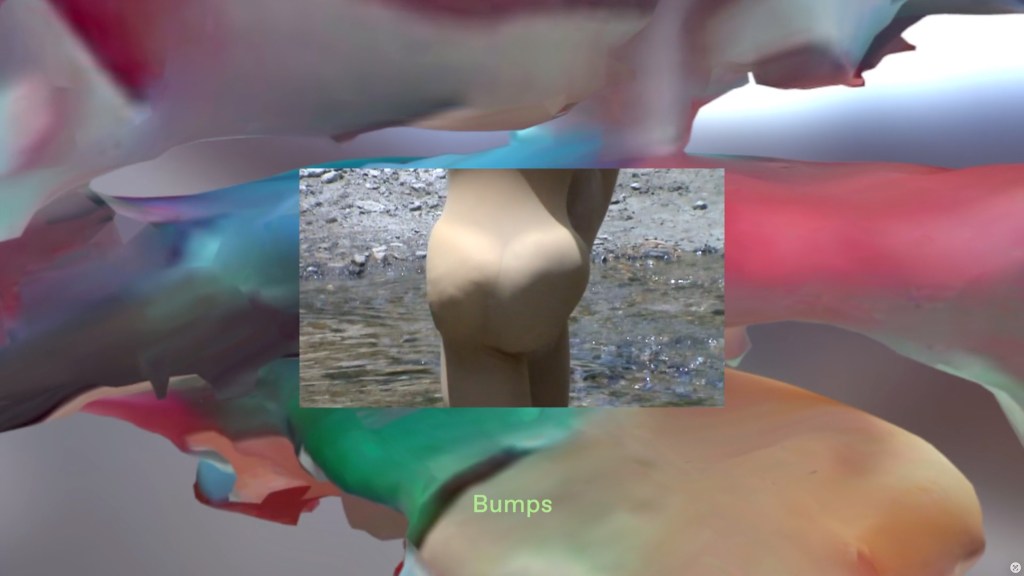
↑ The Darkness of Water, 2023. Media: Moving image, Performance, Material: Mixed media (Water soluble fabric, Fishing line, Cotton)
Your practice grew out of a personal sense of alienation from the fashion industry — you spent years working as a creative stylist before turning to art. What was the moment that made you realise the critique had to come from within the work itself, rather than from within the industry?
I spent several years working in the fashion industry, and I realize that the way it operates is difficult to critique from within. The structure itself is deeply driven by capital. One of the most visible aspects of this is its speed. Over time, I started to question the constant cycle of shoots and the release of new collections, and how this pace is tied to rapid, large-scale production.
From within the industry, I found myself asking: Why does it need to produce so much, so quickly? Over time, this started to feel out of step with the industry’s often-promoted idea of sustainability.
And that’s where a growing sense of alienation kept building for me. That’s when I realised I couldn’t be inside this system and critique it at the same time. For me, critique doesn’t come from making a judgment, but from working through these questions in the work itself. The work allows these questions to surface and be engaged with in a different context. This shift led me to develop works such as The Darkness of Water, where I used performance and moving image to reflect on these concerns. I draw on my own experience to explore these issues in the fashion industry.
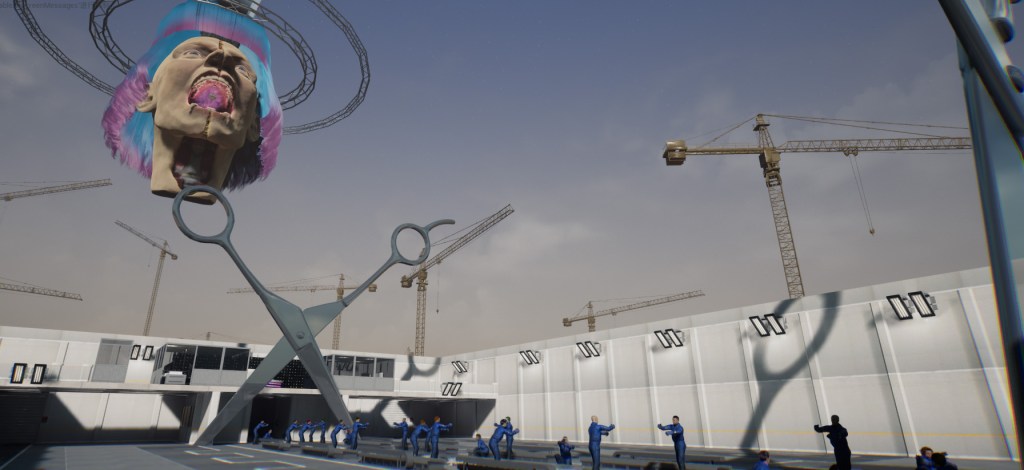
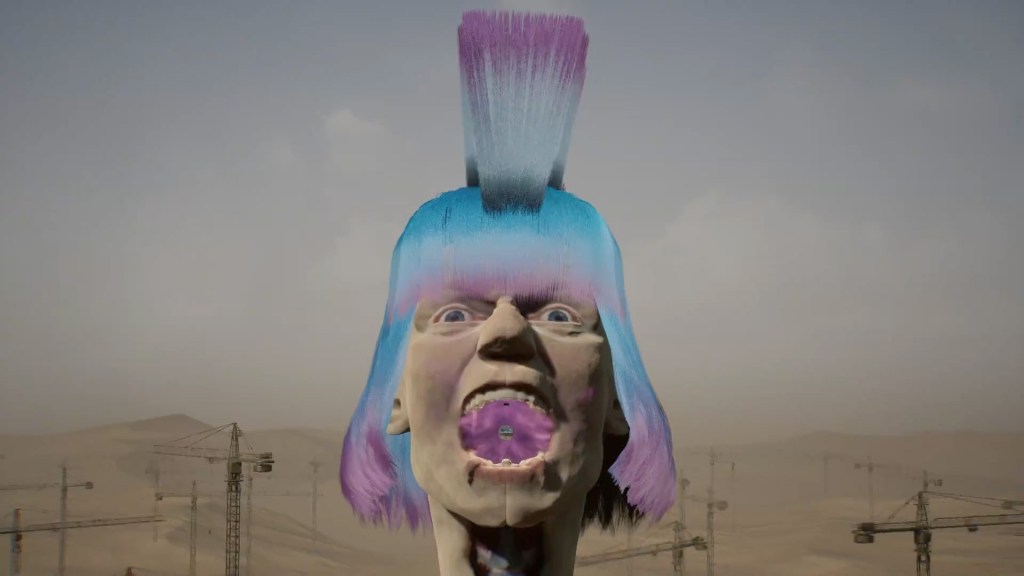
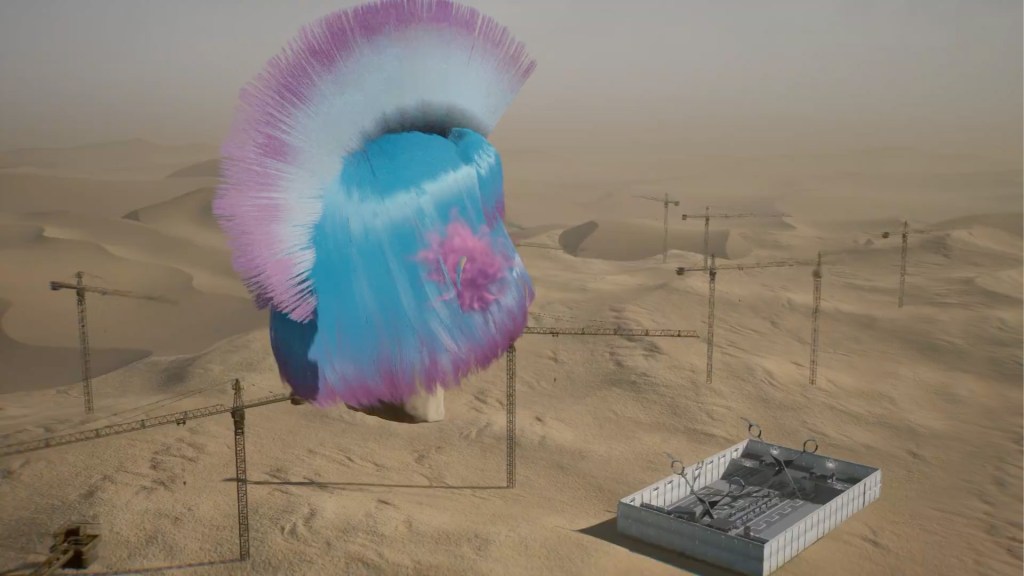
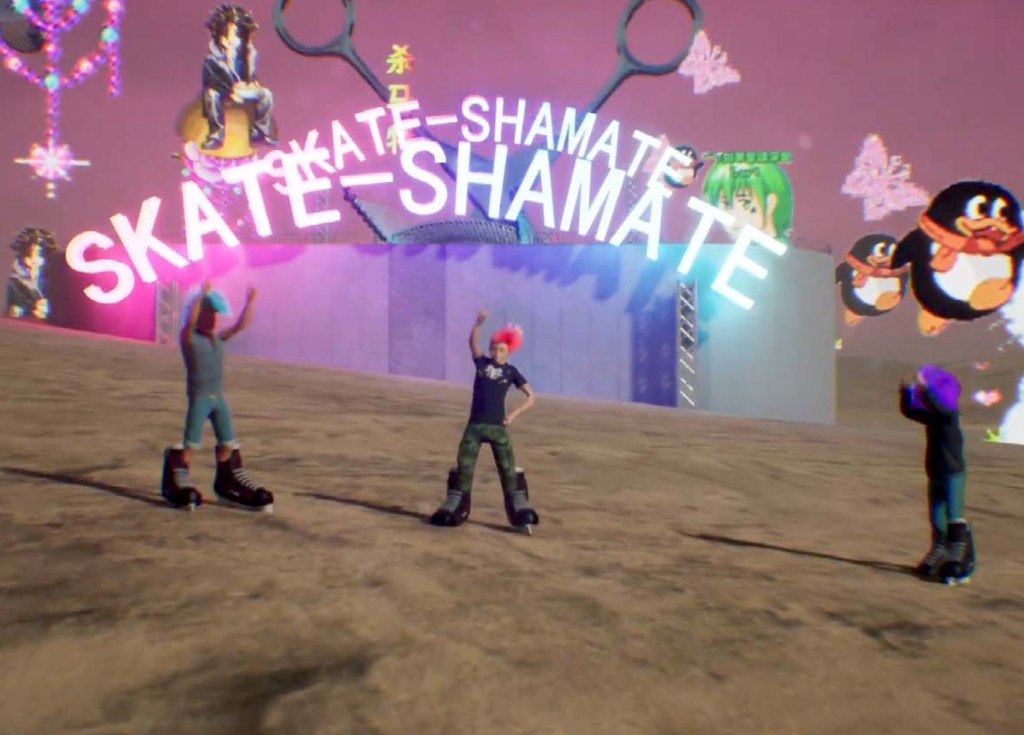
↑ Shamate, 2023. Video Link: https://vimeo.com/871931798 Media: Moving image, 3D Animation
The glitch appears across your practice — in Dear Faces, Sonotext, Dear Faces 2 — not just as an aesthetic but as a political strategy. How do you think about the glitch as a form of resistance, and does it ever feel like a risk to build a practice around something the system might eventually absorb or normalise?
I’ve been working with glitch across my practice, but my understanding of it has shifted over time. It feels more like interrupting, like a way of making the system fail. That’s where my thinking about glitch begins in this sense of instability. For me, interrupting the system within the work is already political; it’s about disrupting how identity is read and stabilized.
In Dear Faces, I introduced glitch as a failure strategy. In online contexts, identity is often read and classified through facial recognition systems. I used face filters and AR effects to make that process unstable, producing faces that can’t be clearly recognized.
After studying computational arts, I started to think about glitch differently, not just through the image, but in the moment when recognition itself, where the system begins to fail. Dear Faces 2 is part of an ongoing series that builds on Dear Faces. I bring a glitch into the system more directly.
The work uses a webcam and voice input; the system is constantly trying to read you. When the audience says “Dear” or “Face”, the glitch is triggered. What I’m interested in is that moment when the system tries to stabilize you as a readable identity, and something begins to fail. That’s where glitch works for me. I don’t really worry about whether glitch gets absorbed or becomes a style. It’s more about how it continues to create instability in different situations. Sometimes within gendered binaries, and sometimes within the system itself.
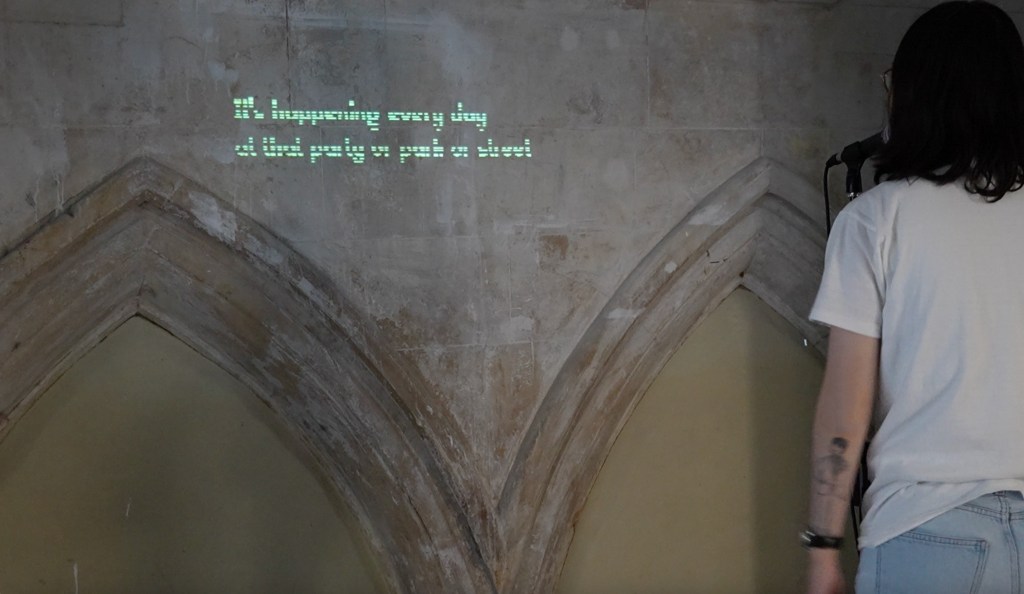
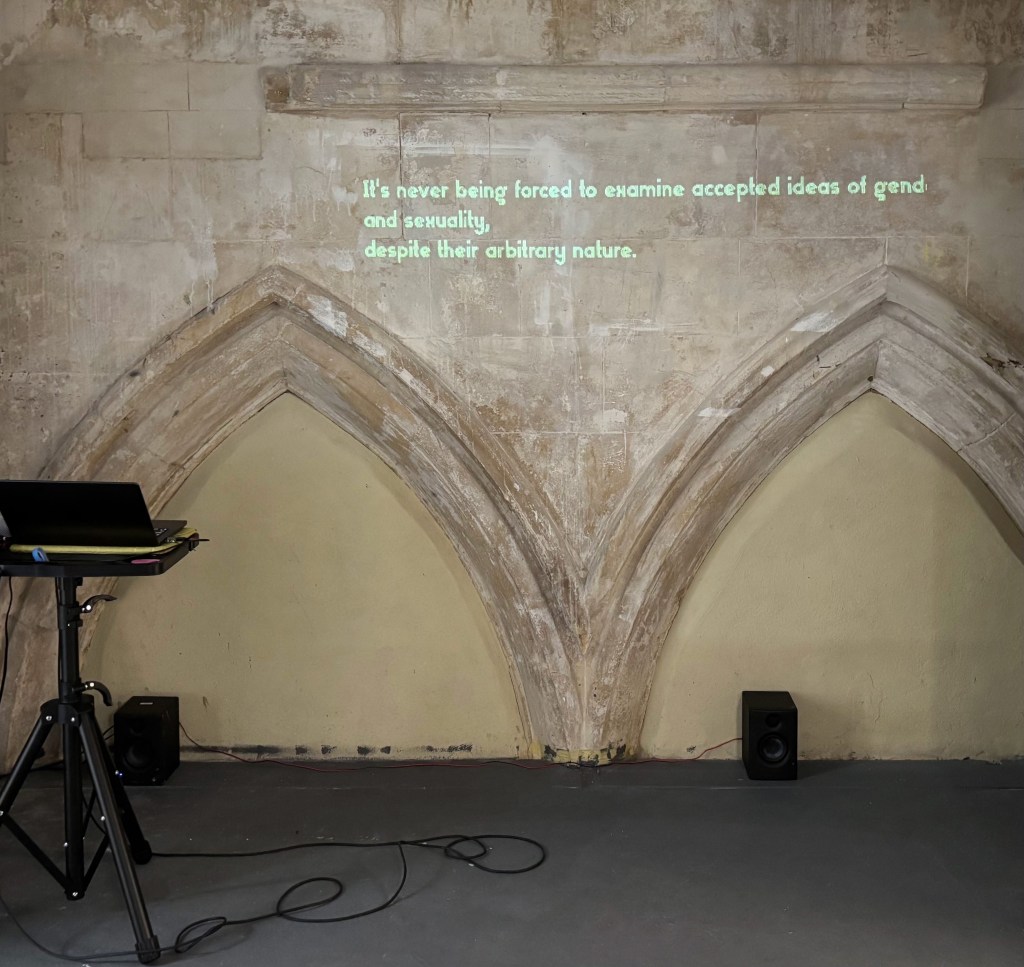
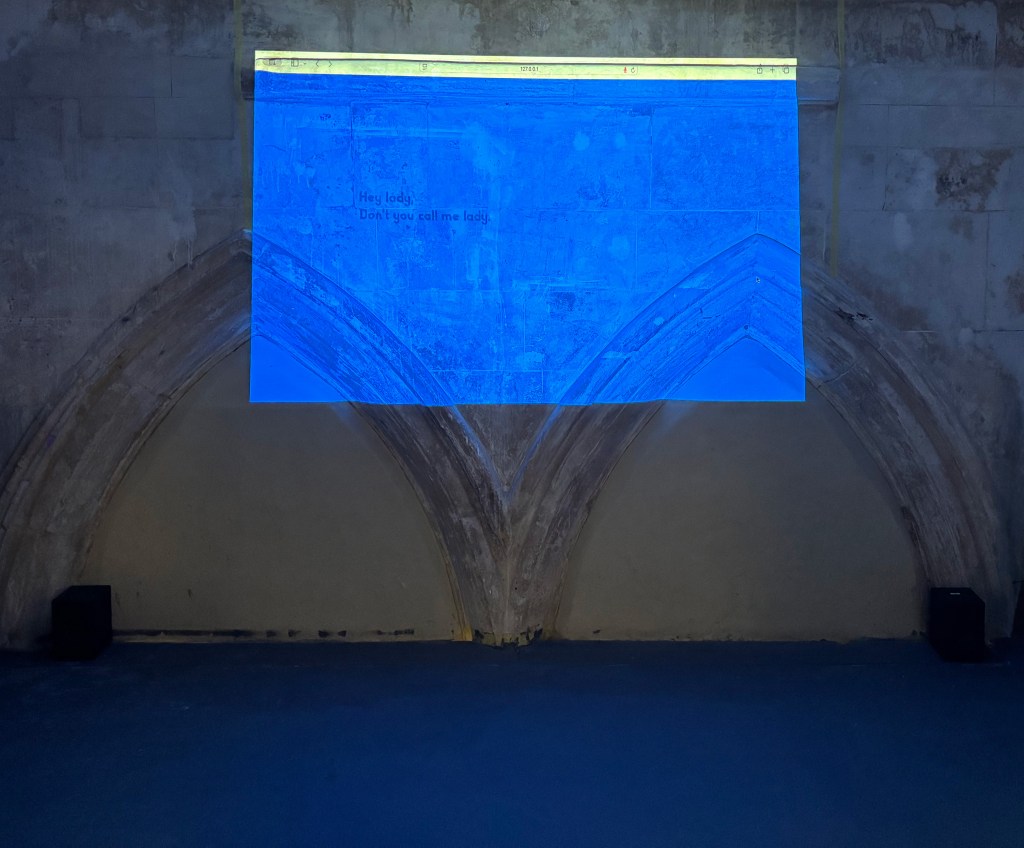
↑ Sonotext, 2025. Video Link: https://vimeo.com/1117349115, Media: Interactive installation, Live performance, JavaScript.
In Shamate you merge 3D animation with documentary material to give visibility to a subculture that Chinese mainstream society has actively erased. How do you navigate the responsibility of representing a community that isn’t your own, while still making work that is clearly and deeply personal?
While working on this, I was thinking about why I was drawn to this community. There are other artists working with Shamate as well. But I also thought about what was different between their work and mine. The hair and the colours are very visible, and attention tends to stay on the styling. Coming from a background in fashion styling, that was initially my point of entry, something I related to through my own visual language and experience. I became curious about how these aesthetics came to stand in for a community, and how they connected to the lives of migrant youth. It became more about what happened to a community that was once so large, and how it began to disappear.
At a certain point, it became less about a community. The term Di Su, translated as “vulgar,” became a starting point for me. In the Chinese context, it seems to point to a kind of structure: which “images” get kept and which get erased. And often, what gets erased is just what’s seen as Di Su. Shamate is a very visible example of that.
My approach is to work with images and materials already online, bringing them into new relationships. I built a virtual world that brings together elements such as cities, deserts, and symbolic sculptures, allowing relationships to emerge between them. In that sense, it doesn’t need much explanation to work. The work isn’t really about representing the community. Shamate becomes more of a way in.
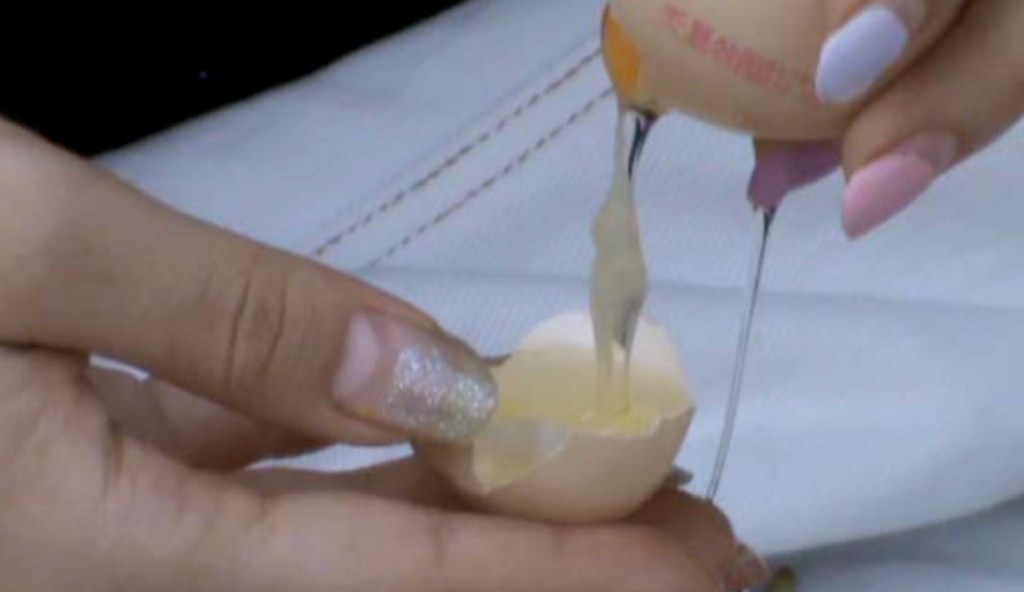
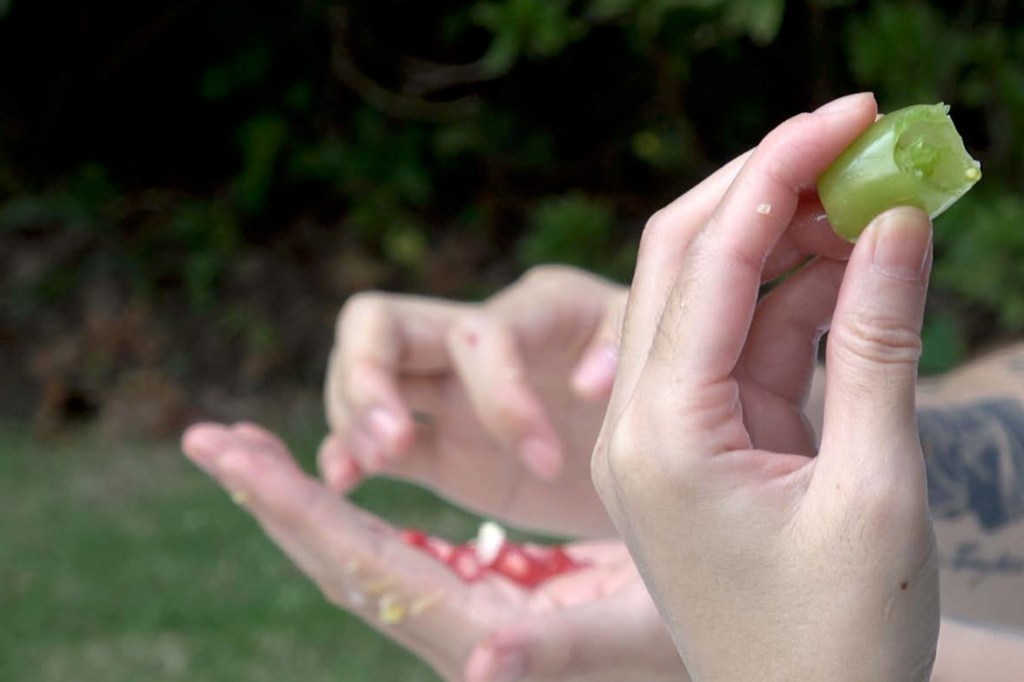
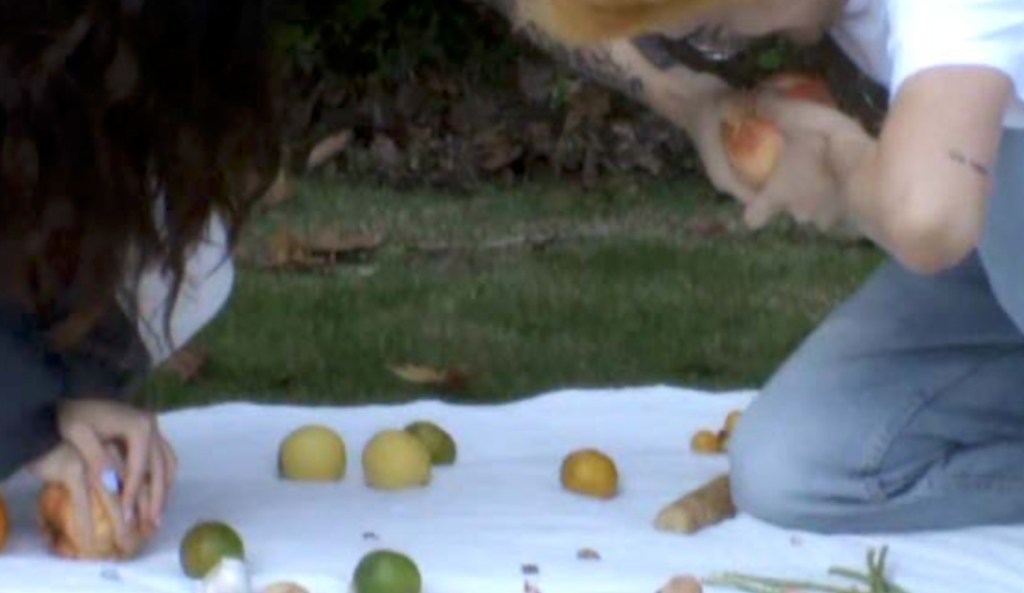
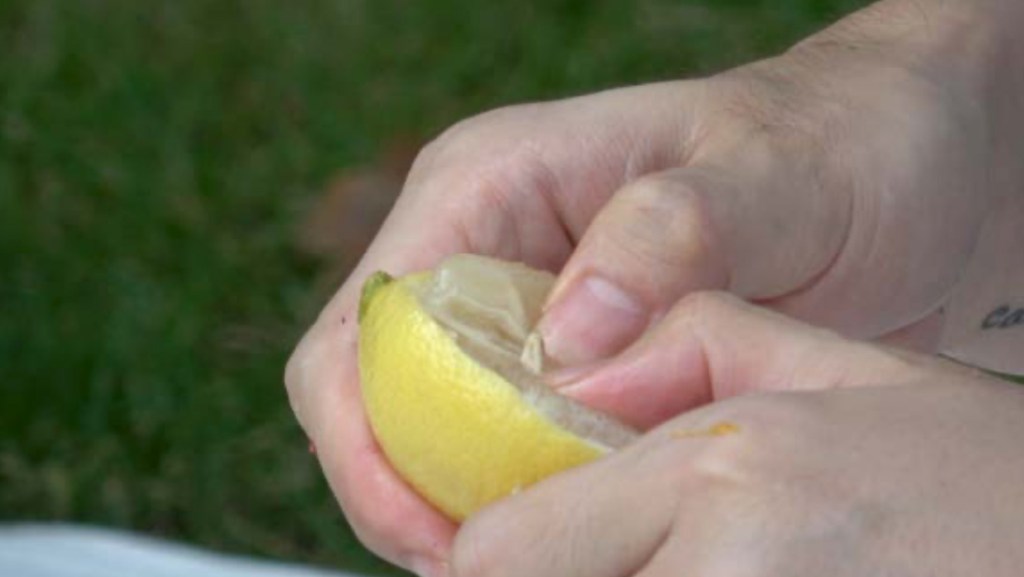
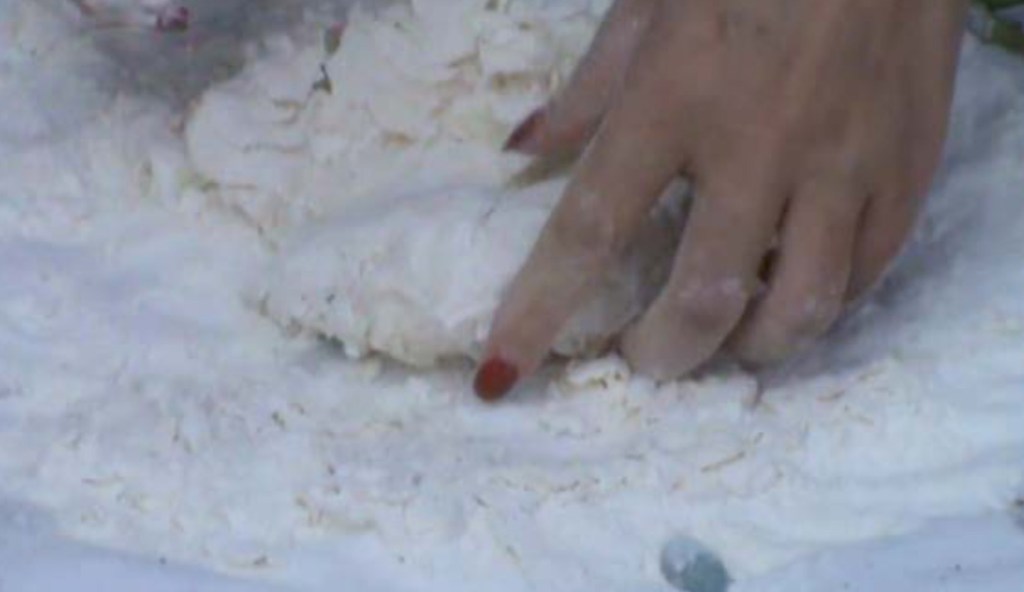
↑ Hand Guard, 2023. Video Link: https://vimeo.com/902985360 Media: Moving image, Performance. Material: Fruit, Vegetable, Flour, Picnic blanket
What do you think is the primary idea or goal of art in general? If there is a specific goal, what would it be?
It’s something I’m still thinking through. For me, art doesn’t really offer answers, but opens up questions. It makes what we take for granted feel uncertain again, and that’s where new possibilities begin to emerge. Sometimes it feels less about answering and more about staying with the question. It also creates a space for connection. You can’t really control how someone else understands it, but there’s still a connection that happens through shared feeling.
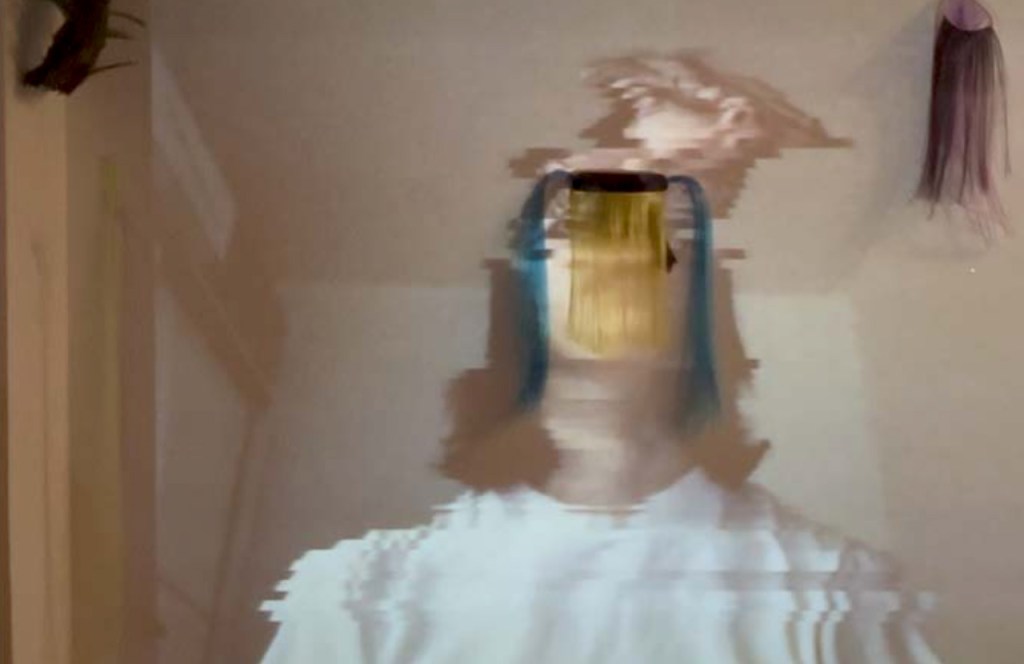
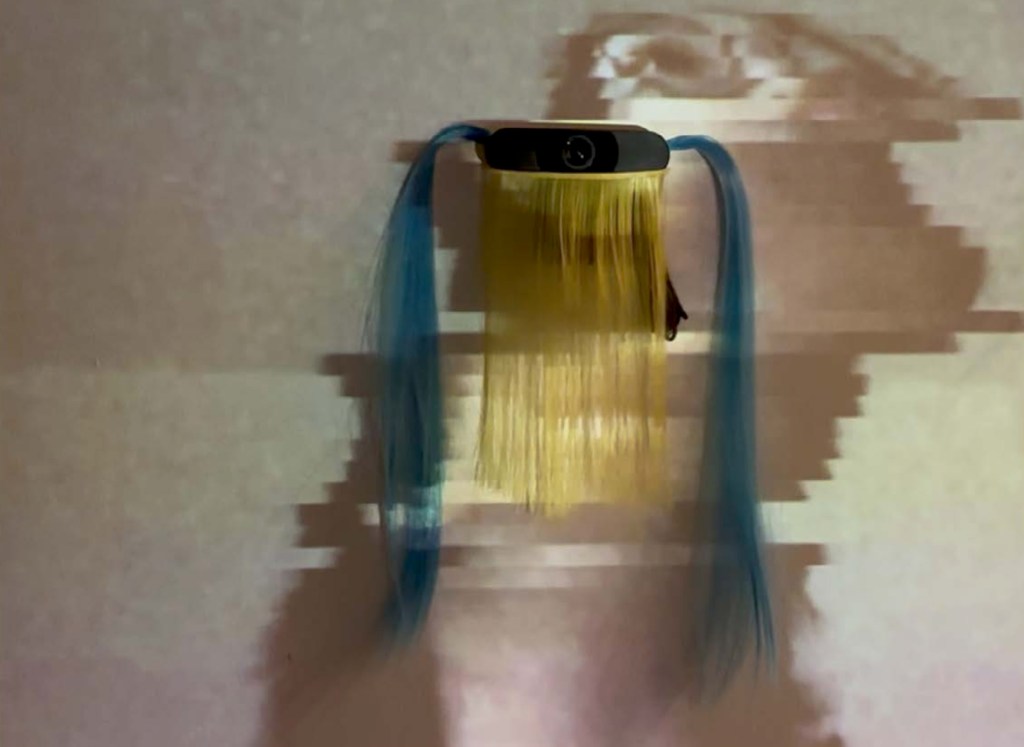
↑ Dear Faces 2, 2023. Video Link: https://vimeo.com/1044802690 Media: Interactive installation, JavaScript Material: Mixed media (Web camera, Wig)

ARTIST OF THE MONTH
Interview, Online Exhibition
#artist of the month
PAI32 EDITION’26
QUEER ECOLOGY, PLACE, AND THE ETHICS OF ATTENTION

