
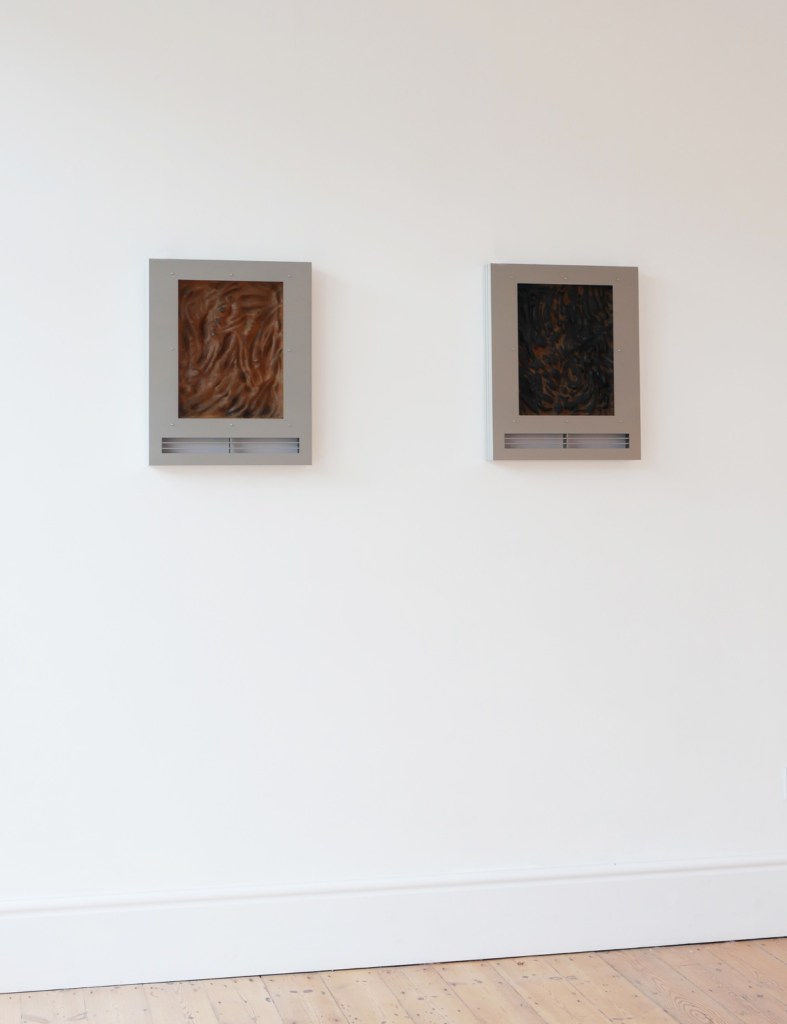
‘Wolf Fifth’ a solo show by artist Bill Wang Yi
Nov 10 -16, 2026
Curated by PAI_32 platform
Three Rooms Gallery
74Beulah road, London E17,9LE, United Kingdom
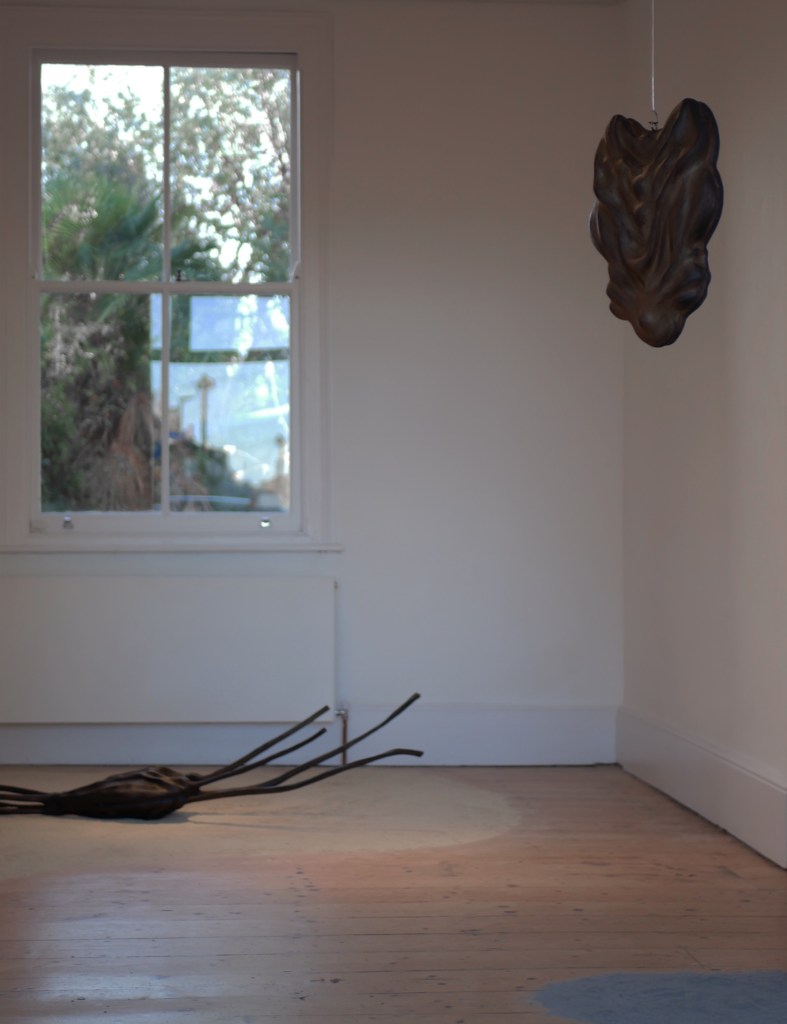
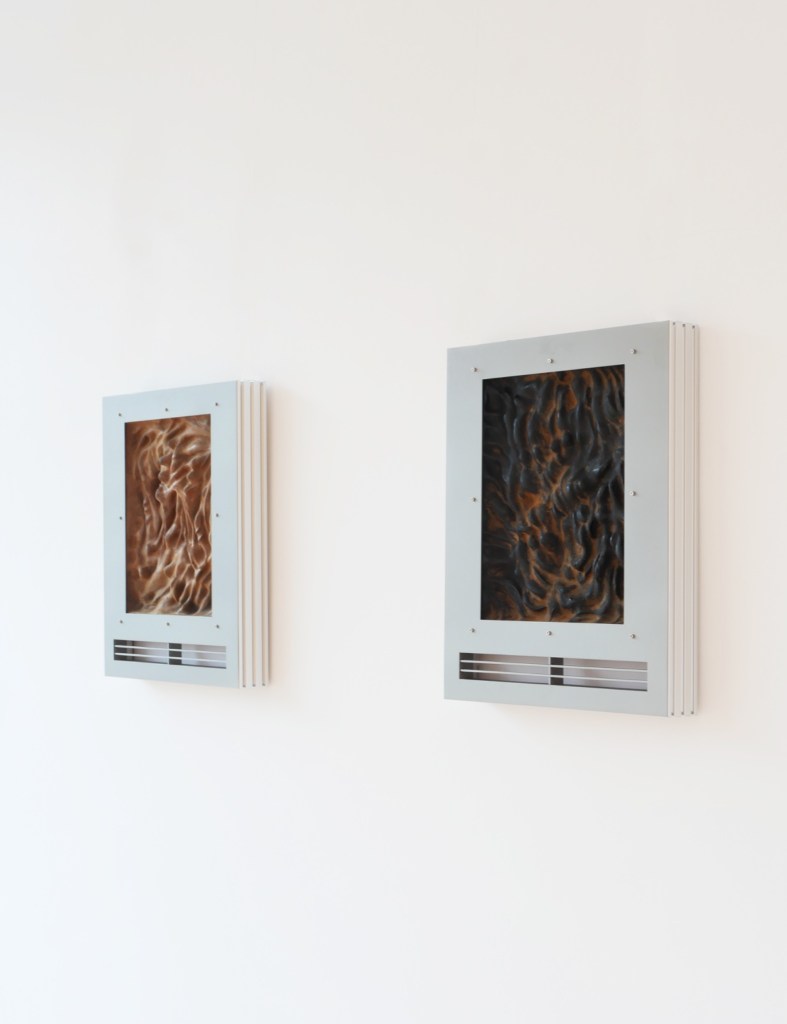
Picture by Zhongshi Li
Before equal temperament became standard, keyboard tuning carried an error that no tuner
could remove: stack twelve pure fifths, and the cycle never closes exactly on the note where
it began. The discrepancy could be moved but never eliminated, and one common solution
was to push all of it into a single fifth. When played, that interval wavered so harshly it
seemed to howl. It became known as the “wolf fifth”, and musicians learned to steer around
it.
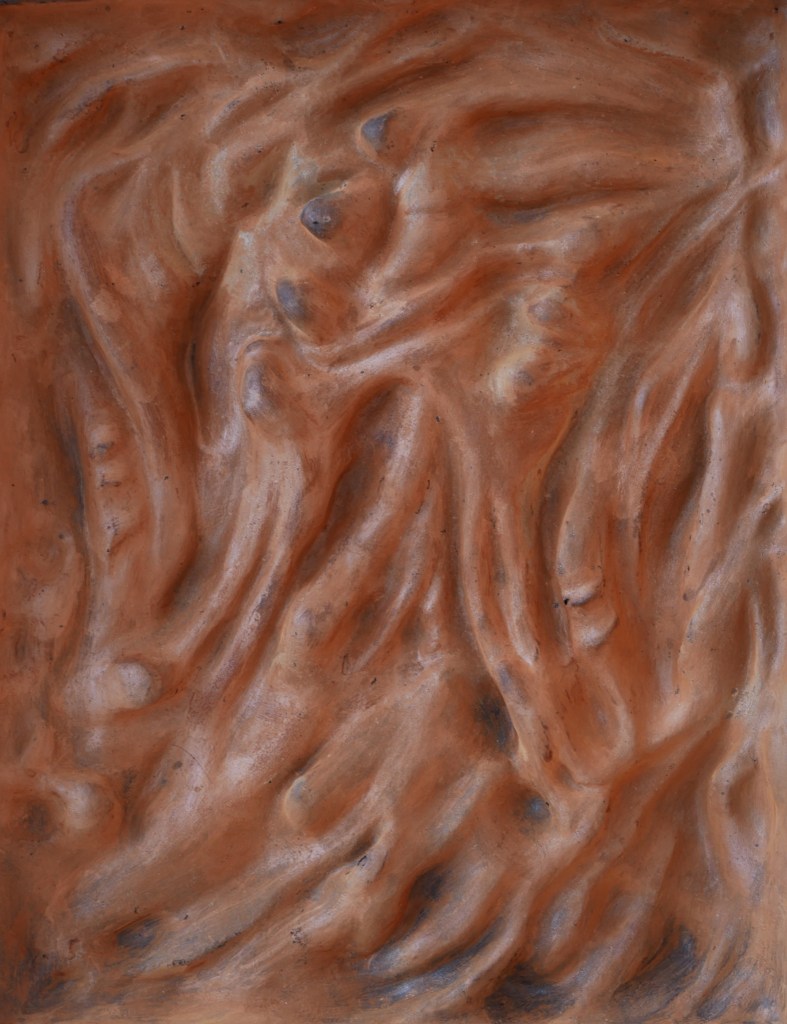
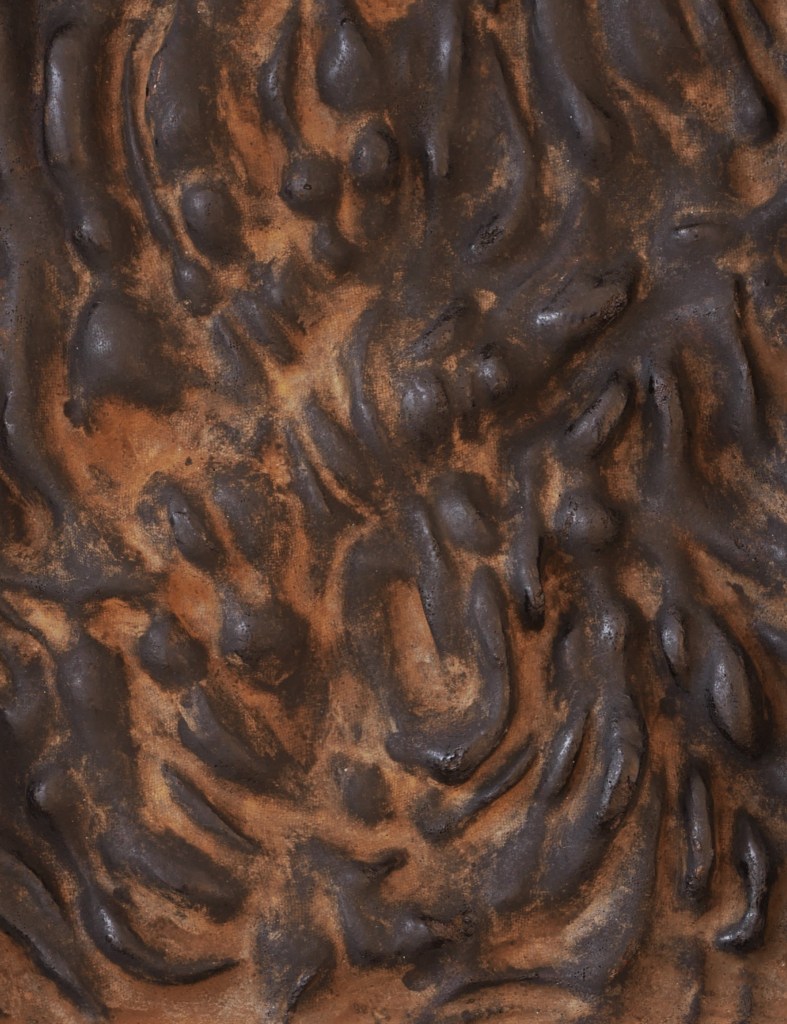
Bill Wangyi’s sculptures are built around a similar remainder: the gap between the wish to live
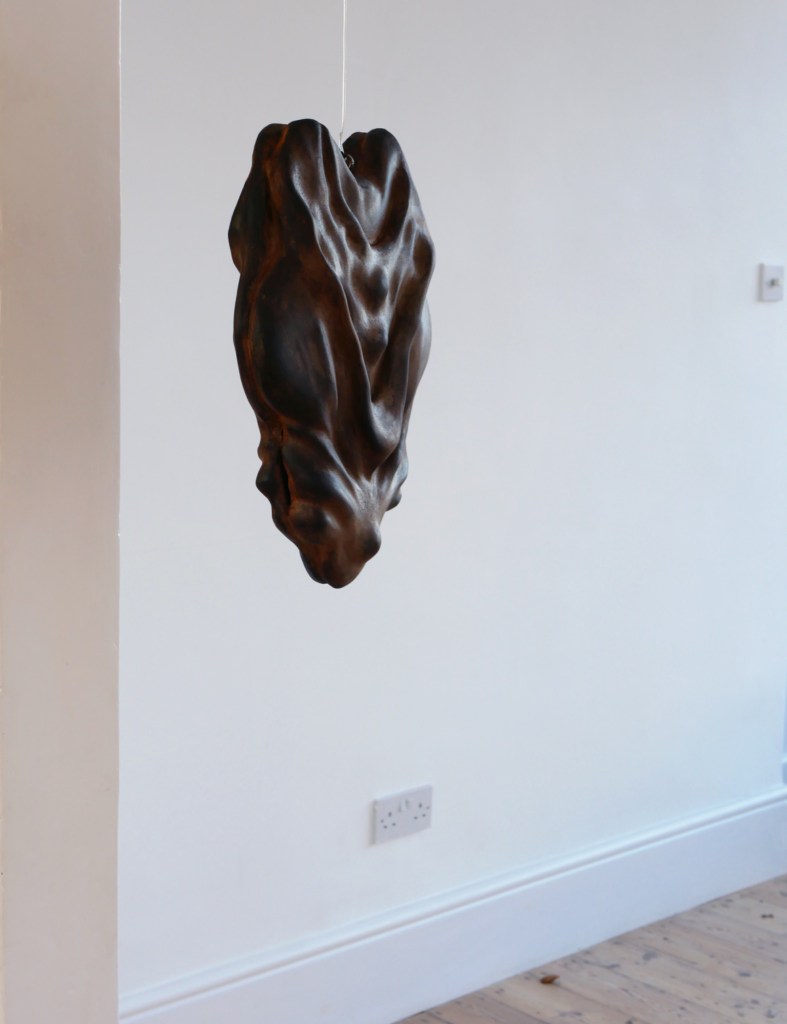
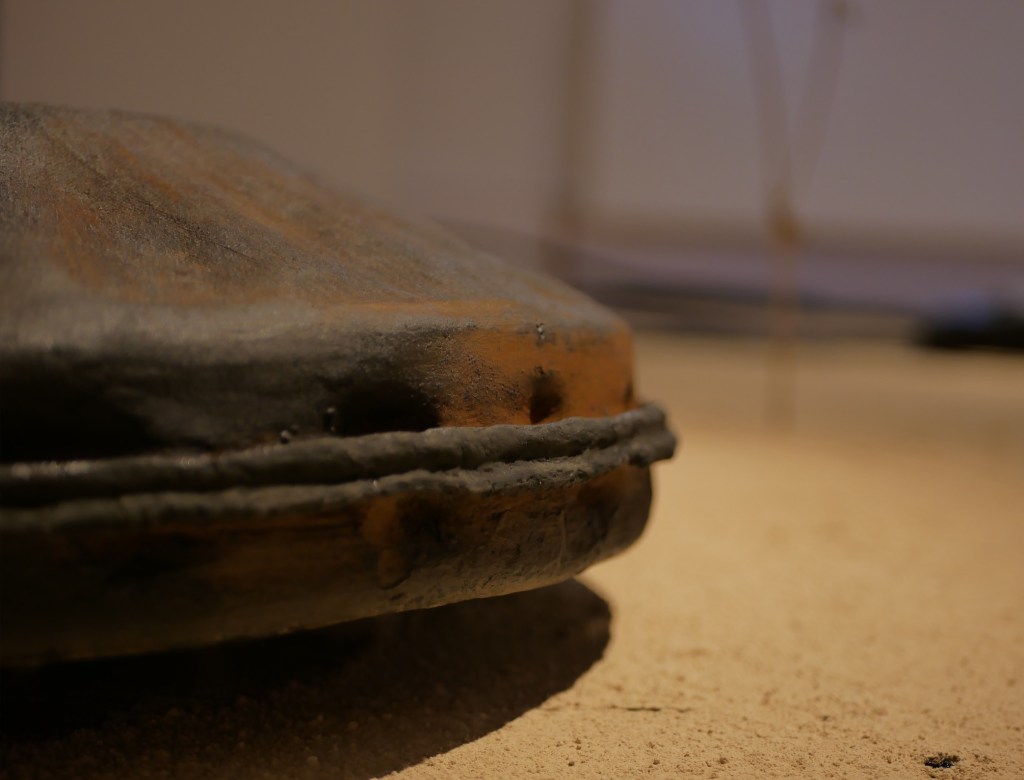
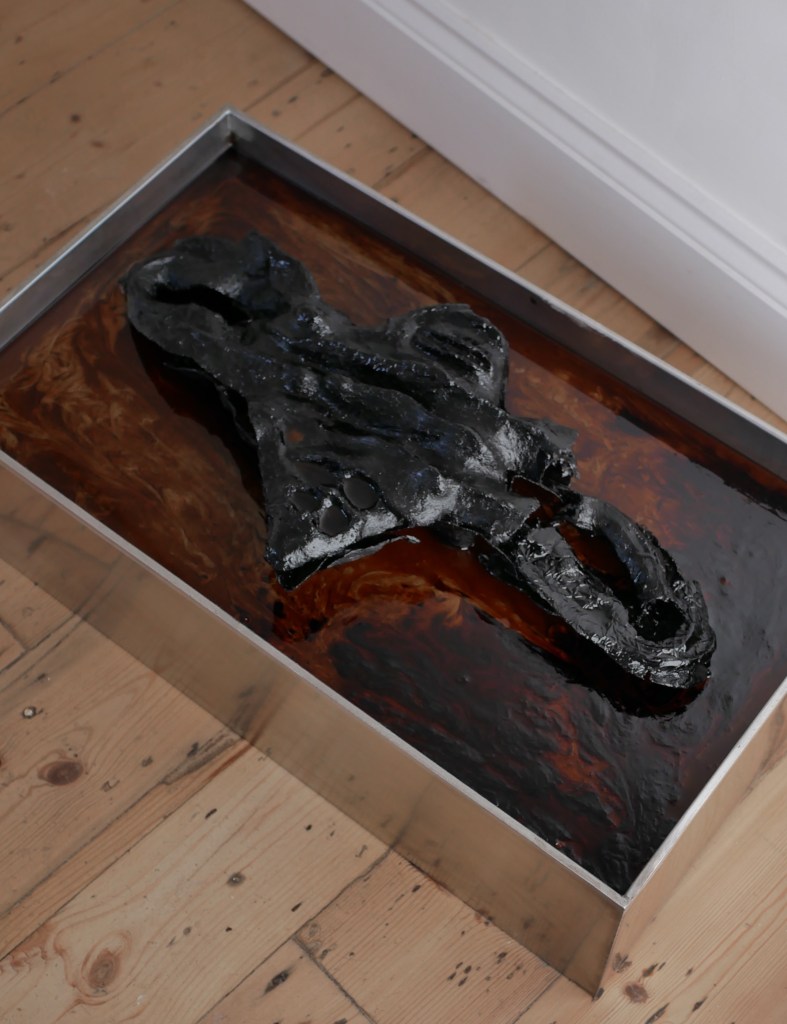
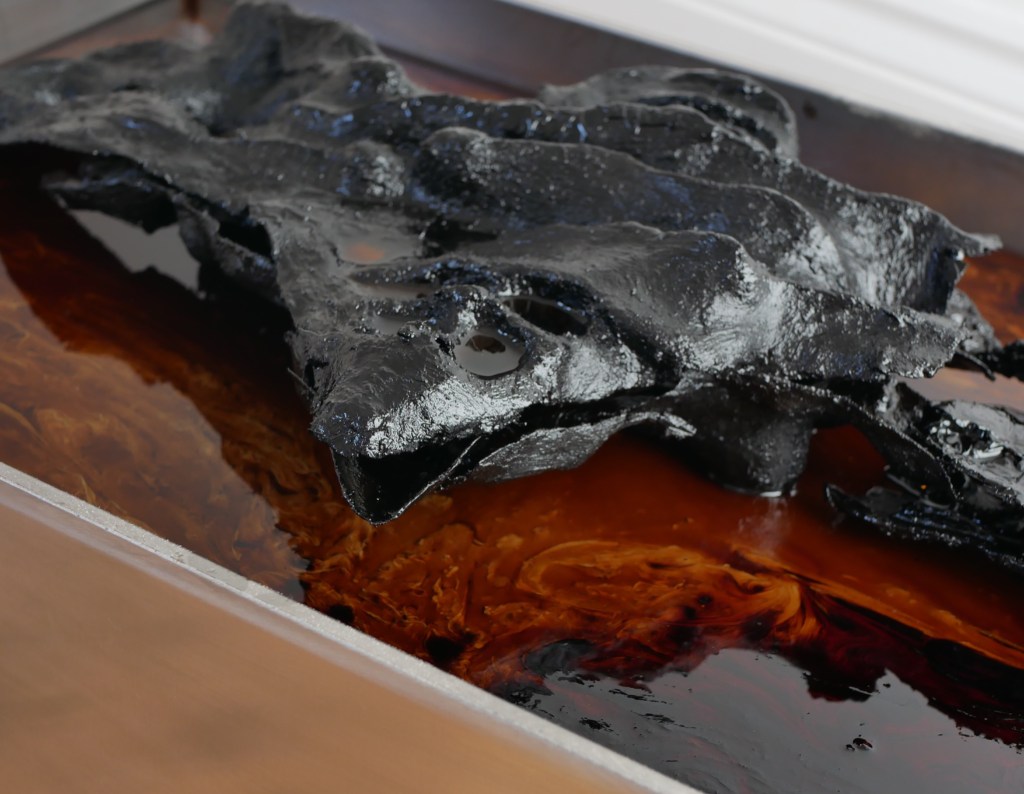
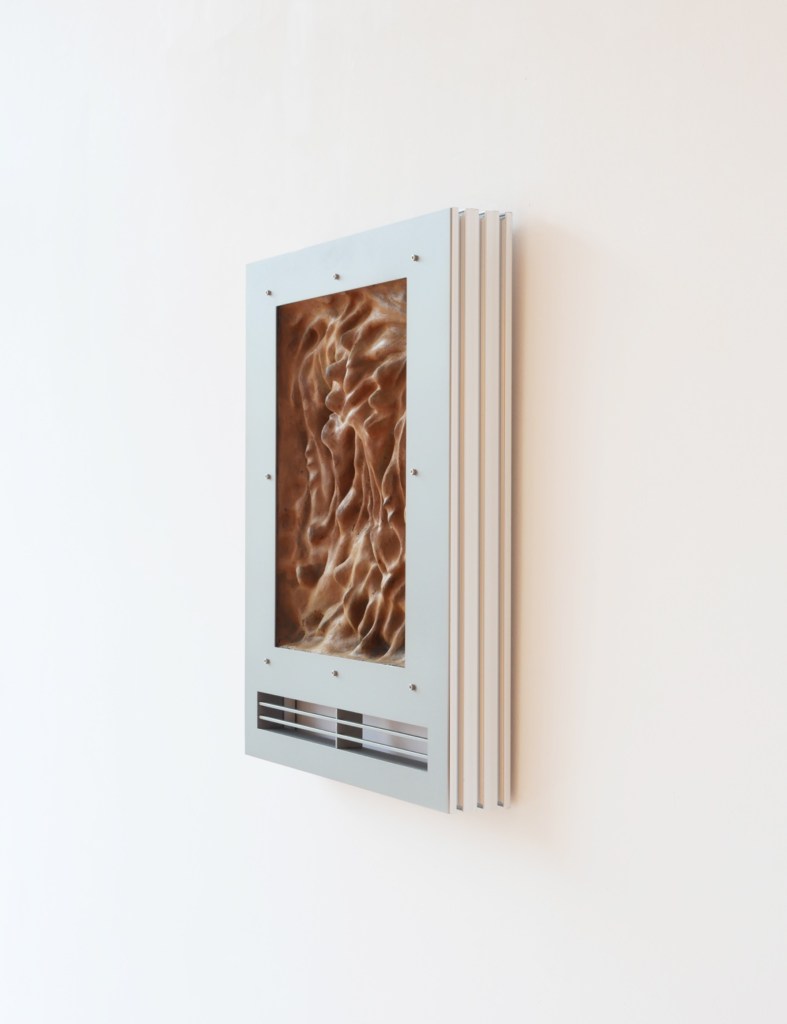
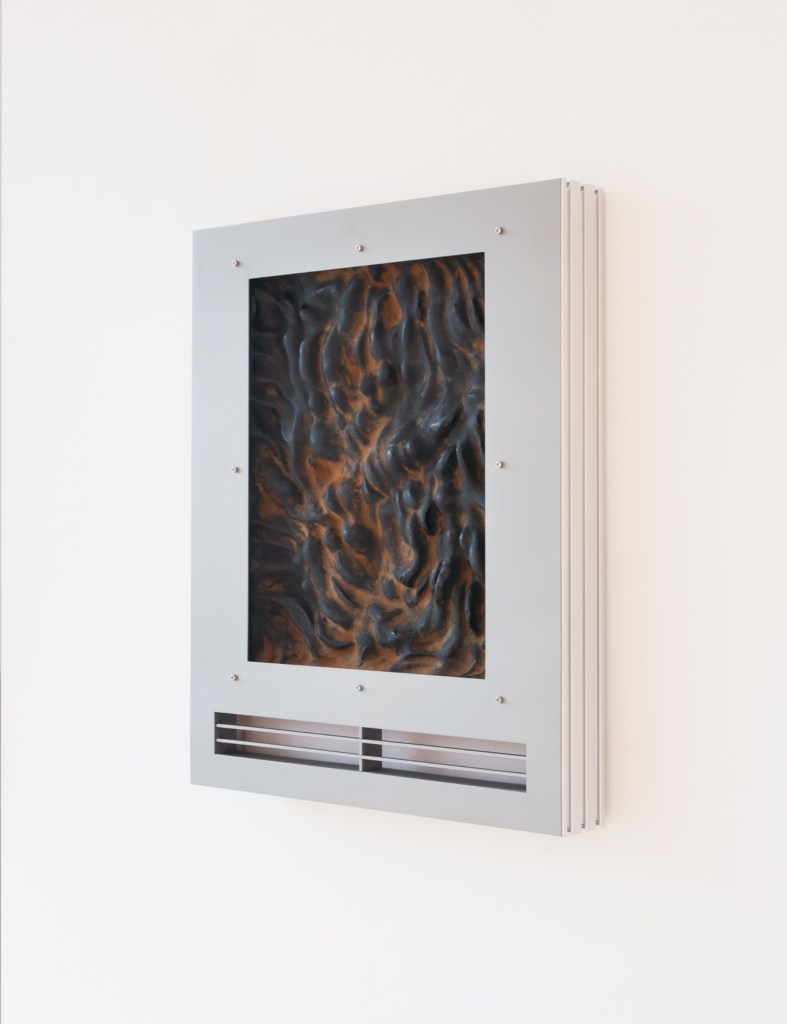
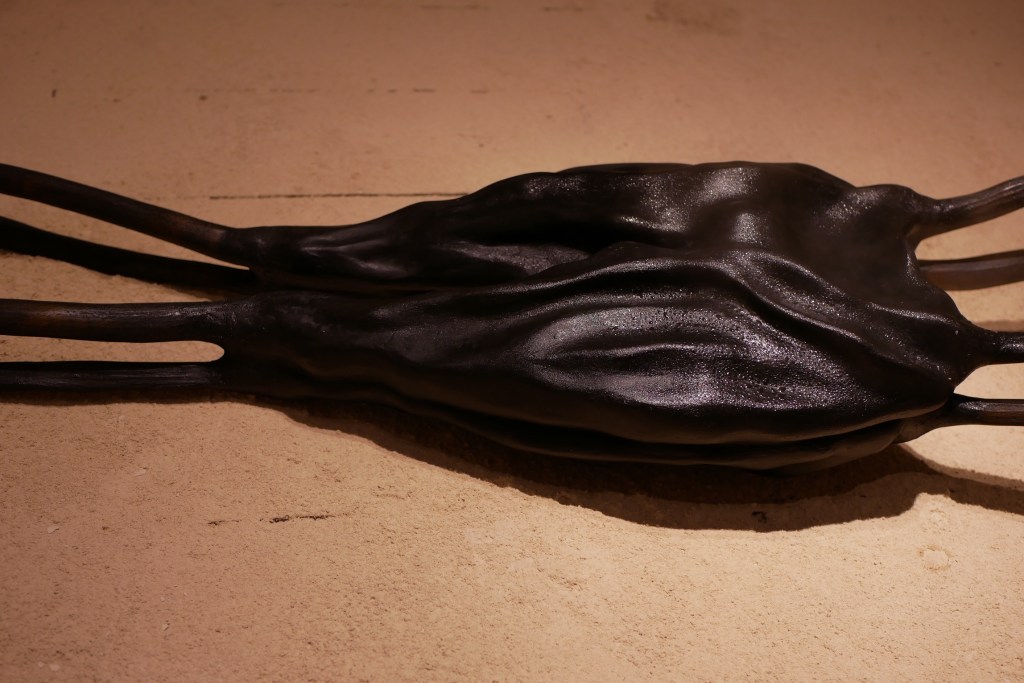
forever and the body that can never fulfil it. He works mainly in lacquer (大漆), the sap that
seeps from the lacquer tree when its bark is cut. Up close, it gives off a faint smell found in
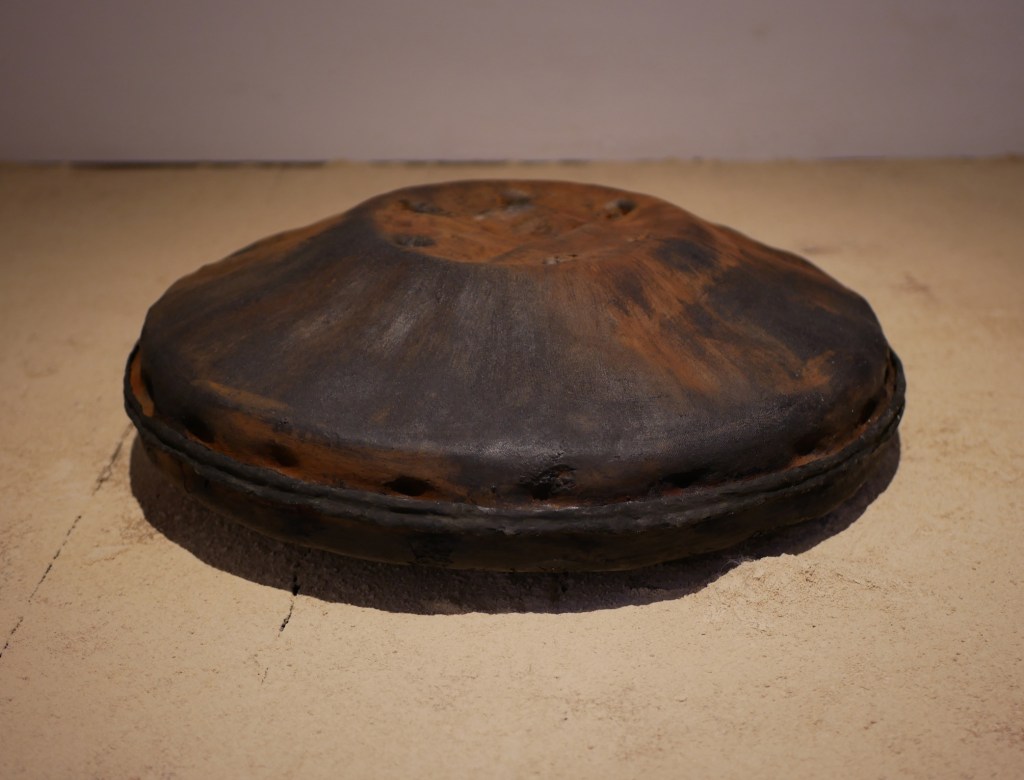
nothing else. Once exposed to air, it oxidises and slowly darkens to a dense, ink-like black.
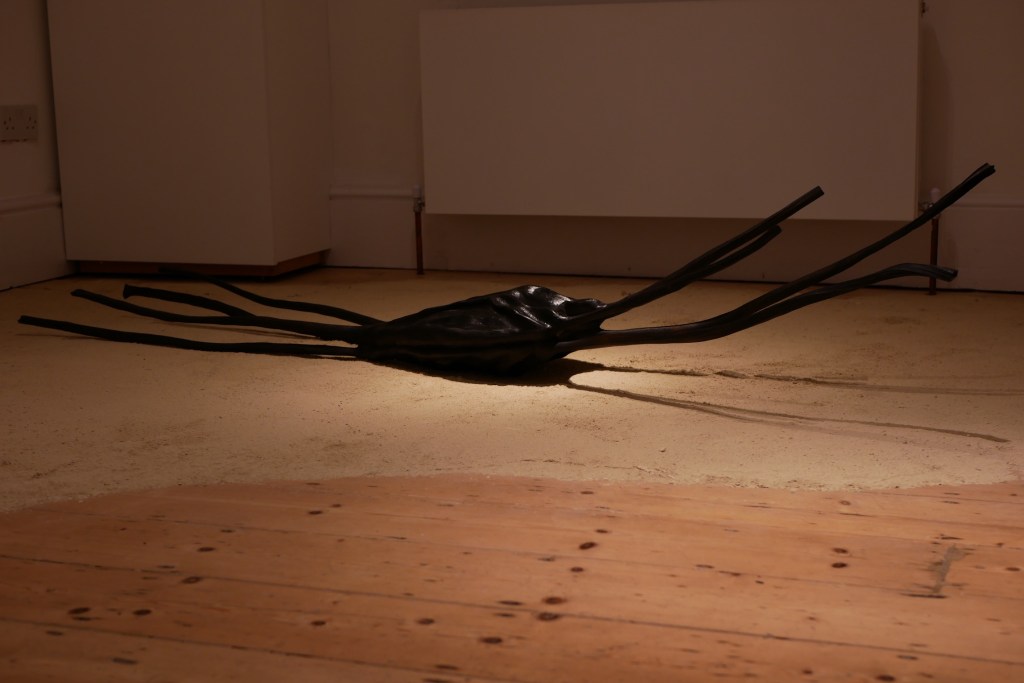
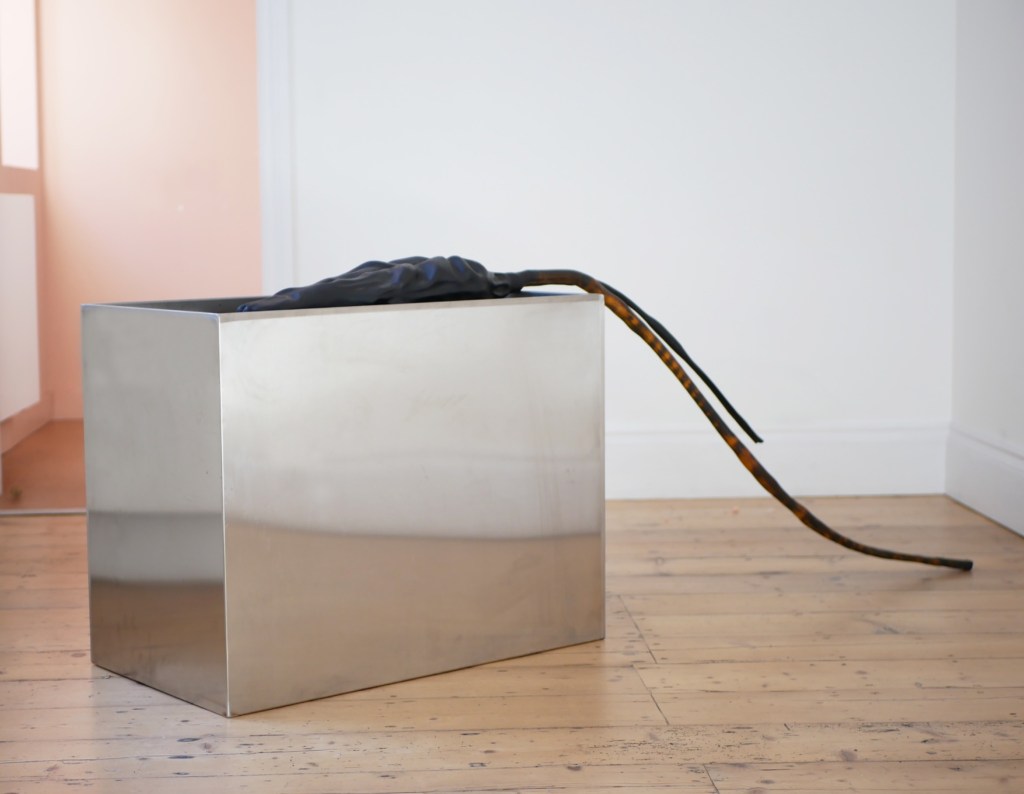
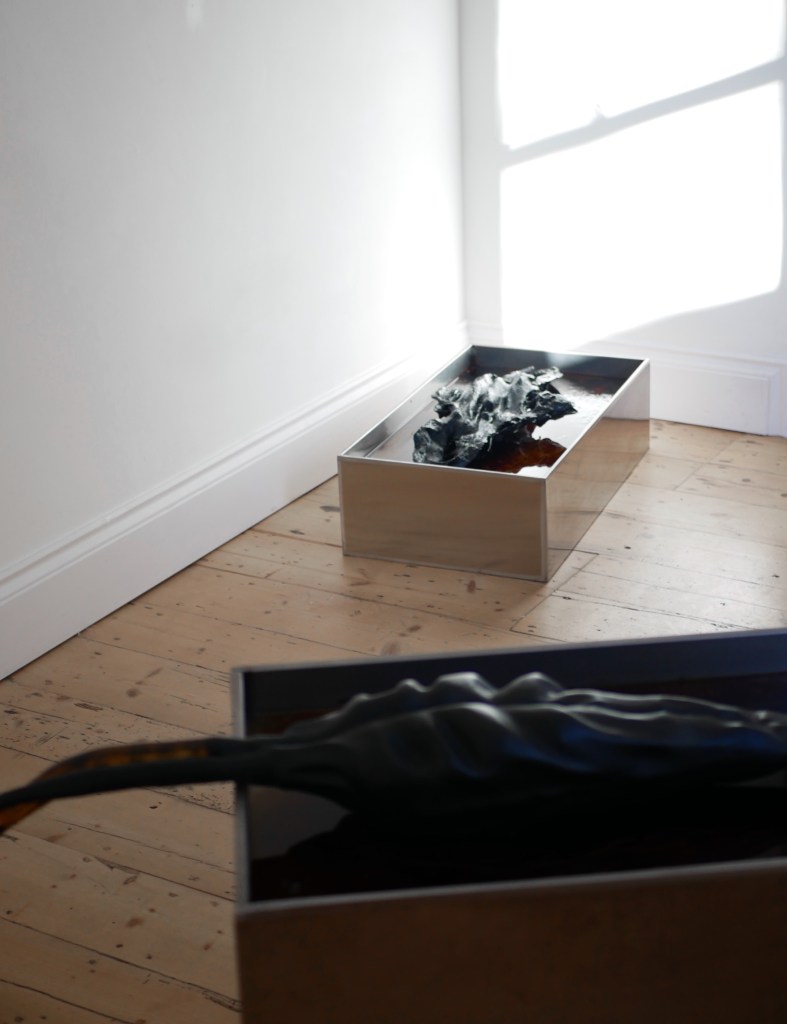
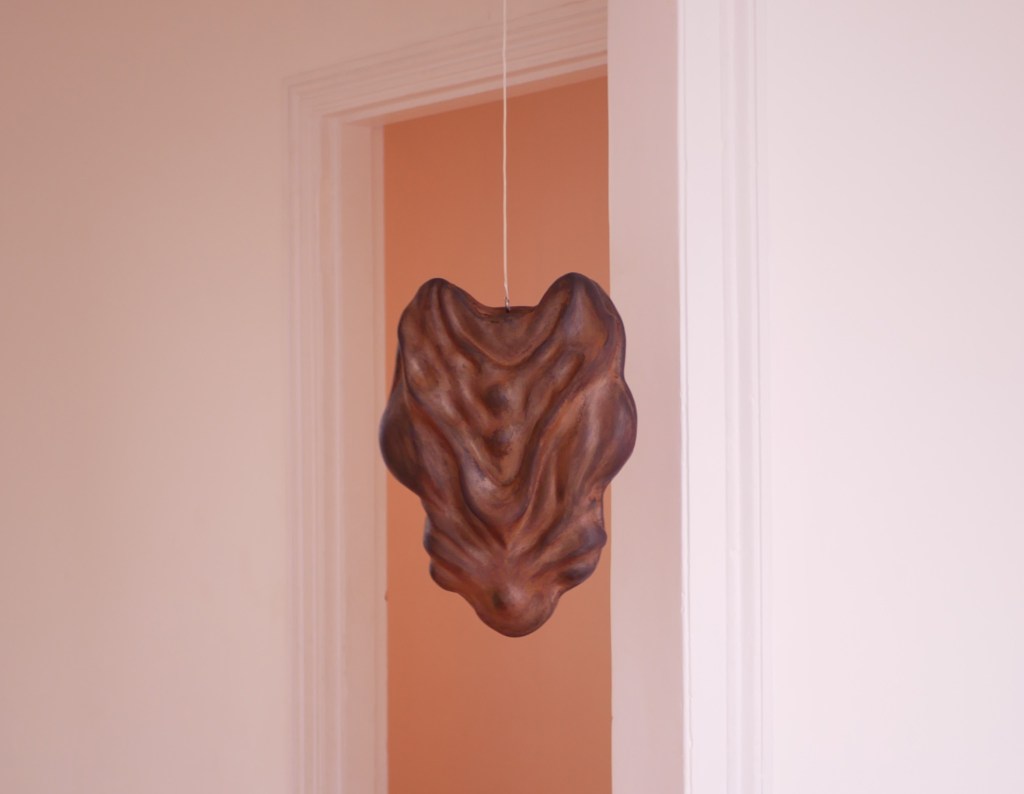
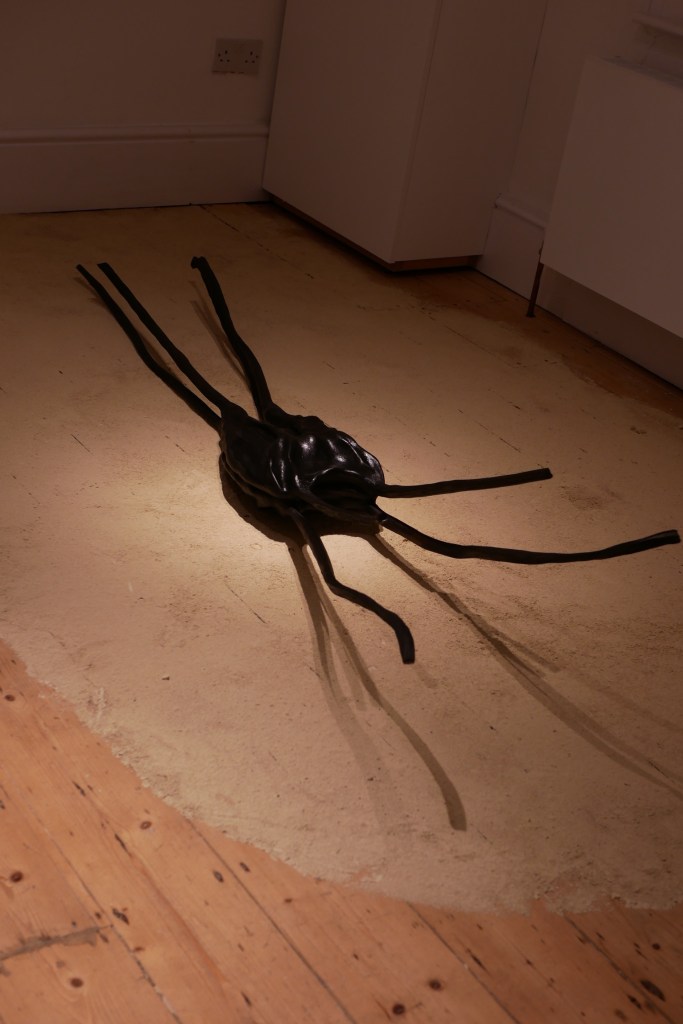
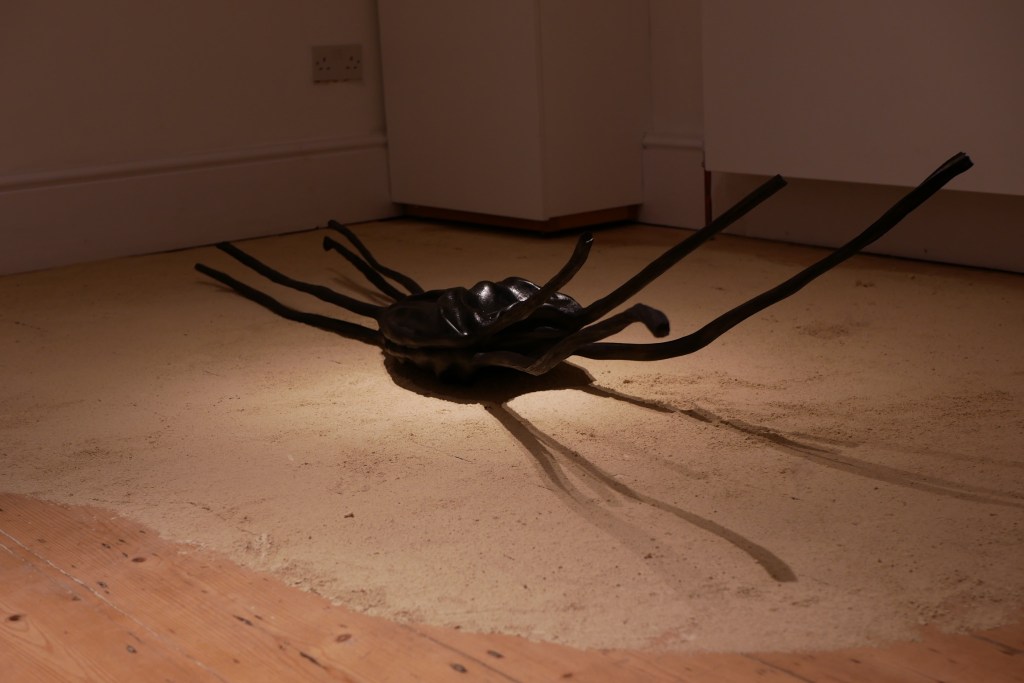
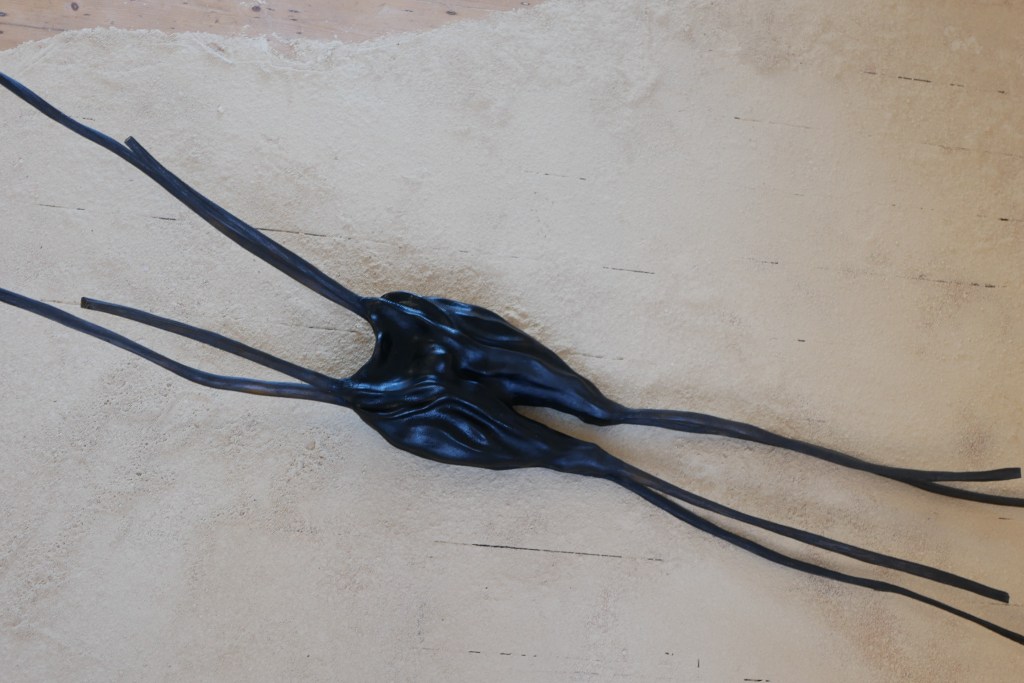
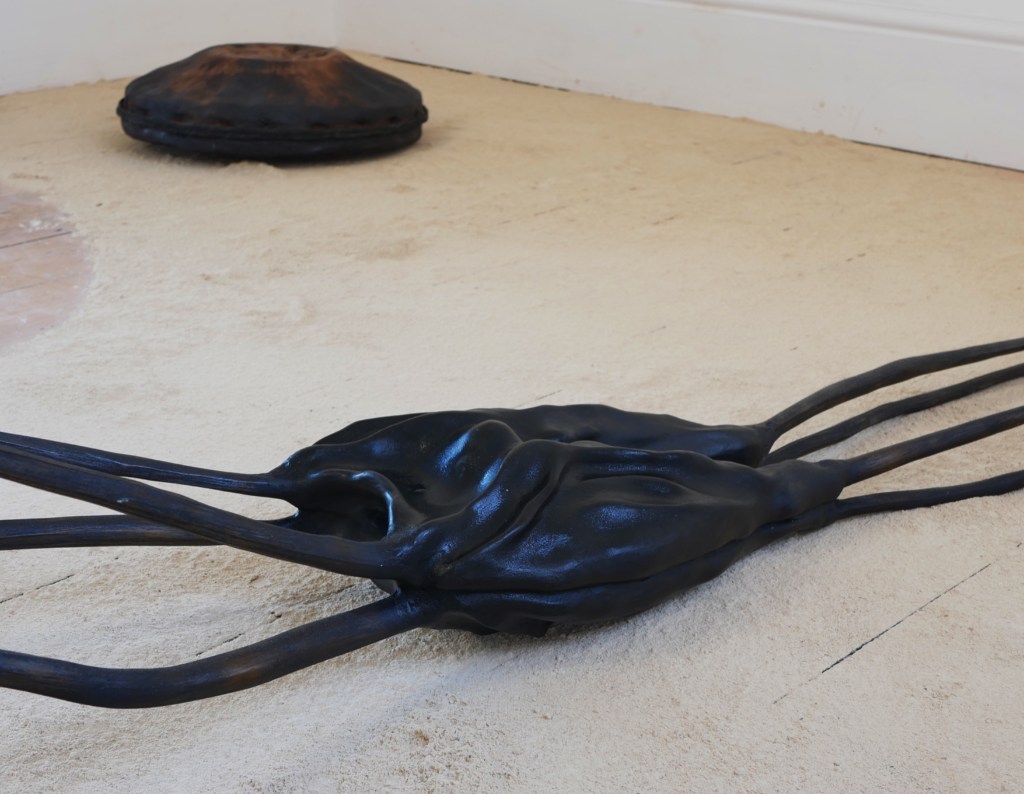
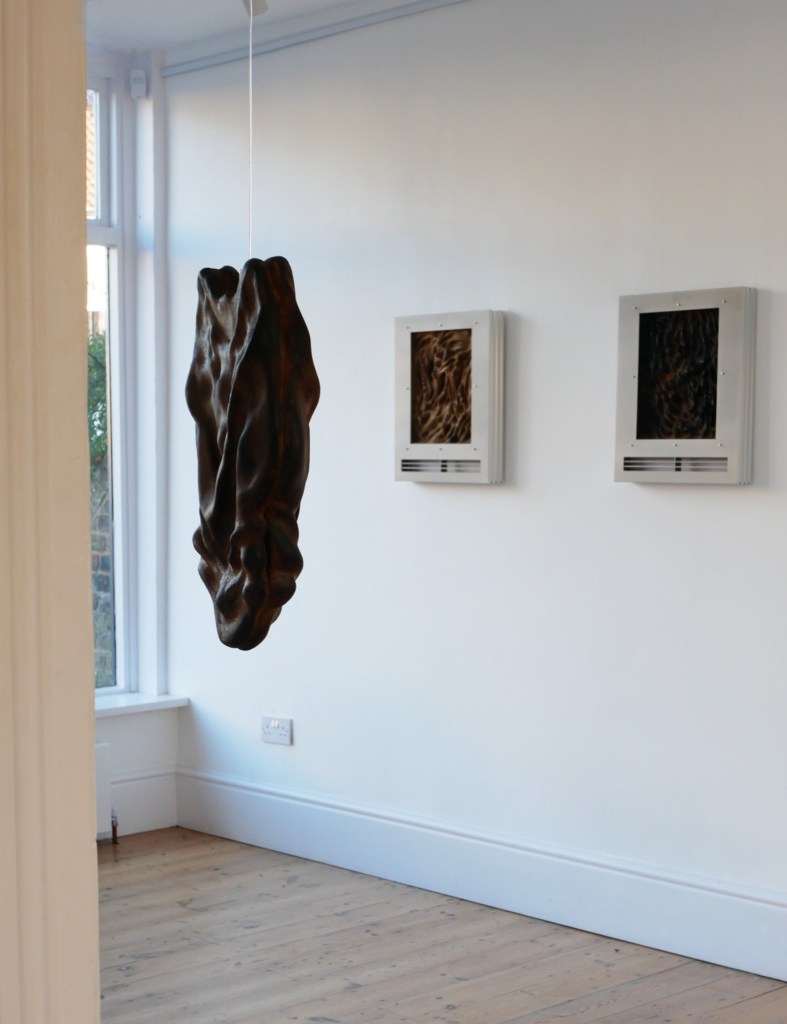
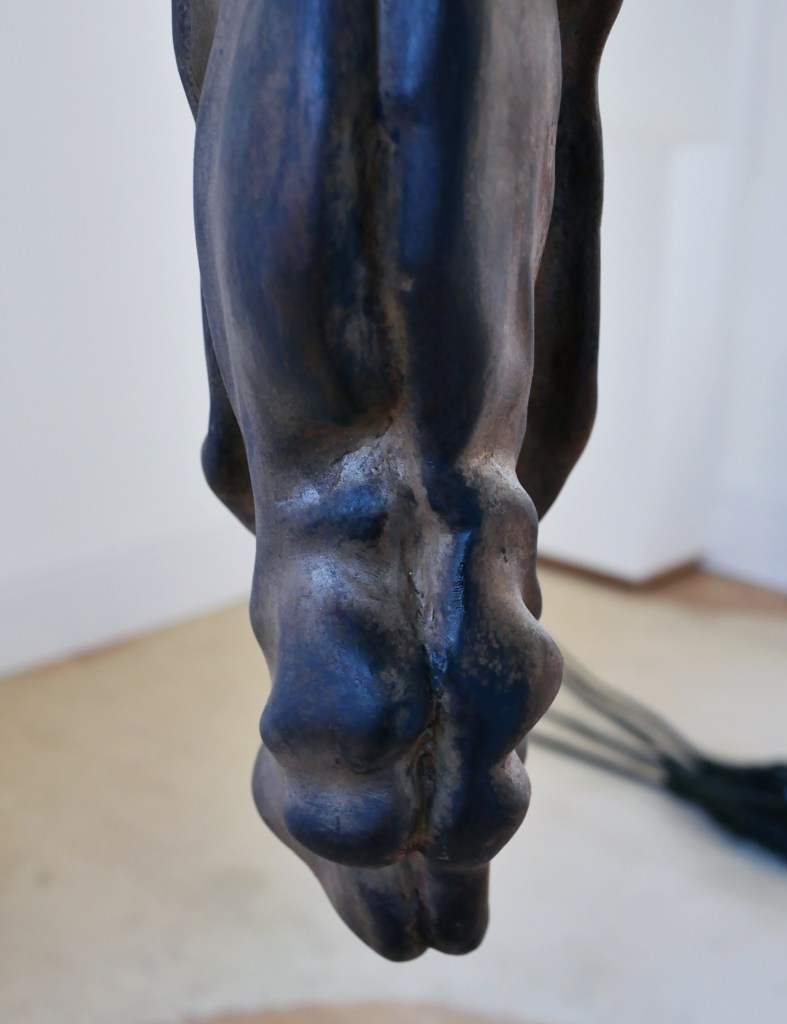
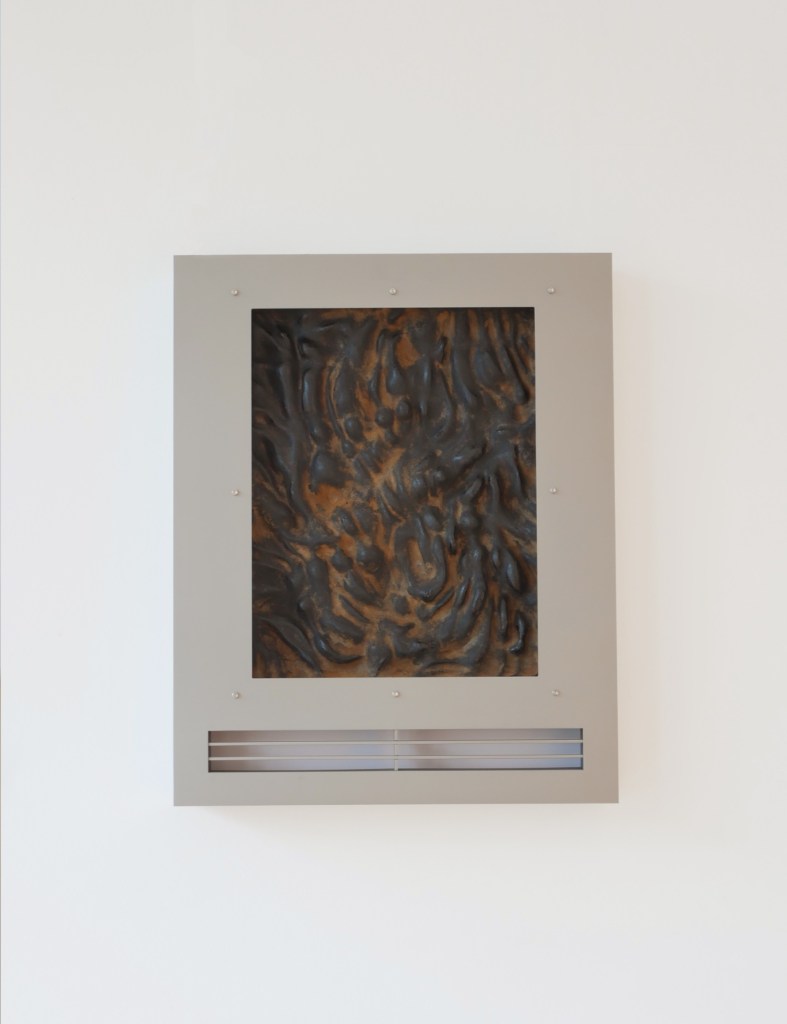
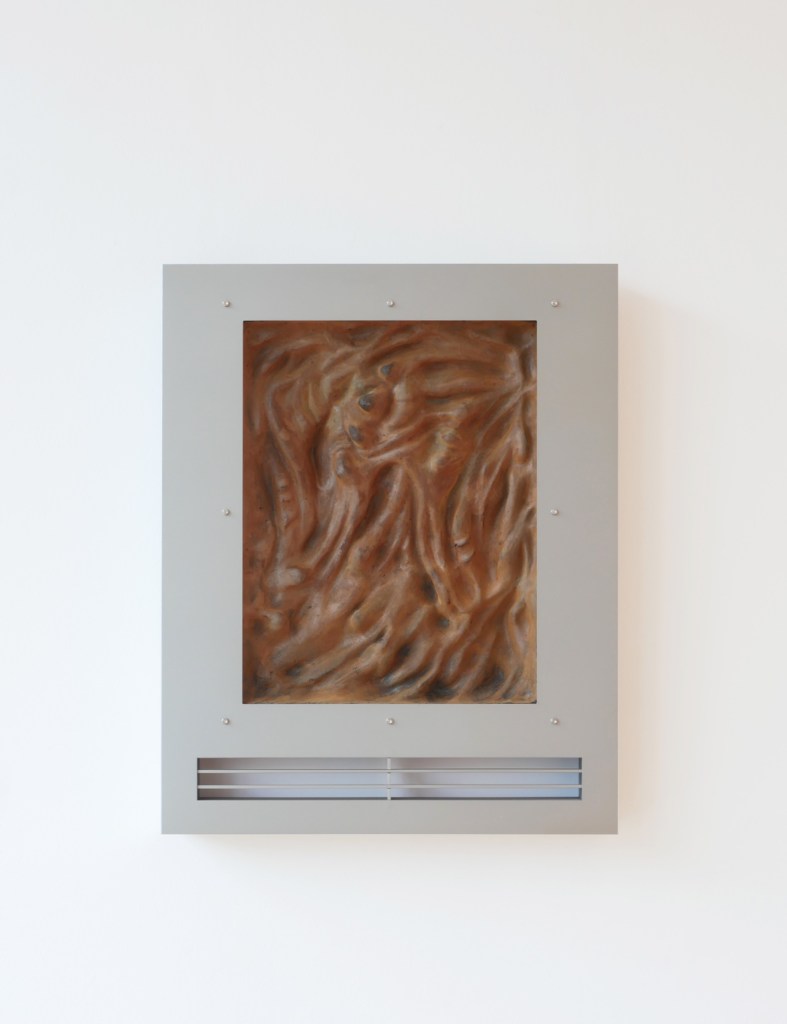
Through shaping, carving, sanding and lacquering, he brings creature-like forms into being.
His recent works take the Daoist idea of everlasting life as their starting point. The
alchemical furnace was once the central instrument of xiuxian (修仙), the cultivation of
immortality; in it, adepts refined the elixirs they hoped would let them escape death. It was
the longing for life that gave rise to xiuxian, and from the Tang and Song dynasties onwards,
internal alchemy went further still: it took the human body itself as the “cauldron and furnace”
and cultivated the “golden elixir” within. The artist strips this body-as-vessel of its xiuxian
narrative and places these forms, bare, throughout the space. Their black stillness makes
viewers instinctively keep their distance. There is a solemnity to them, as if they were waiting
for the viewer to feel something close to facing death. Yet incense smoke wavers out of
small openings in the sculptures, as though they were breathing. The smoke breaks the
stillness, and a sense of life slowly returns.
Each work is built up slowly, layer upon layer, through time and meticulous handwork, in a
process that itself resembles xiuxian. Like fifths stacked towards a cycle that never closes,
the layers reach for a completion that never quite arrives. On close inspection, the vessels
bear traces of the life that made them. The wish to shed the body as a cicada sheds its shell
(蝉蜕), to grow feathers and rise as an immortal (羽化登仙), is enacted again and again, but in
the end it is no more than the Yellow Millet Dream (黄粱一梦), the old tale of a man who lives
out a whole life in a dream before his millet has finished cooking.
The artist draws on a Buddhist distinction, central to Yanagi Sōetsu’s thinking on craft,
between self-power (自力), liberation through one’s own effort, and other-power (他力), whatcomes from forces beyond the self. For Yanagi, other-power was where the beauty of craft
came from. Here, it is also where powerlessness becomes visible. The sculptures express a
reverence for self-power and for life, yet the marks that other-power has left on them,
without the artist’s willing it, are evidence of a resistance to death that has come to nothing.
Like the wolf fifth, this remainder cannot be tuned away, only moved. Musicians learned to
steer around it; Bill Wangyi places it in the middle of the room.
Bill Wang YI(b. 1992) is currently based in London. As a visual artist, Bill employs
mediums such as sculpture and installation to construct uncanny landscapes where non-
human organic forms merge with fluid environments. His practice involves the alienation
and reconfiguration of organic elements into strange, life-like entities— metaphors for the
fluidity of identity, alienation, and the intergenerational state of displacement. Wang Yi’s
work frequently evokes a sense of estrangement, constraint, and coercion, manifesting
through alien material states and olfactory dimensions.
These elements-oscillating between the rigid and the fluid, scent and desire, the corporeal
and the shell-like — are distilled into a multi-layered, cohesive whole. His work has been
exhibited at institutions including ShanghART Gallery, PAI32, Fusilli Pot, Gallery Fractal,
National Art Museum of China, Ningbo Museum.
All rights to the images belong to the artist. No part of this publication may be reproduced, stored in a retrieval system, or transmitted in any form, electronic, mechanical, photocopying, recording or otherwise, without the prior permission of PAI32 Platform.

