
Yoshitsugu Kosaka: Where Old and New Are Forced to Coexist
Yoshitsugu Kosaka is an artist and experience designer whose practice spans physical computing, real-time graphics, augmented reality, live AV performance, and print — held together not by a single medium, but by a restless curiosity about how tools shape the people who use them.
Born and raised in Kurashiki, Japan — a city where denim manufacturing heritage and carefully preserved Edo-period storehouses sit side by side with modern commerce — Kosaka grew up in a place where layering time periods wasn’t a concept but a daily reality. That sensibility has never left them. Whether working with a Chrome extension, a live coding environment, or a printed photograph, they are always thinking about how new things land inside contexts that already exist, and what gets lost or transformed in that collision.
After moving from Kurashiki to Tokyo, then New York, and now London, Kosaka has built a practice that is as much about the experience of migration and identity as it is about technology. Guided by McLuhan’s conviction that the medium is the message, they are deliberately selective about the tools they use — drawn not to what is new or fashionable, but to what is conceptually alive, experientially meaningful, and capable of being pushed, misused, or made to fail in interesting ways.
Their work ranges from Fact Inverter Pro — a Chrome extension that uses AI to flip real news headlines in real time, turning the logic of misinformation back on itself with darkly comic results — to immersive installations, live AV performances, and AR projects that ask audiences to become co-authors of the work itself. Across all of it runs a deep commitment to experience design: the belief that the user is as central to the making of a piece as the person who built it.
In this interview, Kosaka speaks about holding the tension between critique and complicity in a technology-driven practice, the political life of a satirical browser extension, why print and photography remain vital anchors in an immersive world, and how growing up in Kurashiki — where commercialism and tradition are forced to share the same street — continues to quietly shape everything they make.
@yoshitsugukosaka
You describe having both a strong interest in and a critical stance toward technological determinism — the idea that tools and systems shape human behaviour. Yet your practice is built on those very tools. How do you hold that tension, and does it ever feel contradictory to critique a system from so deeply inside it?
It’s an interesting question – maybe I am a bit of a contradiction! One of the ways I think I hold that tension is by being selective about the tools I use. My practice follows McLuhan’s idea that “the medium is the message (or massage)”. The tools I choose don’t just deliver a message, they shape it, become part of the narrative, the interaction, and even the politics of the work. I’m equally interested in the disposition each medium creates – how it makes people feel and how it should feel – which I treat as part of crafting a specific emotional tone. Essentially, I try to avoid jumping on the latest ‘hype train’, unless the medium itself is doing something conceptually interesting. I’m not interested in technology just because it’s new or shiny; I’ll only work with a tool when there is something specific, provocative, and experientially meaningful about it. I’m definitely not adverse to using any type of technology in my work, but I do hold an appreciation for gadgets/ physical products over new software. Another way I hold that tension is that I don’t see myself as a neutral user of tools, but as someone who treats them as material to be pushed, and sometimes misused or manipulated.
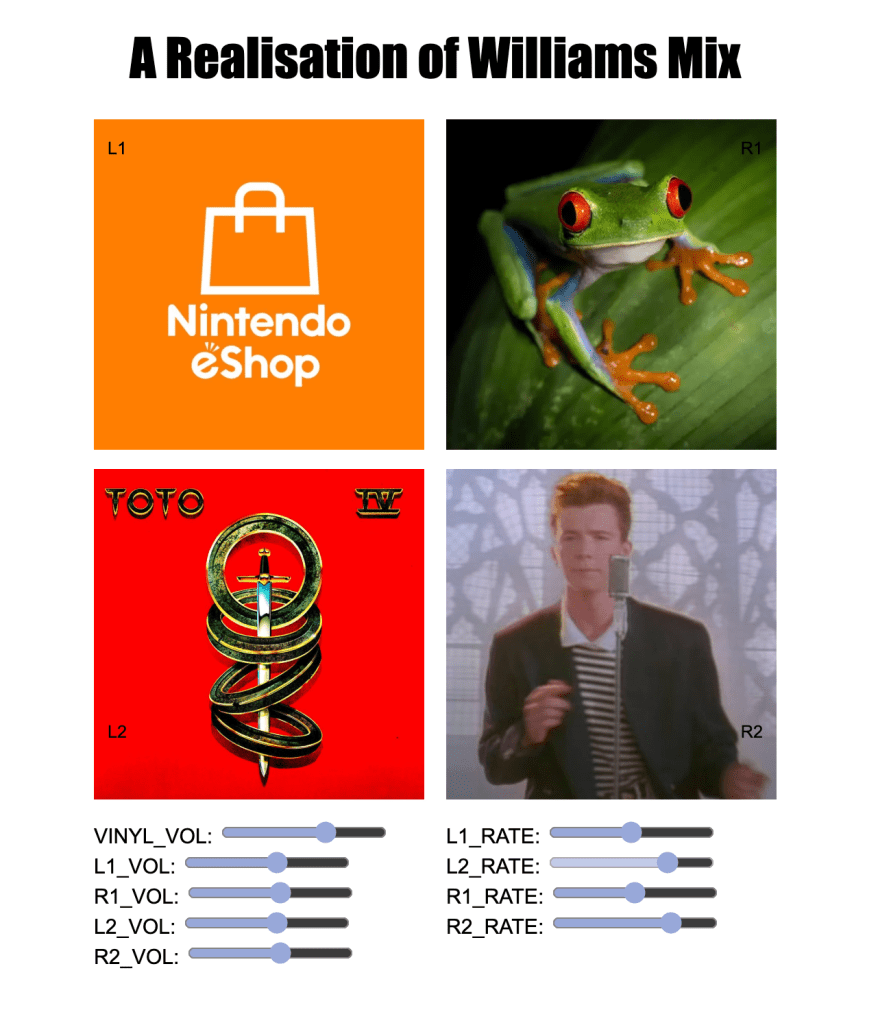
A Re-realisation of John Cage’s Williams Mix Web Version, 2022: https://yoshitsugukosaka.com/williams_mix/
100 samples in one go: Massively influenced by Williams Mix, of John Cage and the computer realisation piece, “CLPPNG” by Tom Erbe. Unlike the original work, I did not follow the rhythmic structure or used 600 samples but added the element of interactivity. Also not 8 loudspeakers surrounding the audience but audio comes from 5 total channels. My version has two channels on each side and lets you control the gain level of each audio output. I was fascinated by how the original piece sounded both random and well-structured at the same time, which to me felt like a musical composition rather than noise. With this work, I wanted to explore the boundary between noise and music composition.
Fact Inverter Pro — a Chrome extension that flips news headlines in real time using AI — sits somewhere between design tool, media critique, and provocation. Did you intend it as art, as activism, or as something else entirely, and does the distinction matter to you?
At face value, Fact Inverter Pro is intended to be a light-hearted commentary on the prevalence of fake news, but also on how much of what we see, think, and talk about is shaped by online content. Even people with strong critical thinking skills are vulnerable to misinformation, social media echo chambers, and the rise of AI‑generated content, and all of that exacerbates the polarisation that is enforced in online spaces. I’ve noticed that people frequently rely on what they see on platforms, like Twitter, in particular, as if it were a trustworthy reference, even though anyone can say anything there with no requirement for fact‑checking. Fact Inverter Pro highlights this risk, presenting a critical reflection on our contemporary information environment. It noticeably exaggerates the ‘fake-ness’ of the news headlines. They often end up sounding comical, because some of the words doesn’t sound natural when flipped. Maybe it’s a bit satirical? We all think we can spot AI and clickbait-y headlines, but we’re probably all guilty of believing some of them.
My creative choices are often driven by my interest in trying specific tools or techniques, more so than a desire to make a political statement or produce a piece of art. That said, it’s always really exciting when something I create is interpreted in different and more meaningful ways by other people. That interpretation adds much more dimension to the physical piece I’ve constructed. That probably speaks to my love of experience design – the user is as central to the making of the piece as the creator. I have dipped my toes into the art world more in the last few years, and that’s made me appreciate the open-endedness of audience interpretation even more so.
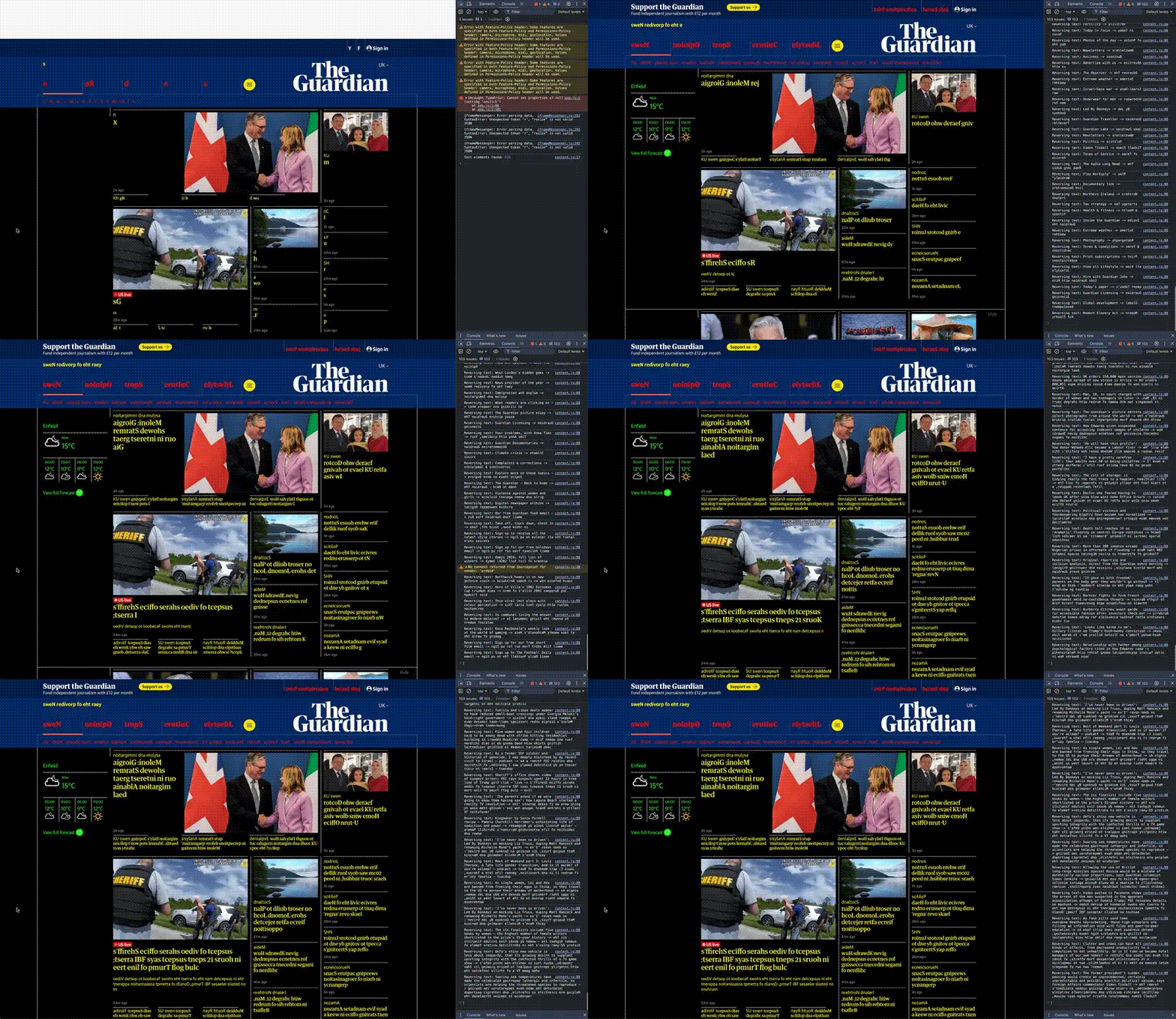
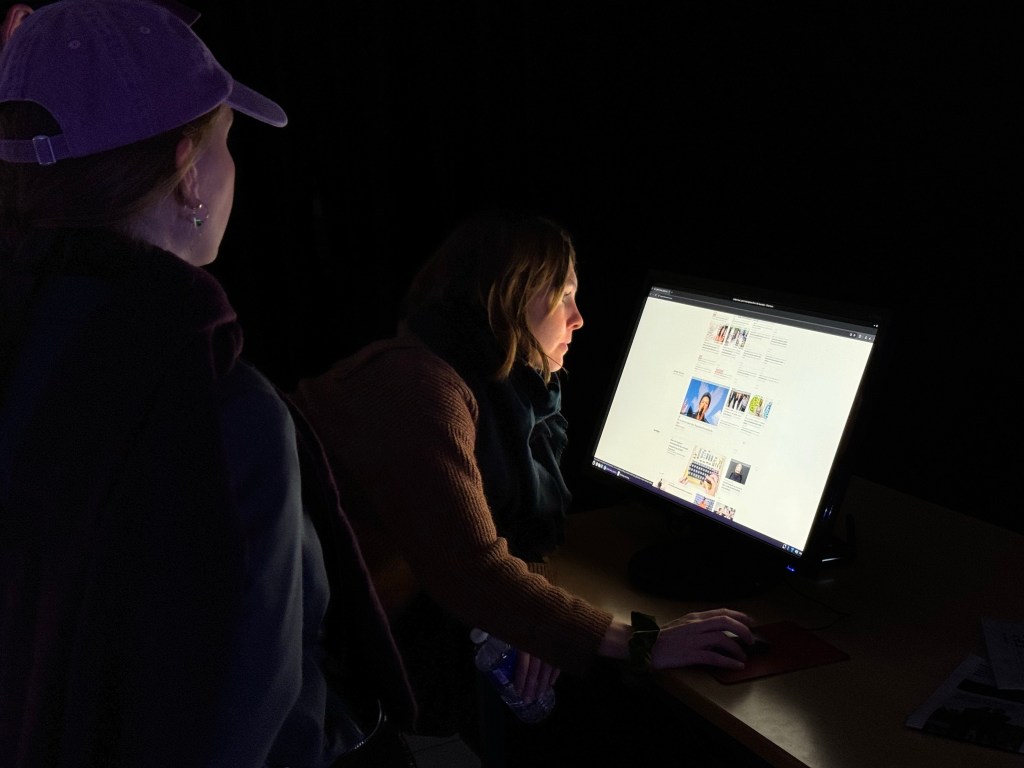
Fact Inverter Pro, Exhibited at KIKK Festival, 2024
You work across physical computing, real-time graphics, AR, and live AV performance, but you’ve said you continue to value print and photography as grounding foundations of craft. What does traditional media give you that the screen can’t?
For me, traditional media like print and photography matter because they are static in the best possible way. It holds its ground. That stillness and solidity can be very powerful: a single image can belong to a space and quietly shape it over time. It keeps my digital and immersive projects anchored in clear forms and compositions, rather than only in interaction and spectacle.
There’s also a practical dimension. The current major platforms are not built to host immersive or spatial work in its native form. Most of my installations or performances end up circulating as flattened documentation—photos, short videos, screen captures. I’ve learned to see this not just as a compromise, but as an additional layer of practice. The act of translating a complex, time‑based experience into a single frame or a printed page is itself an artistic problem.
I’m fascinated by the tangible aspect of print and photography: people can see and feel something from a physical image that just exists in the world, on a wall. It doesn’t require a “set-up” e.g no power supply, no headset or screen. That autonomy and quiet presence give traditional media a kind of stability and intimacy that the screen alone can’t really offer.
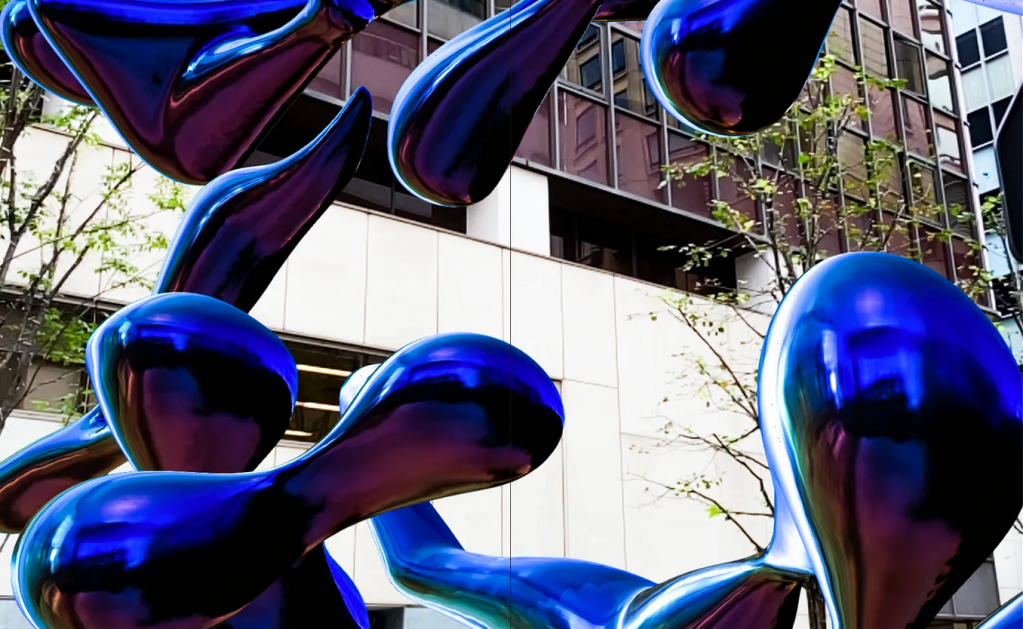
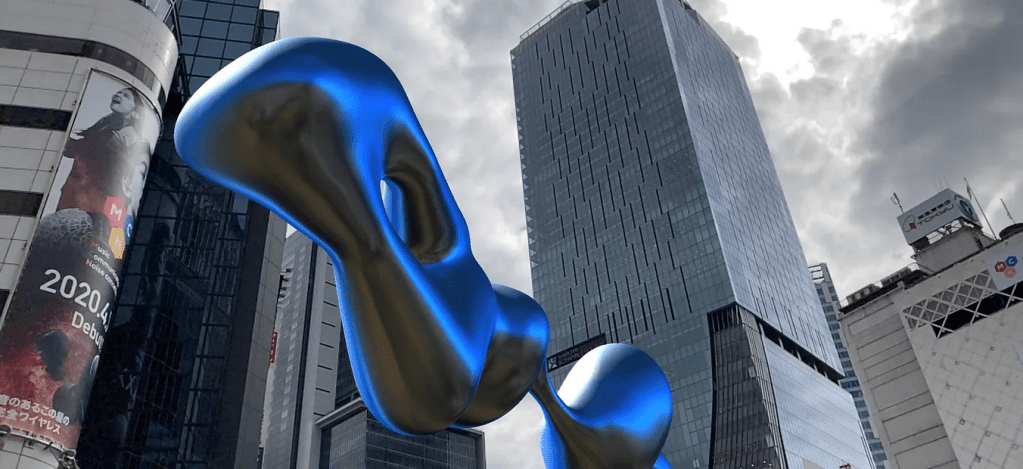
Credit: Photo Credit, Keita Kojima, 2020
“AR Words in the City” is a collaborative iOS app with artist Keita Kojima. 3D objects representing words are tied to physical locations across Tokyo’s Shibuya district. Similar in premise to Pokémon Go, users encounter the word sculptures at specific GPS-anchored spots as they walk through the city. The words become entities — virtual yet present — floating in the urban landscape like creatures.
You grew up in Kurashiki, Japan — a city famous for preserving its historical architecture — and now work in London at the frontier of interactive technology. How much does that original environment still inform the work, even when the work looks nothing like it?
Anyone who has lived outside of their home country will understand how much moving away from it strengthens the sense of identity that comes from being from that place.
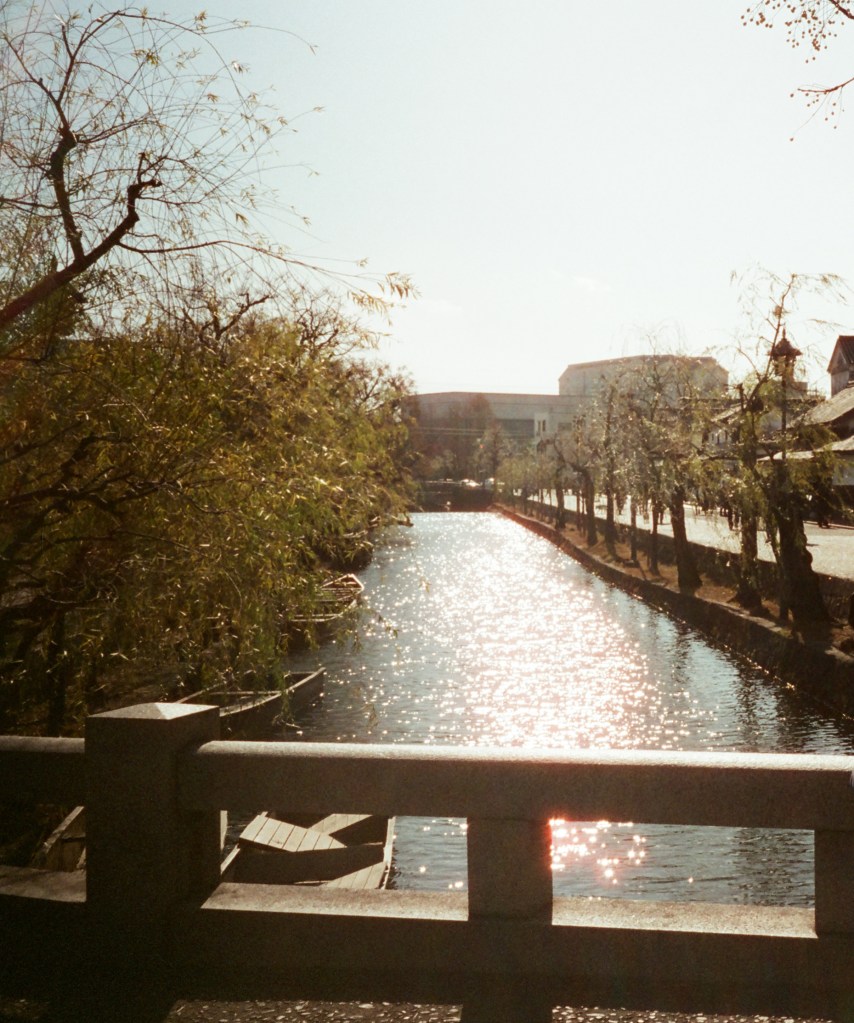
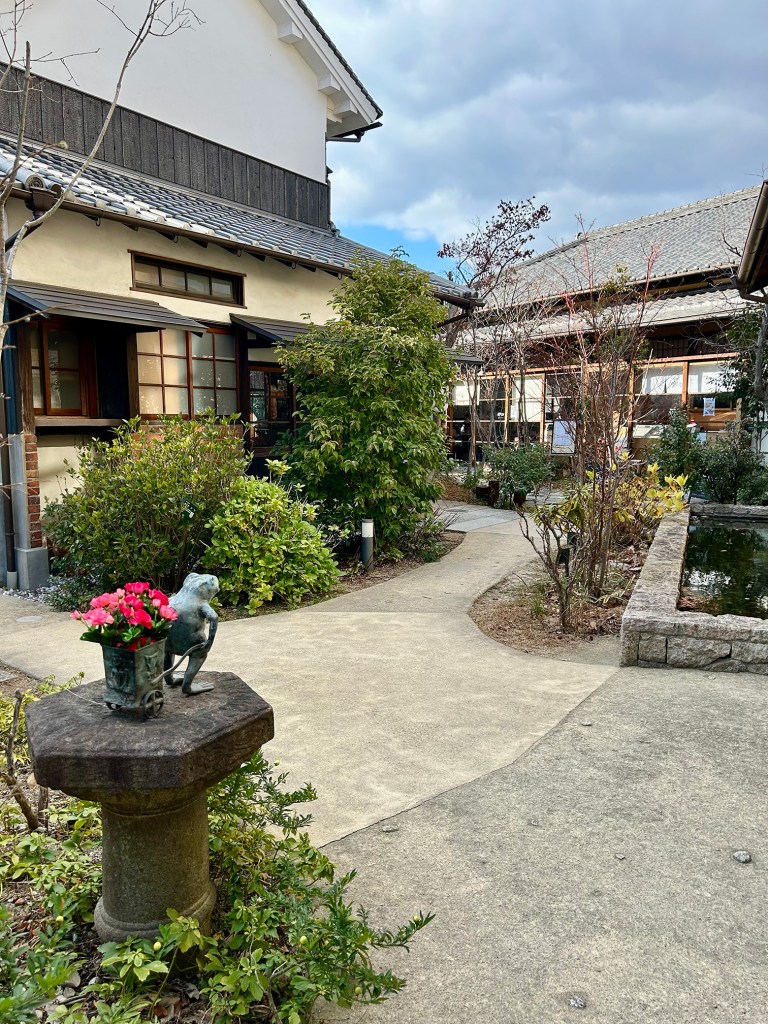
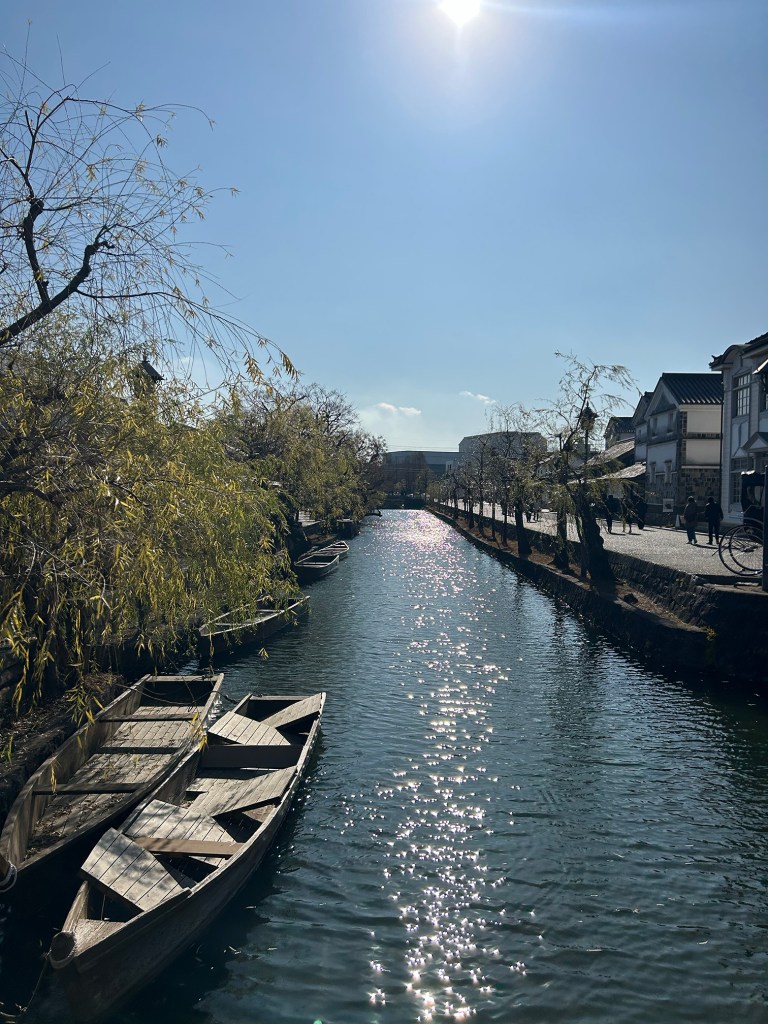
Kurashiki is known for textile (especially denim) and its industrialism, which has given it a very distinct identity. In fact, Kurashiki was the first place where jeans were made and sold in Japan, and that culture of making things is still there, mixed in with old streets and storehouses that have been carefully preserved.
Over time, Kurashiki has become more modern and commercial, which I think is inevitable, but the core character of the place hasn’t really changed. Every time I go back, I’m struck by how new shops, signage, and tourist culture are layered onto older buildings and infrastructures, rather than replacing them entirely. Commercialism and tradition are forced to coexist in the same physical space.
All of this inevitably seeps into my work. Being from a place where old and new sit so closely together has made me comfortable with layering technologies and time periods, rather than choosing one side. Even when my projects look very digital or speculative, I’m usually thinking about how they sit in a real, existing context — how something interactive can live inside a physical space or social fabric that’s already there, instead of erasing it. That way of thinking definitely comes from Kurashiki, and is reinforced by living in London, which to me is another place where modernity complements old tradition, just on a larger scale.
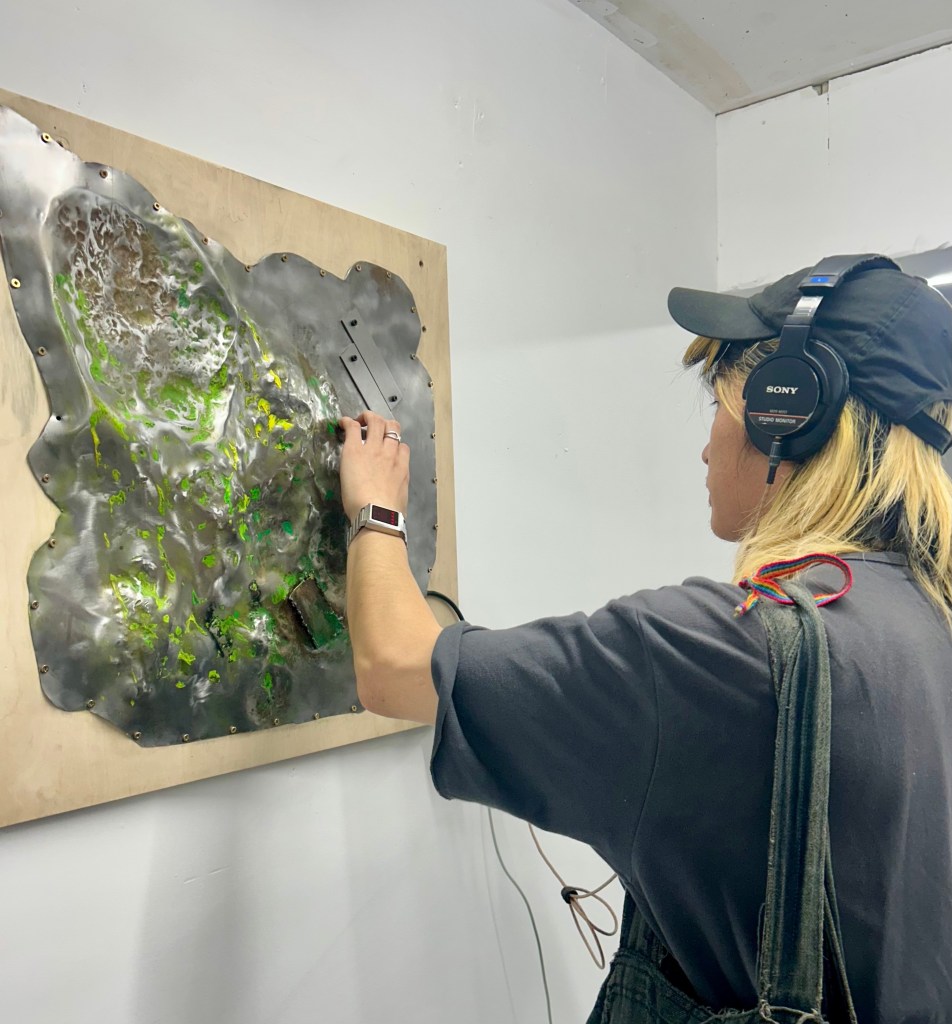
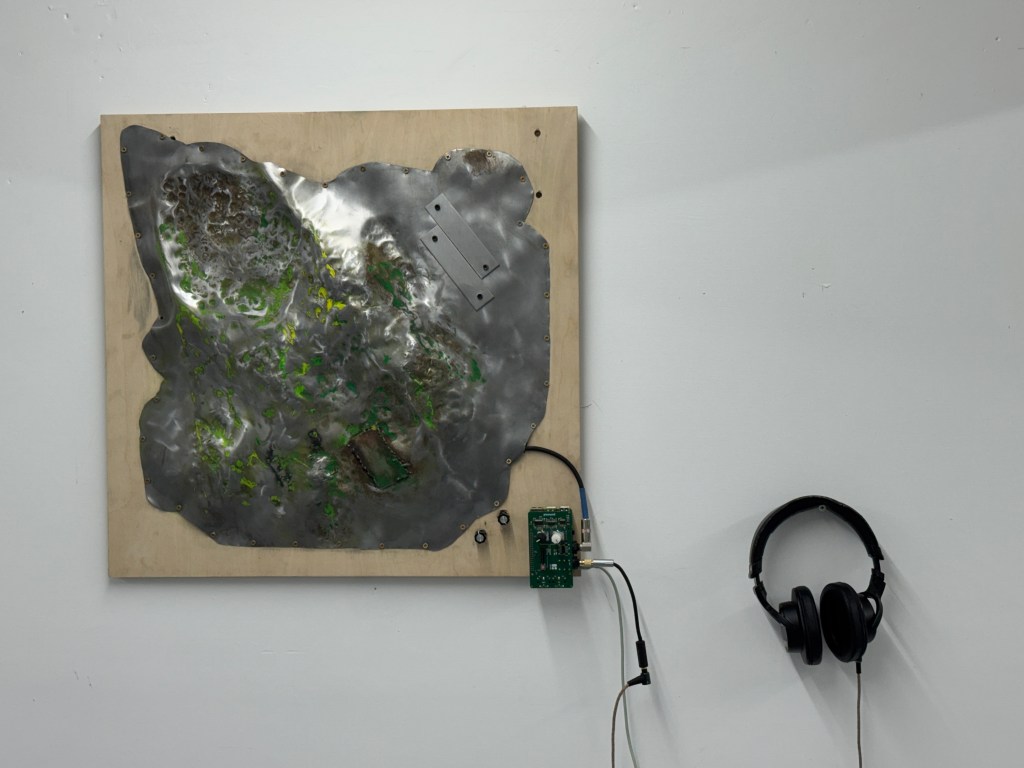
Exhibited at Unit 2 Gallery in St Leonards collective art show 2025
HeavyMetal is a sculpture piece of blended materials [metal and wood] that amplifies the touch of the metal in audible format utilising contact microphones.As you stroke the metal surface, you’d hear the ambient gentle metallic sound, which you can manipulate by twisting the dials attached to the wooden frame [distortion and reverb] as well as the slider to adjust the gain level.This multi-sensory sculpture piece allows for both visual, tactile and hearing to present the form of metallicness. It will have a rusty, shiny, bumpy surface, so that based on where you touch, the sound slightly differs from each other.
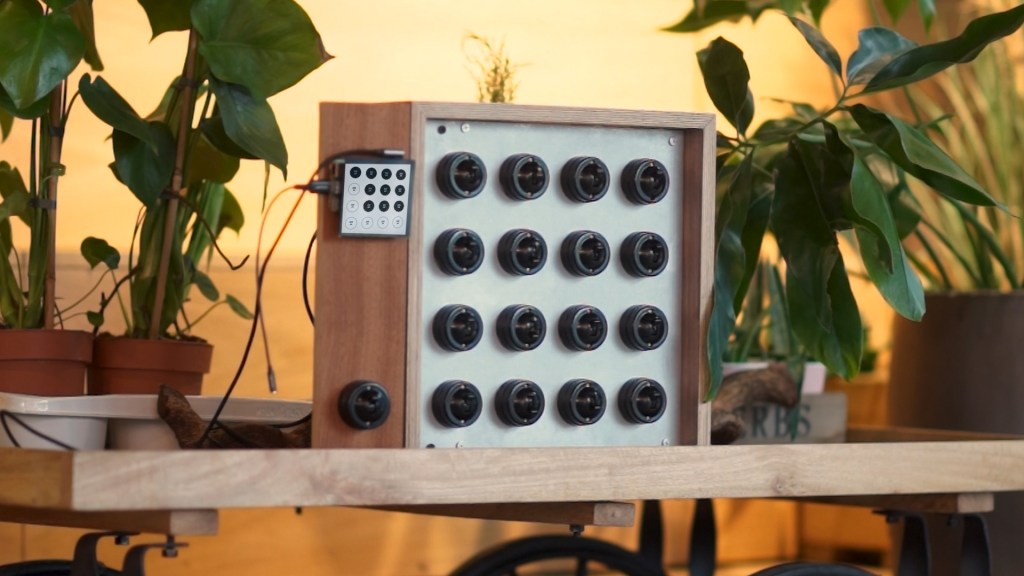
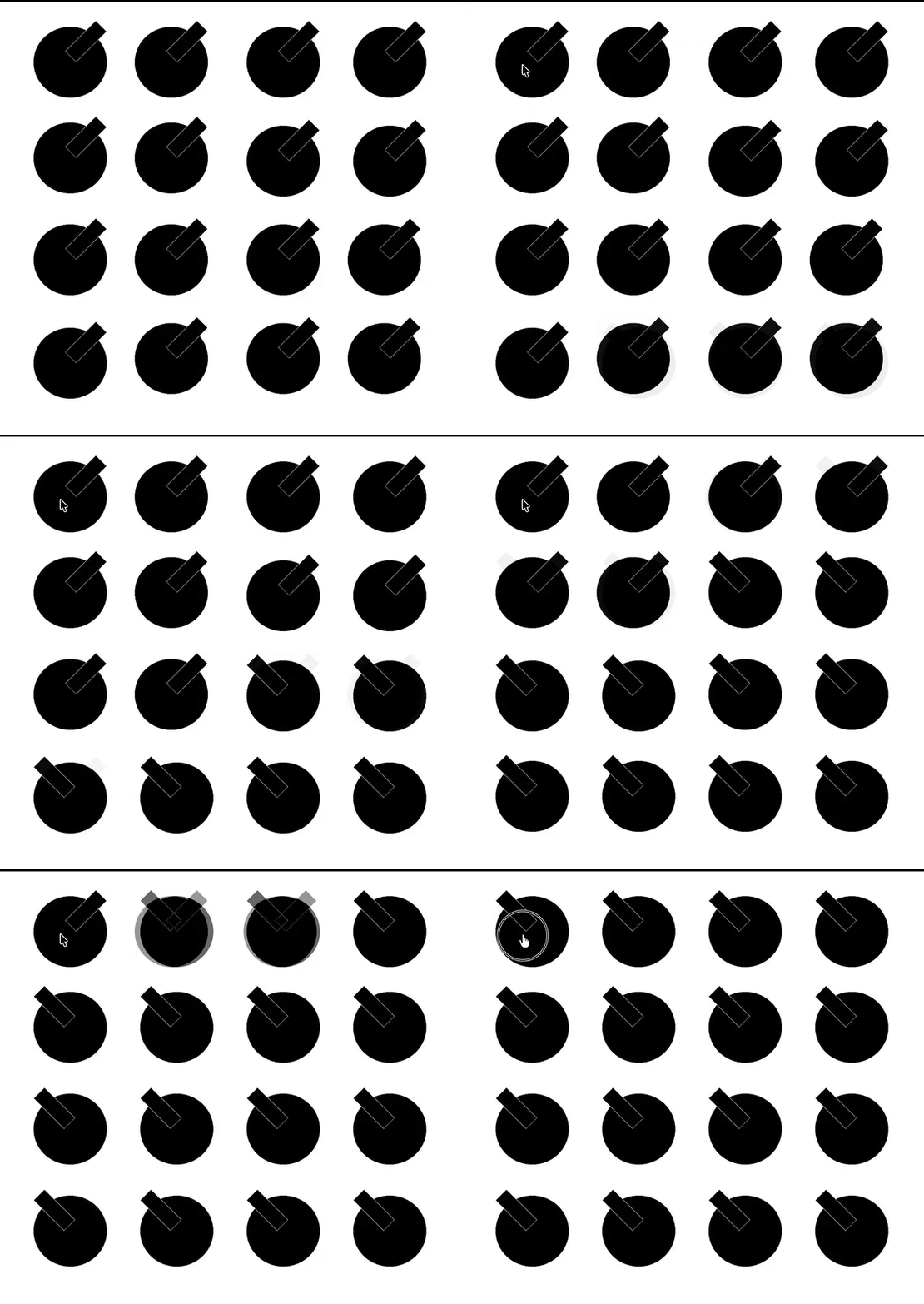
IO-able Switch System, 2025
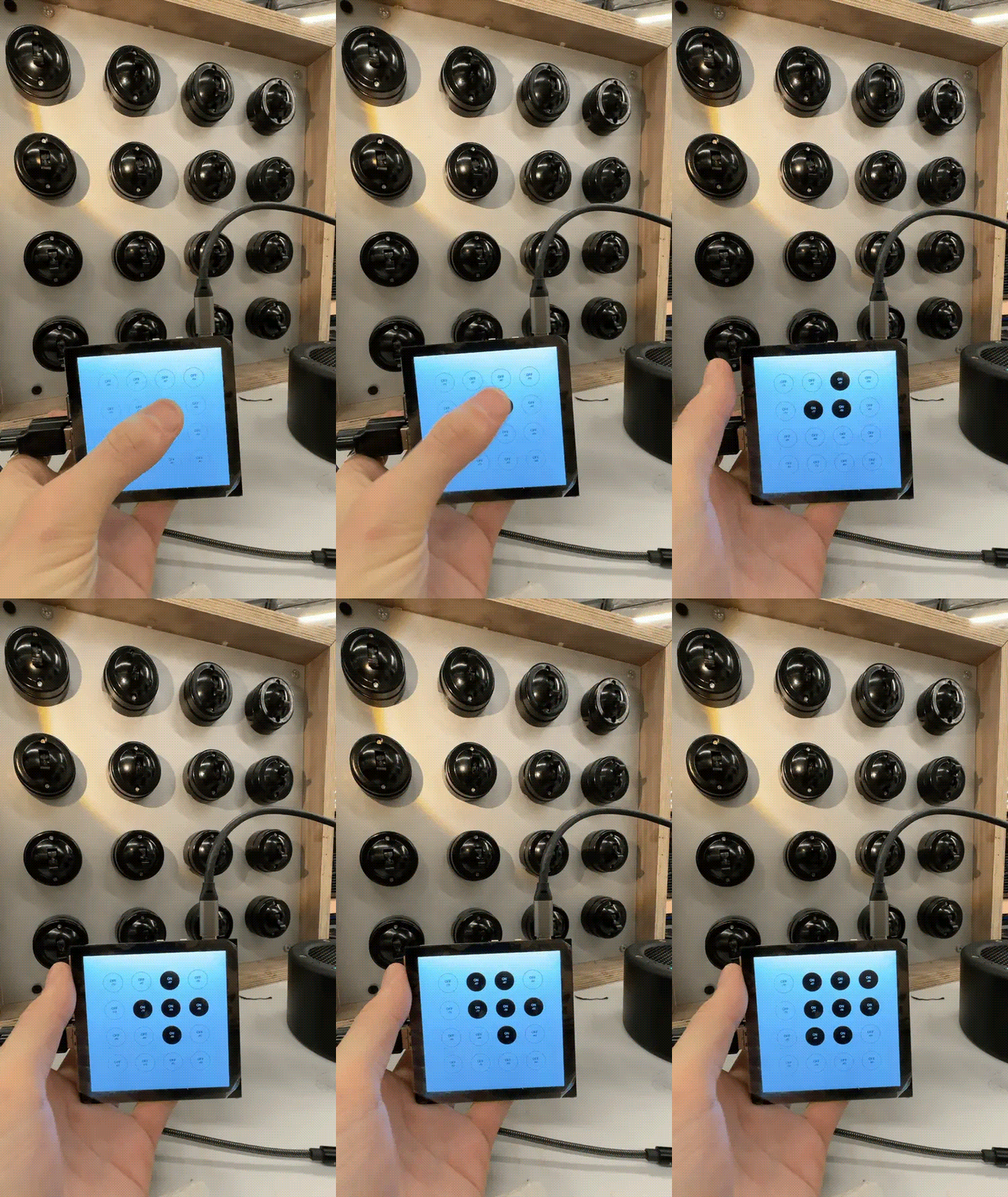
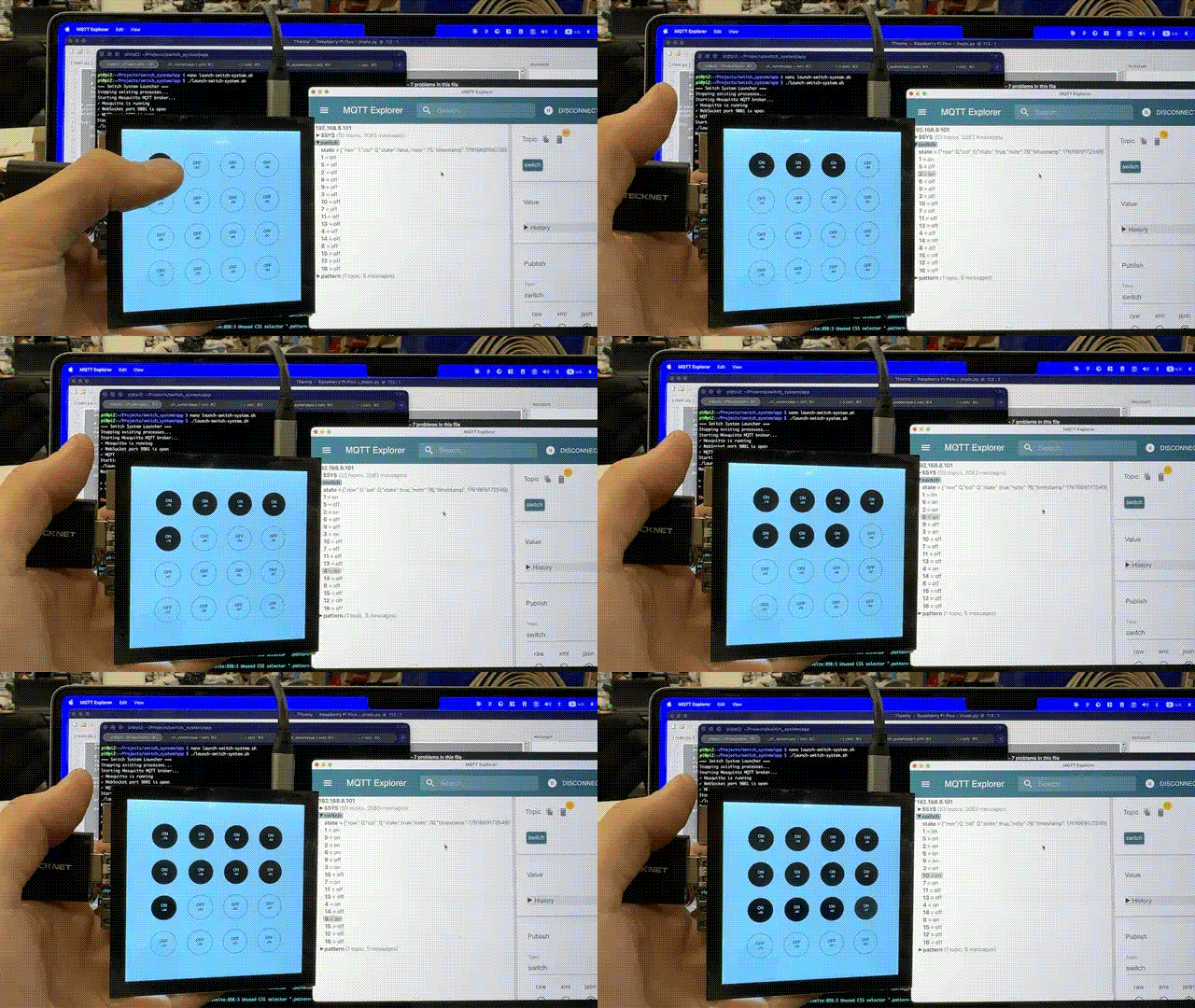
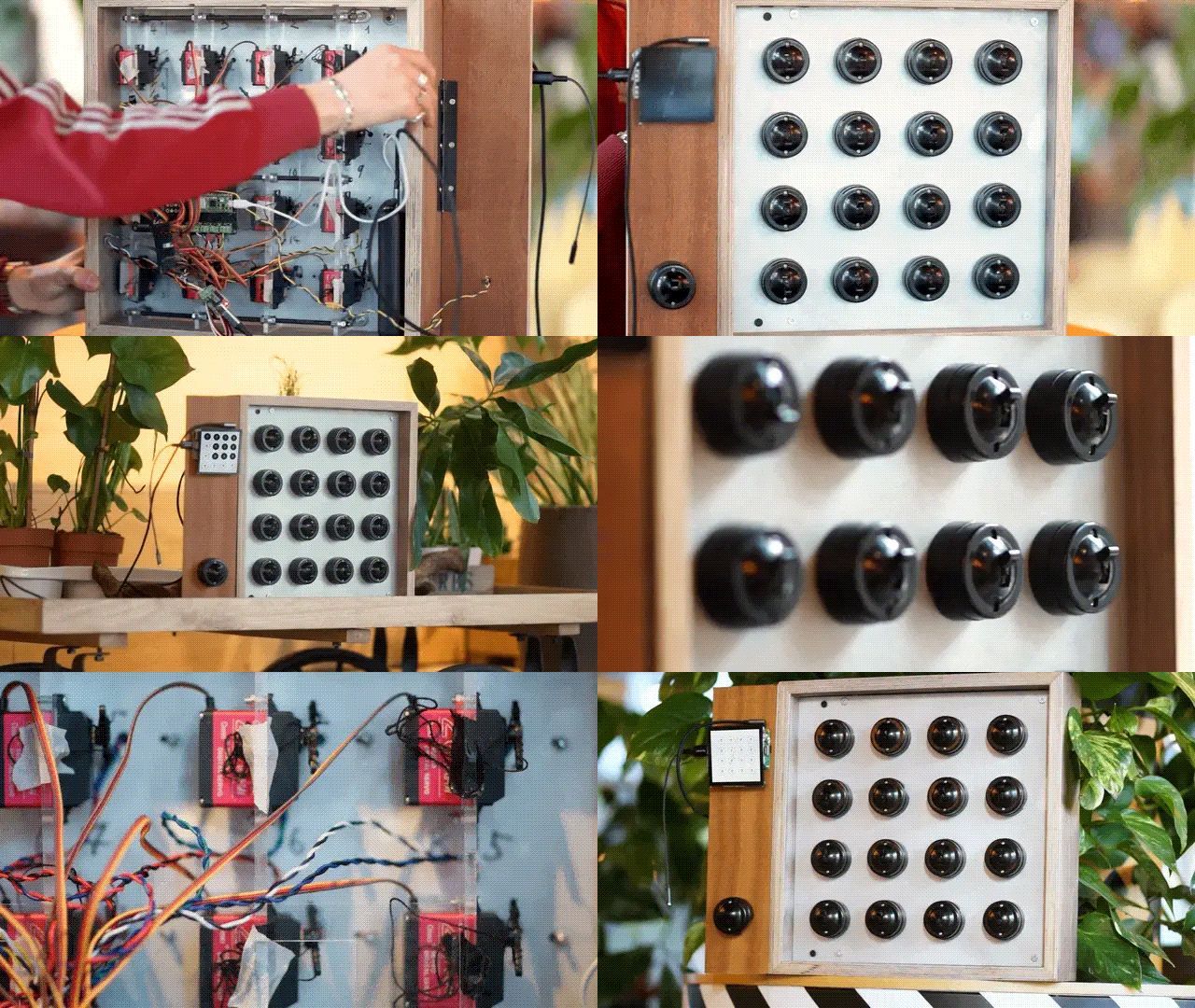
IO-able Switch System is an audio installation featuring a 4×4 switch array system. Each touch input activates a sonic sequence and triggers animations across the switches, forming a subtle ritual of action. Inspired by Stephen Gage’s The Wonder of Trivial Machines, the piece reimagines the switch — a predictable, binary device — as a system capable of variation and feedback.
What do you think is the primary idea or goal of art in general? If there is a specific goal, what would it be?
My goal is to use art to build connection. As someone who has migrated from Kurashiki to Tokyo, New York and now London, art has been a way to meet, understand and relate to people from all different kinds of backgrounds to me. It provides interesting perspectives and points of commonality to talk about. Often, artists are recognised by what they do and how they do it. In that sense, I’m using art to refine my style and identity – almost like a a ‘personal brand’, if that doesn’t sound too cringey. Keep meeting people through artmaking!
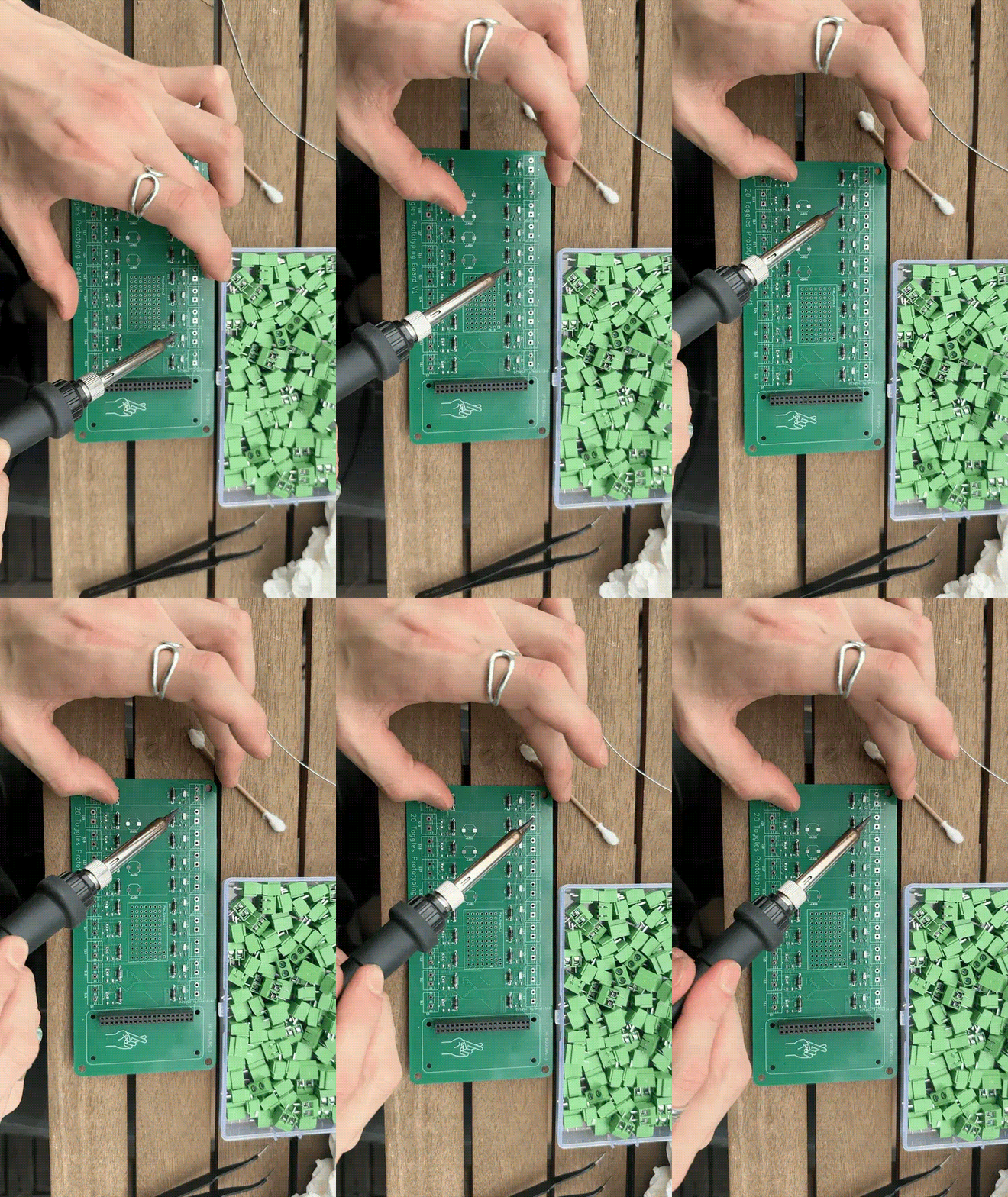
Yoshitsugu Kosaka’s work process.

ARTIST OF THE MONTH
Interview, Online Exhibition
#artist of the month
PAI32 EDITION’26
GLITCH, IDENTITY AND POLITICS
 PAI_32 platform