
Danying Yu: Informal Structures, Spatial Intelligence, and the Art of Making Things Hold
Danying Yu is a London-based artist-researcher whose practice moves between sculpture, installation, fieldwork, and socially engaged research — always returning to a central question: what can informal spaces teach us about how life is held together?
Born in Shanghai and now based in London, Yu’s work begins with the overlooked architectures of everyday survival: self-built rooms, temporary repairs, added shelves, hanging ropes, reused materials, and small gestures of adaptation that make unstable spaces liveable. Rather than approaching informal housing or urban villages as chaotic, marginal, or visually curious, she treats them as sites of knowledge — places where care, necessity, invention, and spatial judgement are quietly embedded in ordinary forms.
Her practice is shaped by long-term research into transitional living conditions, particularly in fast-changing cities where informal spaces are often erased by redevelopment. Through fieldwork in Shanghai, Shenzhen, Guangzhou, and more recently Mexico City, Yu examines how people make do with what is available: tying, propping, extending, covering, balancing, and reinforcing. These acts become more than practical solutions. In Yu’s work, they become a sculptural language of resilience.
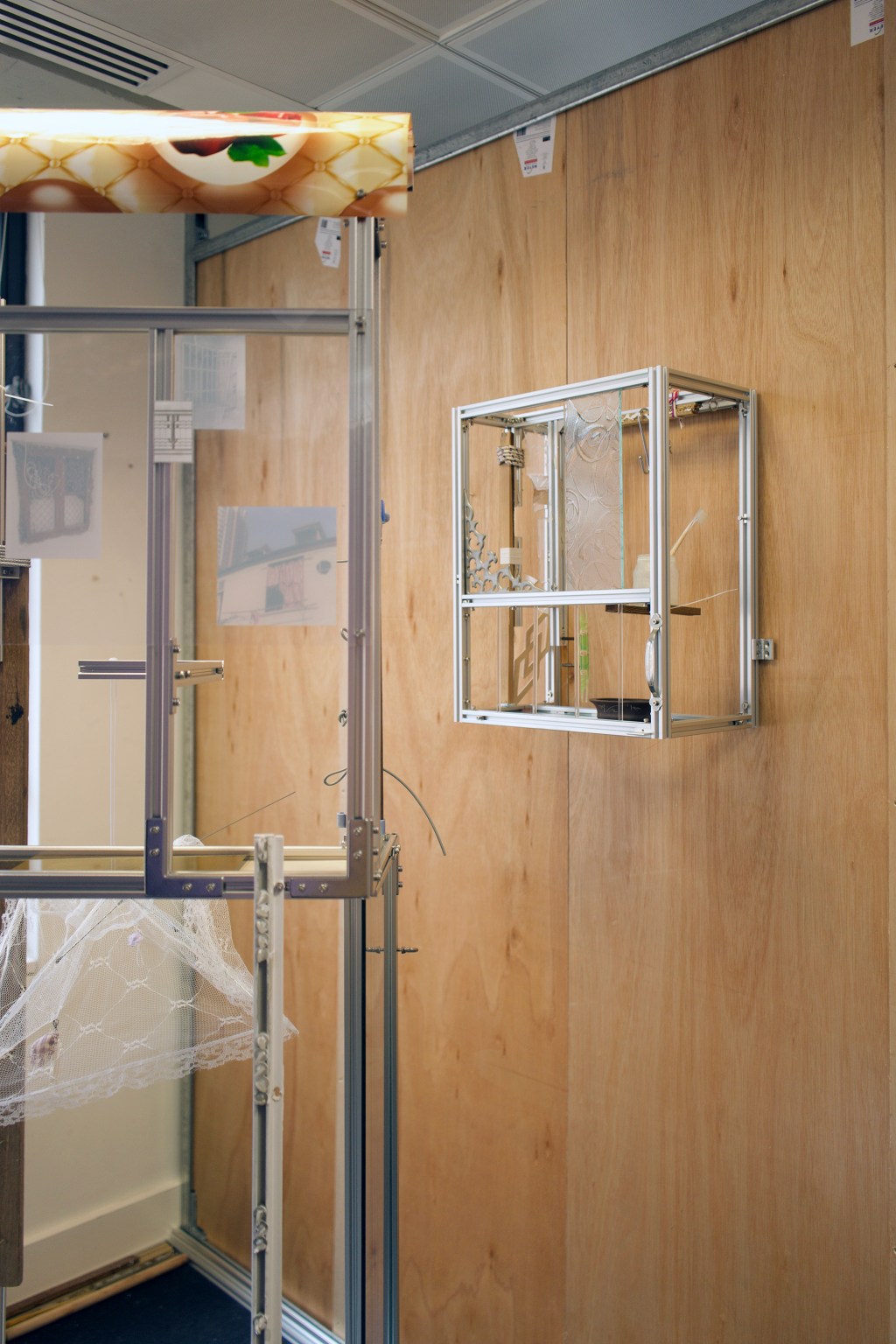
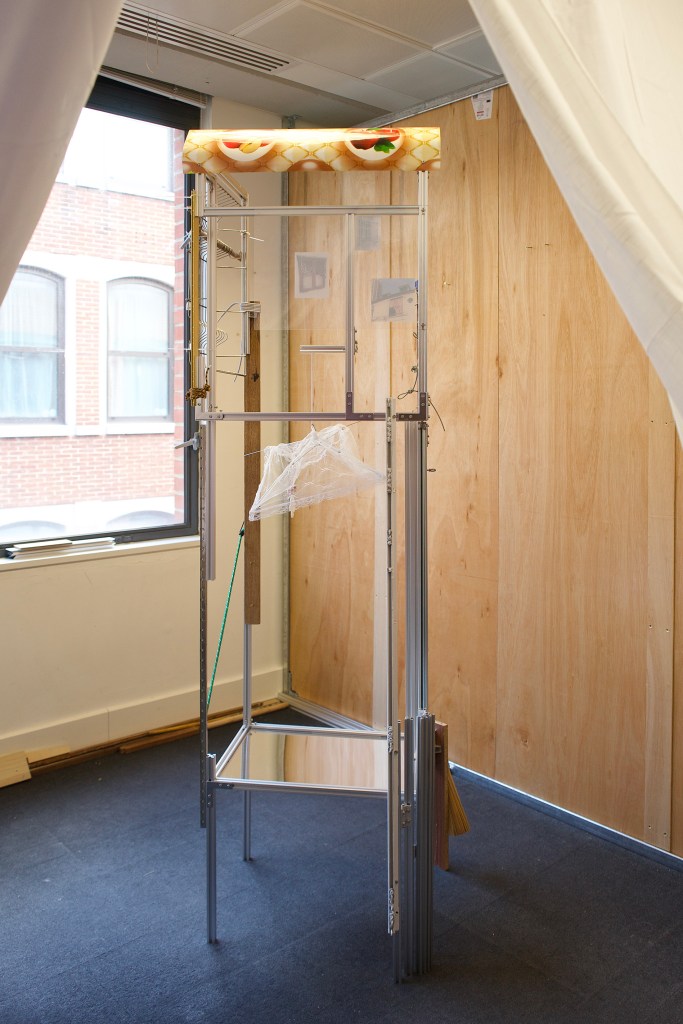
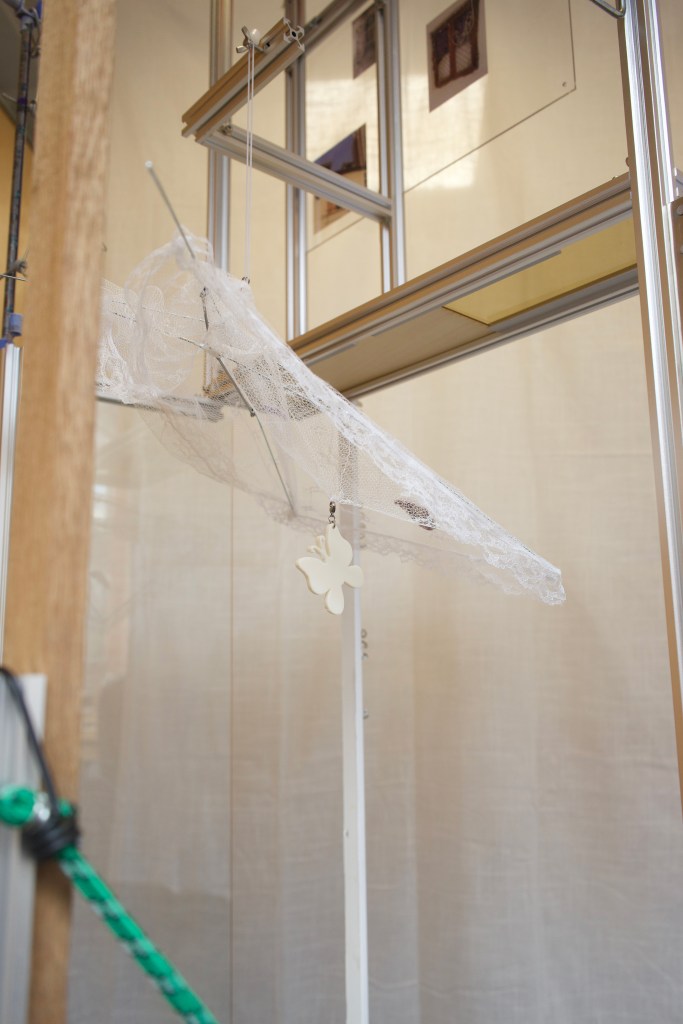
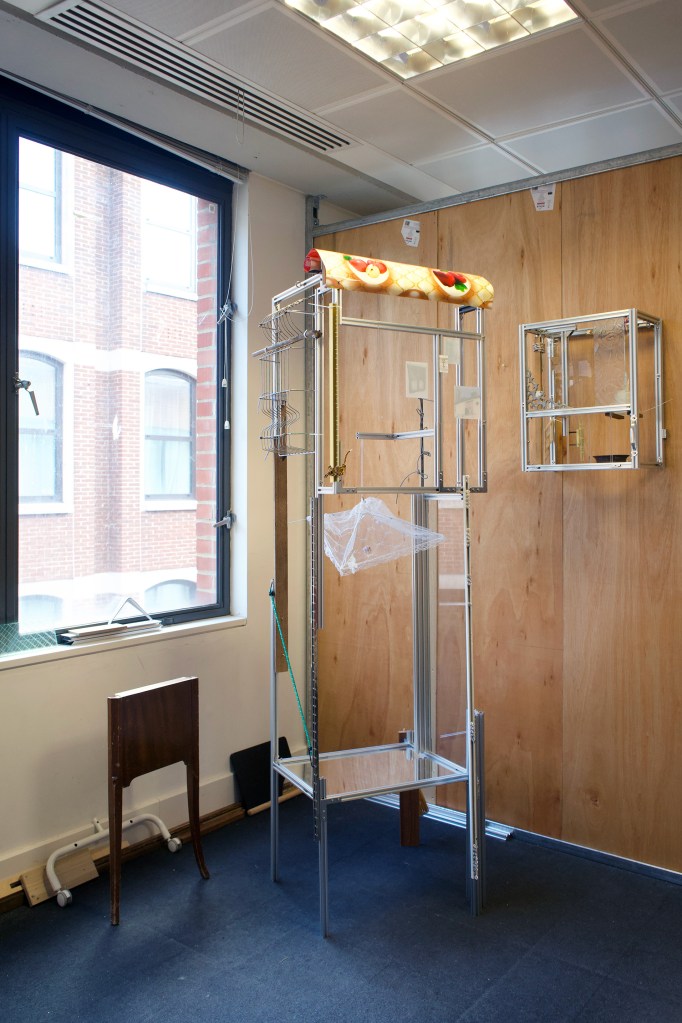
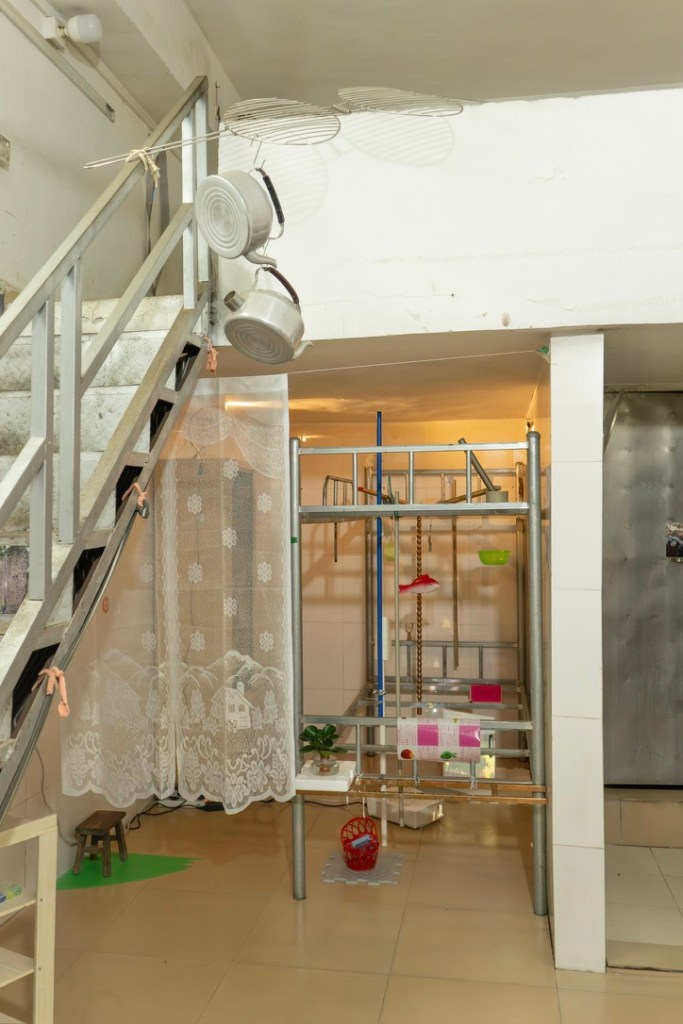
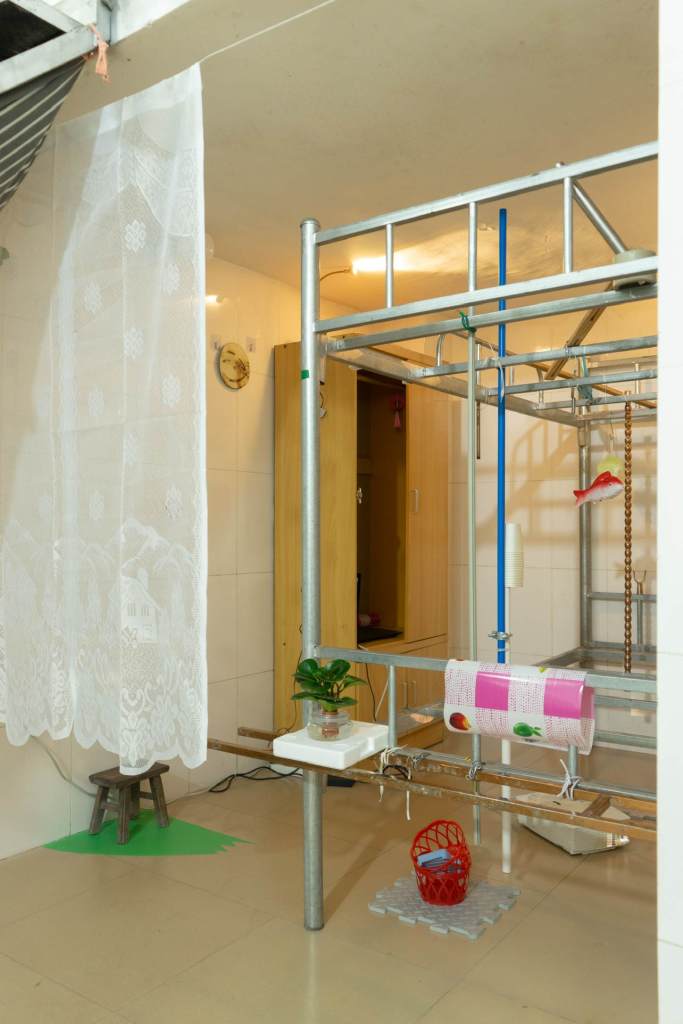
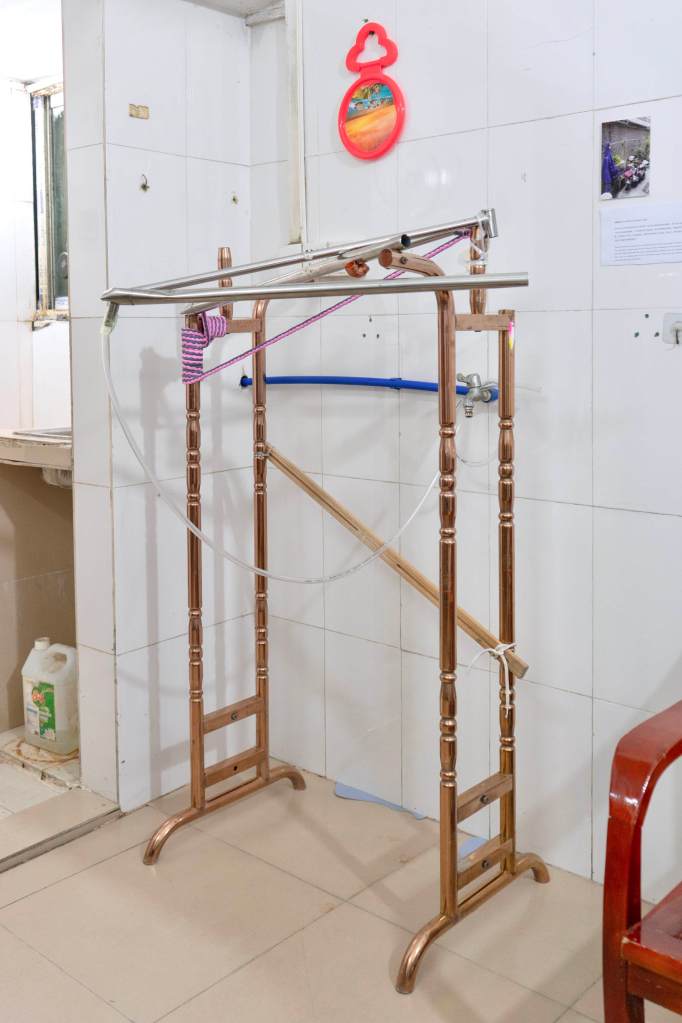
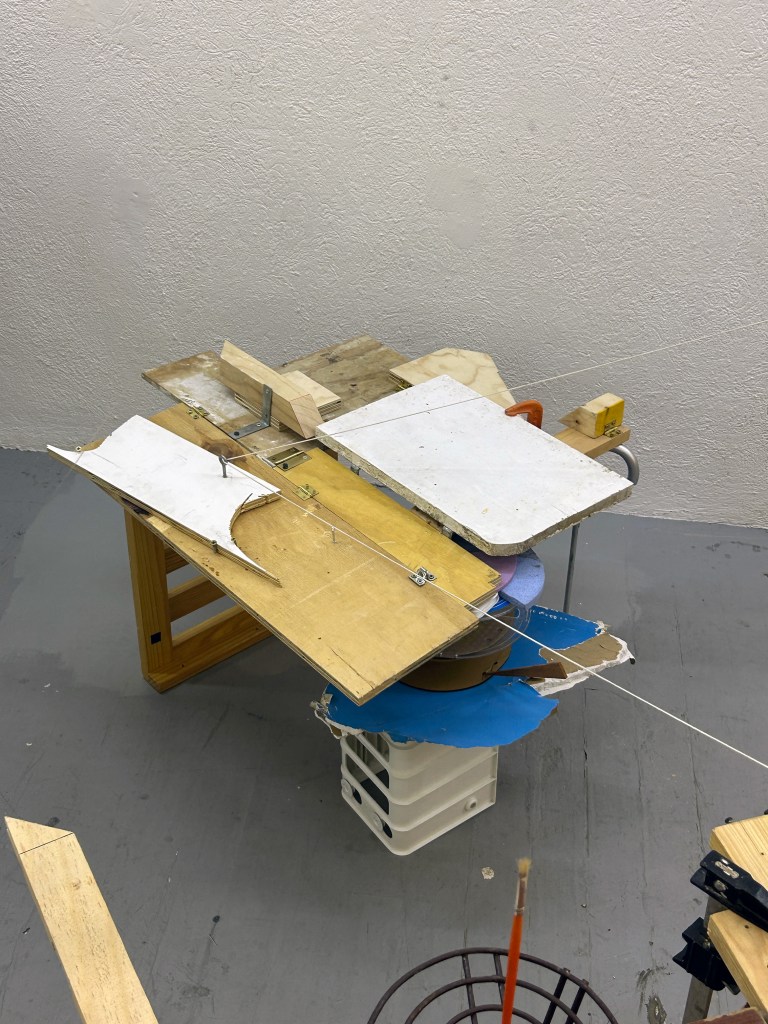
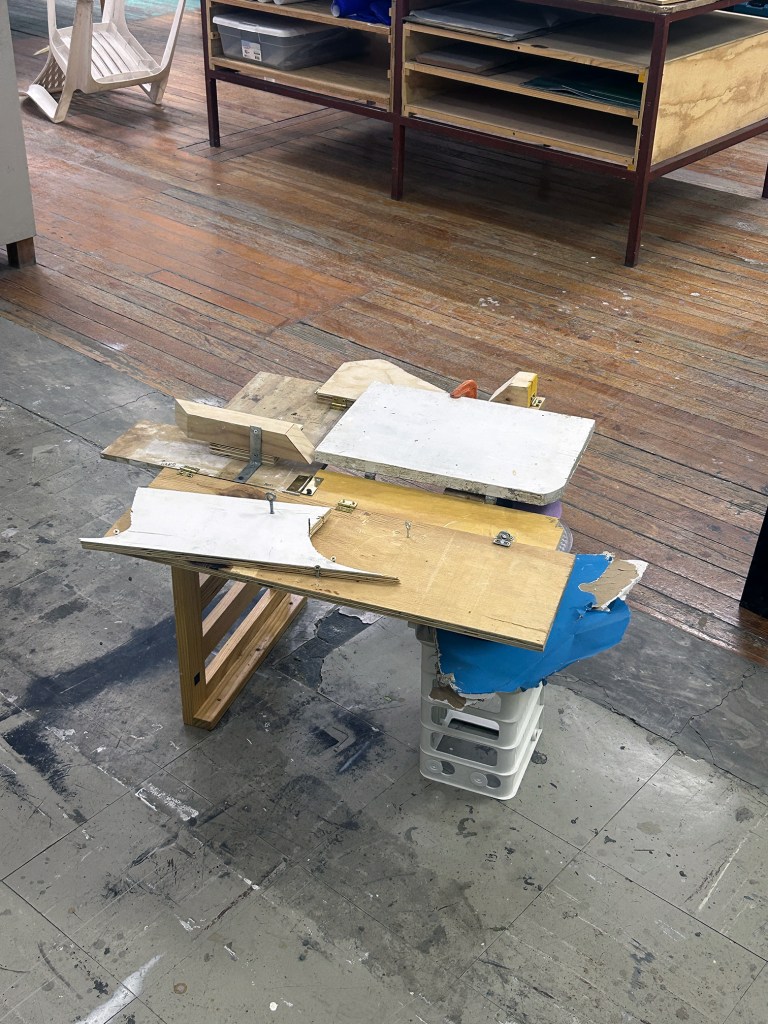
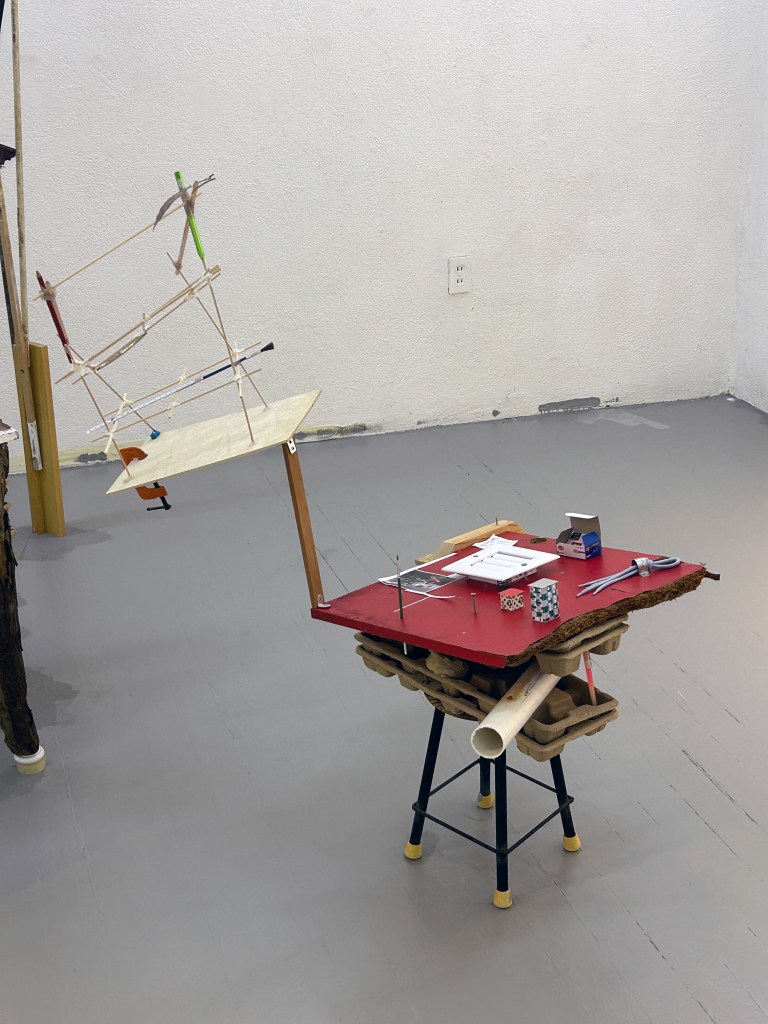
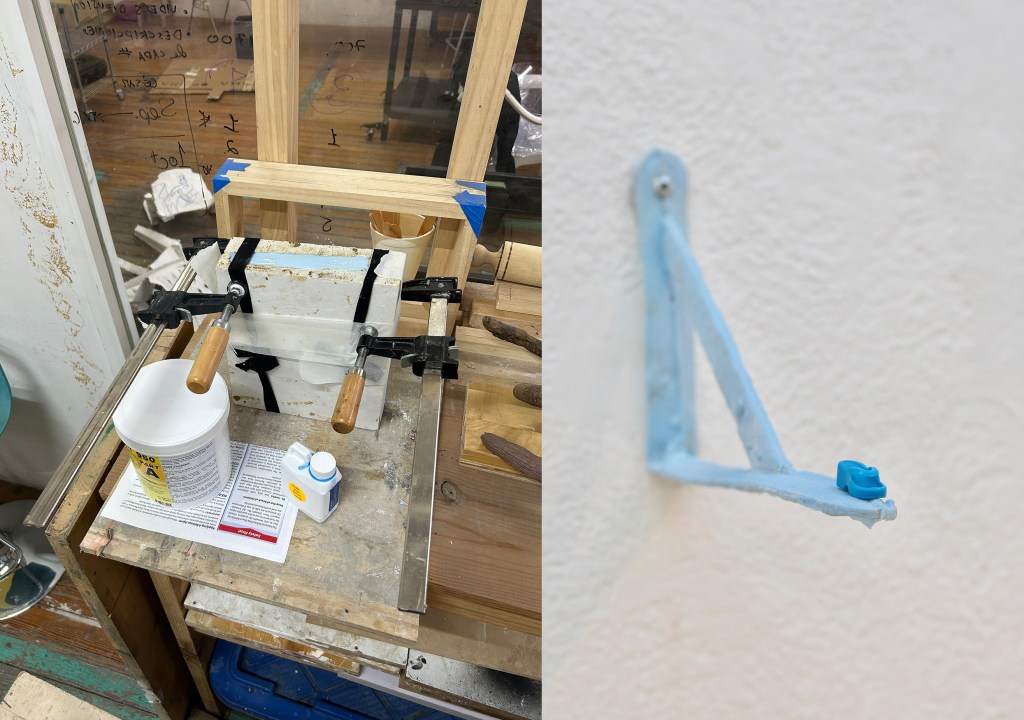
Working with found, modest, and locally available materials, Yu translates these observations into works that feel provisional yet precise. A plank, a rope, a hook, a styrofoam box, or a piece of chain becomes a way of thinking about value, labour, and the fragile intelligence of everyday life. Her sculptures do not simply represent the spaces she researches; they ask what sculpture can learn from them.
In this interview, Yu speaks about growing up in Shanghai, the disappearance of urban villages, the ethics of working with vernacular spatial practices, and her recent project Where Things Hold in Mexico City. She also reflects on the productive tension between intuition and academic research, and on art’s ability to create a space where we can sense, reflect, and imagine otherwise.
@soupofthedan
Your practice centres on informal housing and transitional living conditions — what first drew you to these spaces as sites of artistic and research inquiry? Was there a specific moment or place that crystallised this focus for you?
My interest is closely tied to the kind of city I grew up in. I come from Shanghai, a place more often associated with rapid modernisation and careful urban planning than with informality. But it was precisely within that environment that I first became aware of spaces that seemed slightly out of sync with the city’s dominant image: temporary add-ons, self-built houses that had been repeatedly modified, leftover corners that had been repurposed, and the small but constant adjustments people made to their living environments under constraint.
At first, I was drawn to these spaces partly because they stood out visually. They seemed to sit awkwardly against the polished image of the city. But over time, I became increasingly aware that I did not want to approach them through a lens of curiosity or spectacle. As I learned more about their histories and the realities of the people living there, I began to shift my attention away from the façade and towards the everyday spatial practice that sustained them.
I studied Public Art as an undergraduate, which meant I spent a great deal of time walking through the city and learning to read its landscapes. A collaboration with the independent art space Depot in Shanghai was especially formative for me. It was through that project that I first realised Shanghai also had places that could be understood as urban villages. At the time, I began working with styrofoam boxes, a material that was everywhere in these areas. They are widely used in nearby wet markets and fruit stalls because they are lightweight, waterproof, moisture-resistant, and good for keeping produce and seafood fresh. Yet compared to cardboard boxes, wooden crates, or plastic containers, they are among the easiest materials to discard.
We once carried out a simple test: if we left a cardboard box outside the space, it would usually be taken away within a minute by someone collecting recyclables. But styrofoam boxes were different. Because they are bulky, light, and have little resale value by weight, few people wanted them, and recycling points were often far away. That made me think about value in a broader sense. When something has very little economic value, very limited practical afterlife, and is also seen as aesthetically undesirable, what kind of value can it still hold? And what happens when such a material is redefined and reconsidered, not for its market worth, but as a vehicle for thought?
Later, I realised that this question also resonated with the fate of these spaces themselves. Many urban villages were already being demolished under processes of urban renewal, even though they provided crucial housing for migrant populations and supported forms of life that the formal city still depended on.
What turned this early interest into a long-term research direction was returning to some of these sites in 2023 and finding that they had already changed beyond recognition, or disappeared altogether. That experience made me feel how quickly these spaces were being transformed, almost as if I was racing against time. But my aim was never simply to document or archive them. What drew me in more deeply was the folk wisdom and spatial agency embedded within these practices.
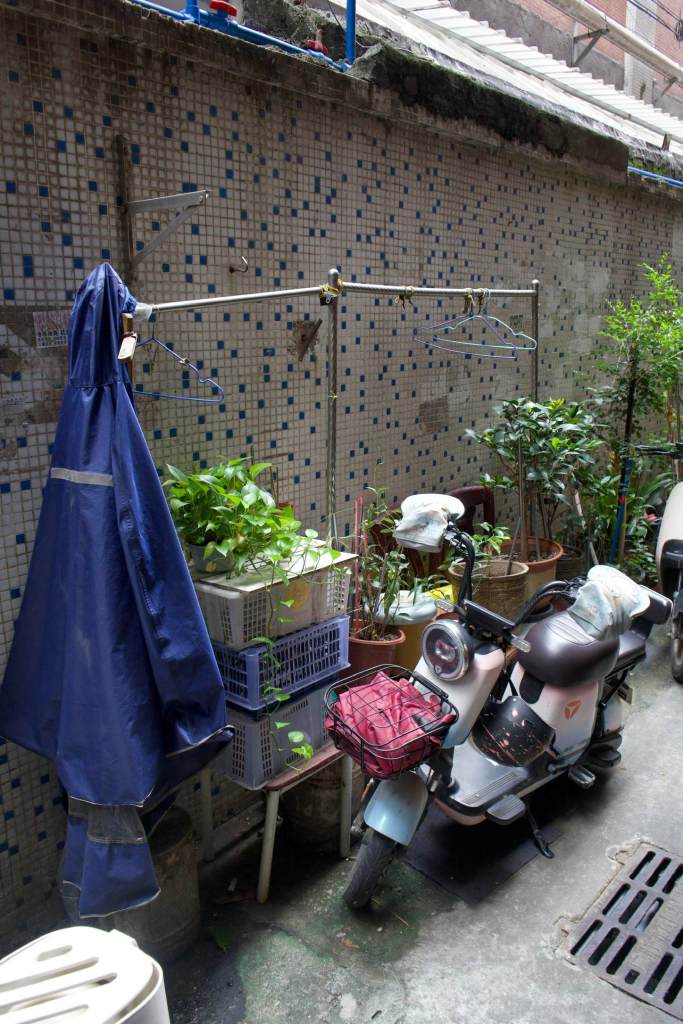
These spaces are not simply “run-down” or “chaotic,” as they are often perceived from the outside. They have their own forms of order, judgement, and lived intelligence. People make space workable through hanging, propping, binding, covering, extending, and countless other adaptive strategies. For me, the turning point was not a dramatic architectural scene, but a series of very small moments: a plank wedged into place just tightly enough, a shelf reinforced in an improvised way, a single rope doing several jobs at once. These just-enough structures made me realise that making-do is not the absence of design, but another kind of spatial knowledge.
It is precisely this vernacular, situated knowledge that I have found increasingly rare in large, fast-developing cities. From 2023 to 2025, I continued this inquiry through fieldwork and residencies in urban villages in Shenzhen and Guangzhou. These places offered especially concentrated and representative examples of informal urban living. Although they are also under pressure from large-scale redevelopment, many still remain because of the realities of land use, rental economies, migrant housing demand, and the role they continue to play in the functioning of the city. It was through working in these sites that I began to understand sculpture not simply as a way of depicting such spaces, but as a method for thinking with and responding to their spatial practices.
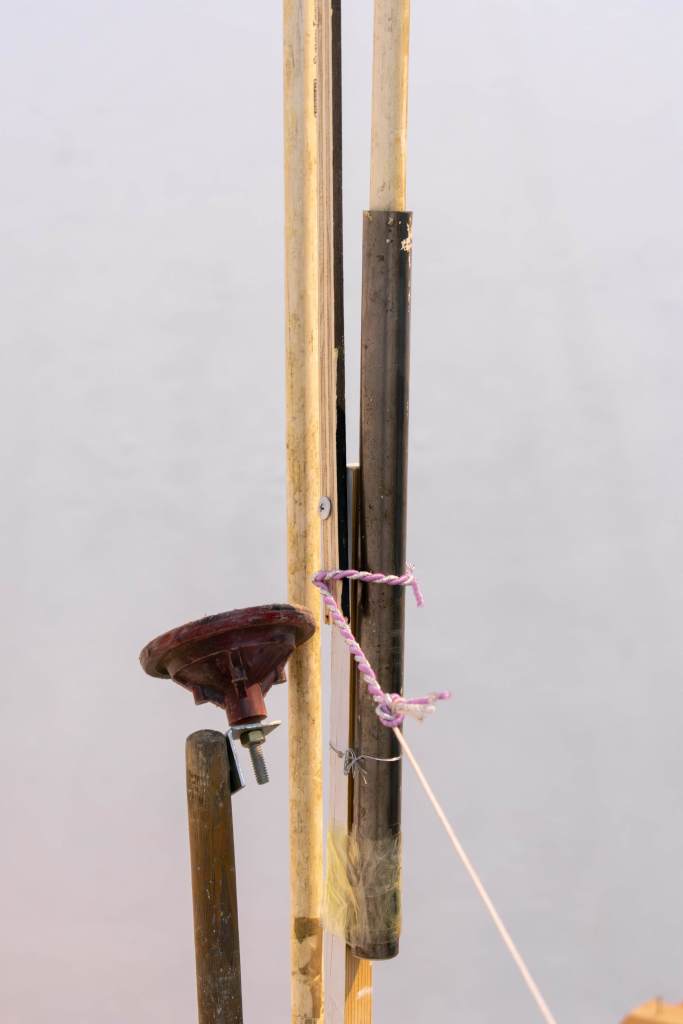
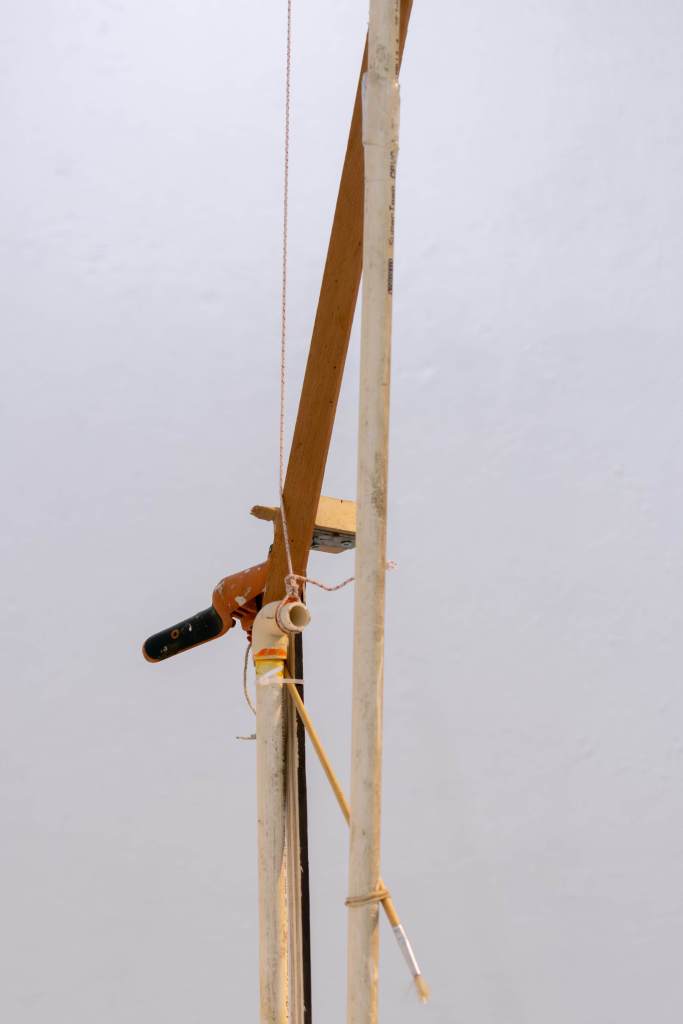
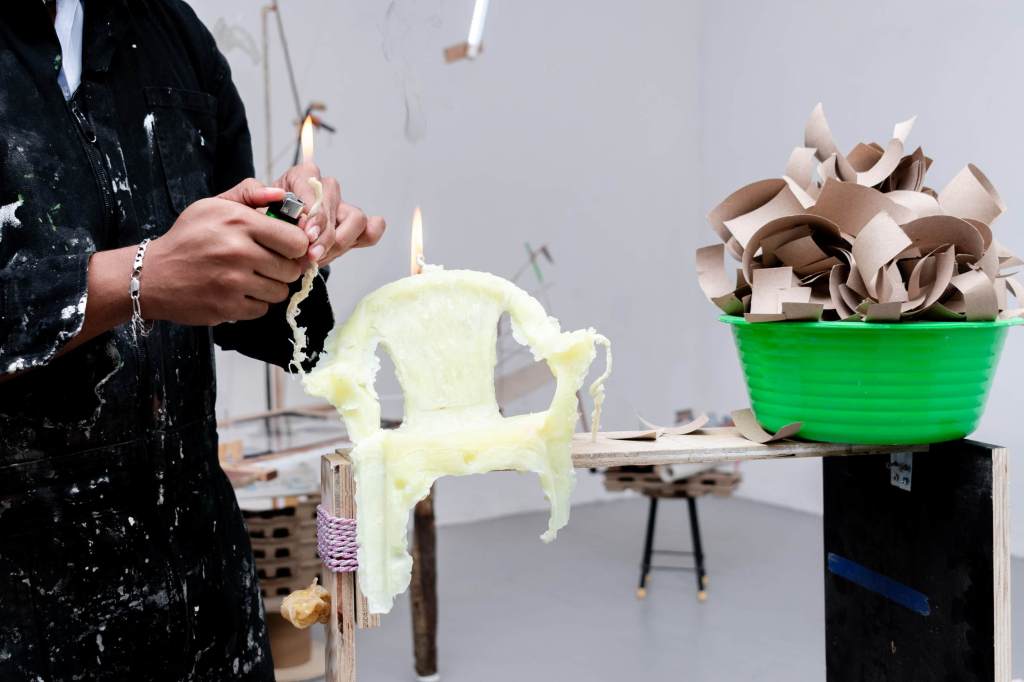
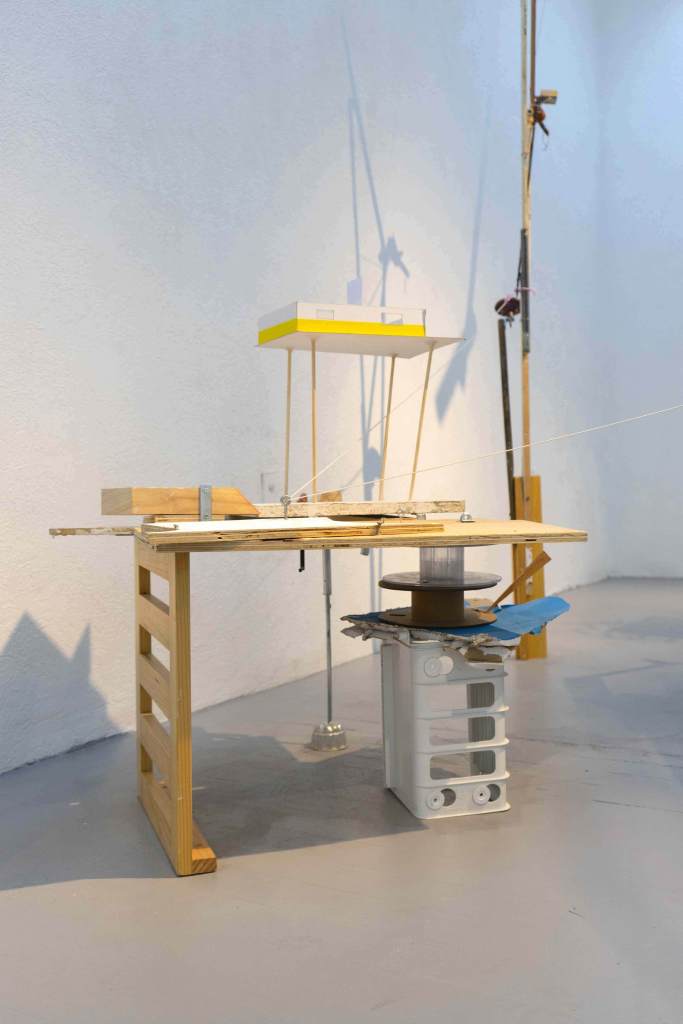
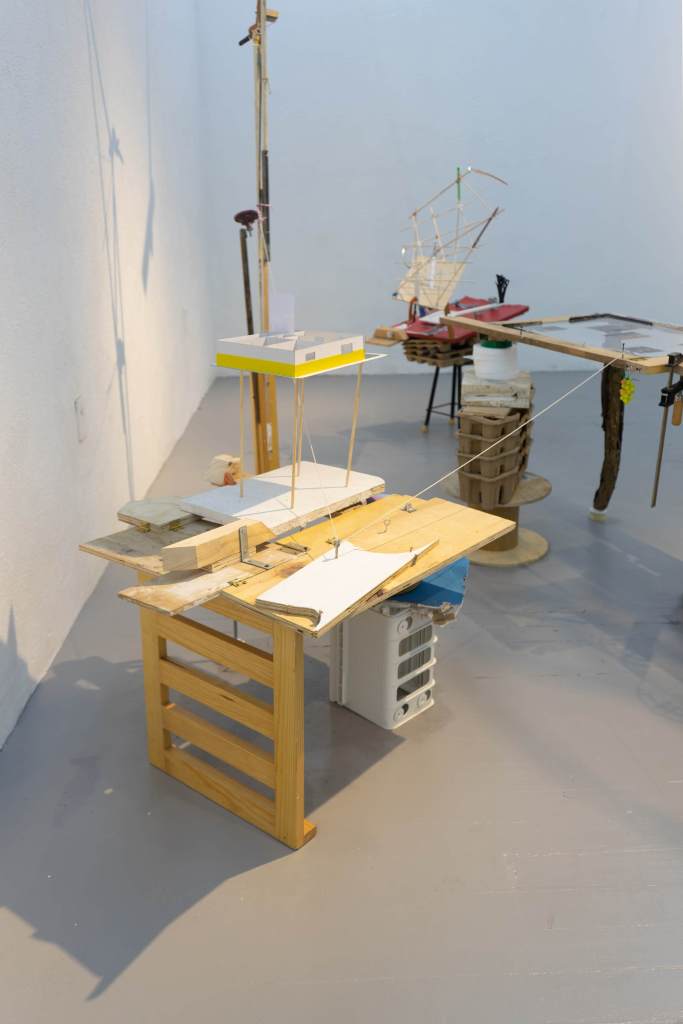
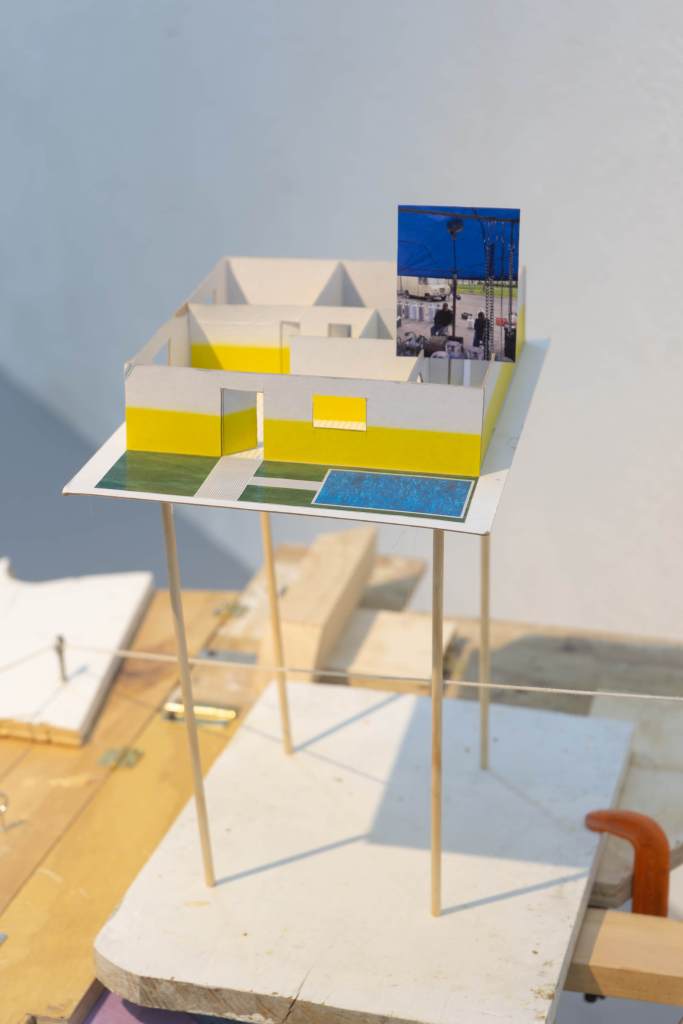
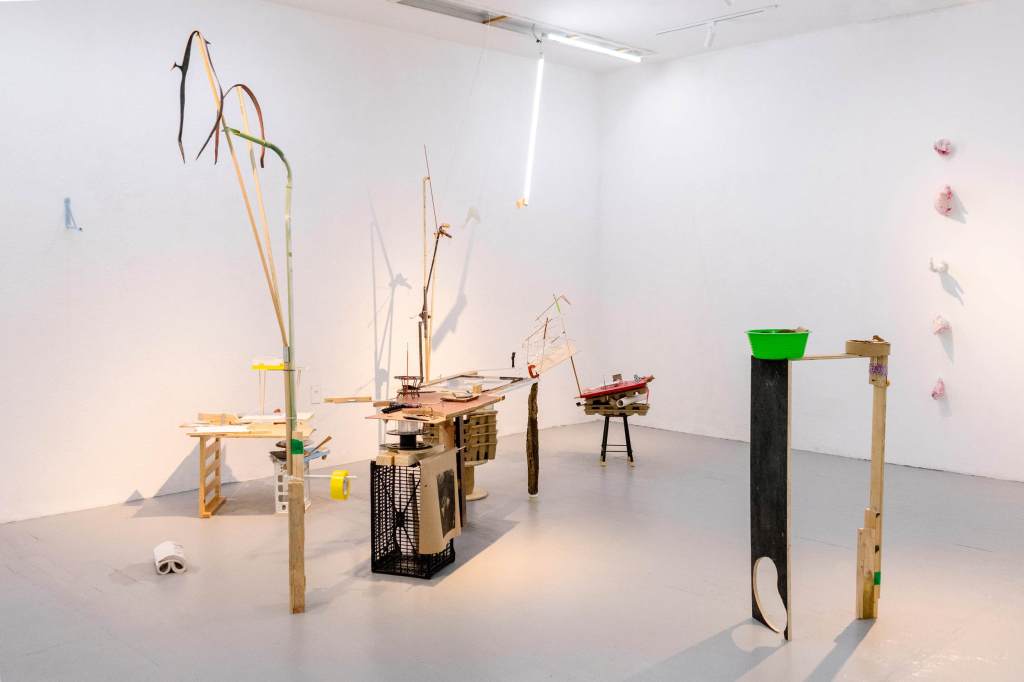
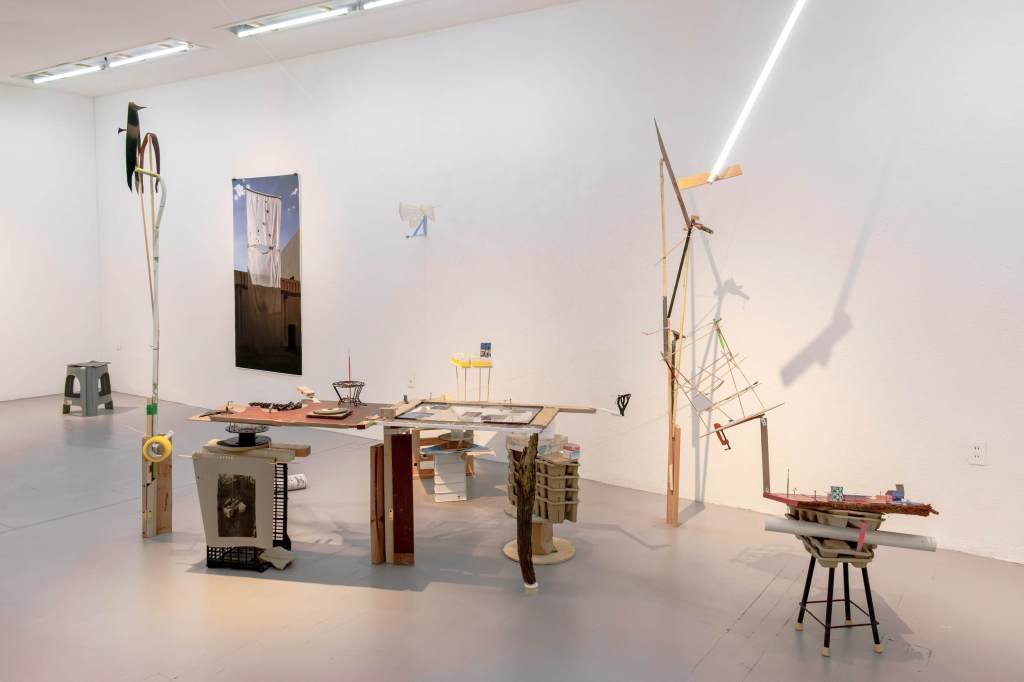
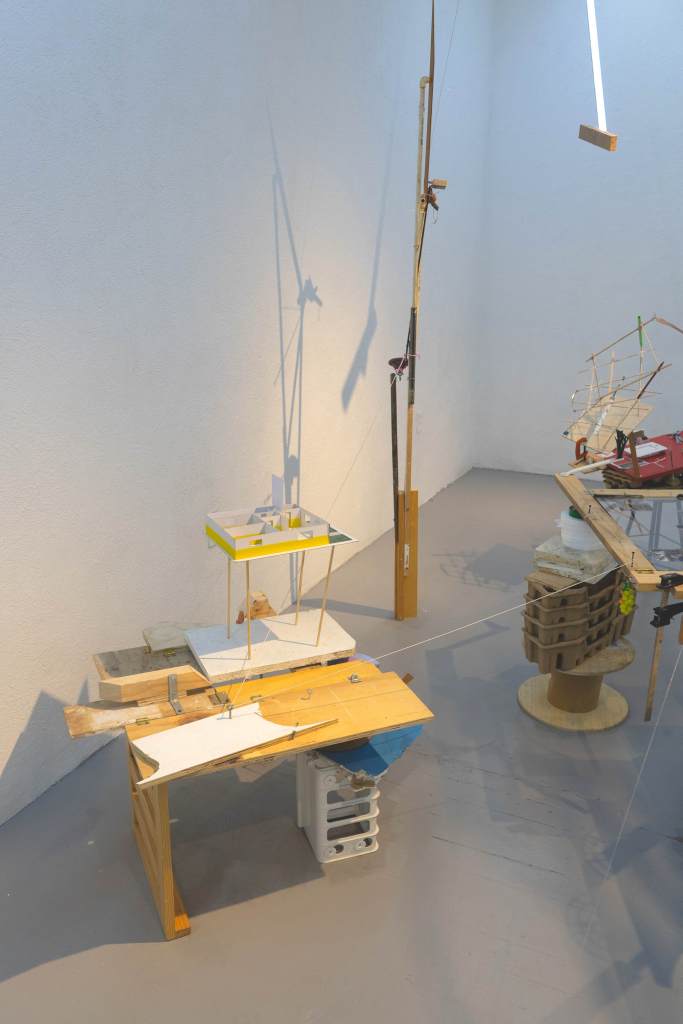
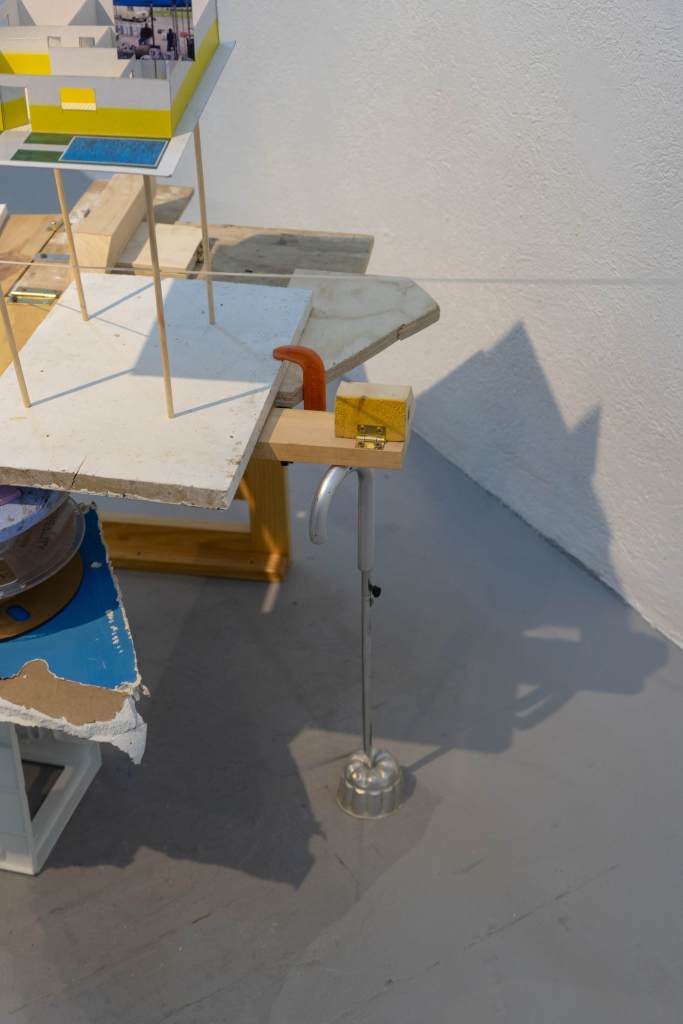
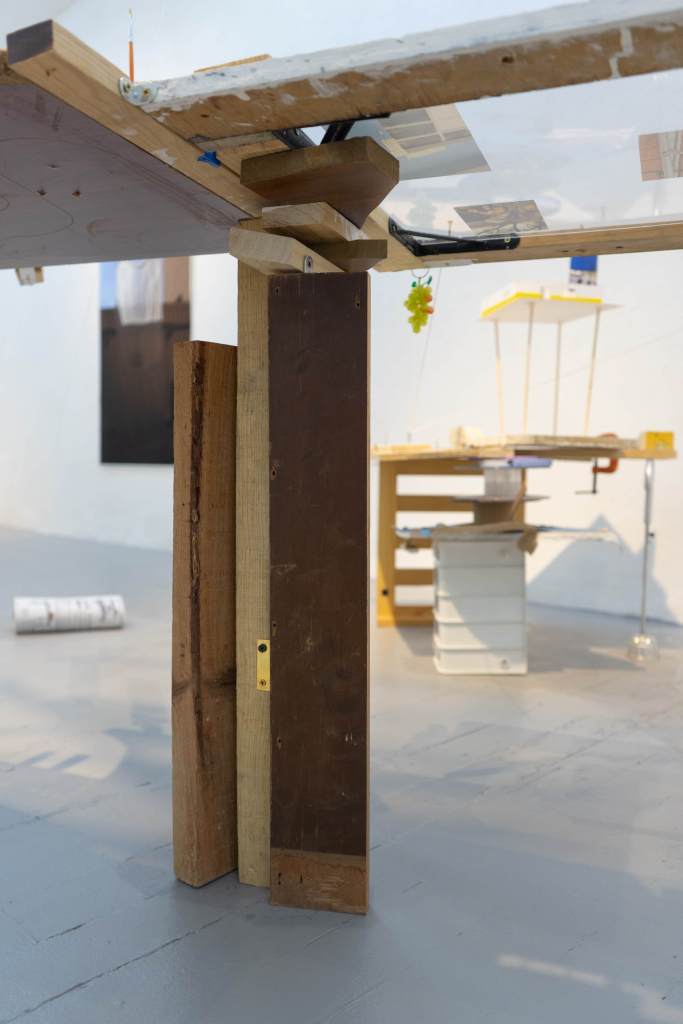
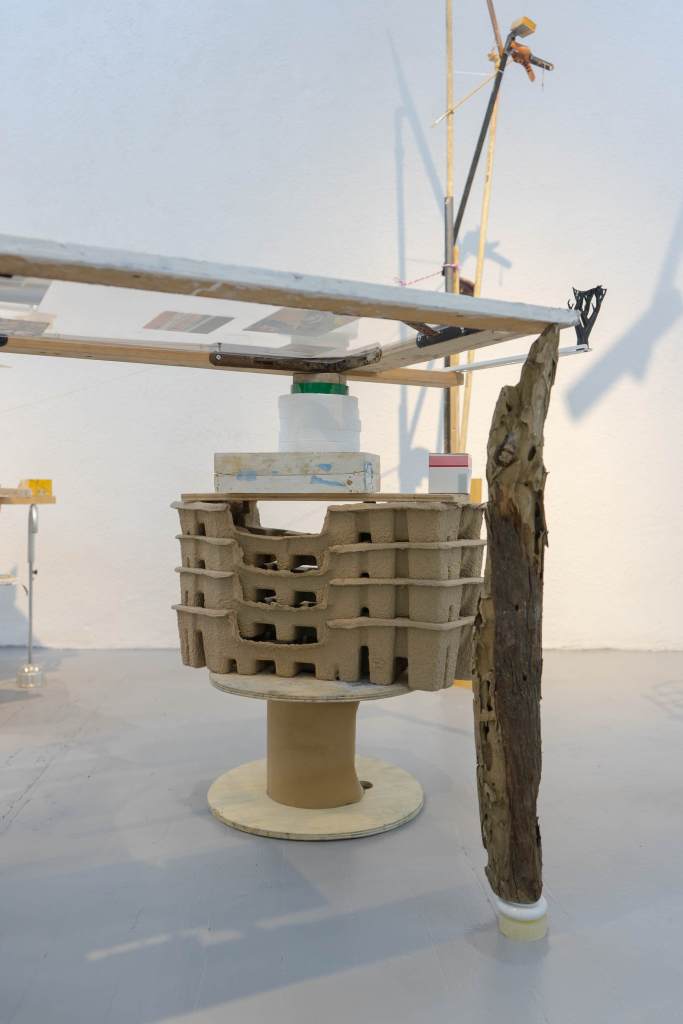
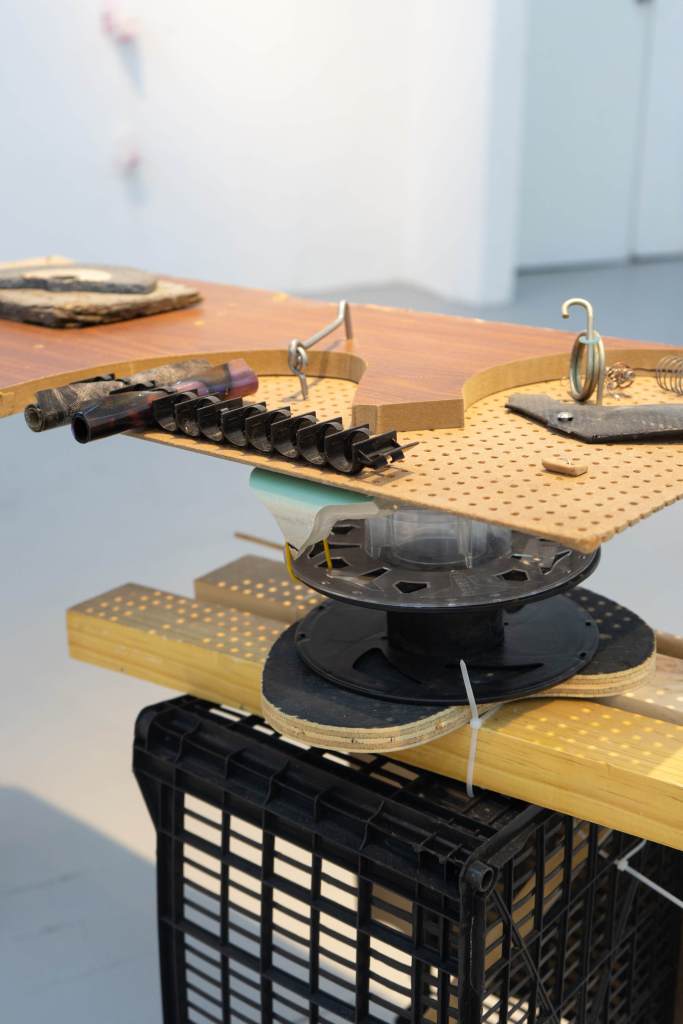
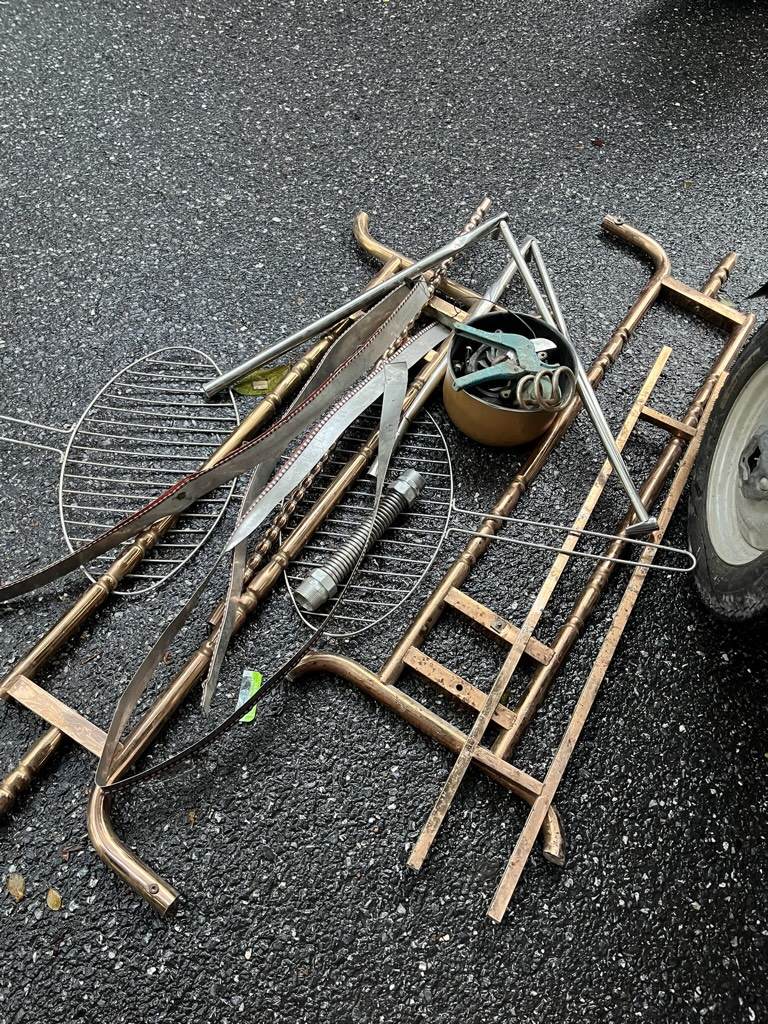
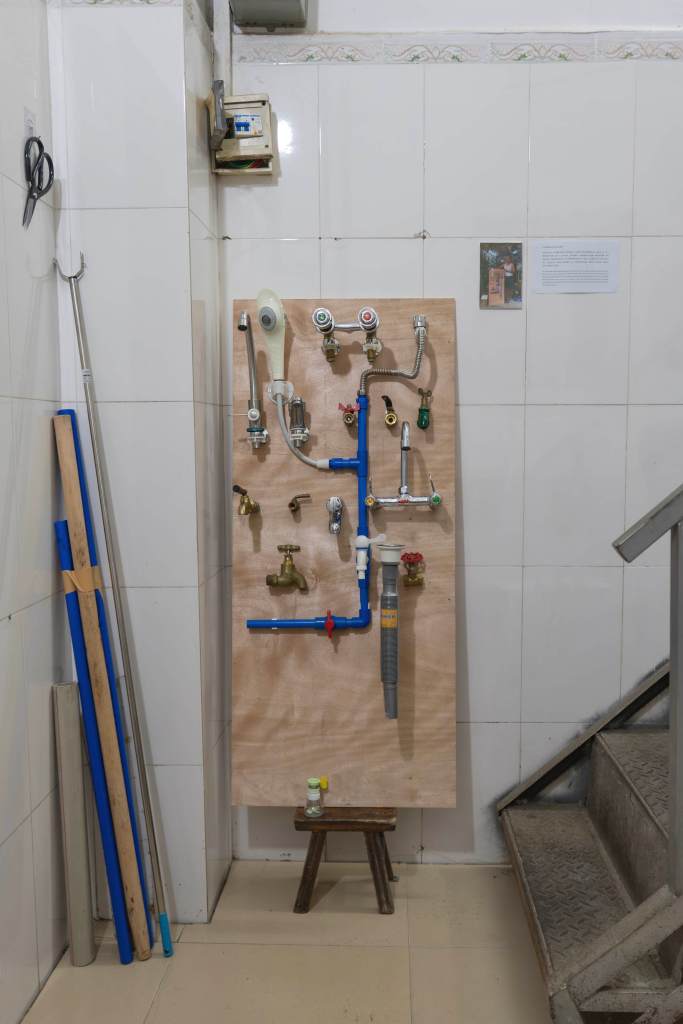
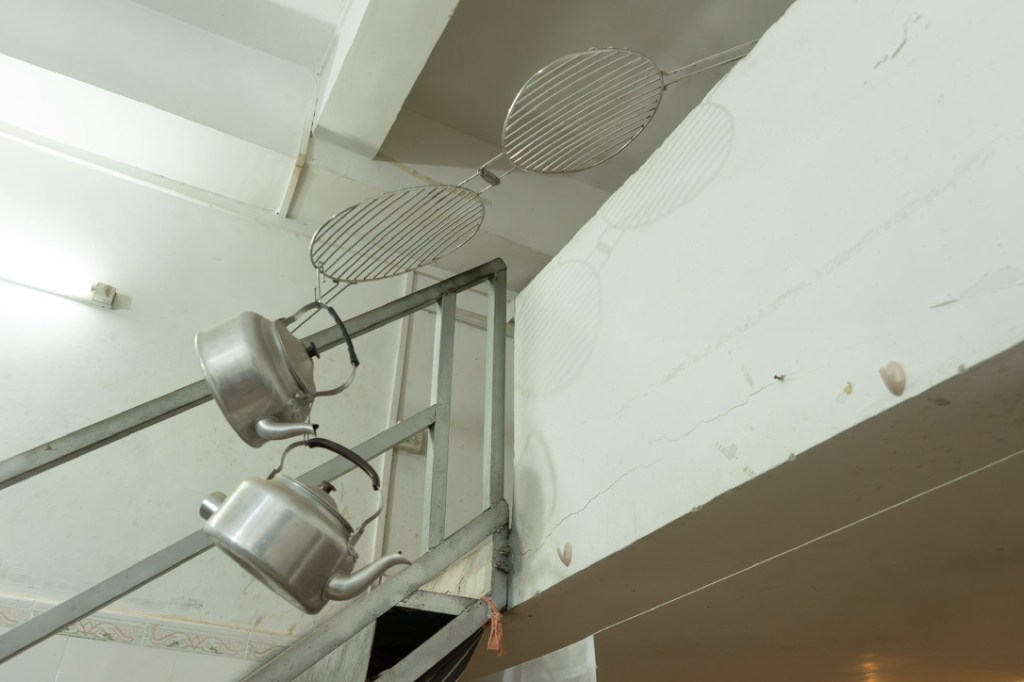
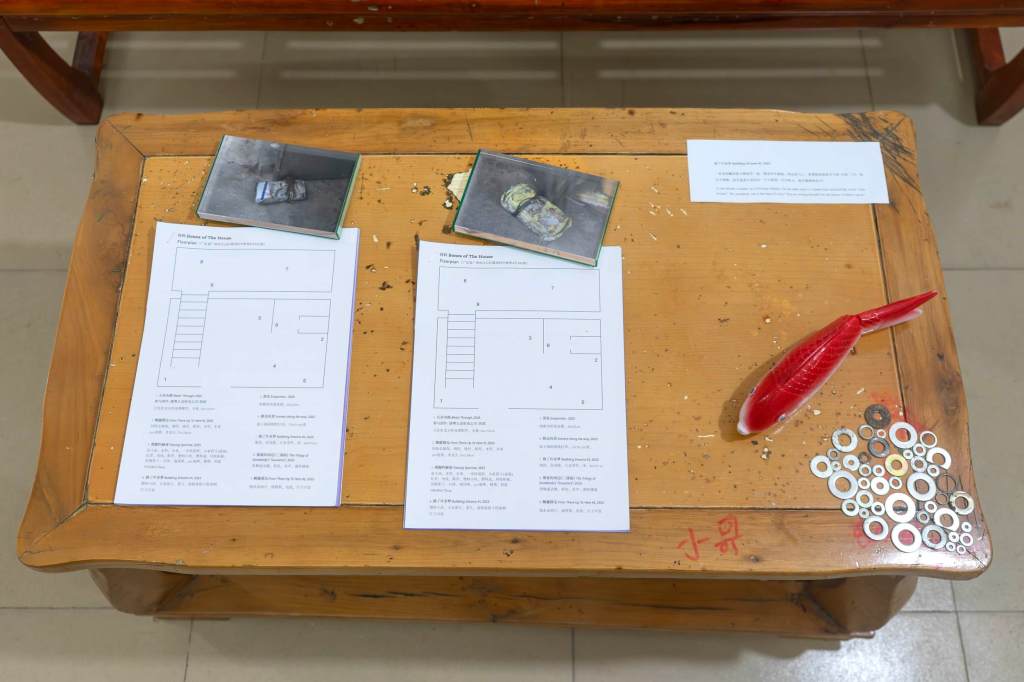
In Where Things Hold (Mexico City, 2025), you structured the work around the dual meaning of salsa — as both dance and improvised sauce — using it as a method for engaging with the city. How do you find these kinds of conceptual frameworks? Do they emerge from the research, or do you bring them to it?
The idea of salsa did not come first. It emerged gradually through the residency, through living in the city and responding to it day by day.
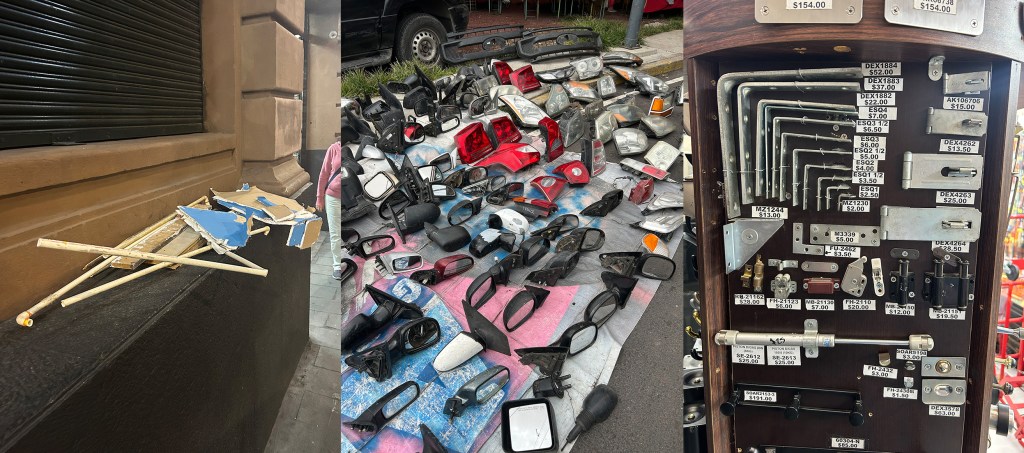
For me, residency is already a way of researching. It is a process of adaptation: each day, you come to understand a place a little more through its food, language, customs, rhythms, and material culture. In Mexico City, those points of entry felt especially immediate. I celebrated my birthday with friends from the residency, and they took us out dancing salsa for the first time. Later, in many ordinary situations — eating tortilla chips, tacos, and other shared meals — I was also introduced to different kinds of salsa as a sauce. At first, I encountered the word simply through taste, movement, and everyday social exchange, before I understood its wider cultural significance.
What interested me later was discovering how much the term already held within it. I learned that salsa comes from the Latin salsus, meaning “salted,” and in Spanish it came to refer broadly to sauce or seasoning. In the twentieth century, the term expanded through Caribbean and Latin American migration to New York, where different musical traditions — including Cuban son, Puerto Rican bomba and plena, African rhythms, and jazz — converged into new hybrid forms. By the 1960s and 70s, this music was being called salsa: a word that suggested mixture, flavour, and energy. From there, salsa came to signify not only a sauce, but also a musical style, a dance form, and, more broadly, a symbol of vitality, improvisation, and cultural mixture.
That history made the word especially resonant for me because it already carried ideas of mixture, improvisation, adaptation, and relationality — all of which are central to my practice. What drew me in most was its dual meaning as both sauce and dance. On the one hand, salsa as sauce suggests mixing, adjusting, and working with what is available — something close to the material logic I often encounter in informal or self-organised spatial practices. On the other hand, salsa as dance involves rhythm, coordination, bodily relation, and responsiveness. It is not pure spontaneity, but improvisation within a structure. That balance felt very close to the kinds of resourceful spatial practices I have been tracing in my wider research: the ways people make things hold, make space workable, and negotiate constraints through small acts of adjustment.
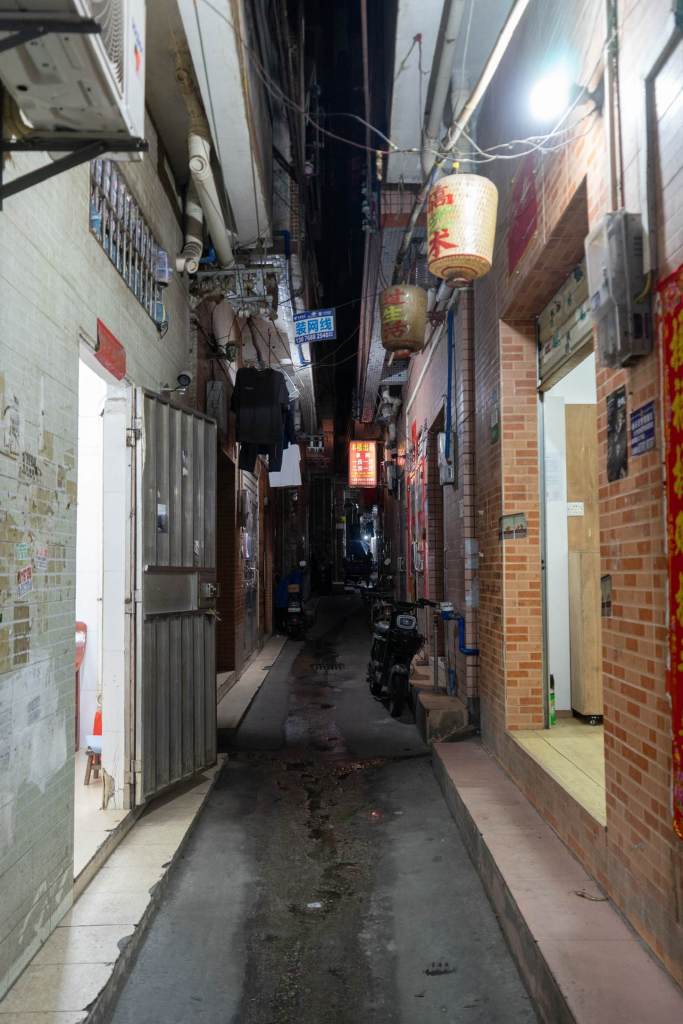
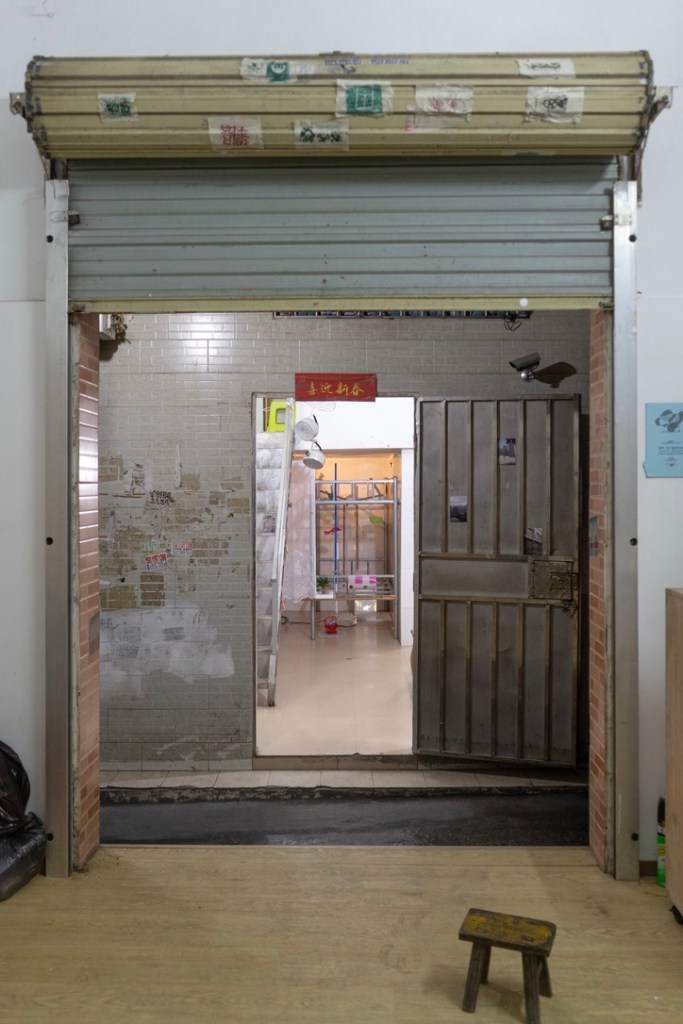
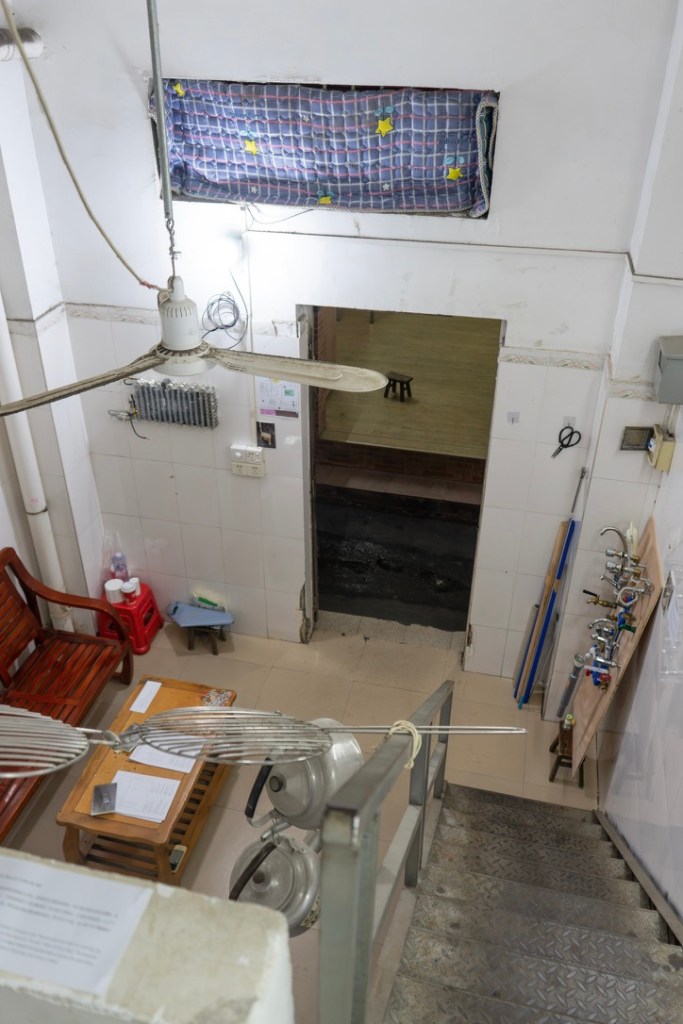
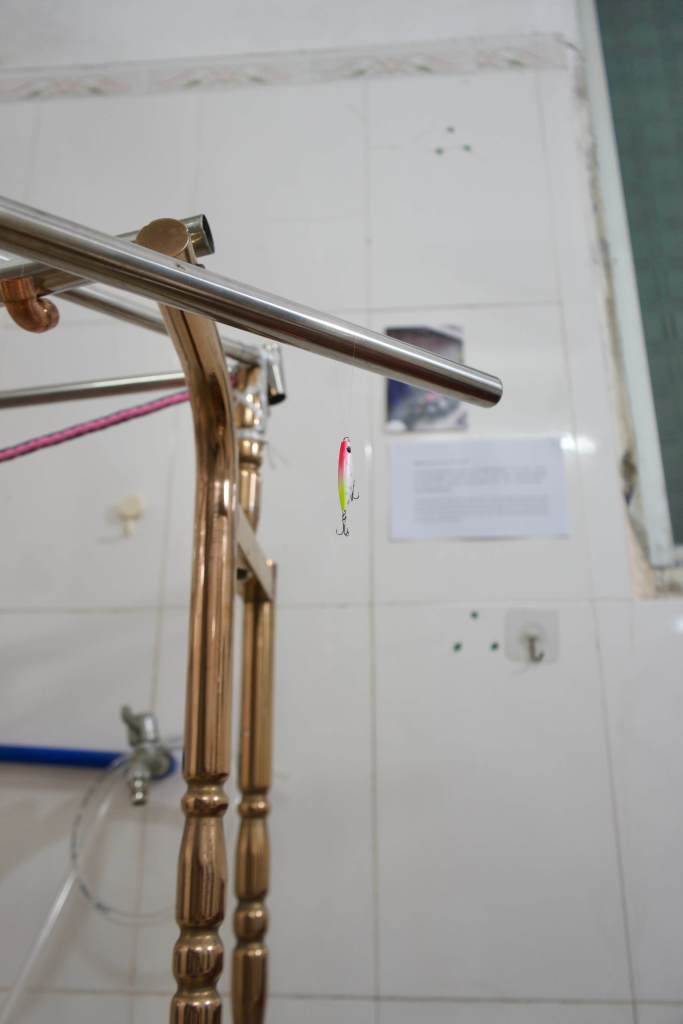
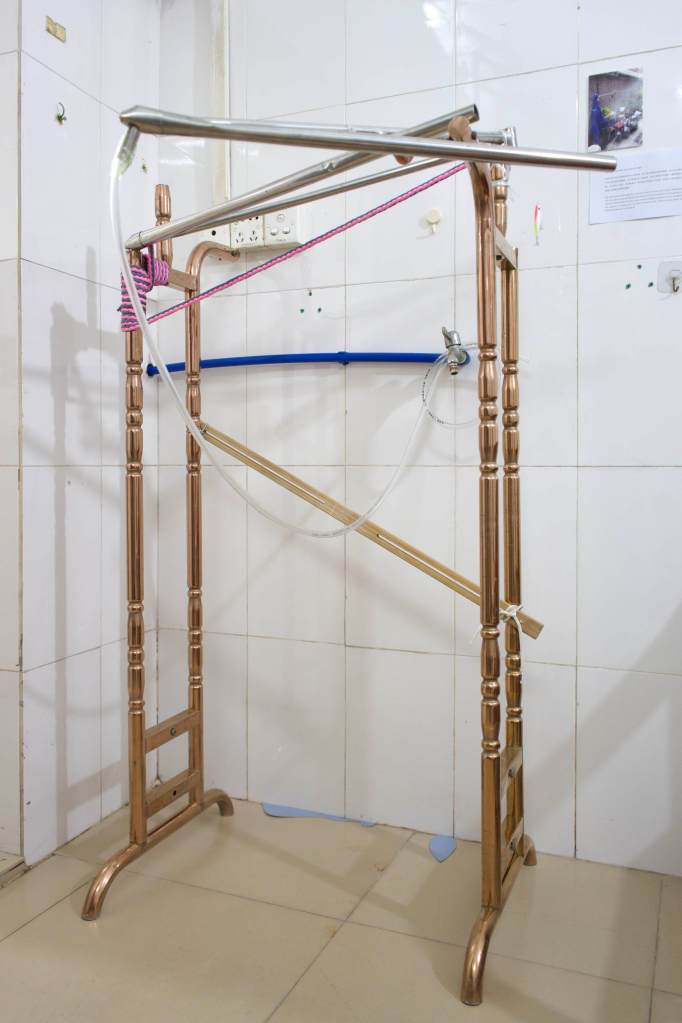
You work with found and modest materials, often collaborating with local communities. How do you navigate the line between respectfully documenting vernacular spatial practices and actively participating in or transforming them through your art?
My methodology is shaped by a triangular cycle between fieldwork, residency, and studio practice. Each of these plays a different role, and they inform one another. In the field and during residencies, I do not see myself as a detached observer simply documenting what I encounter. My practice is closer to a dialogue that develops through spending time with people and with their everyday spatial practices.
I often begin by living in or near the place for a period of time, allowing my body to adjust first — to the temperature, density, rhythms, and material conditions of the environment. From there, I spend time in informal conversation with residents, sometimes helping with small everyday tasks, sometimes just sitting, talking, and returning repeatedly. Through these encounters, I gradually come to understand not only people’s lived experience and personal stories, but also the reasoning behind particular acts of making-do: why something is tied in a certain way, why a particular material is chosen, and to what extent those decisions are practical, habitual, or aesthetic. I try to move at the pace of the community, rather than imposing the pace of an art project onto it.
In that sense, collaboration in my work does not usually mean participatory co-production in a straightforward sense. I did try, at one point, to invite residents to directly contribute to making a work, but I realised that this was not always meaningful or appropriate. People did not necessarily have the time, interest, or motivation for that kind of involvement, and I did not want to force participation where there was no real reason for it. So I shifted my approach. Instead, I focus on building trust through more natural forms of exchange: meeting residents through daily routines, talking with people who pass through the residency space, inviting neighbours in to sit and chat, and allowing relationships to develop over time.
It is often through this slower process that vernacular knowledge is shared. Someone might point out that a certain kind of wall hook is typical of 1990s rental housing, or advise me on the most suitable type and length of chain to buy from the hardware shop for hanging something securely. At times, residents have also questioned or criticised details in my work. That kind of response is important to me. It reminds me that knowledge is not something I simply extract; it is something negotiated through interaction.
My work does not represent what residents do. Rather, I try to understand the judgements embedded in those actions: why something is tied this way, why it is supported that way, why that solution is considered “enough”. From there, I work with the materials I have at hand and ask what sculpture can learn from these forms of everyday resourcefulness and resilience.
This line is always delicate. I try to avoid appropriating vernacular practices too quickly, romanticising people’s living conditions, or turning local knowledge into a visual style for consumption. My process is therefore one of observing, staying, conversing, testing things on site, returning to the studio, and then going back again with new questions. The work emerges through translation rather than direct representation.
That translation can still affect the people and places involved, so I do not see the boundary as fixed. It remains flexible and must be renegotiated in each encounter, with constant attention to the power dynamics that shape who speaks, who defines value, and who is able to frame the meaning of what is seen. What matters to me is that any transformation happens through responsiveness, co-presence, and repeated adjustment, rather than through imposition. I also think it is important to remain in contact after a residency ends — to follow up with both the community and audiences, so that the relationship does not simply stop once the project is over.
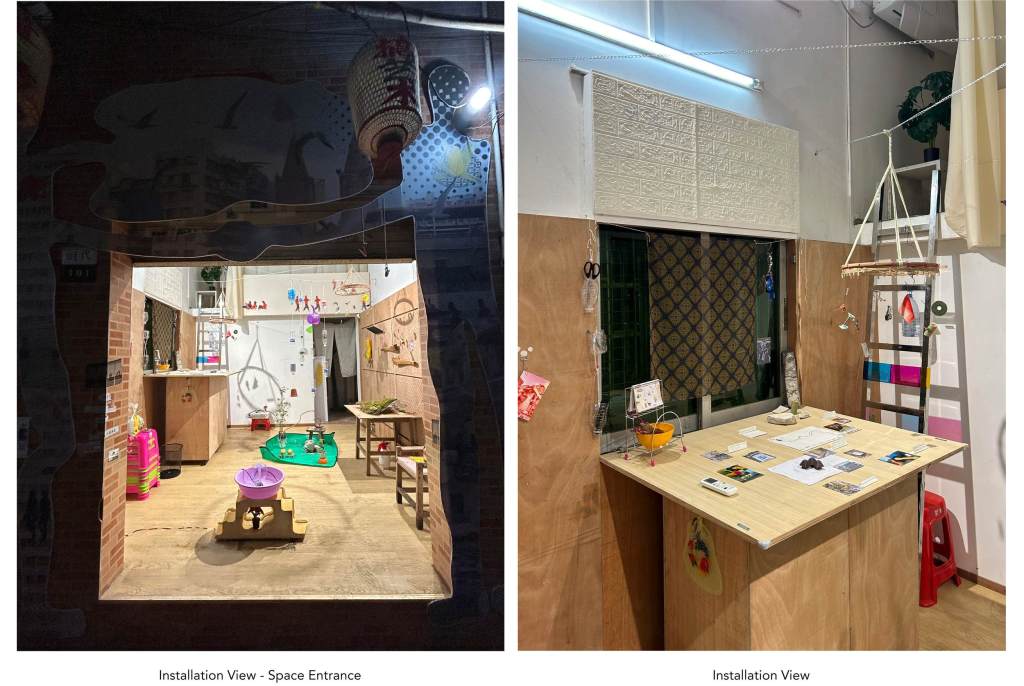
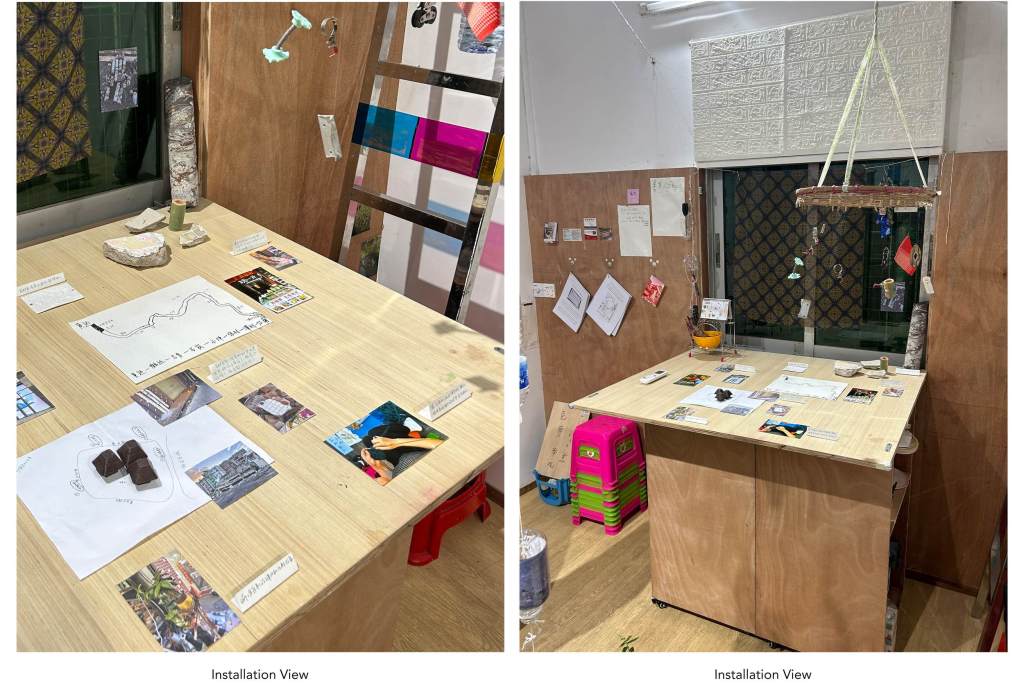
You’re simultaneously an artist, a PhD researcher at the University of Westminster, and a member of the Royal Society of Sculptors. How do these roles feed into each other — and is there ever tension between the rigour of academic research and the more intuitive or improvisational side of your making?
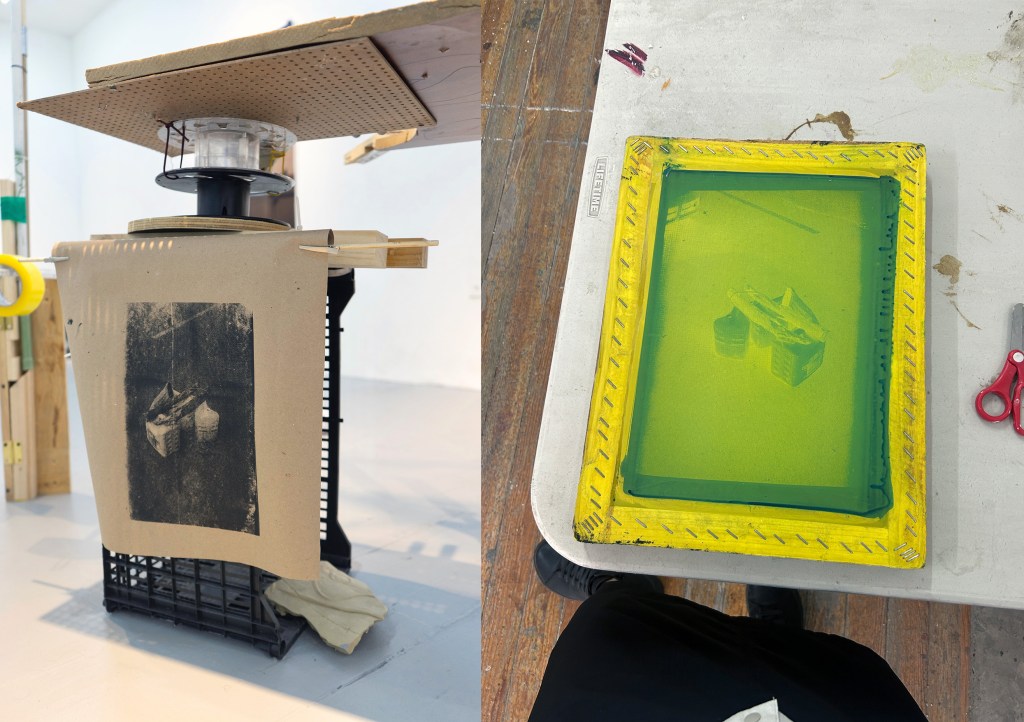
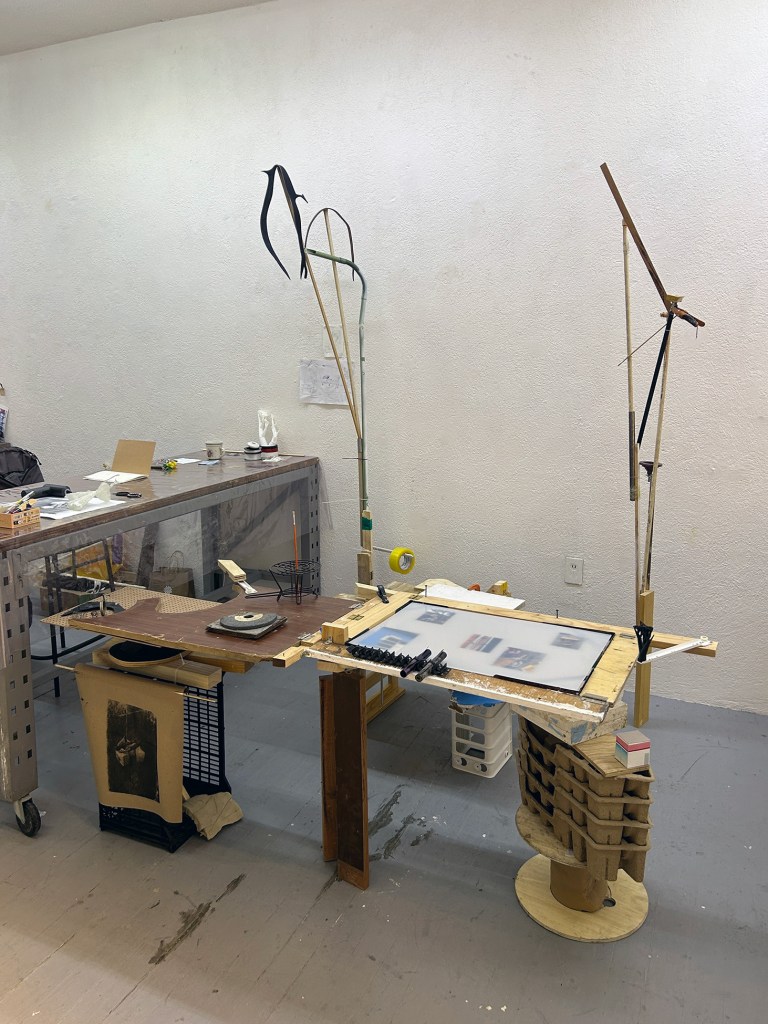
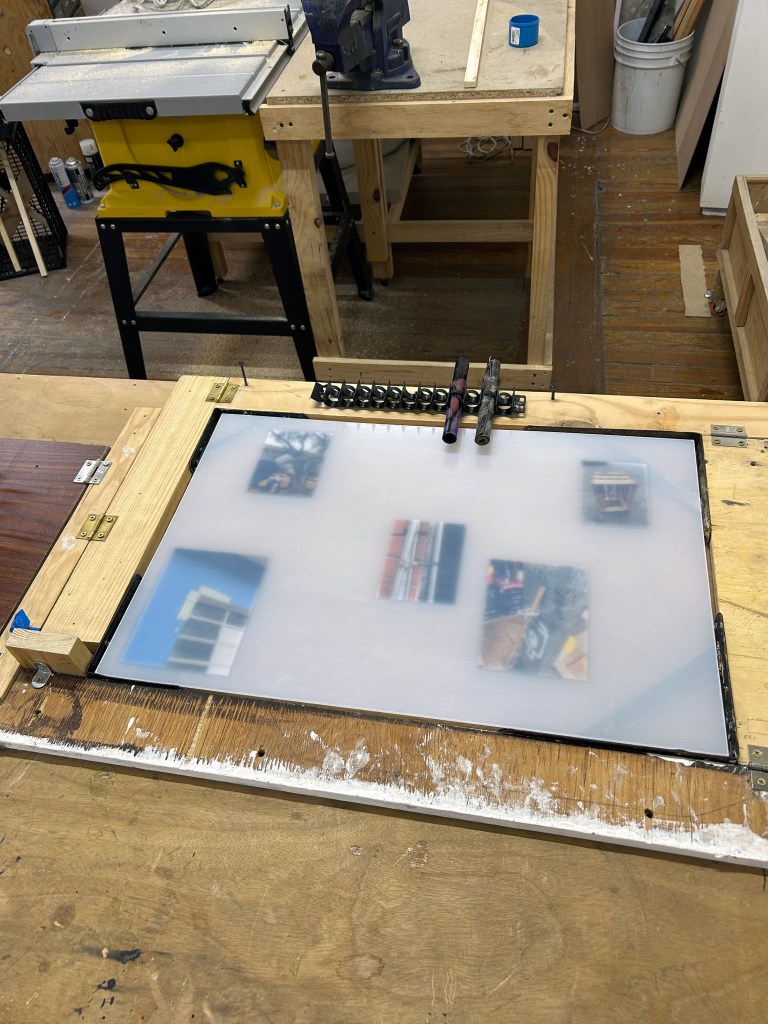
As an artist, my work often begins with intuition, material testing, and responding to a situation as it unfolds. Making is a way of thinking through my hands. By physically working with materials, I discover problems, test possibilities, and find out what the work is really asking for. I also tend to move quite freely across media when needed, depending on what can best carry the idea at that moment.
The PhD gives me a very different but equally important space. It allows me to go deep — not only into the subject matter, but also into questions of medium and method. For example, why sculpture rather than film? What kind of knowledge can sculptural practice produce that another medium cannot? Research pushes me to situate my work within broader conversations around urban studies, spatial theory, sculpture, and the politics of everyday life. It also helps me define where the research gap is, and what kind of contribution my practice might make. At the same time, it requires me to be much more deliberate about methodology and ethics: how I enter a place, how I work with other people’s experience, and how knowledge might be produced in a way that is reciprocal, transparent, and responsible.
That can sometimes challenge the intuitive side of making. Academic research often asks for clarity, structure, and explicit argument, whereas making is often more open, provisional, and unresolved. But I have found that the two need to develop alongside one another. If I stay only with intuition, I risk not fully understanding the implications of what I am doing. If I stay only with theory, the work can lose its liveliness and its responsiveness to the situation.
My membership of the Royal Society of Sculptors adds another layer. That is actually a relatively new part of my practice. Doing a PhD can be solitary, and for me it has been important to have a sculptural community beyond the academia. It gives me a more professional context for exchange — whether through technical conversations, events, or simply being in dialogue with other sculptors. It reminds me that my work is not only an academic project, but also an evolving sculptural practice with its own public and professional life.
So yes, there is sometimes tension between these roles, but I see that tension as productive. It helps me recalibrate. It keeps the work grounded while also pushing it further. In the end, these different identities help me bring practice and research into closer alignment.
What do you think is the primary idea or goal of art in general? If there is a specific goal, what would it be?
For me, one of art’s most essential functions is aesthetic experience — in the way it directly touches our emotions and inner life. At its best, art can reorganise how we perceive the world and allow things that already exist, but often go unnoticed, to appear differently.
It can make overlooked experiences, forms of knowledge, and relationships newly perceptible. I do not think art simply “reveals” something in a straightforward way. What interests me more is its capacity to create a space slightly beyond the ordinary — a space where people can approach reality at a different pace, from a different angle, and through a more embodied form of attention.
A strong work of art can also suggest what remains unspoken. It does not always need to provide answers or resolve contradictions. In fact, part of its power lies in its ability to hold ambiguity, tension, and incompleteness without closing them down too quickly. Even without offering a conclusion, it can still be generative: it can raise questions, shift perception, and open up new ways of thinking.
So if I had to name a specific goal, I would say that art creates the conditions for people to sense, reflect, and imagine otherwise.

ARTIST OF THE MONTH
Interview, Online Exhibition
#artist of the month
PAI32 EDITION’26
WHERE OLD AND NEW FORCED TO COEXIST

