
SAKI: BEAUTY AT THE POINT OF UNEASE
Text Marie Ivanova
29th May 2026
There is something held back in Saki’s work — and that is precisely the point. Operating across installation, performance, sculpture, and object-making, their practice is built around states of suspension: the moment before release, the tension that accumulates without fully resolving. Beauty and unease are not opposites here but collaborators, each making the other harder to look away from.
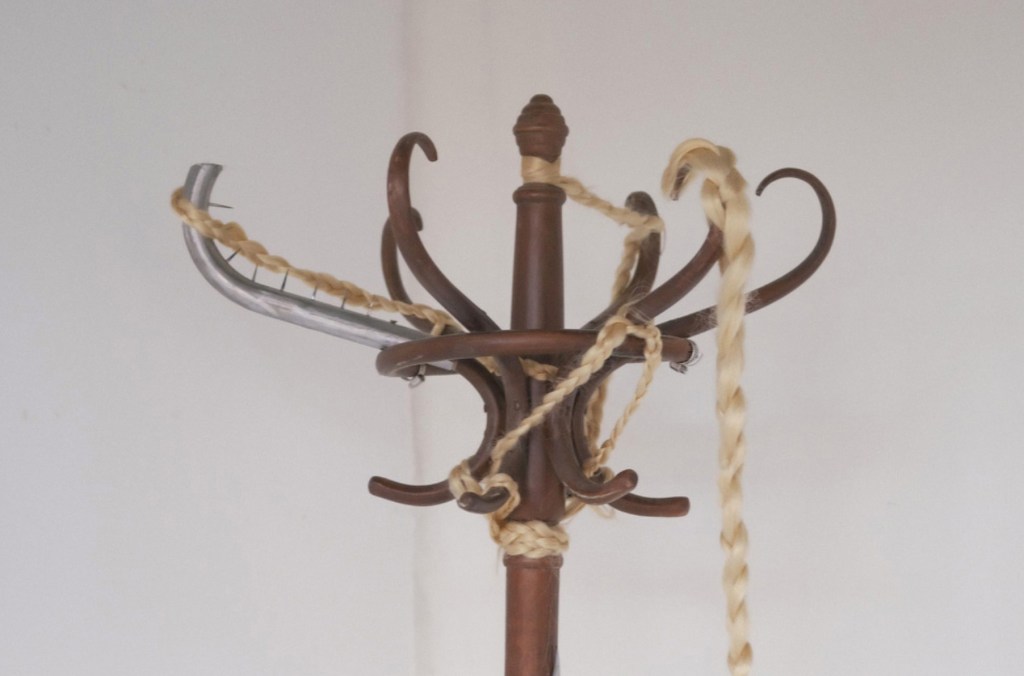
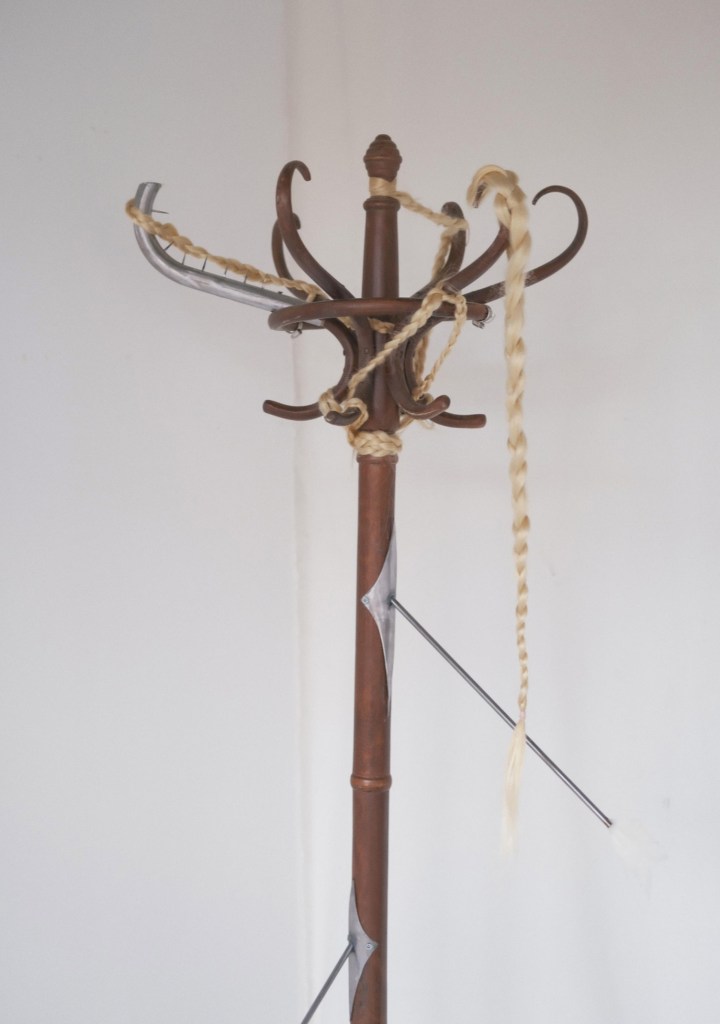
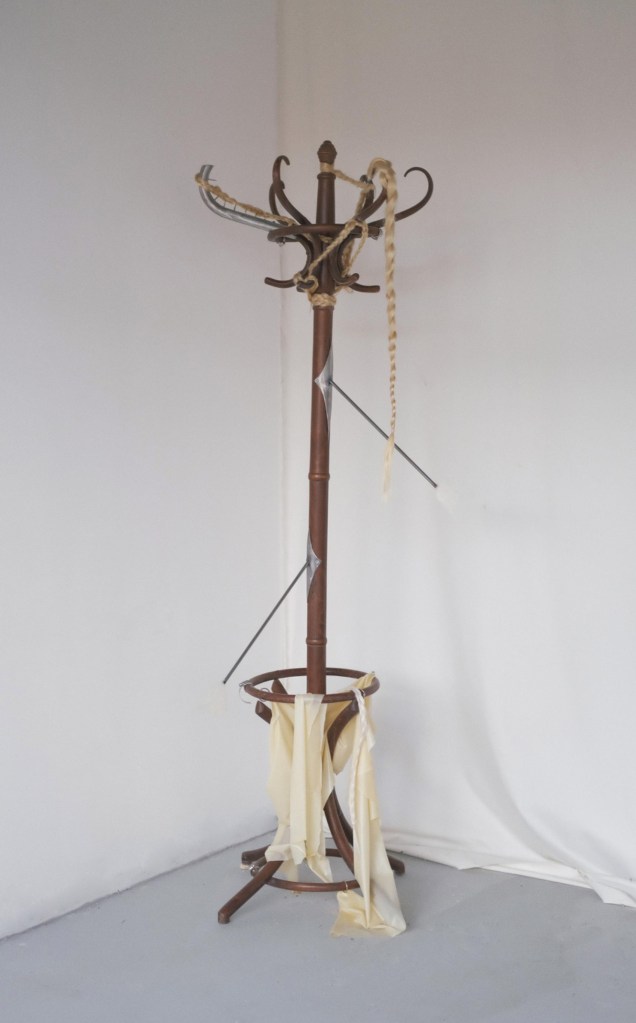
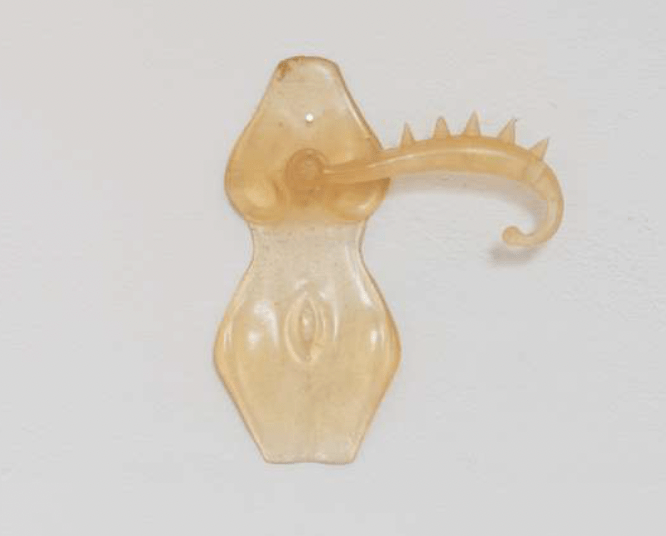
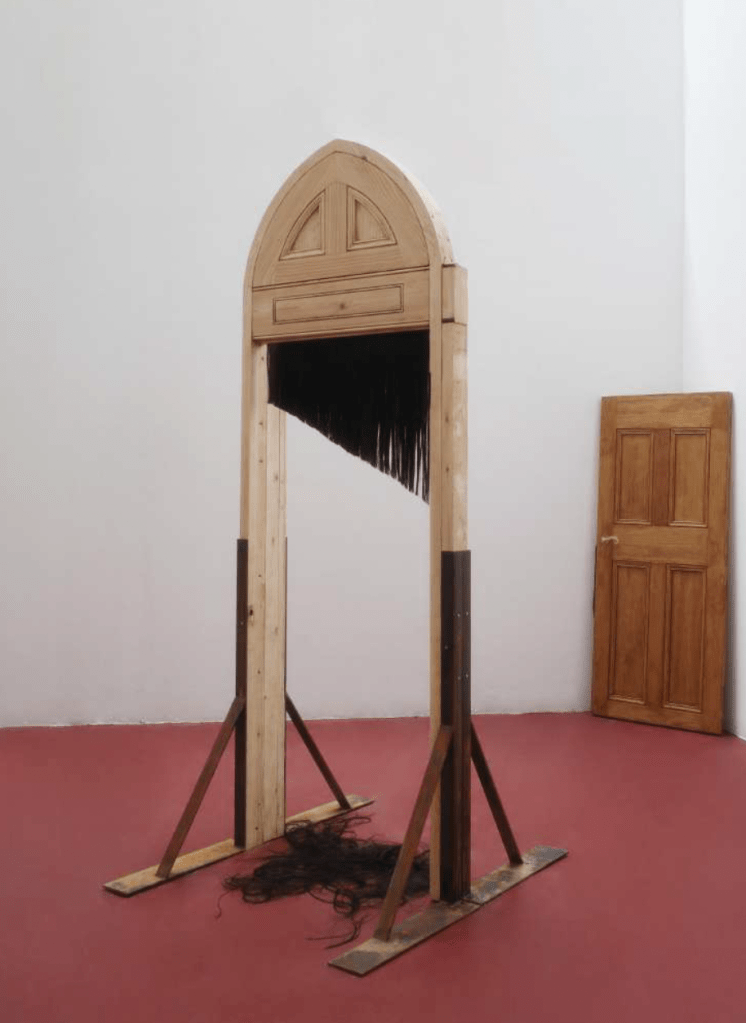
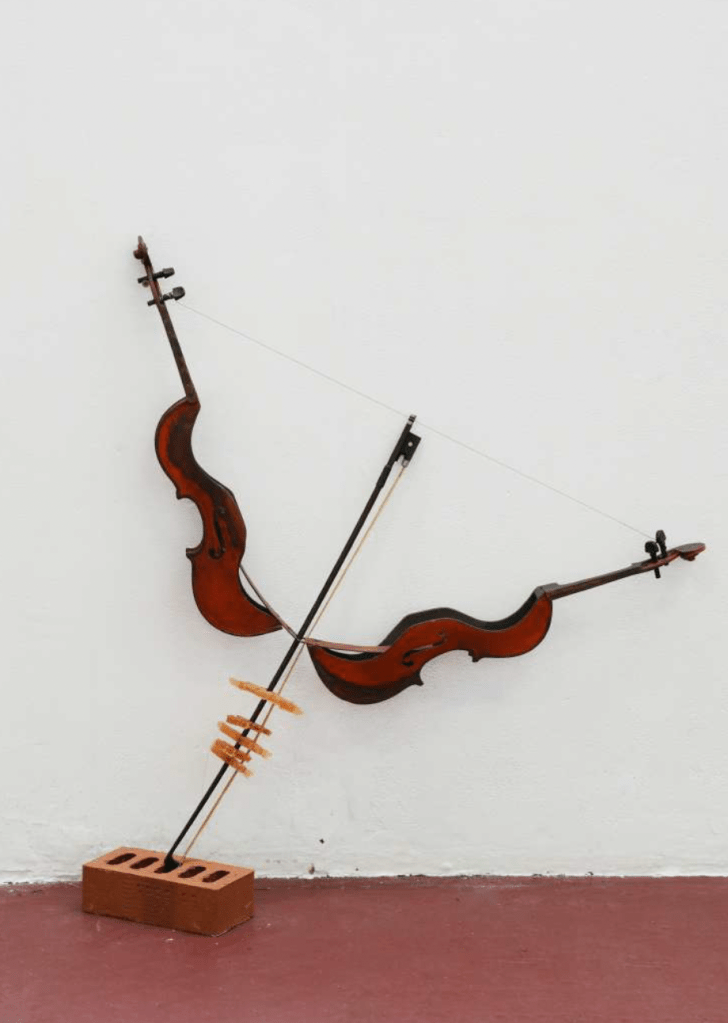
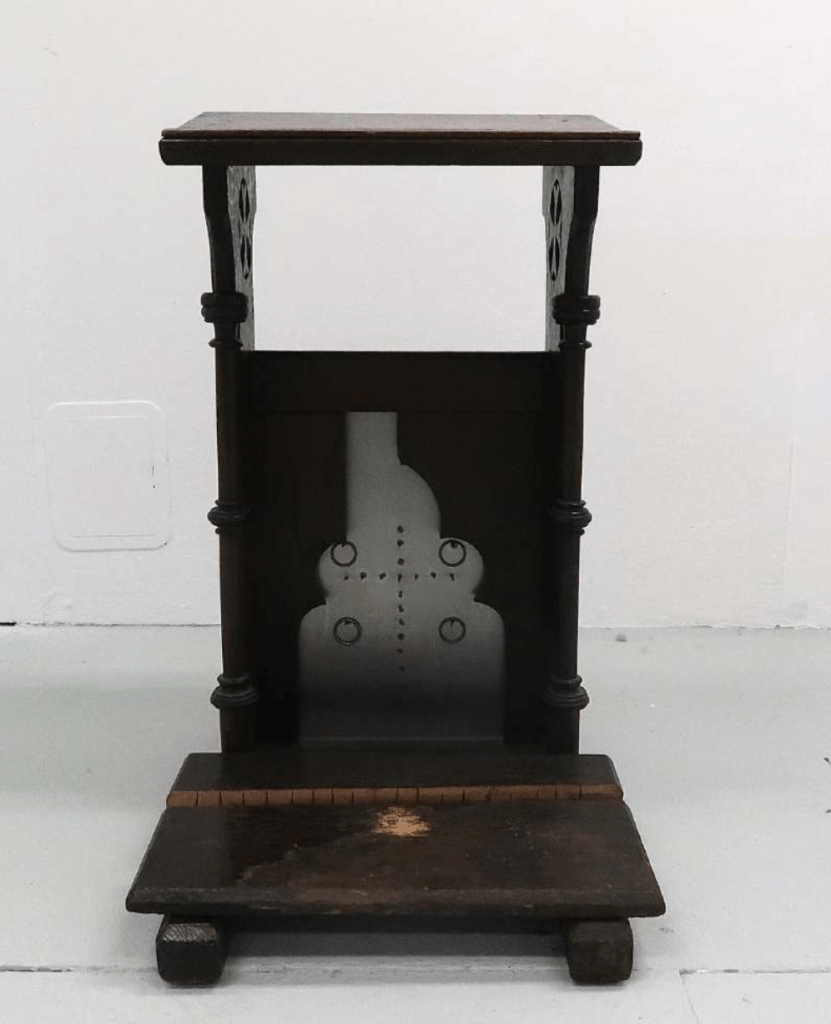
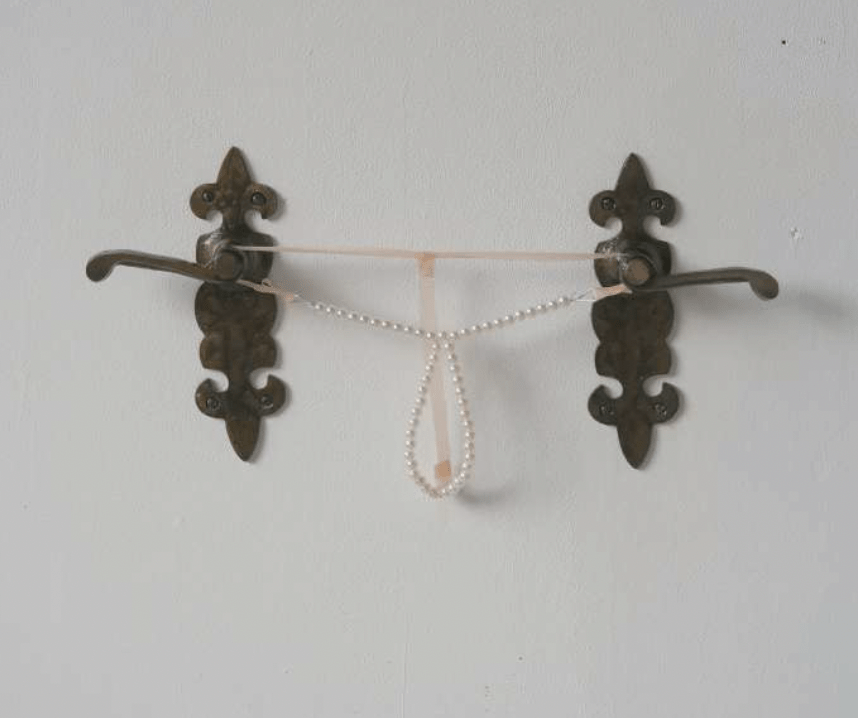
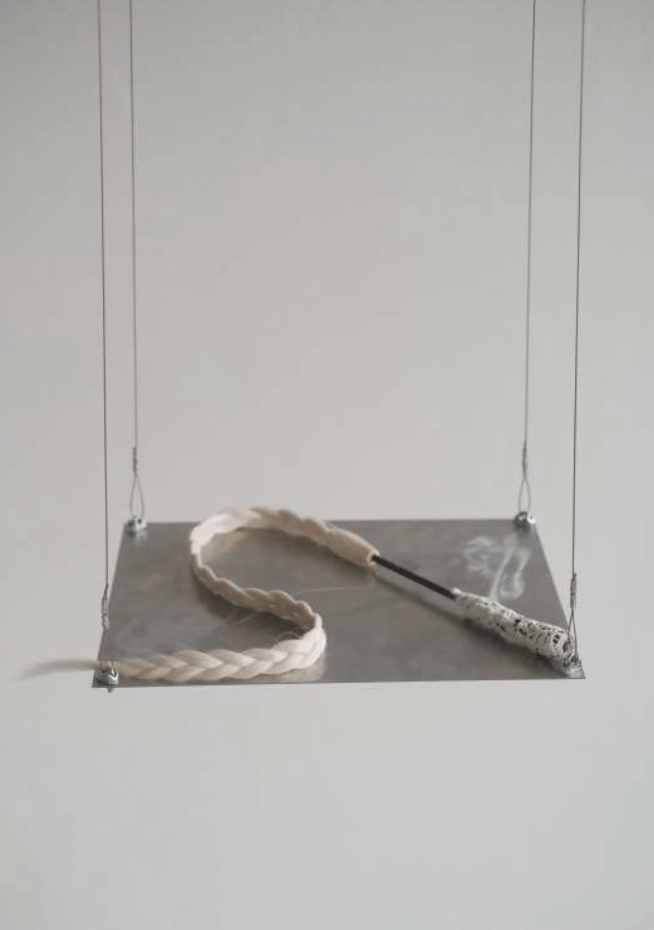
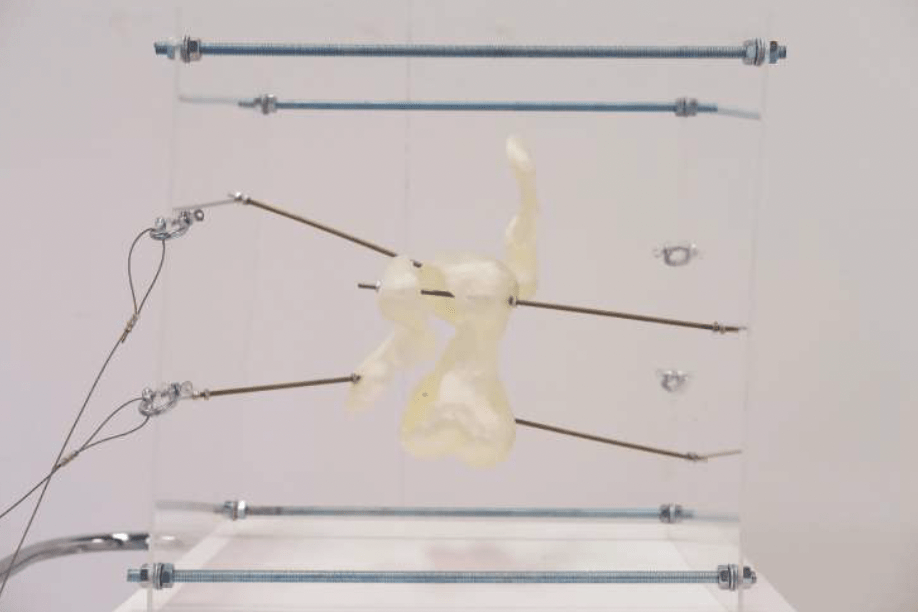
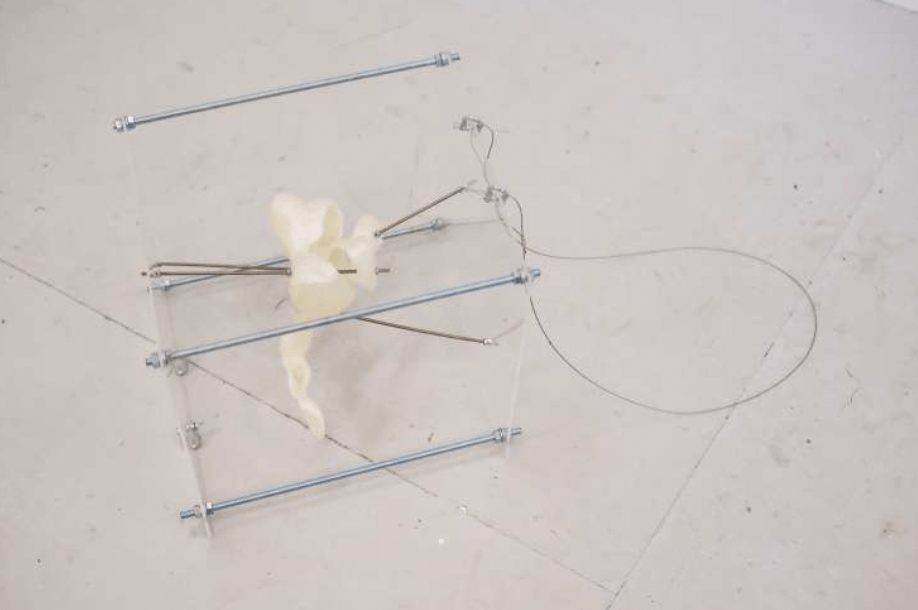
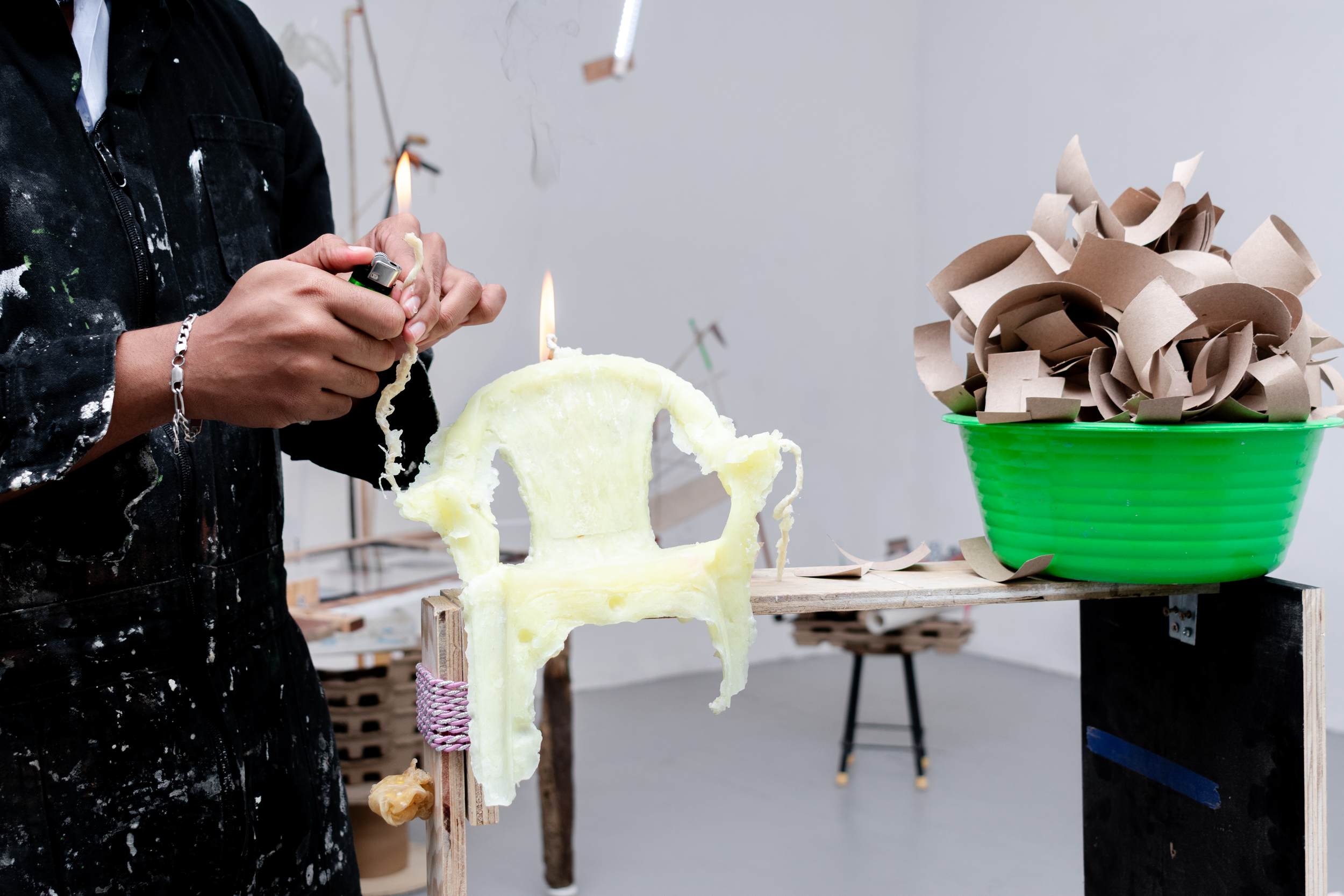
Materials are chosen with the weight of the world already in them — rubber, metal, wax, hair, found relics that carry memory, risk, and bodily association long before they become art. A violin becomes a weapon. A door frame becomes a guillotine. Familiar objects are estranged from their original function until they become psychologically charged, held in a new and unsettling meaning.
This month, we speak with Saki about the atmospheric horror that first taught them how space could act on a body, the difference between making vulnerability visible and making it felt, and what it means to place a performer — or a viewer — inside a structure of tension rather than a narrative. What emerges is a portrait of an artist who is less interested in spectacle than in the conditions that produce it: the slow accumulation, the proximity, the thing that hasn’t happened yet.
@amaisake_
@realfatball
amaisake.com
Your practice often moves between installation, performance, sculpture, and symbolic objects, creating spaces that feel suspended between beauty and discomfort. What first drew you to this tension between fragility and intensity, and how has it developed in your work?
I think I’ve always been drawn to moments where something feels simultaneously vulnerable and potentially dangerous. I’m less interested in violence as an explicit event, but more interested in states of tension where something is contained, held before release. This sensitivity might be shaped by my early fascination with a certain strand of psychological and atmospheric horror, particularly within cult cinemas. The way these films construct tension allows me to be aware of how atmosphere and spatial unease could affect the body on an almost subconscious level.
Many of my works begin with an intuitive attraction to certain objects or materials. Locks, doors, musical instruments, hair, wax, they all carry a sense of memory and transformation. I always wonder how familiar objects can become psychologically charged once their original function is disrupted. In my works, a violin can become a weapon, and an old door frame can be reconfigured into a guillotine. Across different mediums, the meanings of these objects have been reconstructed, creating psychological spaces where vulnerability and intensity coexist.
“My body becomes a responsive surface where subtle external presence is registered and amplified.”
— Saki, PAI_32 interview.
Many of your materials — rubber, hair, metal, wax, latex, found relics — carry strong bodily, ritualistic, or psychological associations. How do you choose materials, and what role do they play in shaping the emotional atmosphere of a work?
I often begin with an intuitive attraction to materials, and I do value their symbolic associations. At the same time, I’m aware that many materials already carry a dense history of meanings within art and culture. Sometimes I follow these associations, and sometimes I deliberately move away from them when they become too dominant or prescriptive.
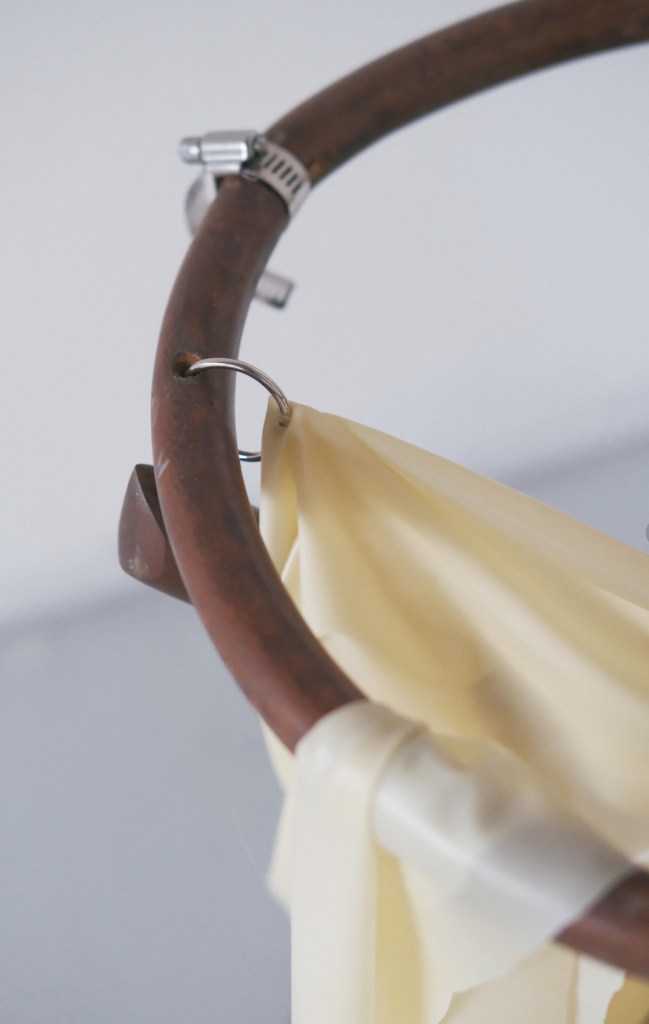
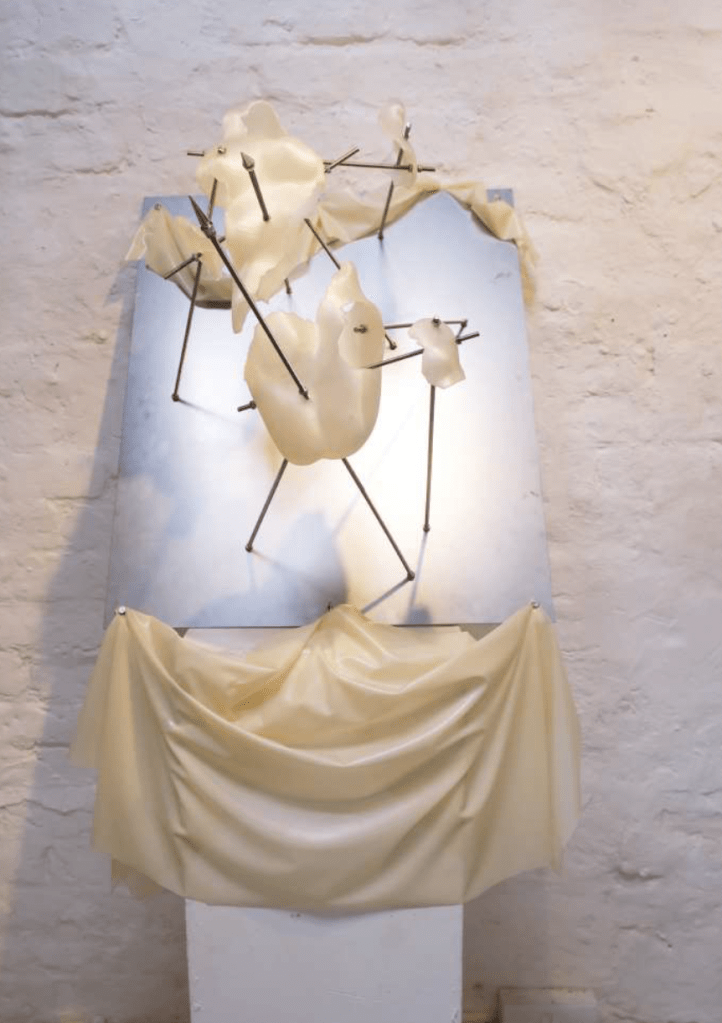
For example, I became cautious about using latex, as its associations with BDSM, gender, and specific subcultural identities can sometimes override my intention. I shifted towards rubber. While it shares certain materiality, it is heavier and more structurally resilient under pressure. Such suppressed elasticity makes me think about power as something that appears flexible or mutable, but is in fact structured to restore itself.
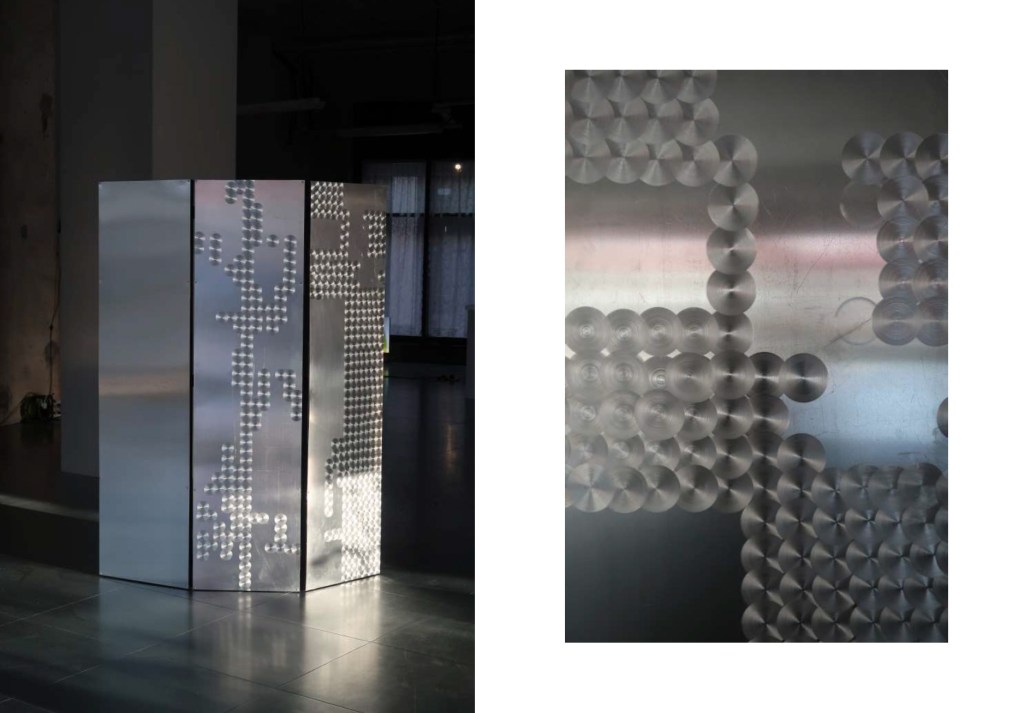
Metal functions like an internal skeletal structure that always supports the work in place. The process of working with metal itself carries a certain level of risk, which I find both demanding and compelling. I approach materials as a system for constructing a world, where each element has its own role while also acting as a connection between myself and the outside world.
Your work frequently explores vulnerability, power, domination, and transformation. Do you see performance as a way of making these forces visible through the body, or as a space where they can be temporarily reconfigured?
Rather than just making these forces visible, I am more keen on how they are physically held and sustained through the body. I tend to avoid presenting vulnerability or power as spectacles. In my work, the body is not so much performing as it is being placed within a structure of tension.
In The Baptism in the Crimson Pool, a metal chandelier holding multiple candles was suspended above the body, allowing melted wax to continuously fall over time. While my body moves, it is held within a sustained sense of pressure through duration and accumulation. In Betwixt Between, I’ve also explored this through an interactive wearable installation. The proximity activates the lights attached to my body. The tension between intimacy and warning is developed. My body becomes a responsive surface where subtle external presence is registered and amplified.
Performance is a way to allow vulnerability, domination, and transformation to coexist without fully resolving, and to leave such a state of suspension to be maintained. The body becomes a site to inhabit these conditions.
“It is not about explaining experience, but about intensifying it.”
— Saki, PAI_32 interview.
There is often a sense of ritual, unease, and symbolic duality in your installations — beauty and horror, softness and violence, devotion and control. What do you hope viewers experience when they enter these environments?
Many of my works are structured in a way that resists immediate clarity. This duality creates a sense that something is not fully resolved, where viewers may feel both drawn in and unsettled. Rather than directing a specific interpretation, ambiguity shifts attention back onto the viewer. Their bodily presence, emotional responses, and the way they navigate the space become part of the experience.
- What do you think is the primary idea or goal of art in general? If there is a specific goal, what would it be?
I don’t think art has a single or universal goal. For me, it functions as a way of translating what is sensed but not yet fully understood into a form that can be experienced by others. It is not about explaining experience, but about intensifying it. I think of artists as a connection between the world and others. The less obstructed that passage is, the more that intensity can be transmitted without being reduced or fixed into a single meaning. In this sense, art opens up forms of perception and experience that are difficult to access through language alone.
All rights to the images belong to the artist. No part of this publication may be reproduced, stored in a retrieval system, or transmitted in any form, electronic, mechanical, photocopying, recording or otherwise, without the prior permission of PAI32 Platform.

ARTIST OF THE MONTH
Interview, Online Exhibition
#artist of the month
PAI32 EDITION’26
INFORMAL STRUCTURES, SPATIAL INTELLIGENCE, AND ART OF MAKING THING HOLD

